Last updated: October 21, 2026
Quick Answer
October 21 National Apple Day is an annual observance held every year on October 21 that celebrates the cultural heritage, agricultural diversity, and culinary uses of apples. It began in the United Kingdom in 1990 and has since grown into an international occasion recognized by food lovers, farmers, educators, and health advocates worldwide [1][2]. In 2026, the day falls on Wednesday, October 21.
Key Takeaways
- October 21 National Apple Day started in the UK in 1990, founded by the arts and environmental charity Common Ground at Covent Garden [1]
- The day is observed internationally, not just in the United States or the United Kingdom
- There are more than 7,500 known apple varieties grown worldwide, and Apple Day encourages tasting lesser-known cultivars
- Apples are the centerpiece of dozens of autumn recipes, from classic pies to savory chutneys and jams
- Grocery stores, orchards, and farmers markets often run apple-themed promotions and sales around October 21 [2]
- Red apples tend to be sweeter; green apples are typically more tart and hold their shape better in baking
- People with apple allergies can still participate through apple-adjacent activities like orchard visits, crafts, and cooking for others
- Apple Day is a strong educational hook for children learning about agriculture, seasons, and nutrition
What Is National Apple Day October 21?
National Apple Day on October 21 is a dedicated annual celebration of everything apple-related, from orchard diversity and farming heritage to nutrition, recipes, and community events [1][3]. It is not a federal public holiday but an observance widely promoted by food organizations, lifestyle outlets, schools, and agricultural groups.
The day serves multiple purposes at once. For farmers and conservationists, it draws attention to the importance of preserving heirloom and heritage apple varieties. For home cooks and food lovers, it is an excuse to bake, press cider, or simply try a new variety at the market. For educators, it connects children to where their food comes from.
“Apple Day is about celebrating the diversity of apples as a way of recognizing and standing up for the variety and richness of life.”, Common Ground (founding organization, 1990)
Modern coverage in 2026 frames October 21 National Apple Day as both a cultural tradition and a practical consumer moment, with recipe roundups, orchard events, and retail promotions all clustering around the date [2][3].
When Did National Apple Day Start and Why?
National Apple Day was founded in 1990 by Common Ground, a UK-based arts and environmental charity, at an event held in Covent Garden, London [1]. The founding goal was straightforward: to draw public attention to the alarming loss of apple variety diversity in British orchards caused by industrial agriculture and supermarket standardization.
At the time, hundreds of traditional British apple varieties were disappearing because commercial supply chains favored just a handful of uniform cultivars. Common Ground used Apple Day as a platform to argue that losing apple varieties meant losing cultural identity, biodiversity, and local food knowledge.
Key reasons the date stuck:
- Late October aligns with peak apple harvest season in the northern hemisphere
- The Covent Garden launch attracted immediate media coverage and public participation
- The concept translated easily to other countries, where similar orchard diversity concerns existed
The observance spread beyond the UK over the following decades, and by the 2020s it was covered by international food calendars and media outlets as a broadly recognized food holiday [1][2].
How Do You Celebrate National Apple Day?
Celebrating October 21 National Apple Day requires no special equipment or budget. The most popular approaches include visiting a local orchard, cooking an apple-based recipe, or sharing apple-themed content on social media using hashtags like #NationalAppleDay or #AppleDay.
Practical ways to mark the day:
- Visit a pick-your-own orchard or farmers market and choose two or three varieties you have never tried before
- Bake an apple pie, apple crumble, or apple cake, see the pie baking resource for technique guidance
- Make homemade apple jam or preserves (a jam cookbook can help with ratios and setting times)
- Host an apple tasting with friends, scoring varieties on sweetness, tartness, and texture
- Teach children about apple cultivation, seasonal harvests, and the difference between varieties
- Support orchard conservation groups by donating or volunteering
Schools and community organizations often plan apple-themed programming for the entire week around October 21, so checking local event listings is worthwhile [4][5].
What Apple Deals and Discounts Are Available on October 21?
Retailers and grocery chains frequently offer apple-related promotions around October 21, though specific deals vary by location and year. Expect to find discounts on bulk apple purchases, cider, apple butter, and baking supplies at major grocery stores during the third week of October [2].
Where to look for deals:
- Local farmers markets (often the best prices on fresh-picked apples)
- Grocery store weekly circulars in mid-to-late October
- Orchard websites offering pick-your-own pricing or cider press events
- Online recipe and food retailers promoting apple cookbooks or baking kits
Tip: Buying apples by the peck or bushel at an orchard is almost always cheaper per pound than buying individual bags at a supermarket, and the variety selection is far wider.
Where to Buy Fresh Apples for National Apple Day
The best sources for fresh apples on or around October 21 are local orchards, farmers markets, and co-op grocery stores that source regionally. These outlets stock varieties that never appear in chain supermarkets.
Source comparison:
| Source | Variety Selection | Price Range | Freshness |
|---|---|---|---|
| Pick-your-own orchard | Very wide | Low to moderate | Highest |
| Farmers market | Wide | Moderate | High |
| Co-op / natural grocer | Moderate | Moderate to high | High |
| Chain supermarket | Narrow (4-6 varieties) | Low | Variable |
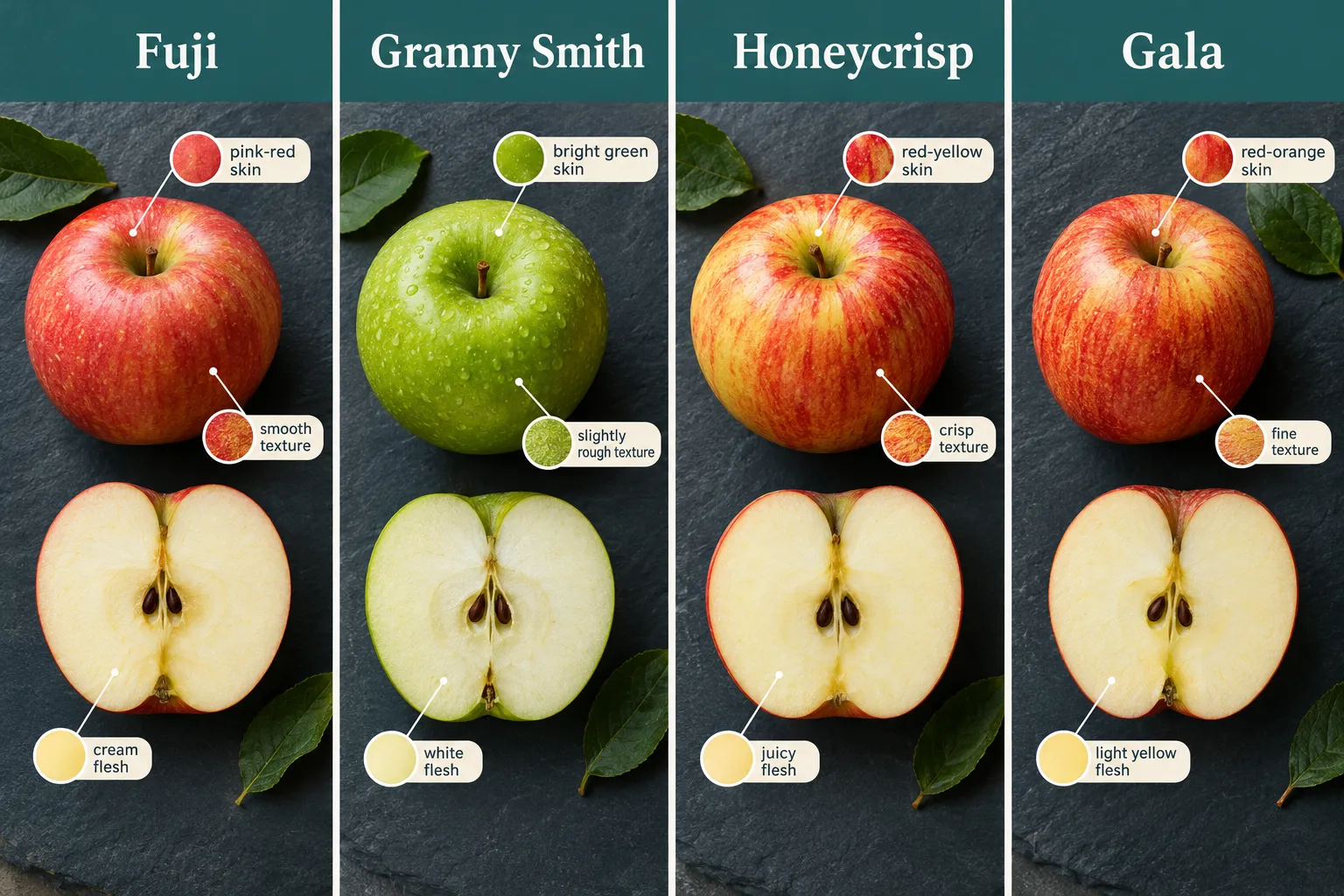
For heirloom or heritage varieties specifically, orchard visits or specialty food stores are the only reliable options. Chain supermarkets typically stock Gala, Fuji, Honeycrisp, Granny Smith, and Red Delicious year-round but rarely branch further.
Is National Apple Day Celebrated Outside the US?
Yes. Although National Apple Day originated in the United Kingdom and remains deeply embedded in British food culture, it is now observed in numerous countries [1][3]. The observance has no formal international governing body, but food holiday calendars, agricultural organizations, and media outlets across North America, Australia, and Europe all recognize October 21 as the anchor date.
The UK tradition, maintained by Common Ground and regional orchard groups, tends to focus more on biodiversity and orchard conservation [6][7]. North American observances lean heavier on consumer celebration, recipes, and retail. Both framings coexist, and neither cancels the other out.
Best Recipes to Make with Apples on National Apple Day
Apple recipes divide naturally into baked goods, beverages, condiments, and savory dishes. For October 21 National Apple Day, the most popular choices are baked desserts and homemade preserves because they showcase apple flavor most directly.
Top recipe categories by use case:
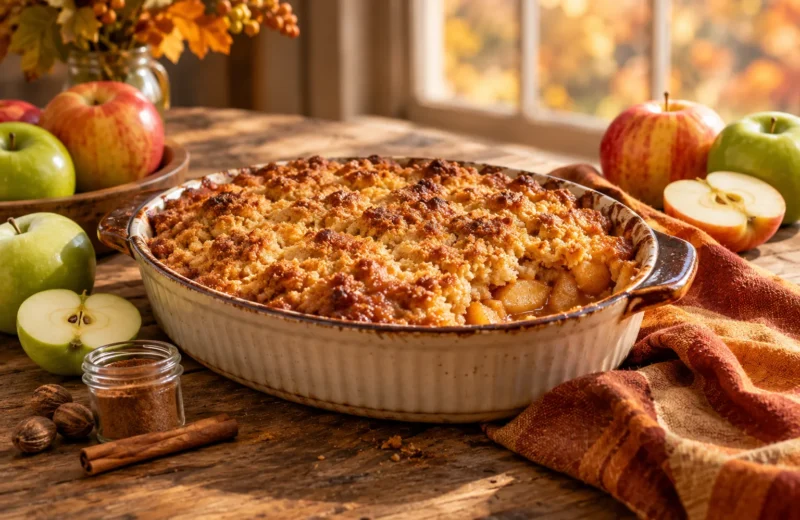
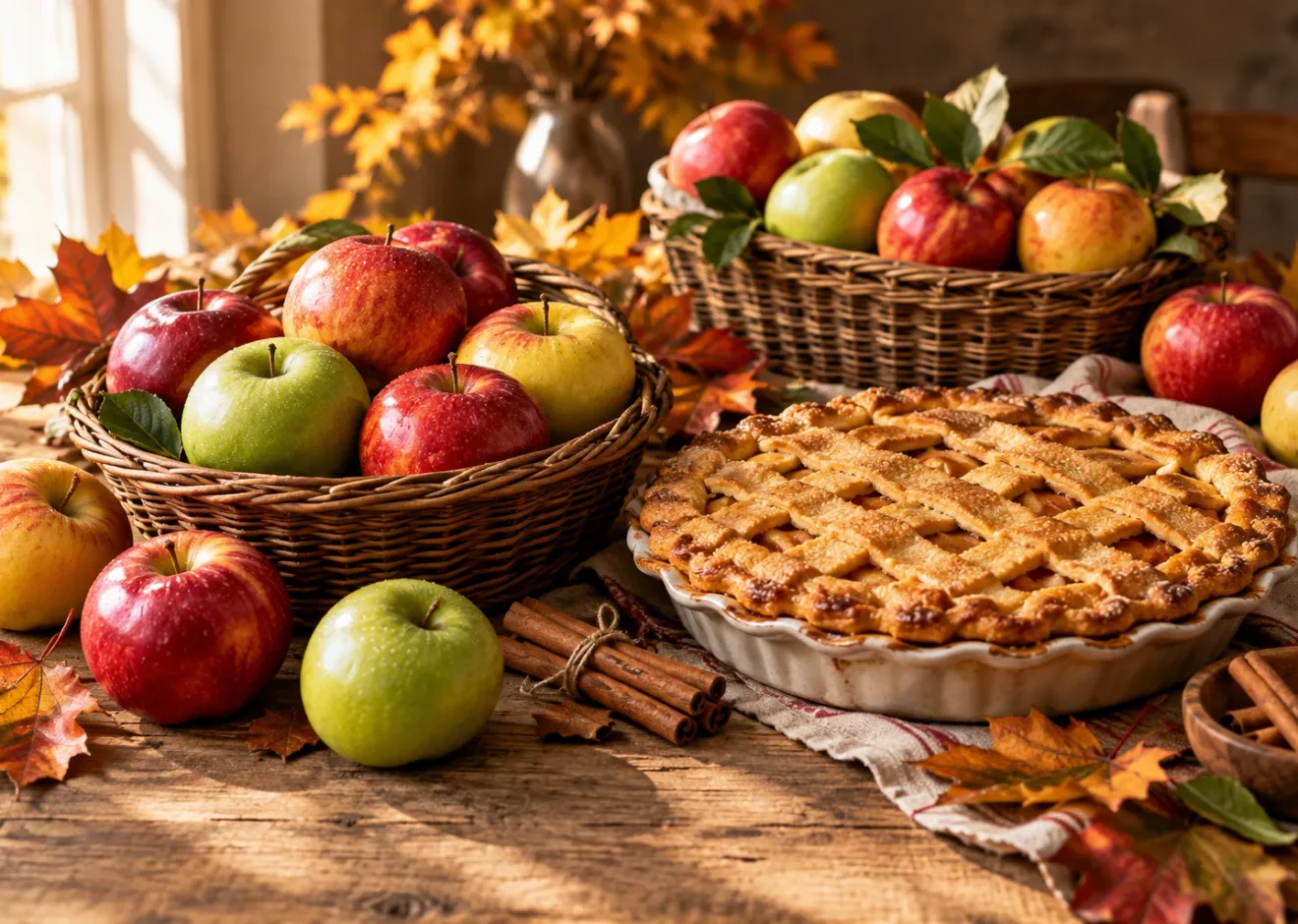
- Classic baking: Apple pie (roughly two pounds of apples per nine-inch pie [8]), apple crumble, apple cake, and apple muffins. The fall baking tag is a good starting point for seasonal inspiration.
- Preserves and spreads: Apple jam, apple butter, and apple chutney. A well-stocked jam cookbook covers pectin ratios and processing times.
- Beverages: Fresh-pressed cider (alcoholic or non-alcoholic), spiced apple tea, and apple smoothies
- Savory dishes: Apple and onion pork roast, apple-walnut salad, apple and cheese boards
- Sweets: Caramel apples, apple sauce, baked cinnamon apples
For an impressive pairing, apple pie served alongside pecan-crusted pastry items works particularly well in autumn menus, the 419 Pecan Cookbook covers those combinations in detail.
How Many Apple Varieties Should You Try, and What Is the Difference Between Red and Green Apples?
There is no fixed number, but food educators often suggest trying at least three to five distinct varieties on National Apple Day to appreciate the real range of flavor and texture apples offer. Worldwide, more than 7,500 varieties exist, though most consumers encounter fewer than ten regularly.
Red vs. green apples at a glance:
- Red apples (Fuji, Gala, Honeycrisp, Red Delicious): generally sweeter, lower in acidity, and better for fresh eating and snacking
- Green apples (Granny Smith, Pippin): higher in tartness and malic acid, firmer flesh, and better for baking because they hold their shape and provide flavor contrast against sugar
- Yellow apples (Golden Delicious, Mutsu): mild, sweet, and versatile for both baking and fresh eating
Common mistake: choosing Red Delicious for baking. Its flesh turns mealy under heat. Granny Smith or Honeycrisp are far better baking apples.
Best Apples for Baking vs. Eating Fresh
Choose Granny Smith, Braeburn, or Honeycrisp for baking. Choose Fuji, Gala, or SweeTango for fresh eating. The key variable is how the apple’s cell structure responds to heat.
Baking: Apples need to soften without collapsing into mush. High-acid, firm-fleshed varieties like Granny Smith hold their shape, and their tartness balances added sugar in pies and crisps [8].
Fresh eating: Sweeter, crisper apples like Fuji or Honeycrisp deliver the best snacking experience and work well in salads or on cheese boards.
For a comprehensive autumn baking session on October 21, combining Granny Smith for structure with one sweeter variety (like Golden Delicious) adds depth to pie filling.
Do Grocery Stores Have Special Sales on Apple Day, and What Are Common Mistakes When Buying Apples?
Many grocery stores run produce promotions in the third and fourth weeks of October, which coincides with October 21 National Apple Day [2]. Sales are not guaranteed at every chain, but bagged apples, cider, and baking sets are common discount items during this period.
Common mistakes when buying apples:
- Buying pre-bagged apples without inspecting individual pieces for bruising or soft spots
- Choosing variety based solely on appearance rather than intended use (snacking vs. baking)
- Storing apples at room temperature when refrigeration extends freshness by weeks
- Ignoring lesser-known varieties in favor of familiar names, missing out on significantly better flavor
- Buying too far in advance: apples purchased more than a week before use may be past their texture peak
What Should Kids Do for National Apple Day?
National Apple Day is an excellent hands-on learning day for children of all ages. The best activities combine sensory experience (tasting, smelling, touching) with simple education about agriculture and nutrition.
Age-appropriate activities:
- Ages 3-6: Apple stamping art (cut an apple in half and dip in paint), apple sauce making with adult supervision
- Ages 7-11: Blind apple tasting to identify varieties by flavor, orchard field trips, simple apple-themed science experiments (oxidation demonstration by leaving a cut apple exposed to air)
- Ages 12+: Learning to bake an apple pie or crumble from scratch, researching local orchard history, pressing cider if equipment is available
Schools frequently tie Apple Day activities to autumn curriculum themes covering plants, seasons, and healthy eating [5].
Can You Celebrate Apple Day If You Are Allergic to Apples?
Yes, people with apple allergies can still participate in October 21 National Apple Day in several meaningful ways. Apple allergies, which are often linked to Oral Allergy Syndrome (OAS) associated with birch pollen, vary in severity. Some people react to raw apples but tolerate cooked apple products because heat degrades the proteins that trigger symptoms.
Options for allergy-affected participants:
- Bake apple dishes to share with others without consuming them personally
- Focus on orchard visits, apple-picking photography, and harvest events without eating
- Explore apple-adjacent seasonal produce (pears, quinces) that carry similar autumn associations
- Use the day as an opportunity to cook allergy-safe versions of classic fall recipes, the 22 Gluten Free Recipes resource covers alternative dietary adaptations useful for allergy-conscious baking
Always consult a medical professional for guidance on individual allergy management.
FAQ
Q: What date is National Apple Day? National Apple Day is observed every year on October 21. In 2026, it falls on Wednesday, October 21 [1][2].
Q: Who created National Apple Day? Common Ground, a UK arts and environmental charity, founded Apple Day in 1990 at Covent Garden in London [1].
Q: Is National Apple Day a public holiday? No. It is a food observance and cultural celebration, not a federal or national public holiday in any country.
Q: How many apple varieties exist worldwide? More than 7,500 named apple varieties are grown globally, though most supermarkets stock only four to six of them regularly.
Q: What is the best apple for apple pie? Granny Smith is the most widely recommended baking apple for pie because its firmness and tartness hold up well under heat and balance added sugar [8].
Q: Are there events for National Apple Day? Yes. Orchards, farmers markets, schools, and community organizations typically hold apple-themed events around October 21. Check local listings and event sites for 2026 programming [4][7].
Q: How should I store apples to keep them fresh? Store apples in the refrigerator, ideally in the crisper drawer. Kept cold and away from strong-smelling foods, most apples stay fresh for three to six weeks.
Q: Can I celebrate National Apple Day on a budget? Absolutely. Buying a bag of mixed apple varieties at a farmers market and baking a simple apple crumble at home costs very little and fully captures the spirit of the day.
Q: Is National Apple Day the same as Apple Day in the UK? They share the same date and origins, but the UK “Apple Day” tradition organized by Common Ground emphasizes orchard conservation and biodiversity, while the broader “National Apple Day” label used in North America and internationally leans toward consumer celebration and food culture [1][3].
Q: What is Oral Allergy Syndrome in relation to apples? Oral Allergy Syndrome (OAS) is a pollen-food allergy where proteins in raw apples cross-react with birch pollen, causing mild itching or swelling. Cooking the apple typically eliminates the reaction because heat breaks down the offending proteins.
Conclusion
October 21 National Apple Day is one of the most accessible and genuinely enjoyable food observances of the year. Whether the goal is trying a new variety at the farmers market, baking a pie from scratch, attending an orchard event, or teaching children about seasonal agriculture, there is a way to participate that fits nearly any lifestyle or budget.
Actionable next steps for October 21, 2026:
- Find a local orchard or farmers market and pick up at least three apple varieties you have never tried before
- Plan one recipe, whether a classic apple pie using the pie baking approach or a batch of homemade apple jam with a trusted jam cookbook
- If you have children, choose one hands-on activity from the age-appropriate list above
- Share what you make or taste on social media with #NationalAppleDay to connect with others observing the day
- Consider supporting an orchard conservation organization in your region to honor the day’s original mission
Apple Day started as a protest against variety loss. In 2026, the best way to honor that founding intent is to seek out something unusual, support local growers, and simply enjoy a fruit that has fed human civilization for thousands of years.
References
- Apple Day. daysoftheyear.com.
- October 21 Is National Apple Day. kyma.com.
- National Apple Day 2. fruitandvine.co.uk.
- National Apple Day 2026. active.com.
- National Apple Day. serendipitylabs.com.
- National Days. fruitandvine.co.uk.
- Events. fruitandvine.co.uk.
- Two Pounds of Apples Makes One 9 Inch Pie. southfloridareporter.com.