Last updated: February 26, 2026
Quick Answer: February 26 National Pistachio Day is an annual food holiday celebrated every February 26 in the United States. It honors the pistachio nut, one of the world’s oldest cultivated tree nuts, by encouraging people to eat, cook with, and share pistachios. The day has no single founding organization on record, but it has grown steadily in popularity through social media and food culture communities.
Key Takeaways
- February 26 is National Pistachio Day, celebrated annually in the United States.
- Pistachios have been cultivated for at least 9,000 years, originating in Western Asia and the Middle East.
- A standard serving of pistachios (about 49 kernels or 1 oz) provides protein, fiber, healthy fats, and several key vitamins and minerals.
- Pistachios rank among the lower-calorie tree nuts per serving compared to macadamia nuts and pecans.
- Most experts suggest one to two ounces of pistachios per day as a reasonable daily amount for healthy adults.
- People with tree nut allergies should avoid pistachios entirely, as reactions can be severe.
- The United States (primarily California) and Iran are the world’s two largest pistachio producers.
- Pistachios are naturally split at harvest, no tools are needed for most shells.
- Fun ways to celebrate include trying pistachio recipes, visiting local farmers markets, or sharing the day on social media.
What Is National Pistachio Day?
National Pistachio Day is an unofficial food holiday in the United States dedicated to celebrating the pistachio nut. It falls on February 26 each year and gives food lovers, home cooks, and snack enthusiasts a reason to spotlight one of the most nutritious and versatile nuts available.
The holiday is informal, it is not recognized by a federal body or a single governing organization. Instead, it belongs to the broader tradition of American food days, similar to National Dark Chocolate Day on February 1 or National Carrot Cake Day on February 3. These observances spread through food blogs, social media, and retailers who use them as an opportunity to promote products and recipes.
When Is National Pistachio Day Celebrated?
National Pistachio Day is celebrated on February 26 every year. In 2026, that falls on a Thursday.
The date does not change from year to year, which makes it easy to plan ahead. Mark it on a calendar alongside other late-February food events, and stock up on pistachios a day or two before so they are ready to use in recipes or as a snack.
History of National Pistachio Day and Why February 26
The exact origin of February 26 National Pistachio Day is not tied to a single documented founder or organization. Like many American food holidays, it appears to have emerged organically through food industry promotion and online food culture during the early 2000s.
What is well-documented, however, is the long history of the pistachio itself:
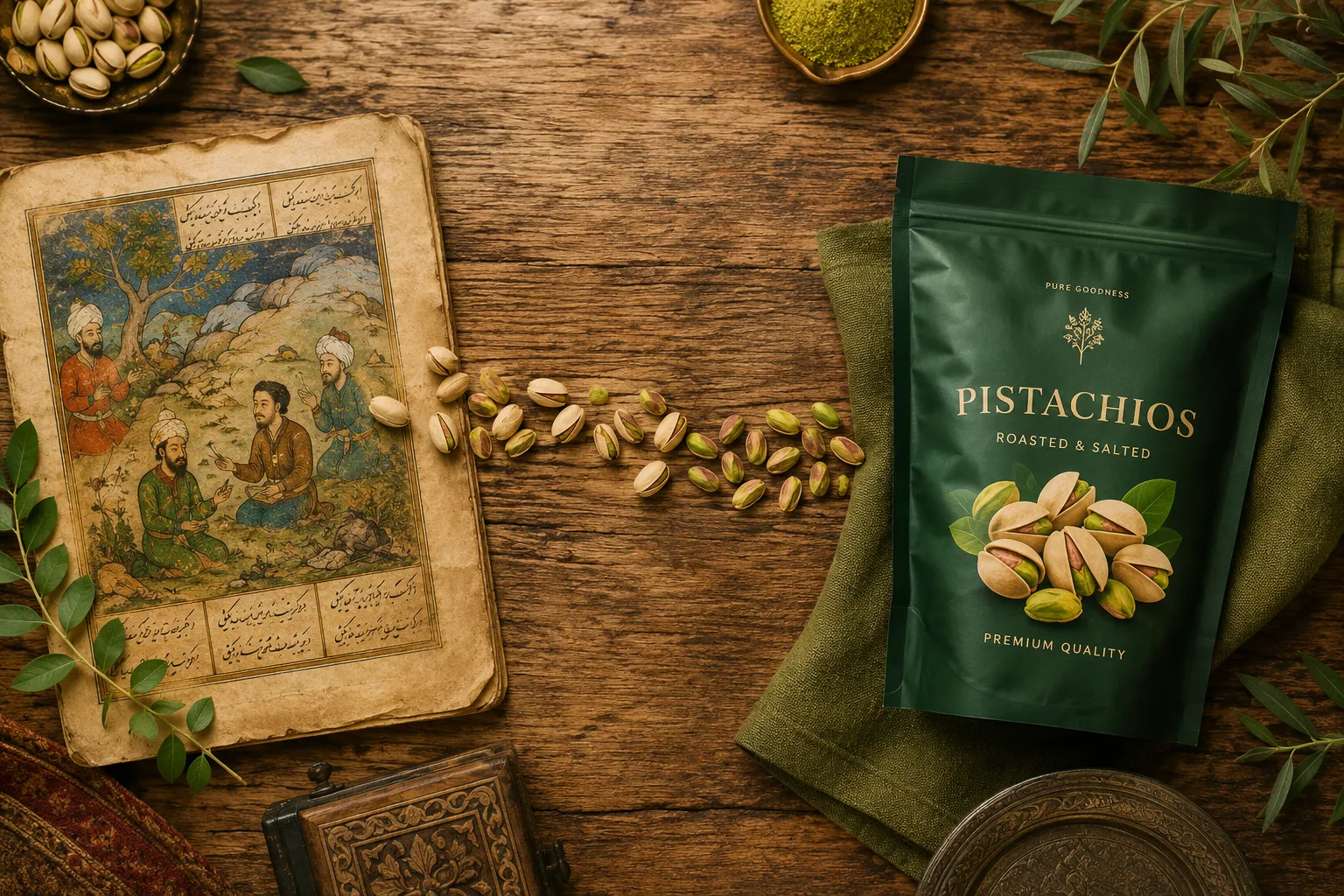
- 9,000+ years of cultivation: Archaeological evidence from sites in Turkey and the broader Fertile Crescent region suggests pistachios were consumed and cultivated as far back as 7,000 BCE.
- Ancient trade routes: Pistachios traveled along Silk Road trade routes from Persia (modern-day Iran) into the Mediterranean world.
- Roman and Greek records: Ancient Greek and Roman texts reference pistachios as a prized food, consumed by royalty and traders.
- U.S. introduction: Commercial pistachio farming in the United States began in California in the 1970s, and the country quickly became a global leader in production.
Why February 26 specifically? No verified historical reason exists for this date. It is likely an arbitrary assignment, as is the case with most food holidays. What matters more is that the day gives pistachio growers, brands, and fans a shared moment to celebrate the nut’s rich heritage.
If you enjoy exploring food history through the calendar, check out our guide to National Peanut Brittle Day on January 26 for another nut-adjacent celebration with deep roots.
How to Celebrate February 26 National Pistachio Day
Celebrating February 26 National Pistachio Day does not require a special event or a large budget. The simplest approach is to eat pistachios, but there are many more creative options.
Easy ways to celebrate:
- Snack on a handful of roasted, salted pistachios during the day.
- Swap out your usual nut in a trail mix recipe for pistachios.
- Bake a pistachio-flavored dessert and share it with friends or coworkers.
- Post a pistachio recipe or photo on social media using the hashtag #NationalPistachioDay.
- Visit a local farmers market or specialty food store to find artisan pistachio products.
- Try a new cuisine that features pistachios prominently, such as Persian, Turkish, or Sicilian cooking.
For families with kids:
- Make a pistachio shell mosaic art project with empty shells.
- Hold a “crack the most pistachios” contest using naturally split shells.
- Bake pistachio cookies together and decorate them with green icing.
Best Pistachio Recipes for National Pistachio Day
Pistachios work in both sweet and savory dishes, which makes them one of the most adaptable nuts in the kitchen. Here are strong recipe categories to explore on February 26:
Sweet recipes:
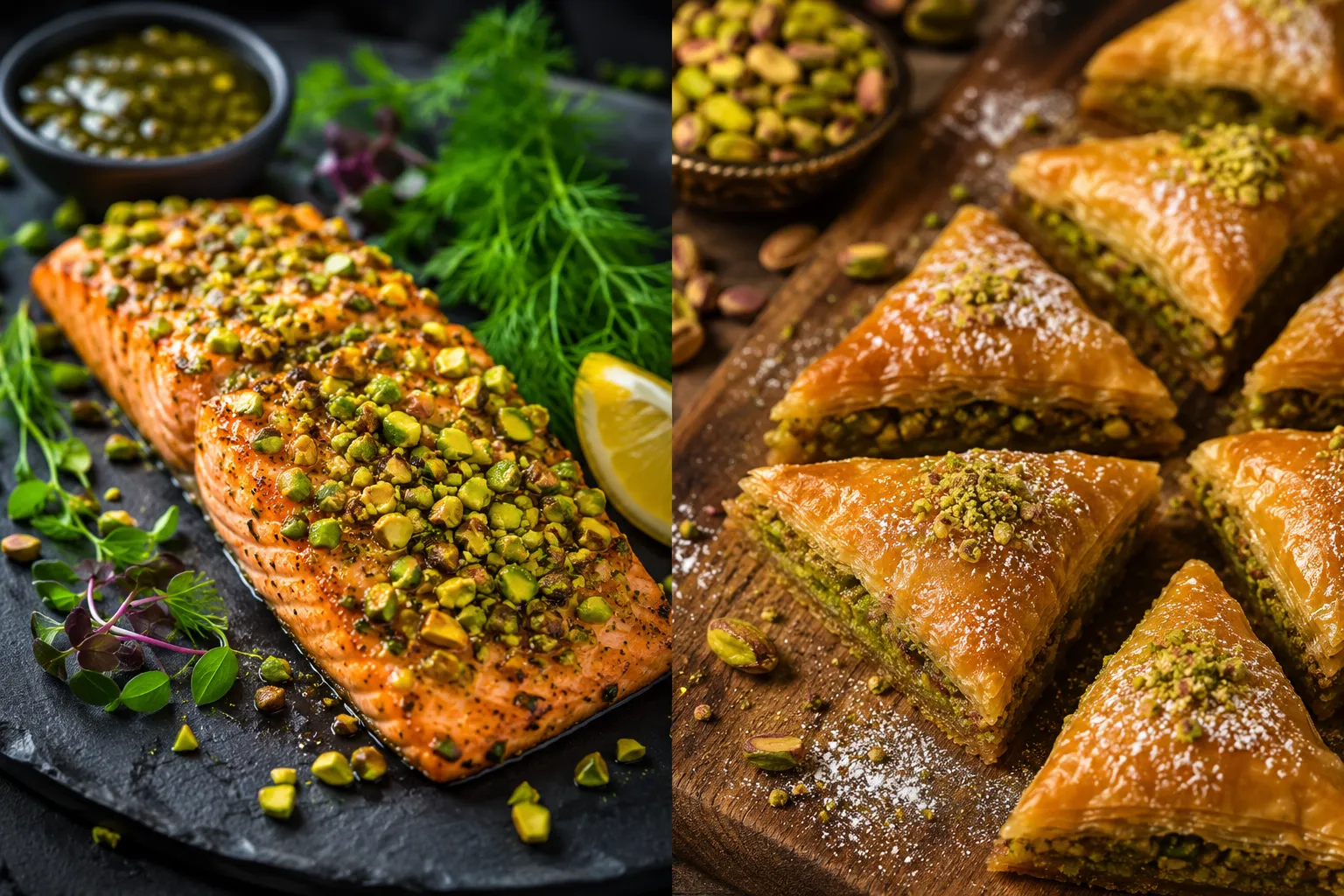
- Pistachio baklava, layers of phyllo dough, chopped pistachios, and honey syrup; a classic Middle Eastern preparation.
- Pistachio gelato or ice cream, ground pistachios blended into a cream base for a rich, pale green frozen dessert.
- Pistachio shortbread cookies, buttery, crumbly cookies studded with chopped pistachios.
- Pistachio cake, a moist layer cake using pistachio paste or ground pistachios in the batter.
Savory recipes:
- Pistachio-crusted salmon, a coating of crushed pistachios, herbs, and olive oil pressed onto salmon fillets before baking.
- Pistachio pesto, substitute pistachios for pine nuts in a classic basil pesto; the flavor is earthier and slightly sweeter.
- Pistachio-stuffed dates, a quick appetizer requiring no cooking.
- Grain salads with pistachios, farro or quinoa salads with roasted vegetables, feta, and pistachios for crunch.
For more inspiration on cooking with nuts and baking, the 419 Pecan Cookbook on stillcooking.com offers hundreds of nut-forward recipes that can be adapted with pistachios.
Where to Buy Pistachios for National Pistachio Day
Pistachios are widely available across the United States and most countries. Here are the most reliable sources:
| Source | Best For | Notes |
|---|---|---|
| Grocery stores | Everyday roasted/salted pistachios | Most carry at least 2-3 varieties |
| Warehouse clubs (Costco, Sam’s) | Bulk buying at lower cost | Good for large households |
| Specialty food stores | Flavored, raw, or imported varieties | Wider flavor selection |
| Online retailers | Bulk orders, specialty types | Compare prices per pound |
| Farmers markets | Fresh-harvest pistachios (seasonal) | Best in fall; California growers ship nationally |
| Direct from farms | Freshest product, farm-to-door | Several California farms sell online |
What to look for when buying:
- Shell color: Natural pistachios have a beige shell. Avoid dyed red shells, which are an older processing method.
- Split shells: A naturally split shell means the nut is mature and ready to eat.
- Packaging date: Fresher is better. Look for a recent roast or pack date on the bag.
- Unsalted options: If watching sodium intake, unsalted raw or dry-roasted pistachios are widely available.
Health Benefits of Pistachios and Are They Good for You?
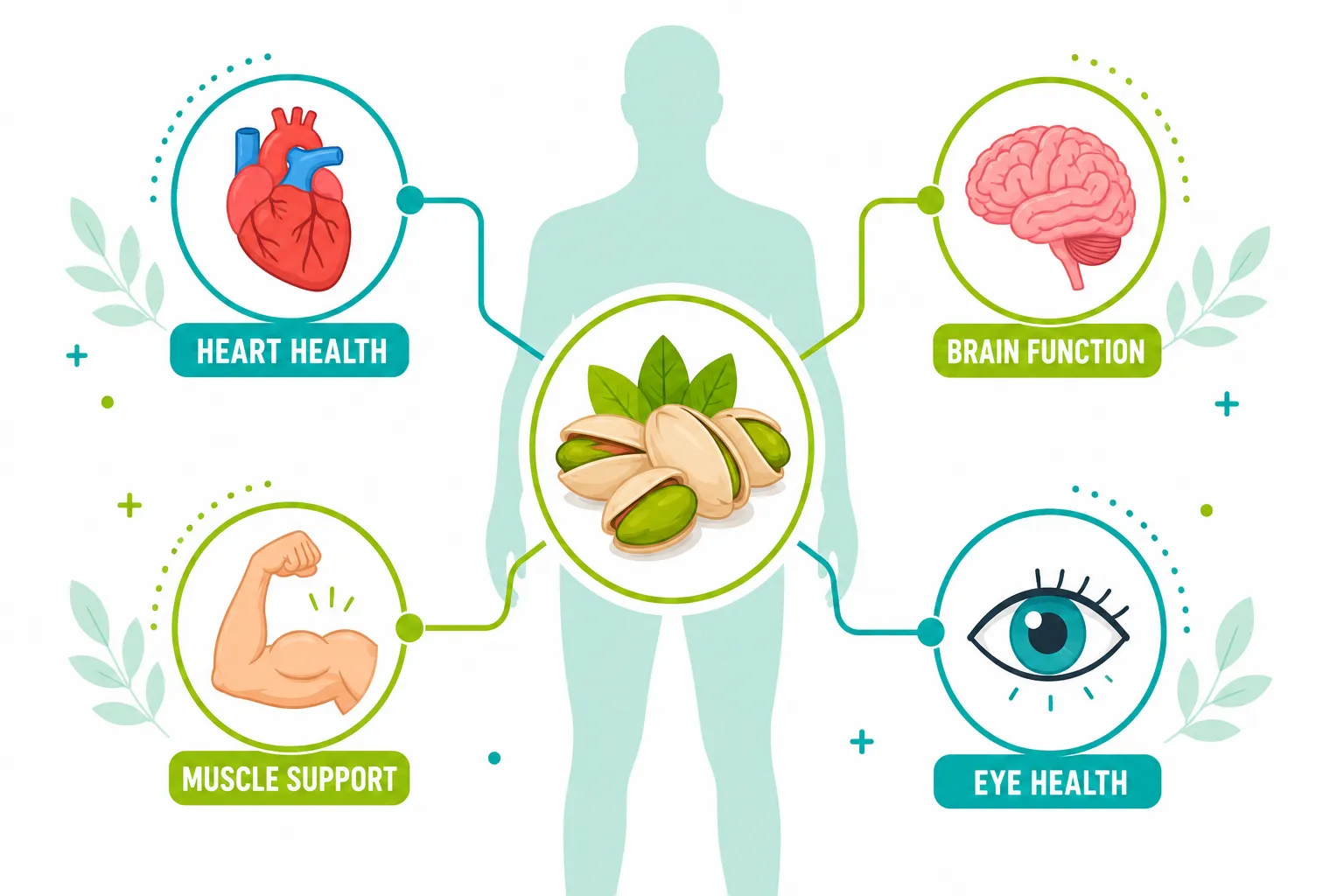
Pistachios are genuinely nutritious. A standard one-ounce serving (approximately 49 kernels) provides a meaningful combination of protein, fiber, and healthy unsaturated fats, along with vitamins B6, thiamine, and minerals including potassium, phosphorus, and copper.
Key health benefits supported by research:
- Heart health: Pistachios contain monounsaturated and polyunsaturated fats, which are associated with improved cholesterol profiles when they replace saturated fats in the diet.
- Blood sugar management: The fiber and protein in pistachios slow digestion, which can help moderate blood sugar spikes after meals.
- Eye health: Pistachios are one of the few nuts that contain lutein and zeaxanthin, antioxidants linked to reduced risk of age-related macular degeneration.
- Weight management: Despite being calorie-dense, pistachios are high in protein and fiber, which promote satiety. The act of cracking shells also slows eating pace.
- Gut health: The fiber in pistachios acts as a prebiotic, feeding beneficial gut bacteria.
Nutritional snapshot (1 oz / ~49 kernels, dry roasted, lightly salted):
- Calories: approximately 160
- Protein: 6 grams
- Fat: 13 grams (mostly unsaturated)
- Fiber: 3 grams
- Carbohydrates: 8 grams
Note: Exact values vary by brand and preparation method. Check the nutrition label on your specific product.
How Many Pistachios Should You Eat a Day?
For most healthy adults, one to two ounces of pistachios per day is a reasonable and well-tolerated amount. One ounce equals roughly 49 pistachio kernels, a generous handful.
Eating more than two ounces daily is not harmful for most people, but pistachios are calorie-dense. Two ounces provides around 320 calories, which is significant if overall calorie intake is a concern.
Choose one ounce if: you are managing calorie intake or eating pistachios alongside other calorie-dense snacks. Choose up to two ounces if: pistachios are replacing a less nutritious snack and you are active.
Pistachio vs. Other Nuts: How Do They Compare?
Pistachios hold their own against other popular nuts on several nutritional measures.
Pistachios compared to common alternatives (per 1 oz serving):
- Pistachios vs. almonds: Both are high in protein and fiber. Almonds have slightly more vitamin E; pistachios have more B6 and potassium.
- Pistachios vs. cashews: Cashews are creamier but lower in fiber. Pistachios have more protein per ounce.
- Pistachios vs. walnuts: Walnuts are the clear leader in omega-3 fatty acids. Pistachios win on protein and fiber.
- Pistachios vs. macadamia nuts: Macadamias are significantly higher in calories and fat. Pistachios are the lighter option.
- Pistachios vs. pecans: Pecans are rich in antioxidants but lower in protein. Pistachios offer more protein per serving.
Bottom line: Pistachios are among the highest-protein, highest-fiber tree nuts per ounce, making them a strong choice for people who want a filling snack with solid nutritional value.
If you enjoy exploring nut-based foods, the January 24 National Peanut Butter Day guide covers another beloved nut product with its own nutritional profile worth comparing.
Pistachio Allergies and Side Effects
Pistachios are a tree nut, and tree nut allergies are among the most common and potentially serious food allergies. Anyone with a known tree nut allergy should avoid pistachios entirely and consult an allergist before trying them.
Common allergy symptoms include:
- Hives, itching, or skin redness
- Swelling of the lips, tongue, or throat
- Stomach pain, nausea, or vomiting
- In severe cases, anaphylaxis (a life-threatening reaction requiring immediate medical attention)
Cross-reactivity: Pistachios are closely related to cashews. People allergic to one are often allergic to the other.
Side effects from overconsumption (not allergy-related):
- Digestive discomfort from excess fiber if eaten in large quantities
- Elevated sodium intake if consuming heavily salted varieties
- Weight gain if daily calorie totals are not accounted for
People on blood-thinning medications should be aware that pistachios contain vitamin K, which can interact with warfarin. A doctor or dietitian can advise on appropriate serving sizes in this case.
How to Crack Open Pistachios Easily
Most pistachios are naturally split at harvest, meaning no tools are needed. Simply press your thumbnail or a fingernail into the gap and pry the shell open.
For stubborn closed shells:
- Use the half-shell from an already-opened pistachio as a lever. Insert the thin edge of the empty half-shell into the small gap of the closed one and twist.
- Use a nutcracker for any shell that is fully sealed.
- Soak closed pistachios in warm water for 10 minutes to soften the shell slightly before cracking.
Why some shells are closed: Immature pistachios or those harvested slightly early may not split naturally. They are still edible but require more effort to open.
Tip for cooking: Buy pre-shelled pistachios when a recipe calls for large quantities. Shelling by hand is satisfying for snacking but impractical for baking a pistachio cake that needs two cups of kernels.
Fun Facts About Pistachios
- Pistachios are technically the seed of a fruit, not a nut in the botanical sense, the pistachio tree produces a small drupe (similar to a peach), and the “nut” is the seed inside.
- The pistachio tree can live and produce nuts for over 300 years.
- Iran and the United States (California) together account for the majority of the world’s pistachio supply.
- Pistachios are one of only two nuts mentioned by name in the Bible (Genesis 43:11).
- The natural green color of pistachio kernels comes from chlorophyll; the purple-red tint on the inner skin comes from anthocyanins.
- Pistachio trees are dioecious, meaning individual trees are either male or female. One male tree can pollinate up to 12 female trees.
- The word “pistachio” traces back to the Persian word “pesteh.”
- Pistachios are sometimes called the “smiling nut” in Iran and the “happy nut” in China, both references to the split shell that resembles a grin.
For more food holiday fun, explore the National Popcorn Day guide for January 19, another snack with a surprisingly deep history.
FAQ
What day is National Pistachio Day? National Pistachio Day is celebrated on February 26 every year in the United States.
Who created National Pistachio Day? No single verified founder or organization is on record as creating National Pistachio Day. It developed organically through food industry promotion and online food culture.
Is February 26 National Pistachio Day a federal holiday? No. It is an unofficial food holiday with no legal standing. Businesses remain open and it is not recognized by any government body.
Can you eat pistachios every day? Yes, most healthy adults can eat one to two ounces of pistachios daily as part of a balanced diet. Daily consumption is associated with several health benefits including improved heart health markers.
Are pistachios good for weight loss? Pistachios can support weight management because their protein and fiber content promotes fullness. However, they are calorie-dense, so portion control matters. One ounce (about 49 kernels) is roughly 160 calories.
What is the difference between raw and roasted pistachios? Raw pistachios are unprocessed and have a slightly softer texture and milder flavor. Roasted pistachios have a crunchier texture and more pronounced flavor. Both are nutritious; roasting causes minor reductions in some heat-sensitive nutrients.
Are pistachios safe for people with nut allergies? No. Pistachios are a tree nut and can trigger serious allergic reactions in people with tree nut allergies. They cross-react with cashews particularly often. Anyone with a known tree nut allergy should avoid pistachios.
Why are pistachios green? The green color comes from chlorophyll in the kernel. The intensity of the green varies by variety and growing conditions; a deeper green is often considered a sign of quality in culinary applications.
How should pistachios be stored? Keep pistachios in an airtight container. At room temperature, they stay fresh for up to three months. Refrigerated, they last up to six months. Frozen pistachios can keep for up to a year without significant quality loss.
Are pistachios more expensive than other nuts? Pistachios are generally priced higher than peanuts and cashews but are comparable to almonds and walnuts. Price varies by whether they are in-shell or shelled, flavored, and organic.
What cuisines use pistachios most? Persian, Turkish, Sicilian, Lebanese, and Indian cuisines all feature pistachios prominently in both sweet and savory dishes. Baklava, halva, biryanis, and various pastries are common examples.
Can children eat pistachios? Yes, for children without nut allergies. However, whole pistachios in the shell can be a choking hazard for children under four. Shelled pistachios, chopped finely, are safer for young children.
Conclusion
February 26 National Pistachio Day is a straightforward but genuinely worthwhile food holiday. It offers a reason to appreciate a nut that has fed human civilizations for thousands of years, delivers real nutritional value, and works across an enormous range of dishes.
Actionable next steps for 2026:
- Stock up on February 25. Buy a bag of in-shell pistachios for snacking and a bag of shelled pistachios for cooking.
- Pick one recipe to try. Pistachio-crusted salmon or pistachio pesto are both achievable on a weeknight with minimal prep.
- Share the day. Post a photo of your pistachio dish or snack on social media with #NationalPistachioDay to connect with other enthusiasts.
- Check your serving size. Aim for one to two ounces and enjoy them as part of a balanced meal or snack.
- Explore the history. Reading about the pistachio’s origins in Persia and its journey to California adds genuine depth to what might otherwise be just another snack.
If you enjoy food holidays throughout February, the National Dark Chocolate Day guide and the National Frozen Yogurt Day guide for February 6 are worth bookmarking for the rest of the month.