May 24 National Asparagus Day: History, Health Benefits, and How to Celebrate
- 0
- 13 Min Read
Last updated: May 24, 2026
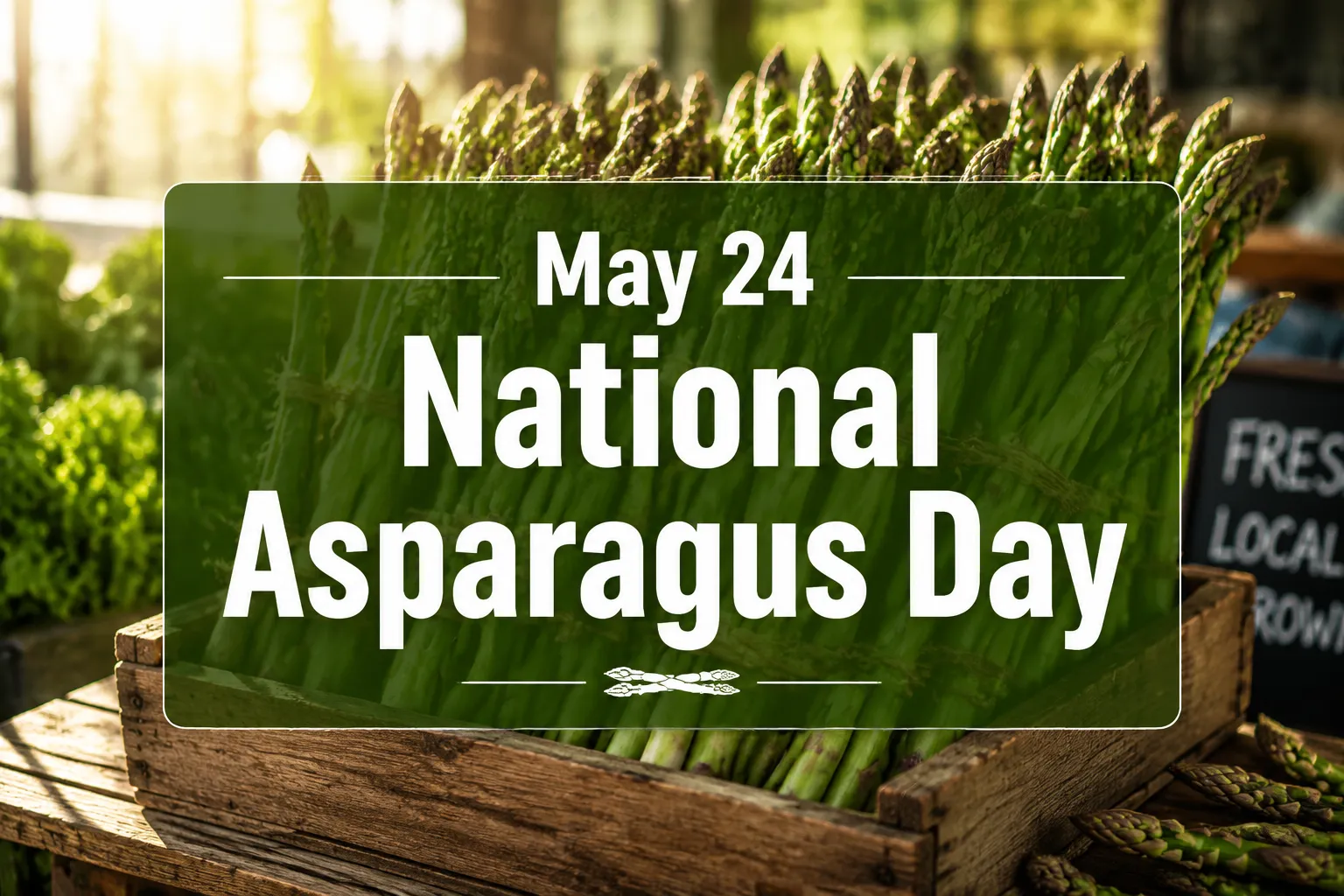
Quick Answer: May 24 National Asparagus Day is an annual food holiday observed every May 24 in the United States that celebrates one of spring’s most prized vegetables. The day encourages home cooks, chefs, and food enthusiasts to prepare, share, and enjoy asparagus in all its forms, from simple roasted spears to elegant restaurant dishes.
Key Takeaways
- May 24 National Asparagus Day falls on May 24 each year, timed to align with peak asparagus harvest season in North America.
- Asparagus is one of the oldest cultivated vegetables, with records of its use dating back to ancient Egypt and Rome.
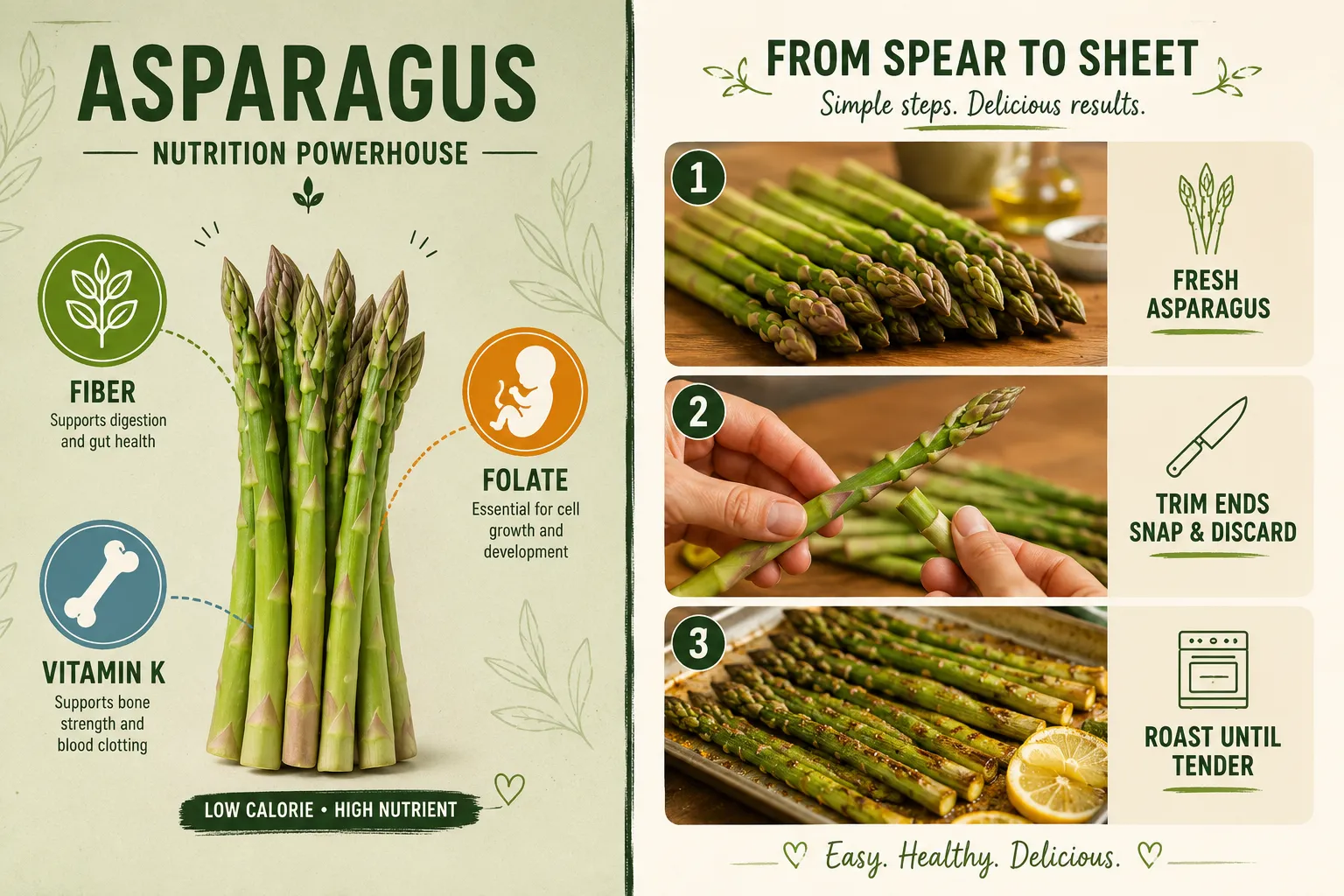
- Fresh asparagus is a nutritional powerhouse: it is low in calories and high in folate, vitamin K, and fiber.
- The best asparagus spears at the store are firm, bright green, and have tightly closed tips.
- Asparagus should be stored upright in water in the refrigerator, similar to fresh-cut flowers, to stay crisp for up to four days.
- The most common cooking mistake is overcooking asparagus, which turns it mushy and dull in color.
- Asparagus can be roasted, grilled, steamed, blanched, or eaten raw in salads.
- National food holidays like this one are a great way to explore new recipes and connect with seasonal eating habits.
What Is National Asparagus Day?
National Asparagus Day is an informal food observance dedicated to celebrating asparagus, one of the most recognizable spring vegetables in American and European cuisine. It gives food lovers a reason to cook with asparagus, share recipes, and appreciate the vegetable’s long culinary history.
The day is part of a broader calendar of national food holidays that highlight individual ingredients and dishes throughout the year. If you enjoy exploring these observances, the national food holidays tag on stillcooking.com is a useful resource for finding similar celebrations.
When Is National Asparagus Day Celebrated?
National Asparagus Day is celebrated on May 24 every year. The timing is intentional: late May falls squarely within peak asparagus season across much of the United States and the United Kingdom, when fresh spears are at their most abundant and affordable.
Asparagus has a relatively short harvest window, typically running from late March through June depending on the region. Celebrating on May 24 ensures the holiday lands when the vegetable is at its best quality in most markets.
Why Is May 24 Asparagus Day?
May 24 was chosen because it coincides with the height of asparagus season in North America. Asparagus is a cool-weather crop that emerges in spring, and by late May, growers across states like Michigan, California, and Washington are at full production.
The United Kingdom has its own strong asparagus culture centered in the Vale of Evesham, where the harvest season is famously celebrated each spring. The alignment of May 24 National Asparagus Day with this natural growing calendar makes the date both practical and symbolic.
“Asparagus season is brief, which makes it precious. A dedicated holiday on May 24 encourages people to take advantage of the freshest produce before the window closes.”
Where Did National Asparagus Day Come From?
The exact origin of National Asparagus Day is not attributed to a single organization or legislative act, which is common for many informal food holidays. Most national food days in the United States grew organically through food industry promotions, regional agricultural groups, and social media communities over the past few decades.
Asparagus itself has a far older and better-documented history. Ancient Egyptians cultivated it as far back as 3000 BCE, and Roman emperors reportedly prized it so highly that they kept special fleets, nicknamed “Asparagus Fleets,” to transport the vegetable quickly. The word “asparagus” traces to the Greek word for “sprout” or “shoot.”
By the 18th century, asparagus was widely grown across Europe and had been introduced to North America. Today, the United States produces asparagus primarily in California, Michigan, and Washington state.
Asparagus Health Benefits
Asparagus is one of the most nutrient-dense vegetables available, and it delivers meaningful health benefits in a small caloric package. A 100-gram serving of cooked asparagus contains roughly 20 calories while providing significant amounts of folate, vitamin K, vitamin C, and dietary fiber.
Key health benefits include:
- Folate support: Asparagus is one of the richest plant sources of folate, a B vitamin critical for cell growth and particularly important during pregnancy.
- Digestive health: The fiber and prebiotic compounds in asparagus, including inulin, feed beneficial gut bacteria.
- Antioxidant content: Asparagus contains glutathione, a potent antioxidant, along with vitamins C and E.
- Bone health: Vitamin K, found in high concentrations in asparagus, plays a key role in bone metabolism.
- Low glycemic impact: Asparagus has minimal effect on blood sugar, making it a good choice for people managing glucose levels.
Asparagus Nutrition Facts
A standard 100-gram serving of cooked asparagus provides approximately:
| Nutrient | Amount per 100g (cooked) |
|---|---|
| Calories | ~20 kcal |
| Protein | ~2.4 g |
| Dietary Fiber | ~2.1 g |
| Folate (B9) | ~149 mcg (37% DV) |
| Vitamin K | ~51 mcg (43% DV) |
| Vitamin C | ~7 mg (8% DV) |
| Potassium | ~224 mg (5% DV) |
Note: Daily Value (DV) percentages are based on a 2,000-calorie diet. Exact values vary by cooking method and asparagus variety.
Asparagus also contains a sulfur compound called asparagusic acid, which is responsible for the well-known effect it has on urine odor. This is harmless and affects only some people due to genetic differences in how the compound is metabolized.
How to Pick Fresh Asparagus at the Store
Fresh asparagus is easy to evaluate at the grocery store or farmers market. Look for these signs of quality:
- Firm, straight spears: Limp or rubbery spears have lost moisture and are past their prime.
- Tightly closed tips: The tips should be compact and dry, not feathery or wet.
- Bright color: Green asparagus should be vivid, not yellowing. Purple and white varieties should look saturated and unblemished.
- Moist cut ends: The base of the bunch should look freshly cut, not dried out or shriveled.
- Consistent thickness: Choose bunches where spears are roughly the same diameter so they cook evenly.
Thin versus thick spears is a matter of preference, not quality. Thin spears are more tender; thick spears have a meatier texture and hold up better on the grill.
Asparagus Storage and Preparation Tips
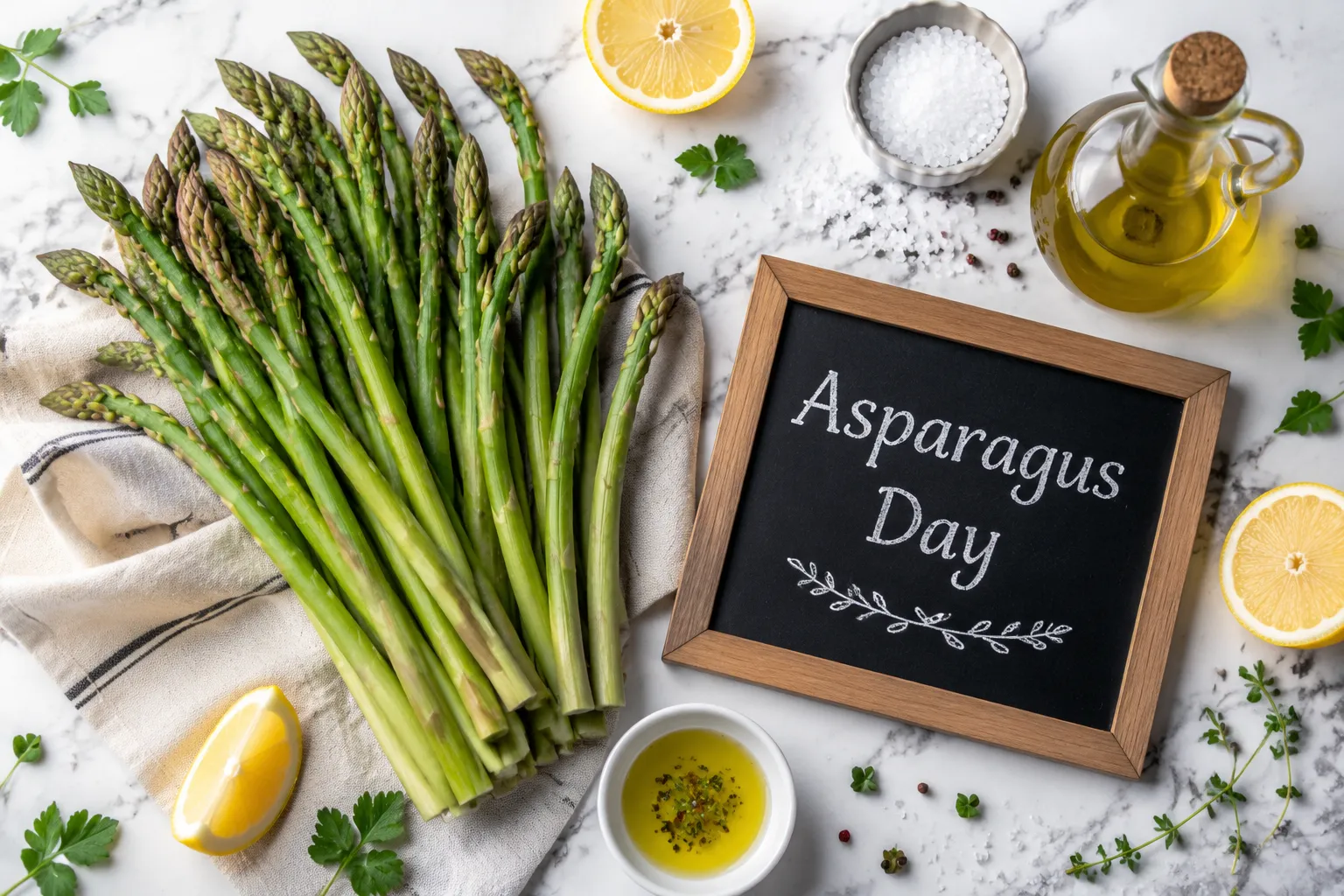
Asparagus loses quality quickly after harvest, so proper storage matters. The best method is to treat it like fresh-cut flowers: trim the ends, stand the bunch upright in a jar or glass with about an inch of cold water, and refrigerate loosely covered with a plastic bag. This keeps asparagus crisp for up to four days.
Preparation steps before cooking:
- Rinse spears under cold running water to remove any grit.
- Snap or cut off the woody ends. The natural snap point is where the spear transitions from tender to tough, usually about one to two inches from the base.
- Pat dry before roasting or grilling to encourage browning rather than steaming.
- For thicker spears, use a vegetable peeler to shave the lower third of the stalk for more even cooking.
How to Cook Asparagus the Right Way
Asparagus is forgiving and fast-cooking, but the method you choose changes the final texture and flavor significantly.
Roasting (most popular): Toss spears in olive oil, salt, and pepper. Spread in a single layer on a baking sheet. Roast at 425°F (220°C) for 10 to 15 minutes, depending on thickness. The tips will crisp slightly and the spears will caramelize.
Grilling: Brush with oil and grill over medium-high heat for 3 to 5 minutes, turning once. Grilling adds a smoky char that pairs well with lemon and Parmesan.
Blanching: Drop spears into boiling salted water for 2 to 3 minutes, then transfer immediately to ice water. This preserves the bright green color and creates a tender-crisp texture ideal for salads or chilled appetizers.
Steaming: Steam for 3 to 5 minutes for a clean, simple result that preserves nutrients well.
Raw: Shaved thin with a peeler, raw asparagus works in salads with citrus dressing and shaved cheese.
Common Mistakes When Cooking Asparagus
The single most common mistake is overcooking. Asparagus goes from perfectly tender to mushy within a minute or two, so timing is critical.
Other mistakes to avoid:
- Skipping the drying step before roasting: Wet spears steam instead of roast, resulting in a soft rather than caramelized texture.
- Crowding the pan: Overlapping spears trap steam. Use two pans if needed.
- Not seasoning the water when blanching: Salted water seasons the asparagus from the inside out.
- Forgetting to trim the ends: Woody ends are fibrous and unpleasant to eat. Always remove them.
- Cooking thick and thin spears together: They finish at different times. Sort by thickness or choose uniform bunches.
Best Asparagus Recipes for Asparagus Day
May 24 National Asparagus Day is the perfect occasion to try a new asparagus preparation. Here are five recipe ideas that range from simple to impressive:
- Roasted asparagus with lemon and Parmesan: The classic. Roast at high heat, finish with fresh lemon zest and shaved Parmesan.
- Asparagus and prosciutto bundles: Wrap small bundles of spears in thin prosciutto and roast until the prosciutto crisps.
- Asparagus frittata: Fold blanched asparagus into a baked egg frittata with goat cheese and fresh herbs.
- Grilled asparagus with romesco sauce: Spanish romesco (roasted red pepper and almond sauce) is a natural partner for grilled spears.
- Asparagus soup: Blend roasted asparagus with vegetable stock, a touch of cream, and lemon for a smooth, elegant first course.
For more inspiration on celebrating food holidays with creative recipes, check out the January 7 National Tempura Day guide for ideas on batter-frying vegetables, or explore the February 3 National Carrot Cake Day article for another vegetable-forward food holiday.
How to Celebrate May 24 National Asparagus Day
Celebrating May 24 National Asparagus Day does not require a special event or elaborate planning. The most meaningful way to mark the day is simply to cook with fresh asparagus and share the experience.
Practical ways to celebrate:
- Visit a local farmers market on or before May 24 to buy fresh, locally grown asparagus.
- Cook a new asparagus recipe and share it on social media using the hashtag #NationalAsparagusDay.
- Host a simple spring dinner where asparagus is the featured ingredient across multiple courses.
- Introduce asparagus to children by serving it as “dipping sticks” with hummus or a yogurt dip.
- Support local growers by choosing regionally sourced asparagus over imported varieties.
- Pair asparagus with a seasonal wine, such as a crisp Sauvignon Blanc or dry Grüner Veltliner, both of which complement the vegetable’s grassy notes.
Food holidays are a low-barrier way to explore seasonal eating. Similar observances like National Pie Day on January 23 and National Blueberry Pancake Day on January 28 follow the same spirit of celebrating specific foods with intention and creativity.
Asparagus vs Other Green Vegetables
Asparagus holds its own nutritionally and culinarily against other popular green vegetables, but each has distinct strengths.
| Vegetable | Calories (per 100g cooked) | Standout Nutrient | Best Use |
|---|---|---|---|
| Asparagus | ~20 kcal | Folate, Vitamin K | Roasting, grilling |
| Broccoli | ~35 kcal | Vitamin C, sulforaphane | Stir-fry, steaming |
| Spinach | ~23 kcal | Iron, Vitamin A | Salads, sauteing |
| Green beans | ~31 kcal | Fiber, Vitamin C | Blanching, roasting |
| Zucchini | ~17 kcal | Potassium, B6 | Grilling, spiralizing |
Asparagus is the best choice when you want a vegetable that roasts or grills beautifully while delivering a strong folate and vitamin K profile. Broccoli edges it out for vitamin C; spinach wins on iron. For a spring dinner plate, asparagus is hard to beat on both flavor and visual appeal.
Fun Facts About Asparagus
Asparagus has a surprisingly rich history and a few genuinely unusual characteristics.
- Asparagus is a perennial plant. Once established, a single asparagus crown can produce spears for 20 to 30 years.
- White asparagus, popular in Germany and the Netherlands, is the same plant as green asparagus. It is grown underground or under covers to prevent photosynthesis, which keeps it pale.
- The Roman Emperor Augustus reportedly coined the phrase “velocius quam asparagi conquantur” (faster than you can cook asparagus) to mean “do it quickly,” suggesting the vegetable was a common reference point in ancient Rome.
- Michigan was historically the largest asparagus-producing state in the U.S. and still hosts the National Asparagus Festival each June in Oceana County.
- Asparagus is one of the few vegetables that is also a natural diuretic, which is partly why it affects urine odor so noticeably.
- It takes three years from planting an asparagus crown before the first full harvest can be taken, which is why fresh local asparagus commands a premium price.
For more food holiday discoveries throughout the year, browse the full food holidays category on stillcooking.com.
FAQ
What date is National Asparagus Day? National Asparagus Day is observed on May 24 every year in the United States.
Is National Asparagus Day an official holiday? No. It is an informal food observance, not a federally recognized or legislated holiday. It is celebrated voluntarily by food enthusiasts, restaurants, and agricultural groups.
Why does asparagus make urine smell? Asparagus contains asparagusic acid, which breaks down into sulfur-containing compounds during digestion. Not everyone detects the odor because the ability to smell it is genetically determined.
What is the best way to store fresh asparagus? Stand trimmed asparagus upright in a glass with about one inch of cold water and refrigerate loosely covered. This method keeps spears fresh for up to four days.
Can you eat asparagus raw? Yes. Thin asparagus spears can be shaved with a vegetable peeler and eaten raw in salads. Raw asparagus has a crisp texture and a mildly grassy flavor.
What is the difference between green, white, and purple asparagus? All three are the same species. Green asparagus grows in sunlight and develops chlorophyll. White asparagus is grown without light to prevent color development. Purple asparagus gets its color from anthocyanins and tends to be slightly sweeter and more tender.
How long does asparagus take to cook? Roasting at 425°F takes 10 to 15 minutes. Blanching takes 2 to 3 minutes. Grilling takes 3 to 5 minutes. Steaming takes 3 to 5 minutes. Thin spears always cook faster than thick ones.
What wines pair well with asparagus? Sauvignon Blanc, Grüner Veltliner, and dry Riesling are classic pairings. Their herbaceous and citrus notes complement asparagus’s grassy flavor without clashing with it.
Is asparagus good for weight loss? Asparagus is low in calories (about 20 per 100g cooked), high in fiber, and filling. It fits well into calorie-conscious eating patterns, though no single food drives weight loss on its own.
When is asparagus season in the U.S.? Asparagus season in the United States typically runs from late March through June, with peak availability in April and May depending on the growing region.
How do I know if asparagus has gone bad? Spoiled asparagus will be limp, slimy, or have a strong unpleasant odor. Tips that have turned mushy or yellowed significantly are past their best and should be discarded.
Conclusion
May 24 National Asparagus Day is more than a quirky calendar entry. It is a well-timed reminder to take advantage of one of spring’s most nutritious and versatile vegetables while it is at peak freshness. Asparagus delivers impressive nutritional value, responds beautifully to simple cooking methods, and has a culinary history stretching back thousands of years.
Actionable next steps for May 24, 2026:
- Visit a local farmers market or grocery store before May 24 and choose a fresh, firm bunch of asparagus with tightly closed tips.
- Pick one new recipe from the suggestions above and cook it on the day.
- Share your dish on social media with #NationalAsparagusDay to join the broader conversation.
- If you have children or picky eaters at home, try serving asparagus as dipping sticks with a simple sauce to make the vegetable approachable.
- Explore other seasonal food holidays throughout the year to build a habit of cooking with fresh, in-season ingredients.
For more food holiday guides and seasonal recipe ideas, explore the national food observances archive at stillcooking.com.