
Last updated: November 16, 2026
Quick Answer
November 16 Whole Grain Day, formally known as International Whole Grain Day, is an annual mid-November awareness event organized by the Whole Grain Initiative (WGI) and coordinated by ICC (International Association for Cereal Science and Technology). It was first held on November 19, 2019, at the European Parliament in Brussels, and has grown into a global observance that brings together nutrition scientists, policymakers, food producers, and consumers to highlight the health and sustainability benefits of eating whole grains. [1][2]
Key Takeaways
International Whole Grain Day falls in mid-November each year; the 2026 edition (the 8th annual event) is anchored by a breakfast debate at the European Parliament on November 17, 2026. [1]
The observance was launched in 2019 by the Whole Grain Initiative, coordinated by ICC. [2]
The day advocates for stronger whole grain representation in national dietary guidelines and public health policy. [3]
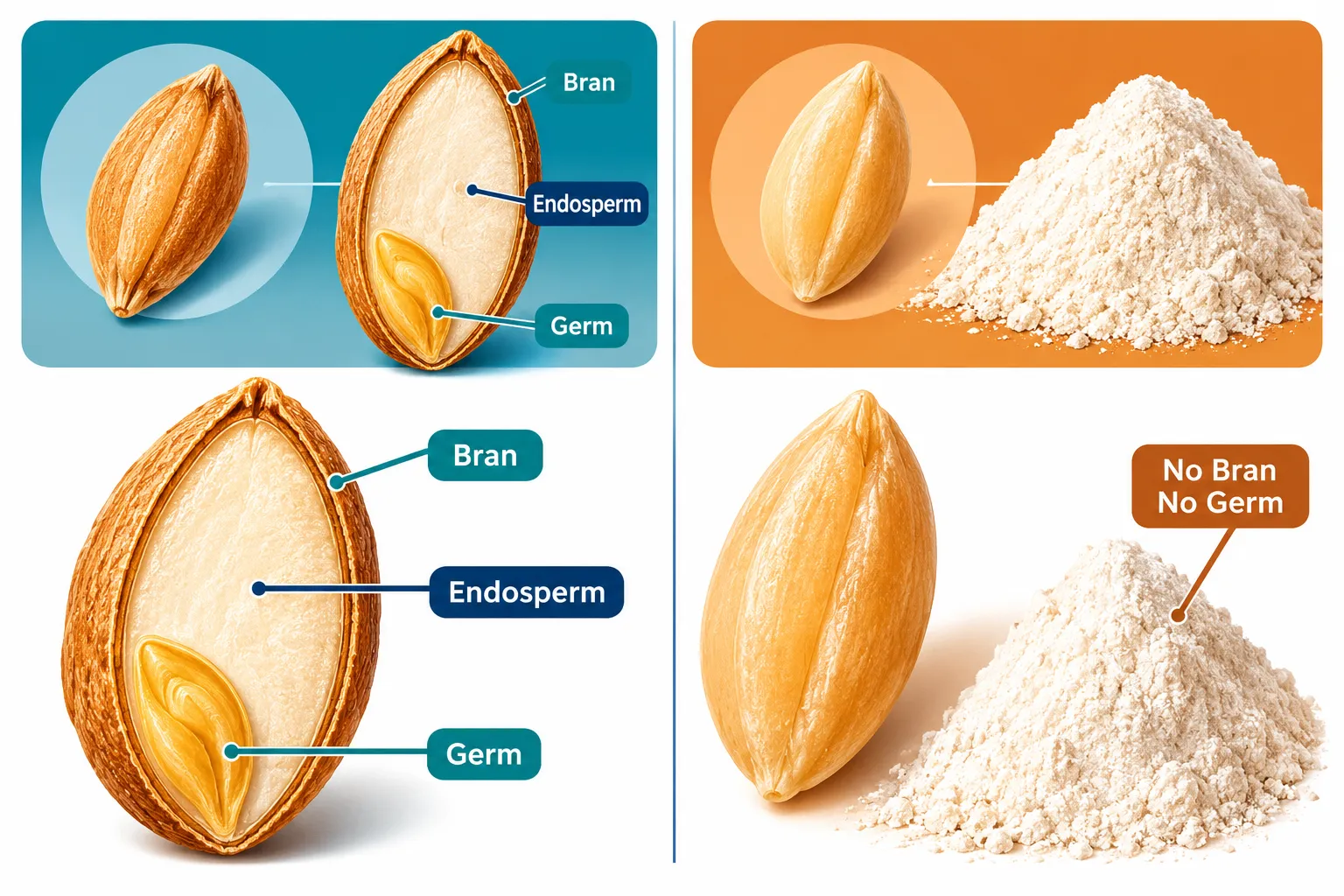
A whole grain contains all three parts of the kernel: bran, germ, and endosperm. Refined grains keep only the endosperm.
Dietary guidelines in many countries recommend making at least half of all grains consumed whole grains.
Whole grains are linked to reduced risks of heart disease, type 2 diabetes, and certain cancers, according to major health bodies.
Gluten-free whole grains (such as brown rice, quinoa, and buckwheat) exist for people with celiac disease.
Children can safely eat whole grains; they are encouraged as part of balanced diets for all age groups.
Reading labels carefully is essential, “wheat bread” or “multigrain” does not automatically mean whole grain.
The event is celebrated globally, not just in the United States or Europe. [4]
What Is Whole Grain Day and Why Is It November 16?
International Whole Grain Day is a worldwide awareness campaign that highlights the nutritional, environmental, and policy dimensions of whole grain consumption. The date shifts slightly each year but consistently lands in mid-November, November 19 in 2019, November 16 in 2021, and November 17 in 2026, making “November 16 Whole Grain Day” the most widely recognized shorthand for the annual observance. [1][2][3]
The first event was hosted at the European Parliament in Brussels on November 19, 2019, in partnership with Finnish MEP Elsi Katainen, Vice-Chair of the Agriculture Committee. [2] That inaugural gathering set the template: a policy-facing event designed to push whole grains into legislative conversations, not just consumer awareness campaigns.
The Whole Grain Initiative coordinates the event under the umbrella of ICC and has grown it into what it now calls the 8th International Whole Grain Day for 2026, confirming an unbroken annual run since 2019. [1] Support from institutions including ICRISAT (International Crops Research Institute for the Semi-Arid Tropics) reflects engagement beyond Europe, drawing in agricultural research organizations focused on dryland crops and global food systems. [4]
Why mid-November? No single public statement pins the date to a specific symbolic reason. The timing aligns with harvest seasons in the Northern Hemisphere and positions the event ahead of major end-of-year dietary conversations, making it a logical moment to influence policy agendas.
What Counts as a Whole Grain?
A whole grain is any grain that retains all three naturally occurring parts of the kernel: the bran (outer layer, rich in fiber and B vitamins), the germ (nutrient-dense core that contains healthy fats and antioxidants), and the endosperm (starchy interior). Removing any of these parts produces a refined grain.
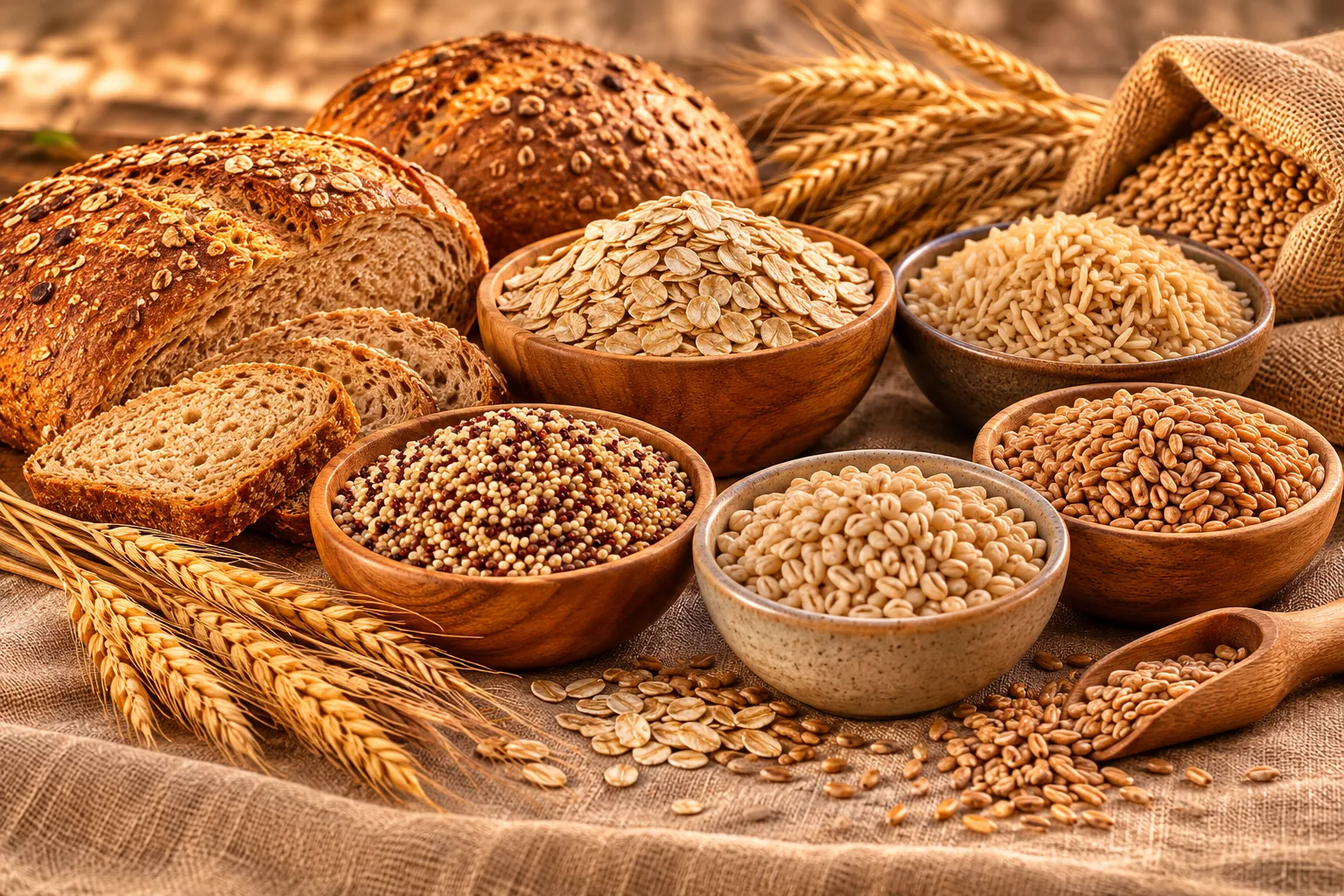
Common whole grains include:
Whole wheat (and whole wheat flour)
Brown rice and black rice
Oats and oatmeal (rolled, steel-cut, or whole oat groats)
Quinoa
Barley (hulled or hull-less, not pearled)
Farro and spelt
Buckwheat
Millet
Sorghum
Corn (whole grain cornmeal, popcorn)
Rye (whole rye or dark rye flour)
Edge case: Pearled barley has had its bran removed and is not technically a whole grain, even though it is often marketed alongside wholesome foods. Always check that “whole” appears before the grain name on the ingredient list.
Whole Grains vs. Refined Grains: What Is the Difference?
Refined grains have been milled to remove the bran and germ, leaving only the starchy endosperm. This extends shelf life and creates a smoother texture, but strips out most of the fiber, B vitamins, iron, and antioxidants. White bread, white rice, and standard pasta are refined grain products.
FeatureWhole GrainRefined GrainBran presentYesNoGerm presentYesNoFiber contentHighLowB vitaminsNaturally occurringOften added back (enriched)Glycemic impactLowerHigherShelf lifeShorterLonger
Enriched refined grains have some nutrients added back after milling, but the fiber and many phytochemicals are not fully restored. Whole grains provide those benefits in their natural, intact form.
Health Benefits of Eating Whole Grains
Whole grains are associated with meaningful reductions in chronic disease risk. Major health organizations, including the World Health Organization and national dietary advisory bodies in the US and EU, recommend whole grains as a dietary staple.
Key evidence-backed benefits include:
Heart health: Regular whole grain consumption is linked to lower LDL cholesterol and reduced cardiovascular disease risk.
Blood sugar regulation: The fiber and complex carbohydrates in whole grains slow glucose absorption, supporting better glycemic control.
Digestive health: Dietary fiber from bran promotes healthy gut bacteria and regular digestion.
Weight management: High-fiber foods increase satiety, which can support healthy weight maintenance.
Cancer risk reduction: Some studies associate higher whole grain intake with lower risk of colorectal cancer.
The Whole Grain Initiative frames the day around both personal health and planetary health, noting that grain-based foods generally carry a lower environmental footprint than animal-based proteins, connecting whole grain advocacy to broader sustainability goals. [1][3]
How Much Whole Grain Should You Eat Per Day?
The standard recommendation in U.S. dietary guidelines is to make at least half of all grains consumed whole grains, which translates to roughly 3 ounces (about 85 grams) of whole grains per day for most adults. One ounce-equivalent equals one slice of whole grain bread, half a cup of cooked oatmeal or brown rice, or one cup of whole grain cereal.
Children need smaller amounts scaled to their caloric needs, but whole grains are appropriate and encouraged for all ages above infancy.
Choose whole grains if you are trying to increase fiber intake, manage blood sugar, or reduce processed food consumption. If you are new to whole grains, increase servings gradually to let your digestive system adjust.
How to Tell If Something Is Really Whole Grain
Marketing language on food packaging is frequently misleading. Here is how to verify a product is genuinely whole grain:
Check the ingredient list first. The first ingredient should include the word “whole”, for example, “whole wheat flour” or “whole grain oats.”
Avoid misleading terms. “Wheat bread,” “multigrain,” “stone-ground,” and “7-grain” do not guarantee whole grain content.
Look for certification stamps. The Whole Grains Council’s Whole Grain Stamp (a 100% stamp or basic stamp) indicates verified whole grain content.
Check the fiber content. A meaningful whole grain serving typically provides at least 2-3 grams of dietary fiber per serving.
Ingredient order matters. If “enriched white flour” appears before “whole wheat flour,” the product is mostly refined grain.
Common mistake: Assuming dark-colored bread means whole grain. Caramel coloring or molasses can darken bread made primarily from refined flour.
Best Whole Grain Foods to Eat and Easy Whole Grain Recipes
The most accessible whole grain foods for everyday cooking include rolled oats, whole wheat bread, brown rice, whole grain pasta, and popcorn. For more variety, farro, quinoa, and barley add texture and depth to salads, soups, and stews.
A few practical starting points:
Breakfast: Steel-cut oats or whole grain toast with nut butter. If you enjoy pancakes, using whole wheat flour is a simple swap, the 227 Pancake Cookbook offers ideas for building on that base.
Lunch: Whole grain wraps or sandwiches; farro or quinoa grain bowls with vegetables.
Dinner: Brown rice or barley as a base for stews. The 457 Stew Cookbook includes hearty recipes where whole grains pair naturally with vegetables and proteins.
Snacks: Air-popped popcorn, whole grain crackers, or oat-based energy bites.
For those exploring whole grains in baking and cooking, the 928 Easy Cookbook provides straightforward recipes suited to everyday meal preparation.
If you want to broaden your grain-based cooking repertoire further, homemade recipes are a good resource for building meals around pantry staples including whole grains.
Where to Buy Whole Grains
Whole grain products are widely available in mainstream grocery stores, health food stores, and online retailers. Most supermarkets stock:
Packaged grains: Rolled oats, brown rice, quinoa, and whole grain pasta in the dry goods aisle.
Breads: Look for “100% whole wheat” or certified whole grain labels in the bakery section.
Cereals: Many breakfast cereals contain whole grains, though sugar content varies widely, read the label.
Bulk bins: Natural food stores often sell whole grain varieties (farro, millet, amaranth, buckwheat) by weight, which reduces cost and packaging waste.
Online specialty retailers offer a broader range of ancient grains and heritage varieties that may not be stocked locally. Farmers’ markets in grain-producing regions sometimes carry freshly milled whole grain flours.
Is Whole Grain Day Celebrated Outside the US?
Yes. International Whole Grain Day is explicitly a global event, not a US-only observance. The organizing body, the Whole Grain Initiative, operates internationally, and the flagship events have been held at the European Parliament in Brussels. [1][2] ICRISAT, an African and Asian agricultural research institution, lists International Whole Grain Day as a global event, reflecting engagement from regions where sorghum, millet, and other whole grains are dietary staples. [4]
The event’s policy focus, pushing for whole grains in national dietary guidelines, means its reach spans the EU, Asia, Africa, and the Americas. The 2021 event under the theme “Whole Grain: It’s Time To Act For You And The Planet” drew participation from multiple continents. [3]
Whole Grain Myths and Misconceptions
Myth 1: Whole grains are always heavy or dense.
Many whole grain products, from light whole wheat sandwich bread to fluffy whole grain muffins, have fine textures. Milling and baking techniques have improved significantly.
Myth 2: Gluten-free means grain-free.
Many grains are naturally gluten-free (see below). “Gluten-free” refers to the absence of gluten proteins, not the absence of grain.
Myth 3: Whole grains spike blood sugar just like white bread.
Whole grains have a meaningfully lower glycemic index than their refined counterparts due to their fiber and intact kernel structure.
Myth 4: Oats are not a true whole grain.
Rolled oats and steel-cut oats are whole grains. Instant oats that are plain (no added sugar) remain a whole grain food.
Myth 5: You need to eat exotic grains to benefit.
Oatmeal and whole wheat bread, two of the most common and affordable foods globally, deliver strong whole grain benefits.
Can Kids Eat Whole Grains Safely?
Yes. Whole grains are safe and beneficial for children beyond infancy. Pediatric dietary guidance in the US, EU, and most national health systems encourages whole grains as part of a balanced diet for children of all ages.
For toddlers, softer preparations work best: cooked oatmeal, soft whole grain bread, or well-cooked brown rice. School-age children can eat the full range of whole grain foods adults consume. Whole grains support healthy digestive function, provide steady energy, and contribute B vitamins and minerals important for growth.
Note: Introduce high-fiber foods gradually with adequate fluid intake to avoid digestive discomfort in young children moving from low-fiber diets.
Whole Grains for People with Celiac Disease
People with celiac disease or non-celiac gluten sensitivity must avoid wheat, barley, and rye, but several whole grains are naturally gluten-free and safe to eat:
Brown rice
Quinoa
Buckwheat
Millet
Sorghum
Amaranth
Certified gluten-free oats (cross-contamination is a concern with standard oats)
Teff
Corn (whole grain)
Critical edge case: Even naturally gluten-free grains can be contaminated with gluten during processing. People with celiac disease should choose products certified gluten-free by a recognized third party. The 101 Chickpea Cookbook explores legume-based cooking that pairs well with gluten-free whole grains for added protein and variety.
How November 16 Whole Grain Day Connects to Global Food Policy
International Whole Grain Day is designed as a policy platform, not just a consumer campaign. ICC and WGI communications consistently call on governments and health agencies to include whole grain recommendations in national dietary guidelines and non-communicable disease prevention strategies. [3]
The 2026 flagship event, a breakfast debate at the European Parliament in Brussels on November 17, 2026, running from 09:30 to 11:00 with both in-person and online participation, reflects this legislative focus. [1] With backing from organizations including WHO, FAO, and agricultural research institutions, analysts expect the event to continue evolving toward formal integration in public health policy frameworks in the years ahead.
The Whole Grains Council became an official member of the International Whole Grains Initiative after attending the Vienna Whole Grain Summit in November 2017, signaling that the movement had transitioned from advocacy to institutional coordination. [5]
Conclusion
November 16 Whole Grain Day is a credible, science-backed annual observance with roots in European policy and growing global reach. Whether the goal is personal nutrition improvement, recipe exploration, or understanding food labeling, the day offers a practical prompt to act.
Actionable next steps for 2026:
Audit your pantry. Swap one refined grain product (white rice, white bread, regular pasta) for a whole grain equivalent this week.
Read ingredient labels carefully. Confirm “whole” appears first in the grain ingredient before buying.
Try one new whole grain. Farro, millet, or sorghum are affordable and easy to cook.
Follow the Whole Grain Initiative’s November 17 event online if policy and nutrition science interest you.
If you have celiac disease, explore certified gluten-free whole grains like quinoa, teff, and brown rice as dietary staples.
Small, consistent changes in grain choices compound over time into meaningful health outcomes. November 16 Whole Grain Day is as good a date as any to start.
FAQ
What is November 16 Whole Grain Day?
It is the common name for International Whole Grain Day, an annual mid-November event organized by the Whole Grain Initiative and ICC to raise awareness of the health and sustainability benefits of whole grains globally. [1]
When did International Whole Grain Day start?
The first International Whole Grain Day was held on November 19, 2019, at the European Parliament in Brussels. [2]
Who organizes International Whole Grain Day?
The Whole Grain Initiative (WGI), coordinated by ICC (International Association for Cereal Science and Technology), organizes the event each year. [1]
Is November 16 Whole Grain Day a public holiday?
No. It is an awareness observance and policy event, not a public holiday.
What is the 2026 International Whole Grain Day event?
The 8th International Whole Grain Day in 2026 features a hybrid breakfast debate at the European Parliament in Brussels on November 17, 2026, from 09:30 to 11:00. [1]
What makes a grain “whole”?
A whole grain retains all three parts of the kernel: the bran, germ, and endosperm. Any grain that has had one or more of these layers removed is considered refined.
How many servings of whole grains should adults eat daily?
Most dietary guidelines recommend at least three servings (roughly 3 ounce-equivalents) of whole grains per day for adults, making at least half of all grain intake whole grain.
Can you eat whole grains if you are gluten intolerant?
Yes. Many whole grains are naturally gluten-free, including brown rice, quinoa, buckwheat, millet, sorghum, and amaranth. Choose certified gluten-free products to avoid cross-contamination.
Is “multigrain” the same as whole grain?
No. “Multigrain” means more than one type of grain was used. Those grains may all be refined. Look for “100% whole grain” or “whole wheat” as the first ingredient.
Is popcorn a whole grain?
Yes. Plain air-popped popcorn is a whole grain food.
Where is the best place to buy whole grains?
Mainstream grocery stores, health food stores, and online retailers all carry whole grain products. Bulk bins at natural food stores often offer the widest variety at the lowest cost.
How is International Whole Grain Day different from US food holidays?
International Whole Grain Day is a policy-oriented global event coordinated by an international scientific body, whereas most US food holidays are informal, consumer-driven observances without institutional backing.
References
International Whole Grain Day 2026. wholegraininitiative.org.
19th November Is International Whole Grain Day. icc.or.at.
IWGD Press Release 2021. wholegraininitiative.org.
International Whole Grain Day. icrisat.org.
History Accomplishments. wholegrainscouncil.org.