January 13 National Gluten-Free Day: History, How to Celebrate & What to Know in 2026
- 0
- 11 Min Read
Last updated: January 13 , 2026
Quick Answer: January 13 National Gluten-Free Day is an annual food holiday observed every January 13 to raise awareness about gluten-free living, celiac disease, and non-celiac gluten sensitivity. In 2026, the day falls on a Tuesday and serves as both a celebration and an education opportunity for millions of Americans who follow a gluten-free diet.
Key Takeaways
- National Gluten-Free Day is observed on January 13 each year, making it one of the most health-focused food holidays in January.
- Celiac disease affects approximately 1 in 100 people worldwide, according to the Celiac Disease Foundation.
- An estimated 6% of Americans experience non-celiac gluten sensitivity, a separate condition from diagnosed celiac disease.
- Naturally gluten-free foods include fruits, vegetables, meat, fish, rice, and legumes.
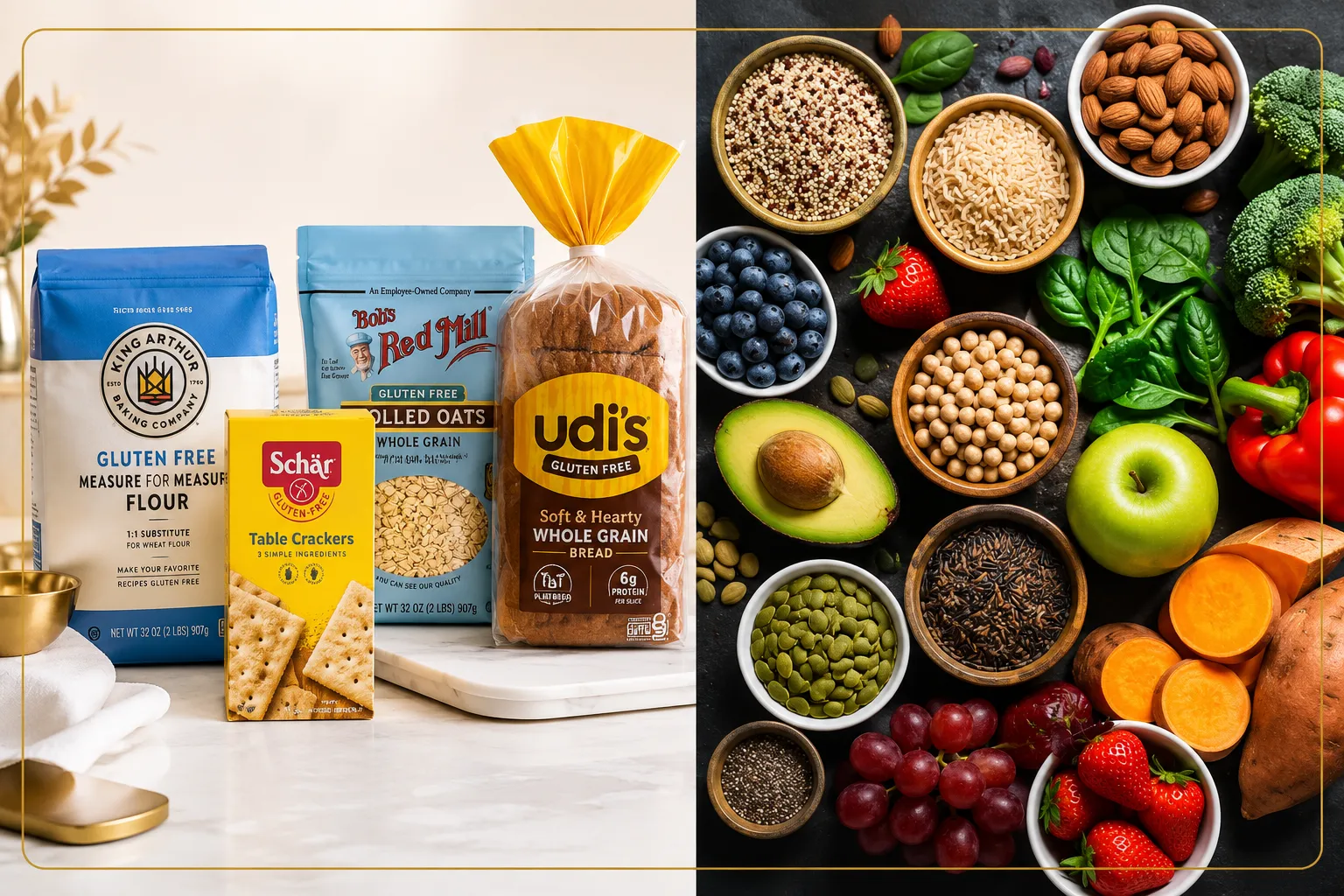
- Top brands supporting the gluten-free community include Bob’s Red Mill, Udi’s Gluten Free, Schar, King Arthur Baking Company, and Whole Foods Market.
- Businesses, creators, and individuals can all participate by sharing recipes, running promotions, or posting on Instagram and other platforms.
- National Gluten-Free Day is distinct from National Gluten-Free Month, which is observed in January as a whole.

What Is National Gluten-Free Day?
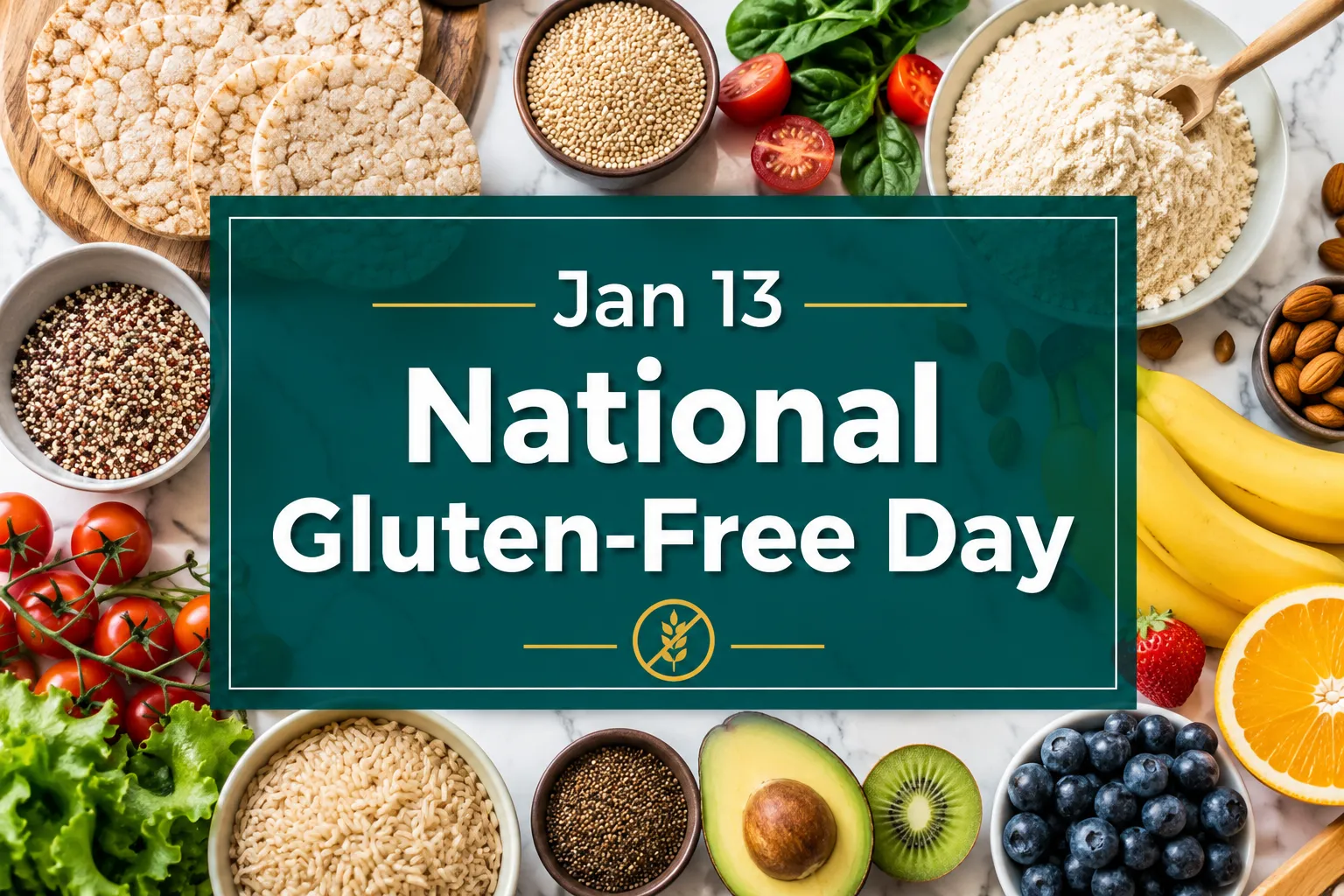
National Gluten-Free Day is an annual observance on January 13 dedicated to spreading education about gluten-free living and supporting people with celiac disease or gluten sensitivity. The day encourages everyone, whether medically required to avoid gluten or simply curious about the diet, to learn more, try gluten-free products, and share that knowledge with others.
The holiday is tracked by national day calendars and recognized by organizations like the Celiac Disease Foundation, which works year-round to advance celiac disease research and public education. It sits alongside a full calendar of January national days that highlight food, health, and culture throughout the month.
- Who it’s for: People with diagnosed celiac disease, those with gluten sensitivity, and anyone curious about a gluten-free diet.
- Why it matters: It drives public education and encourages brands to spotlight gluten-free products.
- Related observance: January is also recognized informally as a gluten-free awareness month in some health circles.
Why Is January 13 Gluten-Free Day? The History Behind the Date
January 13 was established as National Gluten-Free Day to give the gluten-free community a dedicated moment of national visibility at the start of the year. The exact founding is attributed to awareness advocates and food bloggers who wanted a specific calendar anchor, similar to how other food holidays gained traction through social media and national day registries.
A key historical figure in understanding gluten-related disease is Dr. Samuel Gee, a 19th-century British physician who first described celiac disease symptoms in 1888, long before gluten was identified as the cause. His early work laid the foundation for modern celiac disease research. Today, the Celiac Disease Foundation and the Gluten Intolerance Group continue that legacy through ongoing education campaigns.
The day is listed on National Today and similar national day calendar platforms, helping it reach a broad audience each January. If you enjoy tracking food observances, explore the full list of national food holidays to plan your year.
How to Celebrate National Gluten-Free Day
Celebrating January 13 National Gluten-Free Day is straightforward: try a gluten-free recipe, support a gluten-free brand, or share educational content about celiac disease and gluten sensitivity.
For individuals:
- Cook a naturally gluten-free meal using rice, quinoa, or legumes as a base.
- Try a new gluten-free product from brands like Schar or Udi’s Gluten Free.
- Read about celiac disease on the Celiac Disease Foundation website to deepen your education.
For creators:
- Post a gluten-free recipe on Instagram with the hashtag #NationalGlutenFreeDay.
- Share a short video on TikTok about hidden sources of gluten in everyday food.
- Write a Facebook post explaining the difference between celiac disease and gluten sensitivity.
For brands:
- Offer limited-time deals on gluten-free products to mark the holiday.
- Partner with gluten-free advocacy groups for co-branded education content.
- Highlight your gluten-free certification on packaging and in social media posts.
The day also connects naturally to other January food holidays, for example, National Spaghetti Day on January 4 is a great occasion to explore gluten-free pasta alternatives.
Top Brands for National Gluten-Free Day
Several brands have become central to the gluten-free community and are worth spotlighting on this national day. Each offers a range of gluten-free products that make the diet more accessible.
| Brand | Known For |
|---|---|
| Bob’s Red Mill | Gluten-free flours, oats, and baking mixes |
| Udi’s Gluten Free | Bread, muffins, and frozen foods |
| Schar | European-style gluten-free breads and crackers |
| King Arthur Baking Company | Premium gluten-free baking mixes and flours |
| Whole Foods Market | Wide in-store and online gluten-free product selection |
King Arthur Baking Company is particularly respected for its gluten-free flours and detailed baking guides. Whole Foods Market stocks hundreds of certified gluten-free products across its stores. For baking inspiration, also check out baking resources at stillcooking.com.
Gluten-Free vs. Celiac Disease: What Is the Difference?
Celiac disease is an autoimmune condition triggered by gluten that damages the small intestine, while non-celiac gluten sensitivity causes similar symptoms without the autoimmune response or intestinal damage. Not everyone who follows a gluten-free diet has diagnosed celiac disease.
- Celiac disease: An autoimmune disease where gluten consumption causes the immune system to attack the small intestine lining. Affects about 1 in 100 people globally.
- Non-celiac gluten sensitivity: Symptoms like bloating, fatigue, and brain fog after eating gluten, but no intestinal damage. Estimated to affect 6% of Americans.
- Wheat allergy: An immune response to wheat proteins specifically, distinct from both conditions above.
People with celiac disease must follow a strict gluten-free diet for life. Those with gluten sensitivity may have more flexibility, but many still benefit from reducing gluten intake. National Gluten-Free Day raises awareness about all three groups.
What Foods Are Naturally Gluten-Free?
Naturally gluten-free foods are those that contain no gluten-containing grains like wheat, barley, or rye in their natural state. These include fruits, vegetables, meat, poultry, fish, dairy, rice, corn, quinoa, and legumes.
Common naturally gluten-free foods:
- Fresh fruits and vegetables
- Plain meat, poultry, and seafood
- Eggs and most dairy products
- Rice, quinoa, millet, and buckwheat
- Beans, lentils, and chickpeas
- Nuts and seeds
Watch out for: Processed foods, sauces, soups, and condiments often contain hidden gluten from found grains like wheat used as thickeners or fillers. Soy sauce, malt vinegar, and many salad dressings are common hidden sources.
The Natural Gourmet Center and similar culinary education institutions, including the Institute of Culinary Education, have long incorporated gluten-free cooking into their curricula, reflecting growing demand for this knowledge in professional kitchens.
Gluten-Free Baking Tips for Beginners
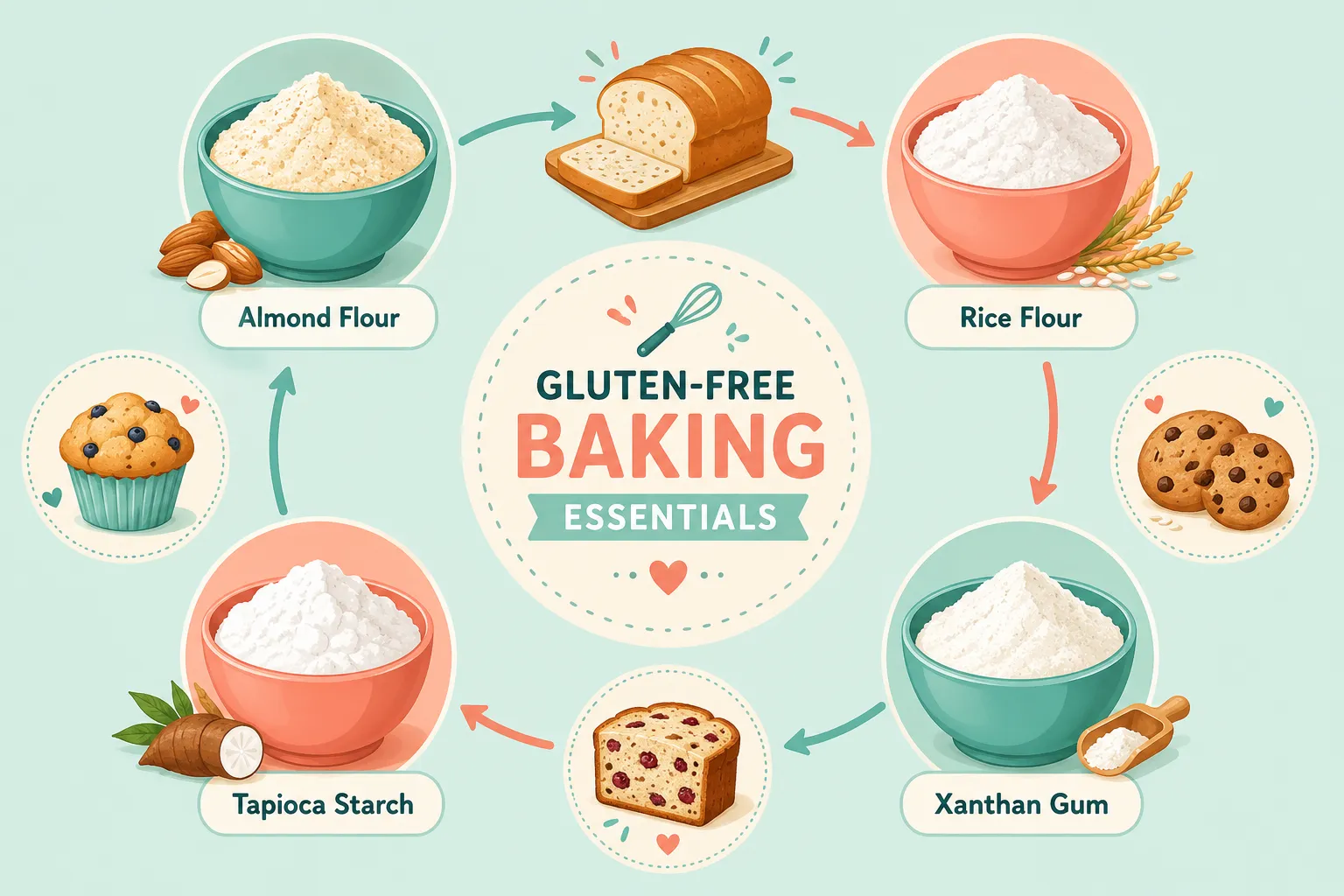
Gluten-free baking requires different techniques than conventional baking because gluten-free flours lack the protein structure that gives bread and pastries their texture. The key is combining multiple gluten-free flours and adding a binder like xanthan gum.
Starter tips for gluten-free baking:
- Use a blend of gluten-free flours (rice flour + tapioca starch + potato starch) rather than a single flour.
- Add xanthan gum or psyllium husk to mimic the binding properties of gluten.
- Let batters rest for 10-15 minutes before baking to allow the flours to hydrate.
- Use a kitchen scale for accuracy, gluten-free flours vary significantly in density.
- Start with a tested recipe from King Arthur Baking Company before experimenting.
The Arthur Baking Company’s gluten-free guides are among the most reliable resources available today for home bakers. For more baking ideas, browse baking content at stillcooking.com.
Expected National Gluten-Free Day Deals and Social Media Tips
On National Gluten-Free Day, many gluten-free brands offer promotions, and social media activity spikes significantly. Searching “National Gluten-Free Day 2026” on Instagram, TikTok, and Facebook on January 13 will surface deals, recipes, and education content from both brands and individual creators.
Platform guide for National Gluten-Free Day:
- Instagram: Search #NationalGlutenFreeDay and #GlutenFreeDay to find recipes, product reviews, and brand promotions. Brands like Schar and Udi’s Gluten Free typically share discount codes.
- TikTok: Short recipe videos and “what I eat in a day” gluten-free content perform well on this holiday.
- Facebook: Community groups centered on celiac disease and gluten-free living are especially active on Jan 13, sharing education resources and personal stories.
Businesses can amplify their reach by tagging the Celiac Disease Foundation and Gluten Intolerance Group in posts to align with credible health organizations. National Today also aggregates content on this day, making it a strong search traffic opportunity for brands.
National Gluten-Free Day Timeline
- 1888: Dr. Samuel Gee publishes the first clinical description of celiac disease symptoms in children.
- 1950s: Dutch physician Willem-Karel Dicke identifies gluten as the trigger for celiac disease.
- 1972: The Gluten Intolerance Group is founded in the United States to support the gluten-free community.
- 1990s, 2000s: The gluten-free diet gains mainstream attention as celiac disease diagnosis rates rise.
- 2010s: National Gluten-Free Day becomes an established January 13 observance, amplified by social media.
- 2026: National Gluten-Free Day continues to grow, with more brands, restaurants, and health organizations participating each year.
Is a Gluten-Free Diet Healthier for Everyone?
A gluten-free diet is medically necessary for people with diagnosed celiac disease or confirmed gluten sensitivity, but it is not inherently healthier for people without these conditions. In fact, some gluten-free products are higher in sugar, fat, and calories than their conventional counterparts.
For people without celiac disease or gluten sensitivity, removing gluten from the diet offers no proven health benefit, according to Harvard Health Publishing. However, many people report feeling better on a gluten-free diet because they are incidentally eating more whole, natural foods and fewer processed items.
Bottom line: Follow a gluten-free diet if you have a medical reason to do so. If you are curious about it, consult a healthcare provider before making permanent dietary changes.
How Businesses Can Celebrate National Gluten-Free Day
Businesses can use January 13 National Gluten-Free Day to connect with the gluten-free community through product promotions, education content, and partnerships with advocacy organizations.
Actionable steps for businesses:
- Launch a one-day discount on gluten-free products and announce it on social media the week before Jan 13.
- Create a blog post or video about your gluten-free certification process to build trust.
- Partner with the Celiac Disease Foundation or Gluten Intolerance Group for co-branded education campaigns.
- Train staff on gluten-free preparation protocols if you operate a restaurant or food service business.
- Use the day as a search traffic opportunity by publishing content optimized for “National Gluten-Free Day 2026” and related terms.
Restaurants can also highlight naturally gluten-free menu items and clearly label dishes to help people with celiac disease dine safely. The Celiac Disease Foundation’s restaurant program provides guidance for food service operators.
FAQ: National Gluten-Free Day
What day is National Gluten-Free Day?
National Gluten-Free Day is observed every year on January 13. In 2026, it falls on a Tuesday. The holiday is listed on national day calendars including National Today and is recognized by gluten-free advocacy organizations. Mark your calendar for Jan 13 each year to participate in education, promotions, and community events.
What is celiac poo like?
Celiac disease often causes pale, loose, or greasy stools that may float due to fat malabsorption. This occurs because gluten damages the small intestine’s lining, reducing the body’s ability to absorb nutrients properly. Diarrhea, bloating, and foul-smelling stools are common symptoms of undiagnosed or untreated celiac disease. A strict gluten-free diet typically resolves these symptoms over time.
Can a celiac kiss a non-celiac?
Yes, but with some caution. If a non-celiac person has recently eaten gluten-containing food, trace amounts of gluten can transfer through saliva during kissing, which may trigger a reaction in someone with celiac disease. Most celiac experts recommend that the non-celiac partner brush their teeth or rinse their mouth before kissing if they have recently consumed gluten-containing foods.
Why does celiac count as a disability?
Celiac disease can qualify as a disability under laws like the Americans with Disabilities Act (ADA) and the UK Equality Act because it substantially limits major life activities, including eating and digestion, when left unmanaged. The condition requires lifelong dietary management and can cause serious health complications if gluten is consumed. This legal recognition helps people with celiac disease access workplace accommodations and protections in educational settings under higher education and private postsecondary education regulations.
Conclusion: Make January 13 Count
January 13 National Gluten-Free Day is more than a food holiday, it is a national moment for education, community, and health awareness. Whether you have diagnosed celiac disease, follow a gluten-free diet by choice, or simply want to learn more about gluten sensitivity, today is the right day to take action.
Actionable next steps:
- Visit the Celiac Disease Foundation to learn about celiac disease symptoms and testing.
- Try one new gluten-free product from a trusted brand like Bob’s Red Mill or King Arthur Baking Company.
- Share a gluten-free recipe or education post on Instagram using #NationalGlutenFreeDay.
- Explore more January national days to keep the food holiday spirit going all month.
- If you suspect you have celiac disease or gluten sensitivity, speak with a healthcare provider about testing before starting a gluten-free diet.
National Gluten-Free Day 2026 is a chance to make gluten-free living more visible, more accessible, and better understood. Mark Jan 13 on your calendar, and share what you learn today.