March 31 National Cream Cheese Frosting Day: History, Recipes & How to Celebrate
- 0
- 14 Min Read
Last updated: March 31, 2026
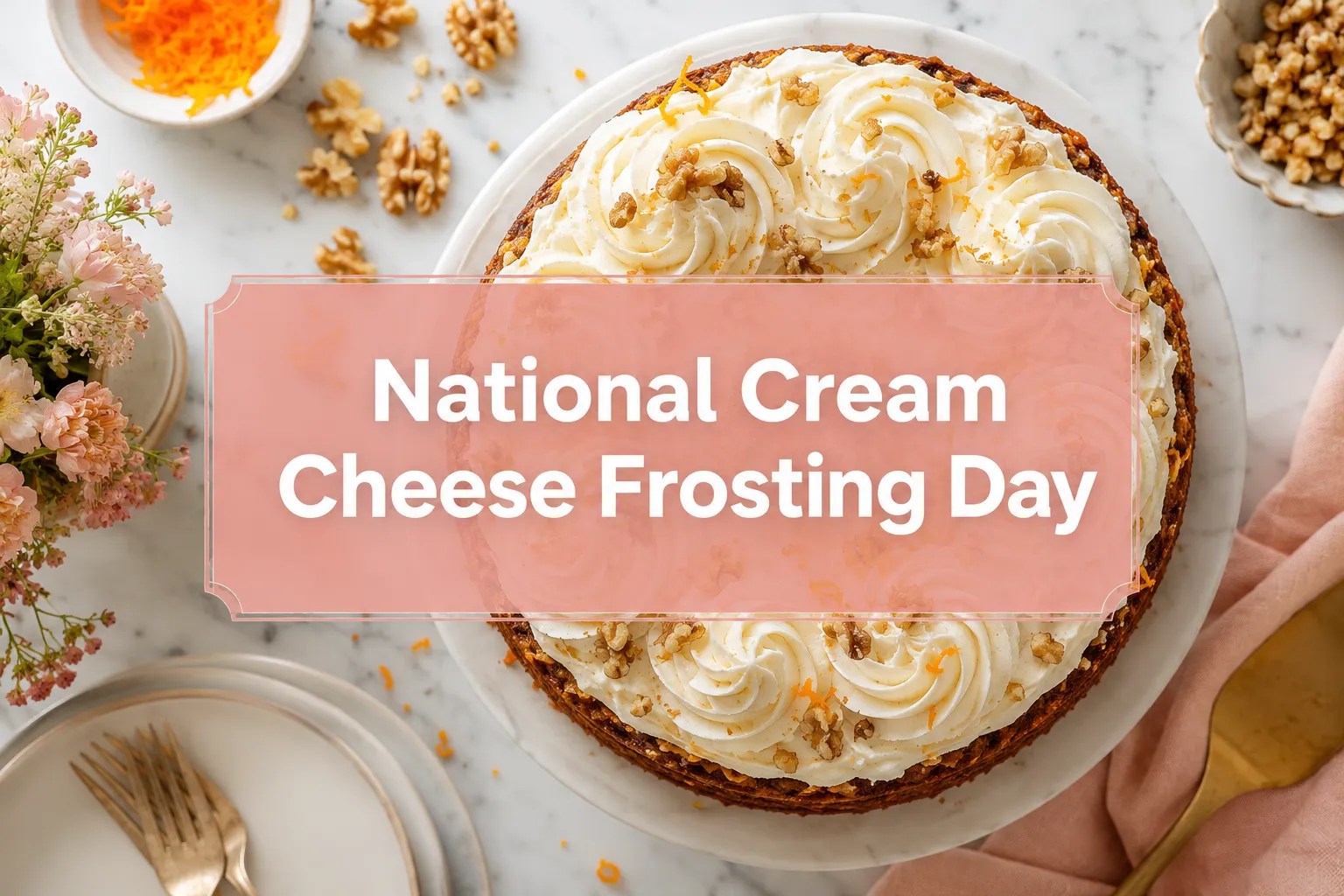
Quick Answer: March 31 National Cream Cheese Frosting Day is an annual food holiday celebrated every March 31 in the United States, dedicated to the tangy, creamy frosting made from cream cheese, butter, powdered sugar, and vanilla. It is the perfect occasion to bake a layered cake, frost a batch of cupcakes, or simply appreciate one of the most beloved frostings in American baking. No formal governing body oversees the day, but it is widely recognized across food blogs, social media, and bakeries nationwide.
Key Takeaways
- March 31 National Cream Cheese Frosting Day falls on the last day of March each year.
- The holiday has no single verified founder, but it gained traction through food holiday calendars and social media in the 2010s.
- Classic cream cheese frosting requires only four ingredients: cream cheese, butter, powdered sugar, and vanilla extract.
- Cream cheese frosting is tangier and denser than buttercream, making it the preferred choice for carrot cake, red velvet cake, and spice cake.
- Runny frosting is almost always caused by warm ingredients or too little powdered sugar, both are easy to fix.
- Cream cheese frosting can be made up to 5 days ahead and stored in the refrigerator, or frozen for up to 3 months.
- It is not the best choice for tall, stacked piping designs because it softens quickly at room temperature.
- For cupcakes, a slightly stiffer consistency (more powdered sugar) holds a swirl better than the standard cake recipe.
What Is National Cream Cheese Frosting Day?
National Cream Cheese Frosting Day is an unofficial food holiday observed on March 31 each year in the United States. It celebrates cream cheese frosting, the rich, slightly tangy topping most closely associated with carrot cake and red velvet cake, and encourages home bakers and professionals alike to bake, share, and enjoy it.
The holiday sits alongside dozens of other food-themed observances that populate the American calendar. Unlike federally recognized holidays, food days like this one are community-driven. Bakeries use them as promotional hooks, food bloggers build content around them, and home cooks treat them as a fun excuse to bake something special. If you enjoy other dessert-focused food holidays, the February 10 Cream Cheese Brownie Day guide covers another great cream cheese celebration just weeks earlier in the year.
When Did National Cream Cheese Frosting Day Start?
The exact origin of March 31 National Cream Cheese Frosting Day is not documented by any single verifiable source. Like most unofficial food holidays in the United States, it appears to have emerged organically through food holiday aggregator websites and social media communities during the 2010s.
No company, organization, or individual has publicly claimed credit for establishing the date. This is common for food holidays: many were created by industry groups, bloggers, or enthusiasts without formal registration. What matters practically is that the date is now consistently listed on food holiday calendars and generates real community participation every March 31.
For context, cream cheese itself has a well-documented history. Philadelphia Brand cream cheese was developed in 1872 by dairyman William Lawrence in Chester, New York, and the product has been a staple of American kitchens ever since. Cream cheese frosting as a recipe concept grew in popularity alongside the rise of carrot cake in mid-20th century American baking.
Why Is March 31 Cream Cheese Frosting Day?
March 31 was chosen as the date for this food holiday, though no public record explains why that specific date was selected over any other. This is typical of informal food holidays, where dates are often assigned to fill gaps in the calendar rather than to mark a historical event.
What makes the timing practical: March falls during early spring, when bakers are often preparing for Easter celebrations. Carrot cake, the dessert most associated with cream cheese frosting, is a traditional Easter staple in the United States and United Kingdom. Celebrating cream cheese frosting on March 31 aligns naturally with that seasonal baking surge.
Best Cream Cheese Frosting Recipe and How to Make It from Scratch
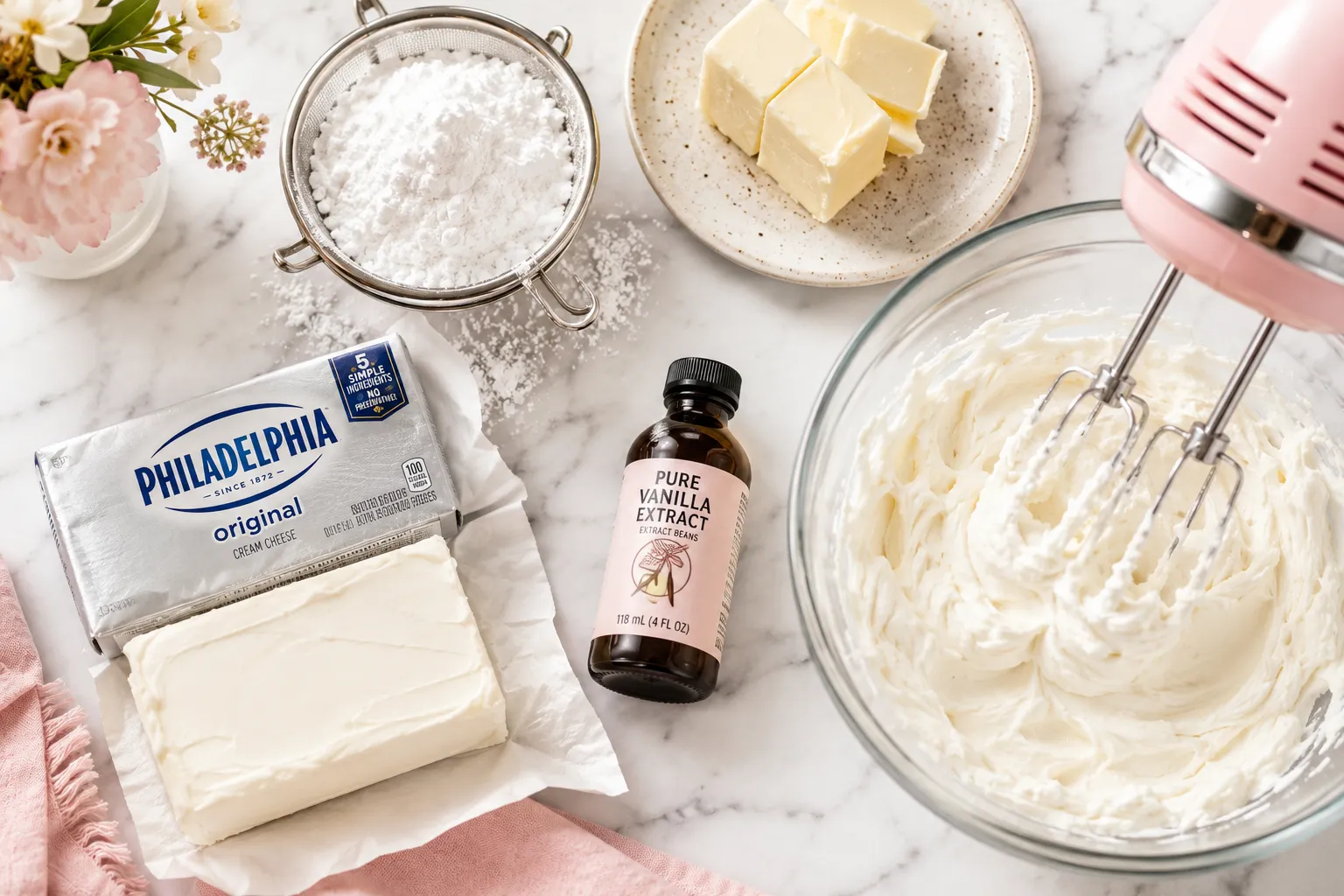
A classic cream cheese frosting requires four ingredients and about 10 minutes of active time. The standard ratio for one 9-inch layer cake or 24 cupcakes is as follows:
Standard Cream Cheese Frosting Recipe
| Ingredient | Amount | Notes |
|---|---|---|
| Full-fat block cream cheese | 8 oz (226g) | Room temperature |
| Unsalted butter | 4 oz (113g) | Room temperature |
| Powdered sugar | 3-4 cups (360-480g) | Sifted |
| Pure vanilla extract | 1 tsp | Or vanilla bean paste |
Step-by-step method:
- Beat the cream cheese and butter together on medium speed for 2 minutes until completely smooth and no lumps remain.
- Reduce mixer speed to low and add sifted powdered sugar one cup at a time.
- Add vanilla extract and mix until combined.
- Increase speed to medium-high and beat for 1 additional minute until fluffy.
- Use immediately or refrigerate until needed.
Choose this recipe if you are frosting a carrot cake, red velvet cake, spice cake, or banana cake. The tang of the cream cheese complements warm spices and fruit-forward flavors far better than a pure buttercream would.
If you enjoy celebrating cake-focused food holidays, the National Carrot Cake Day February 3 guide pairs perfectly with this recipe, since carrot cake is the most iconic pairing for cream cheese frosting.
Cream Cheese Frosting Without Powdered Sugar
Cream cheese frosting can be made without powdered sugar, though the result will be less sweet and have a softer set. Common substitutes include honey, maple syrup, or sifted confectioners’ erythritol for a lower-sugar version.
Honey version: Replace powdered sugar with 3-4 tablespoons of honey. The frosting will be less stiff and noticeably less sweet, with a floral undertone. It works well as a filling or a thin spread but will not hold piped shapes.
Maple syrup version: Use 2-3 tablespoons of pure maple syrup. This pairs especially well with pumpkin or sweet potato cake. The frosting will be quite soft, so refrigerate the cake immediately after frosting.
Note: Any liquid sweetener will produce a softer frosting than powdered sugar. If structure matters (piping, stacking layers), powdered sugar remains the most reliable choice.
Cream Cheese Frosting vs. Buttercream Frosting
Cream cheese frosting and buttercream frosting are both butter-based, but they differ in flavor, texture, stability, and best use cases.
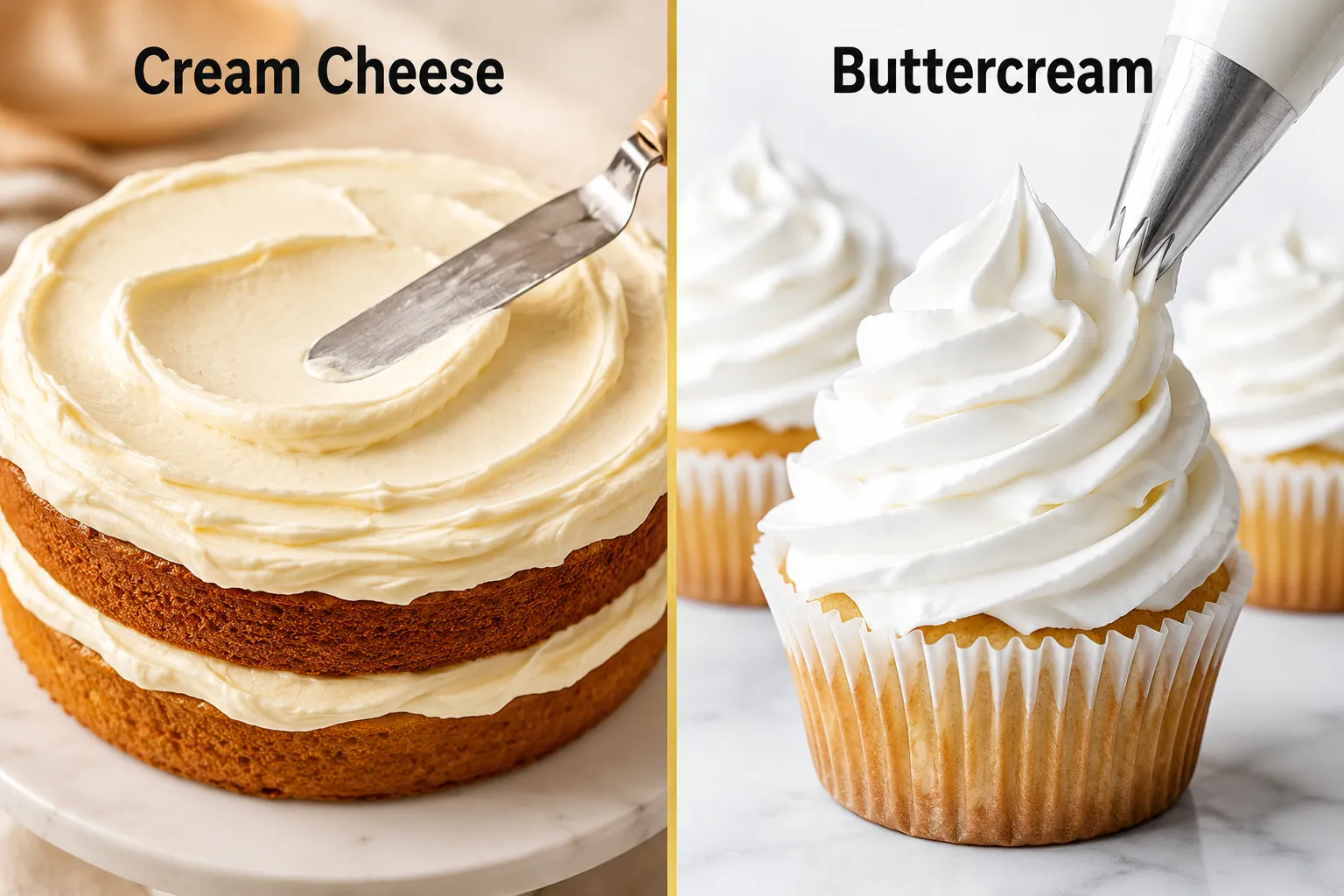
Key differences at a glance:
- Flavor: Cream cheese frosting is tangy and mildly sweet. Buttercream is purely sweet with a neutral or buttery flavor.
- Texture: Cream cheese frosting is denser and slightly softer. American buttercream is stiffer and holds shapes more reliably.
- Stability: Buttercream holds up better at room temperature. Cream cheese frosting softens faster and must be refrigerated.
- Best pairings: Cream cheese frosting suits carrot cake, red velvet, spice cake, and banana cake. Buttercream suits vanilla, chocolate, and lemon cakes.
- Piping: Buttercream is the professional standard for decorative piping. Cream cheese frosting can pipe simple swirls but struggles with intricate designs.
Choose cream cheese frosting if the cake has a strong, spiced, or fruity flavor profile that benefits from a tangy counterpoint. Choose buttercream if you need tall, stable decorations or a cake that will sit out for several hours.
For more on dessert toppings and their differences, browse the dessert toppings tag for related guides.
Why Does My Cream Cheese Frosting Get Runny?
Runny cream cheese frosting is almost always caused by one of three problems: warm ingredients, over-mixing, or too little powdered sugar. Each has a straightforward fix.
The three most common causes:
- Warm cream cheese or butter. If either ingredient is too soft (approaching melted), the frosting will not emulsify properly. Both should be at true room temperature, cool to the touch, not soft enough to dent with a fingernail.
- Over-mixing after adding sugar. Beating the frosting too long at high speed incorporates too much air and breaks down the structure. Mix only until smooth.
- Too little powdered sugar. Sugar is what gives the frosting body. If the frosting is too loose, add powdered sugar in 2-tablespoon increments until the desired consistency is reached.
Quick fix: If the frosting is already made and too runny, refrigerate it for 20-30 minutes, then re-whip briefly. This firms up the butter and cream cheese without adding more sugar.
Cream Cheese Frosting for Cupcakes vs. Cakes
The same base recipe works for both, but the ideal consistency differs depending on the application. For cakes, a slightly softer frosting spreads more easily between layers. For cupcakes, a stiffer frosting holds a piped swirl better.
For cupcakes: Add an extra half cup of powdered sugar to the standard recipe. This produces a firmer frosting that holds a classic swirl when piped with a 1M or 2D tip. Chill the piped cupcakes for 15 minutes before serving to help the swirl hold its shape.
For layer cakes: Use the standard recipe. Apply a crumb coat first, refrigerate for 20 minutes, then apply the final layer. This prevents the softer frosting from dragging crumbs into the finished surface.
Common mistake: Using the same consistency for both without adjusting. A frosting perfect for spreading on a cake will collapse into a flat blob when piped onto a cupcake.
Is Cream Cheese Frosting Good for Piping?
Cream cheese frosting can be piped, but it is not ideal for complex or tall decorations. It works well for simple swirls, rosettes, and borders, especially when kept cold.
For best piping results:
- Chill the frosting for 30 minutes before loading it into a piping bag.
- Work quickly and return the piped items to the refrigerator immediately.
- Avoid fine-tip piping (star tips smaller than 1M), the frosting is too soft for intricate detail work.
- Do not attempt tall stacked rosettes or gravity-defying designs; the frosting will slump.
If decorative piping is a priority, consider a hybrid: use a stiff American buttercream for the decorative elements and cream cheese frosting for the base layer and filling.
Can You Make Cream Cheese Frosting Ahead of Time?
Yes, cream cheese frosting stores well and is an excellent candidate for advance preparation. Made-ahead frosting saves significant time on baking day.
Storage guidelines:
- Refrigerator: Store in an airtight container for up to 5 days. Re-whip briefly with a hand mixer before using to restore a smooth, spreadable texture.
- Freezer: Freeze in an airtight container for up to 3 months. Thaw overnight in the refrigerator, then bring to room temperature and re-whip before using.
- Frosted cakes: A frosted cake can be refrigerated for up to 3 days. Bring to room temperature for 30-45 minutes before serving for the best texture.
Edge case: Do not store frosted cakes near strongly scented foods in the refrigerator. Cream cheese frosting absorbs odors easily, which can affect flavor.
Common Cream Cheese Frosting Mistakes to Avoid
Even experienced bakers run into problems with cream cheese frosting. These are the mistakes that come up most often.
- Using low-fat or whipped cream cheese. These products have higher water content and produce a runny, unstable frosting. Always use full-fat block cream cheese.
- Skipping the sifting step. Unsifted powdered sugar creates lumps that are nearly impossible to smooth out once mixed in.
- Adding liquid flavoring in excess. More than 1 teaspoon of vanilla extract (or other liquid flavoring) can thin the frosting noticeably.
- Frosting a warm cake. Even a slightly warm cake will melt cream cheese frosting on contact. Always cool cakes completely before frosting.
- Not tasting as you go. The balance of tang to sweetness is personal. Adjust powdered sugar and vanilla to your preference before the frosting goes on the cake.
How to Celebrate March 31 National Cream Cheese Frosting Day
March 31 National Cream Cheese Frosting Day is best celebrated by baking, sharing, and getting creative with cream cheese frosting in the kitchen. There are options for every skill level and schedule.

Practical ways to celebrate:
- Bake a classic carrot cake. This is the most traditional pairing. The National Carrot Cake Day guide has full recipe guidance.
- Make red velvet cupcakes. Use the stiffer cupcake version of the frosting and pipe swirls for a visually striking result.
- Host a frosting taste test. Set up a side-by-side comparison of cream cheese frosting and buttercream with plain vanilla cake as the base. It is a fun way to understand the flavor difference firsthand.
- Share on social media. Use the hashtag #NationalCreamCheeseFrostingDay to connect with other bakers celebrating the day.
- Visit a local bakery. Many bakeries offer specials or feature cream cheese frosted items on March 31. Call ahead to check.
- Try a new flavor variation. Add lemon zest, cinnamon, or a tablespoon of brown butter to the standard recipe for a creative twist.
If you enjoy celebrating food holidays throughout the year, the national food days tag is a useful resource for finding upcoming occasions. Fans of cheese-forward celebrations may also enjoy the January 20 National Cheese Lover’s Day guide.
FAQ
What is the date of National Cream Cheese Frosting Day? National Cream Cheese Frosting Day is observed every year on March 31.
Who created National Cream Cheese Frosting Day? No single verified founder has been publicly identified. The holiday grew organically through food holiday calendars and social media during the 2010s.
What is the difference between cream cheese frosting and cream cheese icing? The terms are often used interchangeably, but “frosting” typically refers to a thicker, spreadable mixture, while “icing” can refer to a thinner, pourable glaze. Most recipes labeled cream cheese frosting use the thicker, whipped version.
Can cream cheese frosting be left out at room temperature? Cream cheese frosting should not be left out for more than 2 hours. Because it contains dairy, it is a food safety risk at room temperature for extended periods. Refrigerate frosted cakes and cupcakes promptly.
Why is my cream cheese frosting grainy? Graininess is almost always caused by unsifted powdered sugar. Sift the sugar before adding it to the cream cheese and butter mixture to prevent this.
Can you color cream cheese frosting? Yes. Gel food coloring works best because it does not add liquid that could thin the frosting. Add gel coloring a drop at a time and mix thoroughly before adding more.
Does cream cheese frosting harden in the fridge? It firms up significantly when refrigerated but does not harden completely. Remove frosted items from the refrigerator 30-45 minutes before serving to allow the frosting to soften to a pleasant, creamy texture.
What cakes go best with cream cheese frosting? Carrot cake, red velvet cake, spice cake, banana cake, pumpkin cake, and hummingbird cake are the most classic pairings. The frosting’s tang complements warm spices and fruit flavors particularly well.
Can you add lemon to cream cheese frosting? Yes. Add 1-2 teaspoons of fresh lemon zest and 1 tablespoon of fresh lemon juice for a bright, citrusy version. Be aware that the lemon juice adds liquid, so you may need to add a small amount of extra powdered sugar to maintain consistency.
Is cream cheese frosting gluten-free? The basic four-ingredient recipe (cream cheese, butter, powdered sugar, vanilla) is naturally gluten-free. Always check individual ingredient labels to confirm no cross-contamination, especially with powdered sugar brands.
Conclusion
March 31 National Cream Cheese Frosting Day is a straightforward but genuinely enjoyable food holiday. It is a practical prompt to bake something from scratch, try a new recipe variation, or share a frosted treat with someone.
Actionable next steps for March 31, 2026:
- Make the standard four-ingredient cream cheese frosting recipe and frost a carrot cake or batch of red velvet cupcakes.
- If you are short on time, buy a plain unfrosted cake from a bakery and make the frosting at home, it takes under 15 minutes.
- Try one flavor variation: lemon zest, cinnamon, or brown butter all work well.
- Share your creation on social media with #NationalCreamCheeseFrostingDay to join the broader community celebration.
- Explore other cream cheese baking occasions, such as February 10 Cream Cheese Brownie Day, to keep the cream cheese celebration going year-round.
The key to great cream cheese frosting is simple: use full-fat block cream cheese, keep ingredients at the right temperature, and sift the powdered sugar. Get those three things right, and the result will be worth celebrating every March 31.