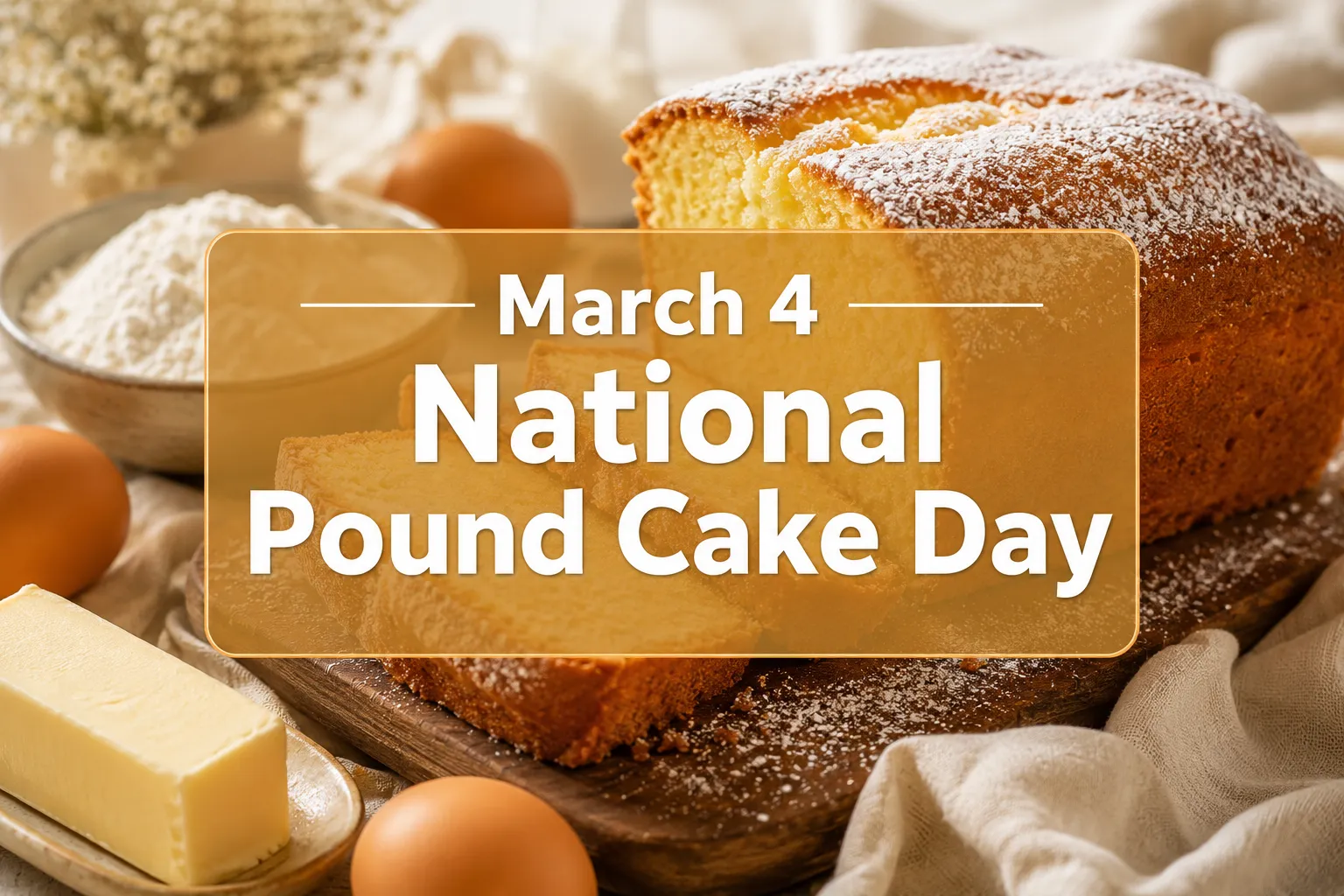
March 4 National Pound Cake Day: History, Recipes & How to Celebrate in 2026
- 0
- 13 Min Read
Last updated: March 4, 2026
Quick Answer: March 4 National Pound Cake Day is an annual food holiday celebrated every March 4 in the United States. It honors one of the oldest cake recipes in Western baking, a dense, buttery cake traditionally made with one pound each of flour, butter, sugar, and eggs. In 2026, the day falls on a Wednesday and is a great excuse to bake, buy, or share a classic pound cake with family, friends, or coworkers.
Key Takeaways
- March 4 National Pound Cake Day is observed annually on March 4 in the United States.
- The pound cake dates back to early 18th-century Europe, with the recipe appearing in American cookbooks by the late 1700s.
- The name comes from the original recipe ratio: one pound each of butter, sugar, eggs, and flour.
- Modern pound cakes often substitute or adjust ingredients for flavor, dietary needs, or texture.
- Butter-free pound cakes are possible using oil, cream cheese, or dairy-free alternatives.
- Gluten-free pound cake versions exist using almond flour or certified gluten-free flour blends.
- A store-bought pound cake typically costs between $4 and $12, depending on size and brand.
- Bakeries, grocery chains, and specialty shops may offer deals or themed products around March 4.
- Common baking mistakes include overmixing the batter, using cold ingredients, and opening the oven too early.
What Is National Pound Cake Day?
National Pound Cake Day is an informal food observance dedicated to celebrating the pound cake, a classic baked good with roots in European and American culinary tradition. It is not a federal holiday, but it is widely recognized across food blogs, bakeries, and social media communities as a fun reason to bake or enjoy this beloved dessert.
The day encourages home bakers, professional pastry chefs, and dessert lovers alike to appreciate the simplicity and richness of a well-made pound cake. If you enjoy other cake-focused food holidays, you might also want to check out National Chocolate Cake Day on January 27 and National Carrot Cake Day on February 3.
When Is National Pound Cake Day Celebrated?
National Pound Cake Day is celebrated every year on March 4. The date does not shift or move to a nearby Monday like some public holidays. In 2026, March 4 falls on a Wednesday.
The fixed date makes it easy to plan ahead. Whether you want to bake from scratch, order from a local bakery, or pick up a loaf from the grocery store, marking the calendar for March 4 gives you enough time to prepare.
History of National Pound Cake Day and the Pound Cake Itself
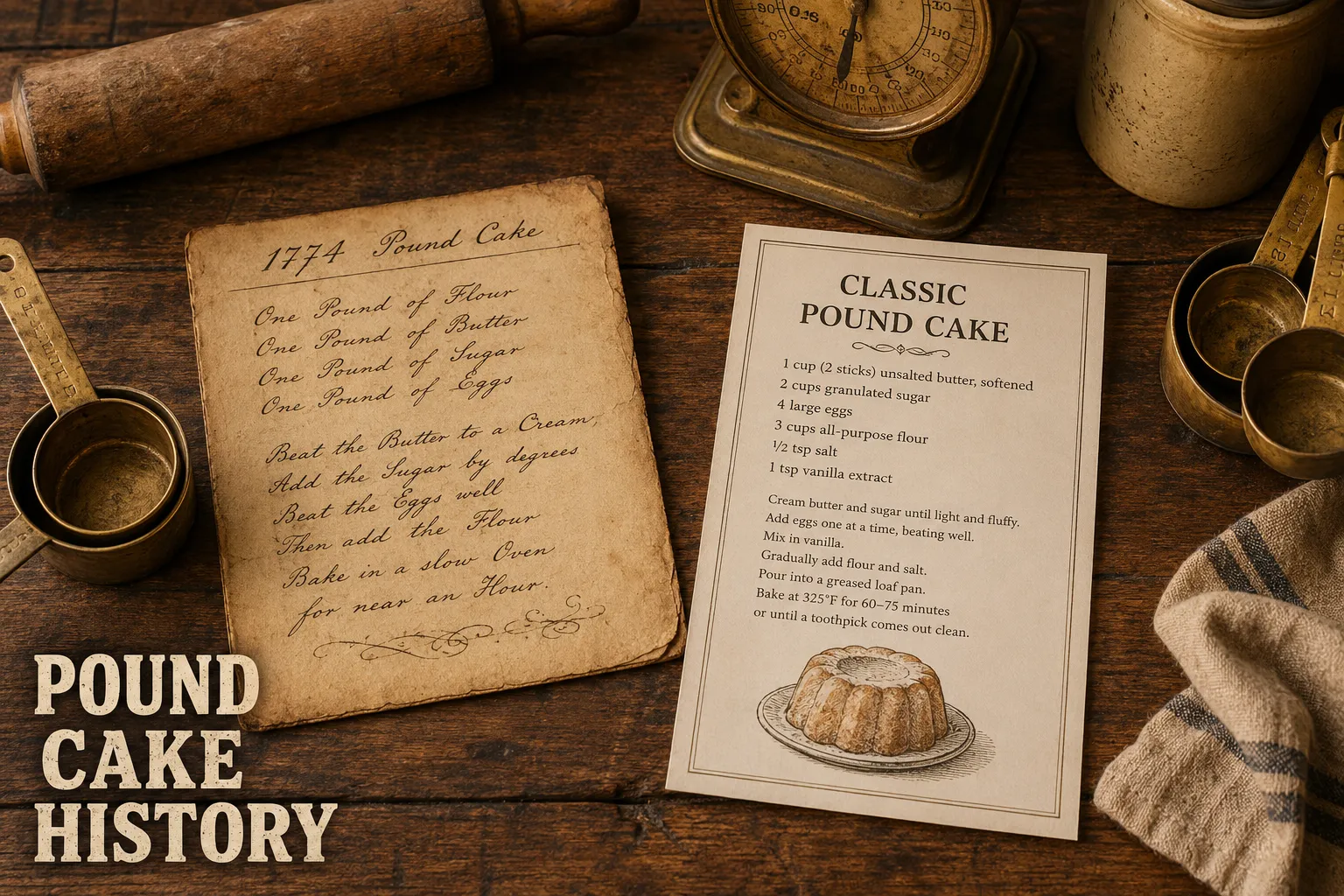
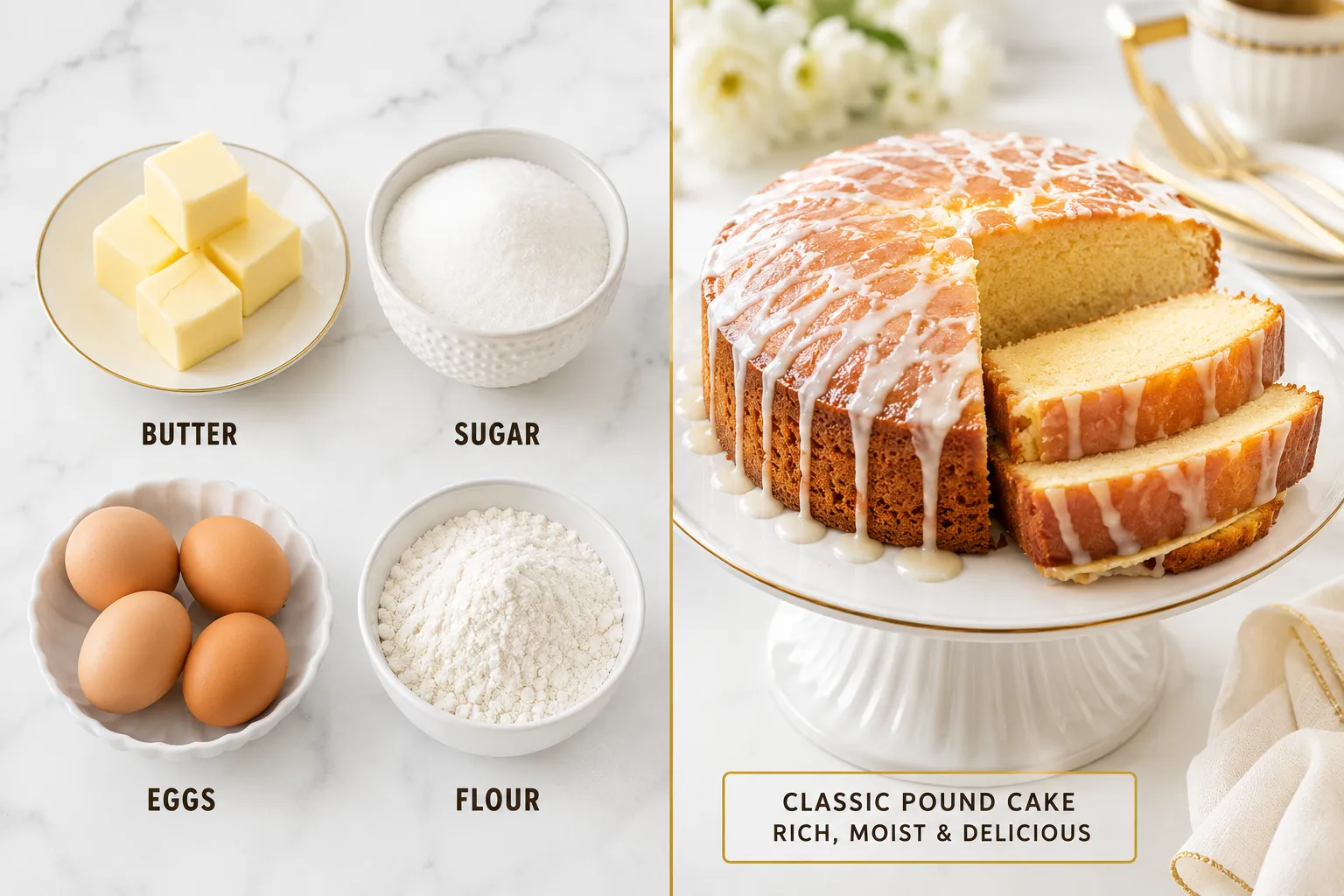
The pound cake has one of the clearest origin stories in baking history. The original recipe, documented in European cookbooks as early as the early 1700s, called for exactly one pound each of four ingredients: butter, sugar, eggs, and flour. No leavening agents were needed because the air beaten into the butter and eggs provided enough lift for the dense, moist loaf.
The recipe crossed the Atlantic and appeared in early American cookbooks by the late 18th century. Amelia Simmons included a pound cake recipe in “American Cookery” (1796), one of the first cookbooks published in the United States. Over the following two centuries, the recipe evolved significantly. Bakers began adding baking powder, vanilla extract, cream cheese, sour cream, and other flavoring agents to improve texture and taste.
Why is March 4 the chosen date? There is no single documented founder or organization credited with establishing March 4 as National Pound Cake Day. Like many food holidays in the United States, it appears to have grown organically through food blogging communities and social media in the 2000s and 2010s. The date has since become widely recognized and repeated across culinary calendars.
For context on how other classic baked goods have their own dedicated days, see National Carrot Cake Day on February 3 and National Chocolate Cake Day on January 27.
How to Celebrate Pound Cake Day on March 4
Celebrating March 4 National Pound Cake Day does not require any special equipment or culinary training. The simplest celebration is baking or buying a pound cake and sharing it with someone.
Ways to celebrate:
- Bake a classic pound cake from scratch using a simple four-ingredient base recipe.
- Host a pound cake tasting with friends or coworkers, featuring different flavors like lemon, vanilla, almond, or chocolate marble.
- Visit a local bakery and ask if they have a special pound cake offering for the day.
- Share on social media using hashtags like #NationalPoundCakeDay and #March4PoundCakeDay.
- Try a new variation, such as a cream cheese pound cake, a citrus-glazed loaf, or a mini bundt version.
- Gift a pound cake to a neighbor, teacher, or colleague as a simple, thoughtful gesture.
If you enjoy celebrating food holidays throughout the year, the National Blueberry Pancake Day guide for January 28 offers similar inspiration for other baking occasions.
Best Pound Cake Recipe for Beginners
A beginner-friendly pound cake requires just a few pantry staples and about 90 minutes from start to finish, including bake time. The key is using room-temperature ingredients and not overmixing the batter.
Classic Vanilla Pound Cake (serves 10-12)
| Ingredient | Amount |
|---|---|
| Unsalted butter (softened) | 1 cup (2 sticks / 226g) |
| Granulated sugar | 1 cup (200g) |
| Large eggs | 4 |
| All-purpose flour | 2 cups (240g) |
| Whole milk | 1/2 cup (120ml) |
| Vanilla extract | 1 teaspoon |
| Salt | 1/2 teaspoon |
| Baking powder | 1/2 teaspoon |
Steps:
- Preheat oven to 325°F (165°C). Grease and flour a 9×5 inch loaf pan.
- Beat softened butter and sugar together for 4 to 5 minutes until pale and fluffy.
- Add eggs one at a time, beating well after each addition.
- Mix in vanilla extract.
- Alternate adding flour mixture and milk, beginning and ending with flour. Mix only until just combined.
- Pour batter into the prepared pan and smooth the top.
- Bake for 60 to 70 minutes, or until a toothpick inserted in the center comes out clean.
- Cool in the pan for 10 minutes, then transfer to a wire rack.
“The single most important step in pound cake baking is creaming the butter and sugar long enough. Rushing this step produces a flat, dense loaf instead of a tender, moist crumb.”
For more baking inspiration, browse the 2444 Cake Cookbook collection at StillCooking.
Traditional vs. Modern Pound Cake: Key Differences
Traditional pound cake and modern pound cake share the same name but differ in ingredients, texture, and complexity. Traditional pound cake uses equal weights of four ingredients with no leavening agents. Modern versions are more flexible and often include additional components for a lighter crumb or richer flavor.
| Feature | Traditional Pound Cake | Modern Pound Cake |
|---|---|---|
| Core ratio | 1 lb each: butter, sugar, eggs, flour | Adjusted ratios for taste/texture |
| Leavening | None (air from creaming) | Baking powder or baking soda |
| Flavor additions | Minimal or none | Vanilla, lemon, almond, cream cheese |
| Texture | Very dense, tight crumb | Lighter, more tender |
| Dietary options | Standard only | Gluten-free, dairy-free, vegan |
Pound Cake vs. Regular Cake: What’s the Difference?
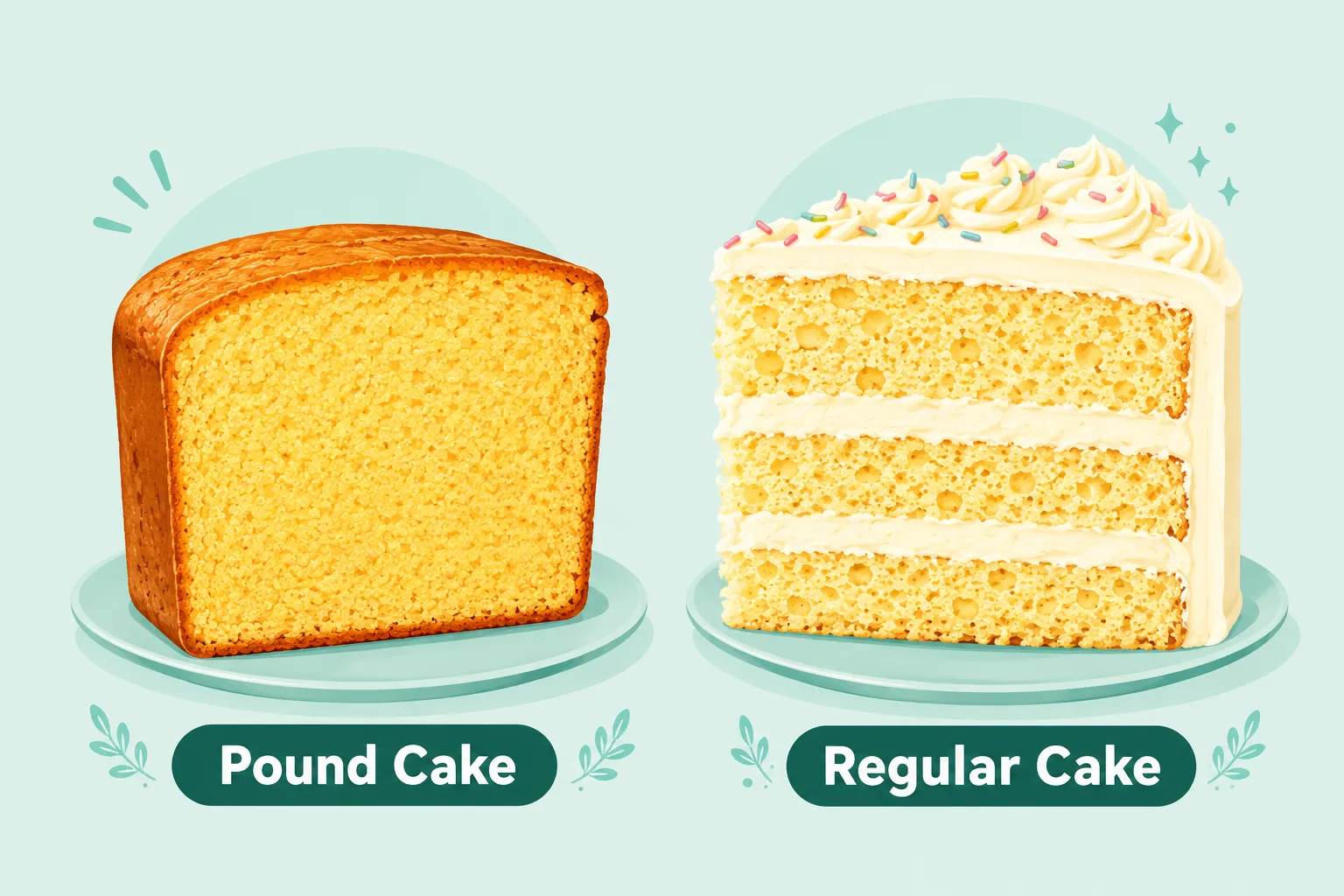
Pound cake and regular layer cake differ primarily in fat content, texture, and structure. Pound cake contains a much higher ratio of butter to flour, producing a dense, moist loaf with a tight crumb. Regular layer cakes use less fat and more leavening, resulting in a lighter, airier structure that holds frosting between layers.
Key differences at a glance:
- Fat content: Pound cake is significantly higher in butter per serving.
- Texture: Pound cake is dense and moist; layer cake is fluffy and soft.
- Frosting: Pound cake is typically served plain, glazed, or with fruit. Layer cakes are usually frosted.
- Serving style: Pound cake is sliced like a loaf. Layer cakes are cut in wedges.
- Shelf life: Pound cake stays moist longer due to its high fat content, often 3 to 5 days at room temperature.
Where to Buy Pound Cake on March 4 and How Much It Costs
Pound cake is widely available at grocery stores, warehouse clubs, bakeries, and online retailers. Most major supermarket chains carry pound cakes year-round in their bakery sections.
Typical price ranges (estimates based on general market data):
- Grocery store loaf (store brand): $4 to $7
- Name-brand frozen pound cake (e.g., Sara Lee): $5 to $9
- Local bakery pound cake: $10 to $25, depending on size and flavoring
- Specialty or artisan pound cake (online): $18 to $40 plus shipping
Where to look on March 4:
- Grocery store bakery sections (Kroger, Publix, Whole Foods, Walmart)
- Local independent bakeries, which may offer March 4 specials
- Warehouse clubs like Costco, which often carry large pound cake loaves at competitive prices
- Online bakeries that ship nationally
Deals tip: Check bakery social media accounts and email newsletters in late February. Some bakeries offer limited-time discounts or themed flavors for food holidays like March 4 National Pound Cake Day.
Can You Make Pound Cake Without Butter?
Yes, pound cake can be made without butter. Oil-based pound cakes, cream cheese pound cakes, and dairy-free versions all produce excellent results, though the texture and flavor will differ from the classic butter version.
Common butter substitutes in pound cake:
- Vegetable oil or canola oil: Produces a very moist crumb but less rich flavor. Use about 3/4 cup of oil for every 1 cup of butter.
- Cream cheese: Adds tanginess and a denser, creamier texture. Often combined with a reduced amount of butter.
- Coconut oil: Works well in a 1:1 swap and adds a mild coconut flavor.
- Vegan butter (plant-based): Most vegan butter sticks perform well in a 1:1 substitution.
- Greek yogurt or sour cream: Can replace part of the butter to reduce fat while keeping moisture.
Choose oil if you want maximum moisture and a longer shelf life. Choose cream cheese if you want a richer, slightly tangy flavor profile. Choose vegan butter if you need a fully dairy-free result that still mimics the classic taste.
Is Gluten-Free Pound Cake Possible?
Gluten-free pound cake is absolutely achievable using the right flour substitutes. The dense, fat-heavy nature of pound cake actually makes it one of the easier cakes to adapt for gluten-free baking, since it does not rely on gluten for its structure the way a light sponge cake does.
Best gluten-free flour options for pound cake:
- 1:1 gluten-free baking flour blends (such as those from Bob’s Red Mill or King Arthur): These are the easiest swap, used cup-for-cup in place of all-purpose flour.
- Almond flour: Produces a denser, nuttier cake. Best combined with a small amount of tapioca starch for binding.
- Rice flour blends: Work well but may produce a slightly grainier texture without xanthan gum.
Always check that all other ingredients (vanilla extract, baking powder) are also certified gluten-free if serving someone with celiac disease or a serious gluten sensitivity. For more on gluten-free baking observances, see the national gluten-free day tag at StillCooking.
Common Pound Cake Baking Mistakes to Avoid
Even experienced bakers make errors with pound cake. The most common mistakes come down to ingredient temperature, mixing technique, and oven management.
Mistakes and how to fix them:
- Using cold butter or eggs: Cold butter won’t cream properly, leading to a lumpy batter and dense cake. Always bring butter and eggs to room temperature (about 30 minutes on the counter).
- Overmixing after adding flour: Overmixing develops gluten and makes the cake tough. Mix only until the flour disappears.
- Opening the oven too early: Pound cake needs consistent heat. Opening the oven before the 50-minute mark can cause the center to sink.
- Underbaking: The dense batter takes longer to cook through than most cakes. Always test with a toothpick inserted into the thickest part of the loaf.
- Skipping the pan prep: Pound cake sticks easily. Grease and flour the pan thoroughly, or use parchment paper.
- Wrong oven temperature: Baking too hot causes a cracked top and raw center. Stick to 325°F (165°C) for most recipes.
Frequently Asked Questions About March 4 National Pound Cake Day
What is the origin of the name “pound cake”? The name comes from the original recipe, which called for one pound each of butter, sugar, eggs, and flour. The equal-weight formula made the recipe easy to remember before standardized measuring tools were common.
Is National Pound Cake Day an official U.S. holiday? No. It is an informal food observance, not a federal or state holiday. It is not recognized by the U.S. government but is widely celebrated by food communities, bakeries, and home bakers.
Can pound cake be made ahead of time? Yes. Pound cake actually improves in flavor and moisture after resting overnight. It can be baked up to two days in advance and stored tightly wrapped at room temperature.
How long does pound cake stay fresh? At room temperature, wrapped tightly, pound cake stays fresh for 3 to 5 days. Refrigerated, it lasts up to one week. Frozen pound cake keeps well for up to 3 months.
What toppings go well with pound cake? Fresh berries, whipped cream, lemon glaze, powdered sugar, chocolate drizzle, and vanilla ice cream are all popular choices. Pound cake also pairs well with a cup of coffee or tea.
Is pound cake the same as loaf cake? Not exactly. Pound cake is a type of loaf cake, but not all loaf cakes are pound cakes. Banana bread and zucchini bread, for example, are loaf cakes but do not follow the pound cake formula.
Can pound cake be made in a bundt pan? Yes. A bundt pan works well for pound cake and creates an attractive presentation. Adjust the bake time upward by about 10 to 15 minutes compared to a standard loaf pan.
What is the difference between pound cake and sponge cake? Pound cake is dense and rich due to its high butter content. Sponge cake is light and airy because it uses whipped eggs for lift and little to no fat.
Are there savory pound cake variations? Some bakers experiment with savory pound cakes using cheese, herbs, or sun-dried tomatoes, but these are not traditional. The classic and most popular versions are sweet.
What drinks pair well with pound cake? Coffee, Earl Grey tea, chamomile tea, and dessert wines like Moscato all complement pound cake’s buttery richness. A light sparkling wine also works well for a celebratory March 4 serving.
Conclusion
March 4 National Pound Cake Day is a simple, satisfying food holiday with deep roots in baking history. Whether you’re a first-time baker following a beginner recipe, a seasoned pastry enthusiast experimenting with gluten-free or dairy-free variations, or simply someone who wants to pick up a loaf from a local bakery, March 4 gives you a concrete reason to slow down and enjoy one of the most enduring desserts in Western cooking.
Actionable next steps for 2026:
- Mark March 4 on your calendar now and decide whether you’ll bake or buy.
- If baking, gather room-temperature butter, eggs, flour, and sugar at least one day ahead.
- Check local bakery social media in late February for any March 4 deals or special flavors.
- If you have dietary restrictions, choose a gluten-free flour blend or a dairy-free butter substitute and test the recipe before the day.
- Share your pound cake on social media with #NationalPoundCakeDay to connect with other food holiday enthusiasts.
For more cake-focused food holidays and baking inspiration throughout the year, explore National Carrot Cake Day on February 3 and browse the full cake cookbook collection at StillCooking.