A Rare African Fruit That Tastes Like Four Fruits at Once
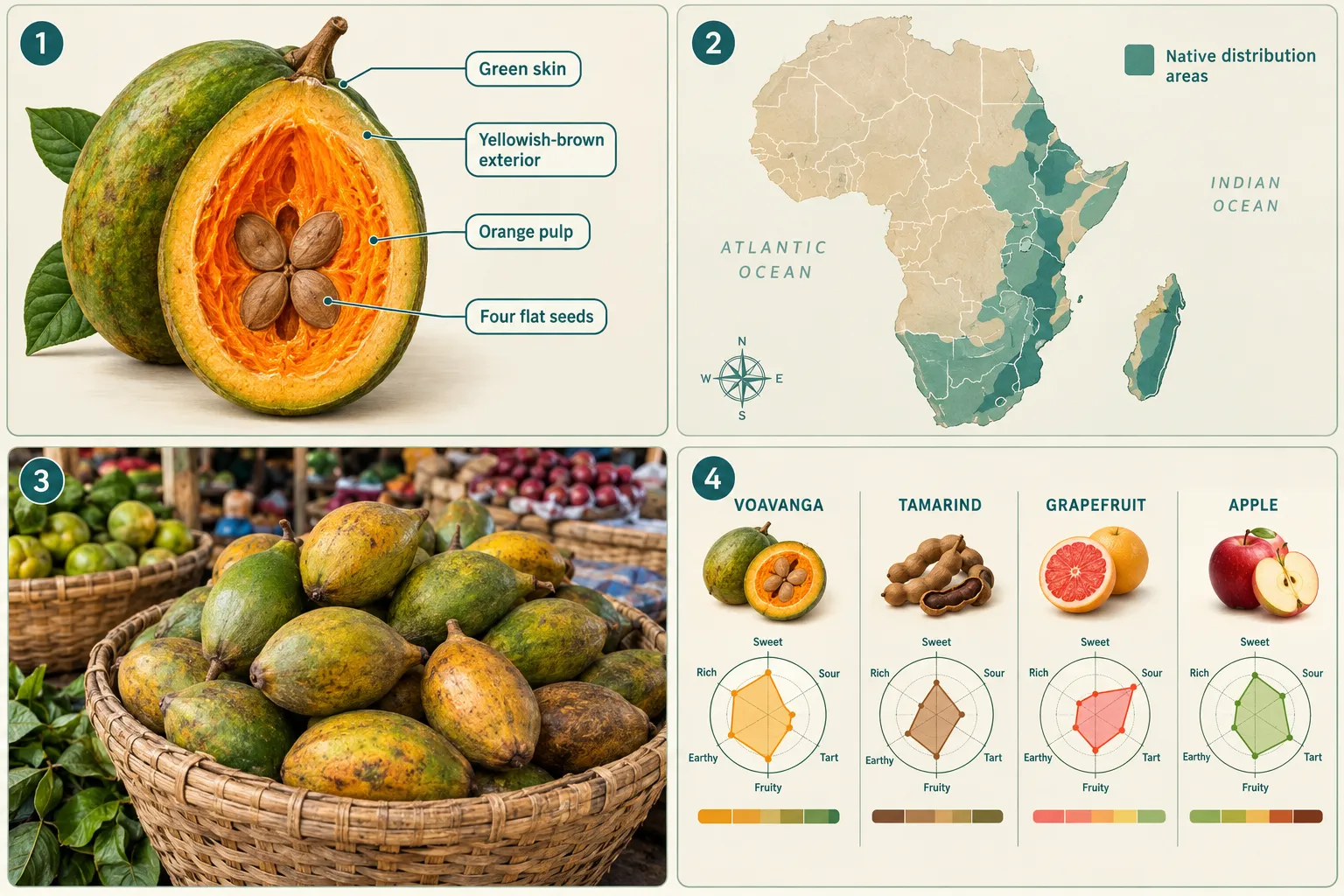
Fewer than one in a thousand home cooks outside of Madagascar or East Africa has ever tasted voavanga fruit, yet this small, round berry from the coffee family has been feeding communities across tropical Africa for centuries. Scientifically classified as Vangueria madagascariensis, the voavanga fruit carries a flavor profile that defies easy comparison, simultaneously recalling tamarind, grapefruit, apple, and faint chocolate notes in a single bite. In 2026, curiosity about exotic and underutilized fruits continues to grow among culinary professionals and adventurous home cooks, making this the ideal moment to explore what voavanga offers at the table.
Key Takeaways
- Voavanga fruit (Vangueria madagascariensis) is native to Madagascar and widely distributed across tropical East and Southern Africa.
- Its flavor combines tangy, sweet, and slightly bitter notes reminiscent of tamarind, grapefruit, apple, and chocolate.
- The fruit is nutritionally dense, offering high carbohydrates, potassium, vitamin C, calcium, and measurable flavonoid content.
- Traditional African medicine has long used voavanga as a remedy for digestive issues, diabetes management, and bacterial infections.
- The fruit remains largely underutilized globally despite strong culinary and functional food potential.
What Is Voavanga Fruit and Where Does It Come From
Voavanga fruit grows on a medium-sized deciduous tree that reaches up to 10 meters in height. It belongs to the Rubiaceae family, the same botanical family as coffee, which partly explains its complex, layered flavor. The species is indigenous to Madagascar but has naturalized across a broad swath of tropical Africa, including Tanzania, Kenya, Malawi, Mozambique, Ghana, Mali, and several other nations.
In Madagascar, voavanga is a familiar market fruit. Vendors sell it fresh in woven baskets, and locals eat it straight from the tree or use it in drinks and preserves. In other parts of Africa, it grows semi-wild and is harvested from the bush rather than cultivated commercially. The fruit is also known by the common names Spanish tamarind and tamarind of the Indies, names that reflect its tangy flavor rather than any direct botanical relationship to true tamarind.
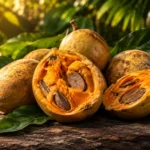
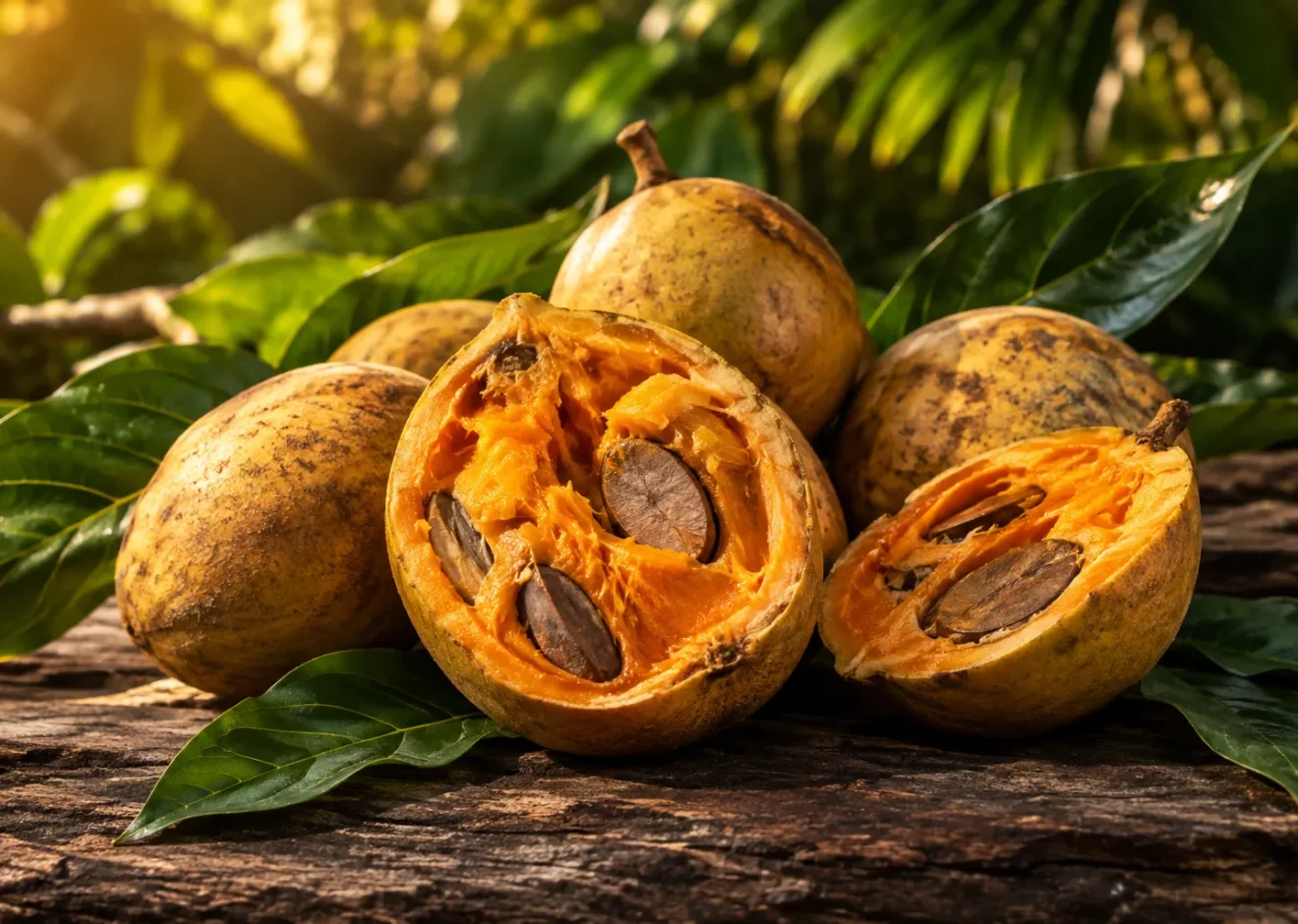
The tree produces round to ovoid fruits, typically 3 to 5 centimeters in diameter. Unripe fruits are firm and green. As they ripen, the skin transitions to a yellowish-brown tone, and the pulp inside shifts from pale to a vivid orange-brown. Each fruit contains four to six large, flat seeds. The pulp clings to the seeds and carries that signature multi-layered tartness that makes voavanga so distinctive.
Nutritional Profile and Health Significance of Voavanga Fruit
Peer-reviewed research confirms that voavanga pulp is nutritionally substantial. On a dry-weight basis, carbohydrates account for roughly 79 to 83 percent of the pulp’s composition, making it a meaningful energy source. Fresh voavanga provides approximately 521 mg of potassium per 100 grams, a figure comparable to bananas, along with useful amounts of calcium, magnesium, phosphorus, copper, manganese, iron, and vitamin C.
The fruit also contains measurable flavonoids, which are plant compounds associated with antioxidant and anti-inflammatory activity. Laboratory studies have documented antibacterial activity in both the leaves and the ripe fruit pericarp, with results suggesting the plant may potentiate the effects of certain antibiotics against human pathogenic bacteria. A 2025 study examining seeds and processing by-products from wild edible plants found that voavanga by-products showed meaningful antioxidant and enzyme-inhibitory properties, pointing toward potential nutraceutical applications.
Ethnobotanical records across sub-Saharan Africa classify voavanga as a medicinal food plant. Traditional practitioners have used it to manage gastrointestinal complaints, support blood sugar regulation, and address bacterial infections. It is important to note that these uses are supported primarily by preclinical and ethnographic evidence rather than large-scale human clinical trials. Nonetheless, the convergence of traditional knowledge and laboratory data makes voavanga a compelling subject for functional food research.
Culinary Uses of Voavanga Fruit
The versatility of voavanga in the kitchen is one of its most underappreciated qualities. Ripe pulp is eaten fresh, pressed into juices, or sweetened into syrups and cordials. Unripe fruits, which carry a sharper acidity, are sometimes cooked as a vegetable side dish or simmered into jams and chutneys. The seeds, once cleaned and dried, can be roasted and eaten as a crunchy snack with a slightly nutty, bitter edge.
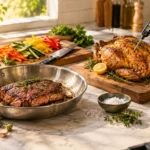
The tangy pulp pairs naturally with savory dishes, grilled meats, roasted root vegetables, and spiced legume stews all benefit from a voavanga-based condiment. Its acidity acts as a natural tenderizer and flavor brightener, much as tamarind does in South and Southeast Asian cooking. For Western kitchens, the most accessible entry point is a fresh voavanga chutney, which can be prepared in under an hour and used across a wide range of meals.
Voavanga Fruit Fresh Chutney Recipe
Recipe Subtitle: A tangy, aromatic African-inspired chutney that transforms grilled meats and roasted vegetables.
Recipe Description: This voavanga fruit chutney captures the fruit’s signature tartness and balances it with warm spices, brown sugar, and aromatics. It is cooked low and slow to develop depth without losing the fruit’s bright, complex acidity. Serve alongside grilled chicken, lamb chops, roasted sweet potato, or aged cheese boards.
Recipe Keywords: voavanga chutney, African fruit condiment, exotic fruit recipe, tangy fruit preserve, Vangueria madagascariensis recipe, tropical chutney, underutilized fruit cooking
Difficulty Level: Intermediate
Preparation Time: 20 minutes
Cooking Time: 45 minutes
Rest Time: 15 minutes
Cooking Temperature: 325 degrees Fahrenheit
Calories: Approximately 85 calories per serving (2-tablespoon portion)
Best Season: Late summer through autumn; ideal for holiday entertaining
Cooking Methods: Simmering, reduction, stirring
Cuisines Suggestions: East African, Malagasy, Modern American Fusion
Recipe Badges: Gluten-Free, Vegan, No Artificial Preservatives
Recipe Keys:
- Balance the fruit’s natural tartness with brown sugar gradually, taste as you go.
- Low, steady heat prevents scorching and develops a richer, more complex flavor.
- Resting the chutney for at least 15 minutes after cooking allows the flavors to meld fully.
Ingredients
| Quantity | Ingredient |
|---|---|
| 2 cups | Fresh voavanga pulp, seeds removed |
| 1/2 cup | Brown sugar, packed |
| 1/3 cup | Apple cider vinegar |
| 1 medium | Yellow onion, finely diced |
| 2 cloves | Garlic, minced |
| 1 teaspoon | Fresh ginger, grated |
| 1/2 teaspoon | Ground cumin |
| 1/4 teaspoon | Ground cinnamon |
| 1/4 teaspoon | Crushed red pepper flakes |
| 1/2 teaspoon | Fine sea salt |
| 2 tablespoons | Neutral cooking oil (such as sunflower or grapeseed) |
| 1/4 cup | Water |
Instructions
- Prepare the voavanga pulp by scoring each fruit and removing the seeds. Scoop the orange pulp into a bowl and set aside.
- Heat the cooking oil in a heavy-bottomed saucepan over medium heat until shimmering.
- Add the diced onion and cook, stirring occasionally, for 6 to 8 minutes until softened and translucent.
- Add the garlic and grated ginger. Cook for 1 minute, stirring constantly, until fragrant.
- Stir in the cumin, cinnamon, and red pepper flakes. Toast the spices in the oil for 30 seconds.
- Add the voavanga pulp and stir to coat with the spiced base.
- Pour in the apple cider vinegar and water. Stir to combine.
- Add the brown sugar and sea salt. Stir until the sugar dissolves.
- Bring the mixture to a gentle boil, then reduce heat to low (approximately 325 degrees Fahrenheit surface temperature).
- Simmer uncovered for 35 to 45 minutes, stirring every 5 minutes, until the chutney thickens to a jam-like consistency.
- Remove from heat and allow to rest for 15 minutes before transferring to sterilized jars or a serving bowl.
Equipment
- Heavy-bottomed saucepan (2-quart capacity)
- Wooden spoon or silicone spatula
- Sharp paring knife and cutting board
- Fine-mesh strainer (optional, for smoother texture)
- Sterilized glass jars with lids (for storage)
Nutrition
| Nutrient | Per Serving (2 tbsp) |
|---|---|
| Calories | 85 kcal |
| Carbohydrates | 20 g |
| Protein | 0.5 g |
| Total Fat | 2 g |
| Potassium | Approx. 95 mg |
| Vitamin C | Moderate |
Notes
- Sourcing: Fresh voavanga is rarely available outside of Madagascar and East Africa. Dried or frozen pulp from specialty African grocery importers is a practical substitute. Adjust sugar levels slightly when using dried pulp, as the flavor concentrates during drying.
- Texture preference: For a smoother chutney, pass the finished product through a fine-mesh strainer or pulse briefly with an immersion blender before jarring.
- Storage: Properly sealed, this chutney keeps refrigerated for up to three weeks. For longer storage, process in a water bath canner using standard preserve protocols.
FAQs
Can tamarind paste be substituted for voavanga pulp in this recipe? Tamarind paste is the closest widely available substitute and will replicate the tartness reasonably well. Use approximately half the quantity of tamarind paste compared to voavanga pulp, as tamarind is significantly more concentrated. The chocolate undertone unique to voavanga will be absent, but the overall flavor profile remains compatible.
Is voavanga fruit safe to eat raw? Yes. Ripe voavanga pulp is eaten fresh throughout Madagascar and East Africa without any preparation required. The seeds are not typically consumed raw in large quantities, as they are hard and fibrous. Unripe fruits carry a sharper, more astringent flavor and are better suited to cooking than raw consumption.
Conclusion
Voavanga fruit represents one of the most compelling underutilized ingredients available to the modern culinary professional and home cook alike. Its complex flavor, straddling tamarind, grapefruit, apple, and chocolate, offers a genuinely distinctive building block for condiments, beverages, and savory applications. Its nutritional density, particularly its potassium content and flavonoid profile, adds functional value beyond pure flavor.
The actionable next steps for any cook interested in voavanga are straightforward. Source dried or frozen pulp from African specialty importers or online exotic fruit retailers. Begin with the chutney recipe above, which is forgiving and adaptable. Experiment with the pulp in marinades for grilled proteins or as a base for salad dressings that need a tangy lift. As global interest in indigenous African food systems grows in 2026, incorporating voavanga into the kitchen is both a culinary adventure and a meaningful act of support for biodiversity in food culture.