January 10 National Bittersweet Chocolate Day: Everything You Need to Know in 2026
- 0
- 13 Min Read
Last updated: January 10 , 2026
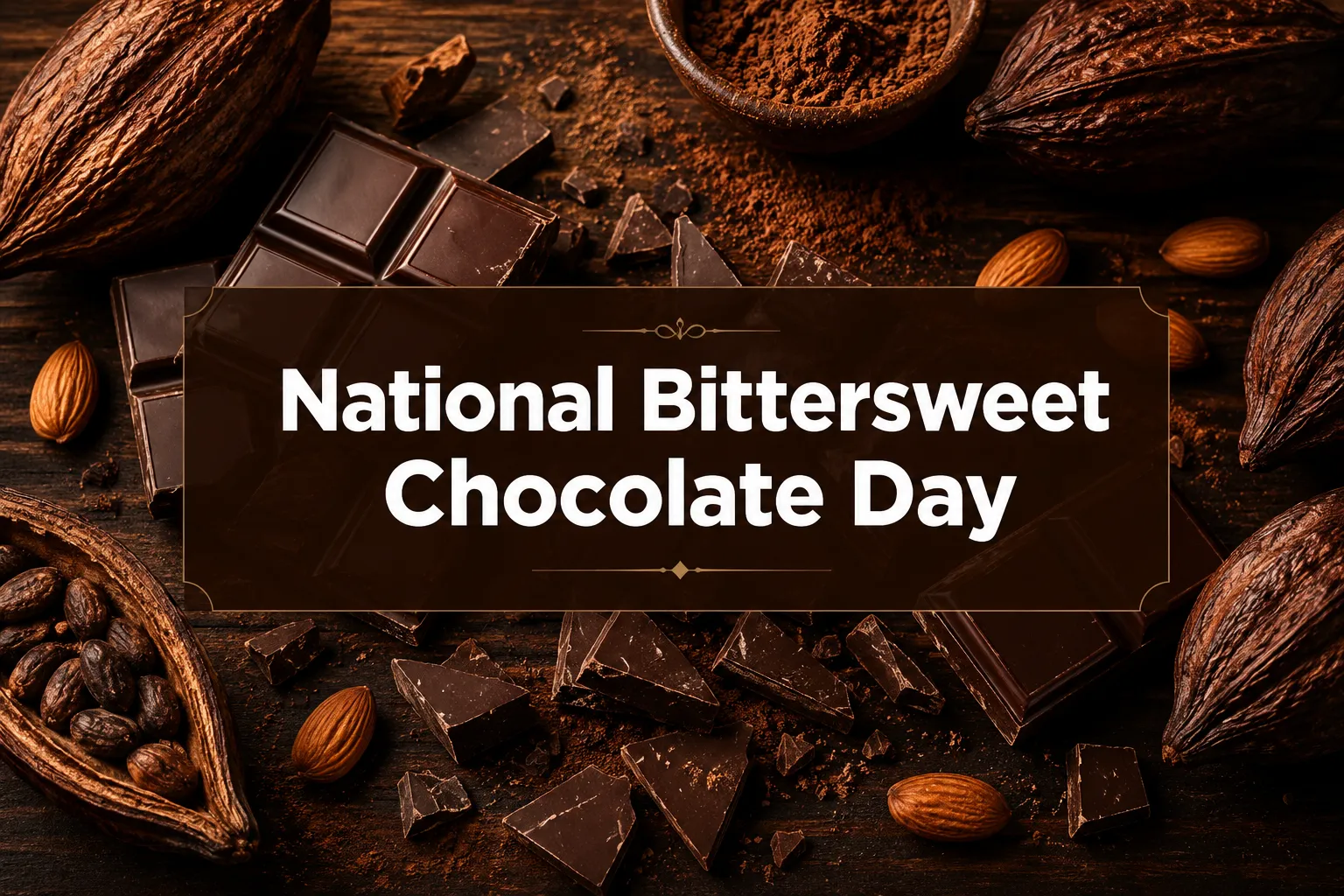
Quick Answer: January 10 National Bittersweet Chocolate Day is an annual food holiday celebrated every Jan 10 that honors bittersweet chocolate, a dark, rich variety containing at least 35% cacao, though most quality bars range from 65% to 85%. On this day, people eat, bake with, and share bittersweet chocolates, and food lovers around the world use the hashtag #BittersweetChocolateDay to celebrate national bittersweet chocolate on social media. In 2026, National Bittersweet Chocolate Day falls on Saturday, January 10.
Key Takeaways
- National Bittersweet Chocolate Day is observed every January 10, making Jan 10 one of the most delicious food holidays of the new year.
- Bittersweet chocolate contains a minimum of 35% cacao by FDA standard, though premium bars typically range from 60% to 85%.
- The holiday encourages people to eat a bittersweet chocolate bar, bake chocolate chip cookies or cake, and learn about the health benefits of dark chocolate.
- Bittersweet and semi-sweet chocolate are often used interchangeably in baking, but bittersweet generally has less sugar and a more intense flavor.
- Cacao cultivation originated in Mexico and Central America thousands of years ago, giving chocolate one of the richest food histories on the planet.
- Related chocolate holidays include National Chocolate Covered Cherry Day on January 3 and National Dark Chocolate Day on February 1.
- Sharing on Instagram with #BittersweetChocolateDay is one of the most popular ways to celebrate national bittersweet chocolate in 2026.
What Is National Bittersweet Chocolate Day?
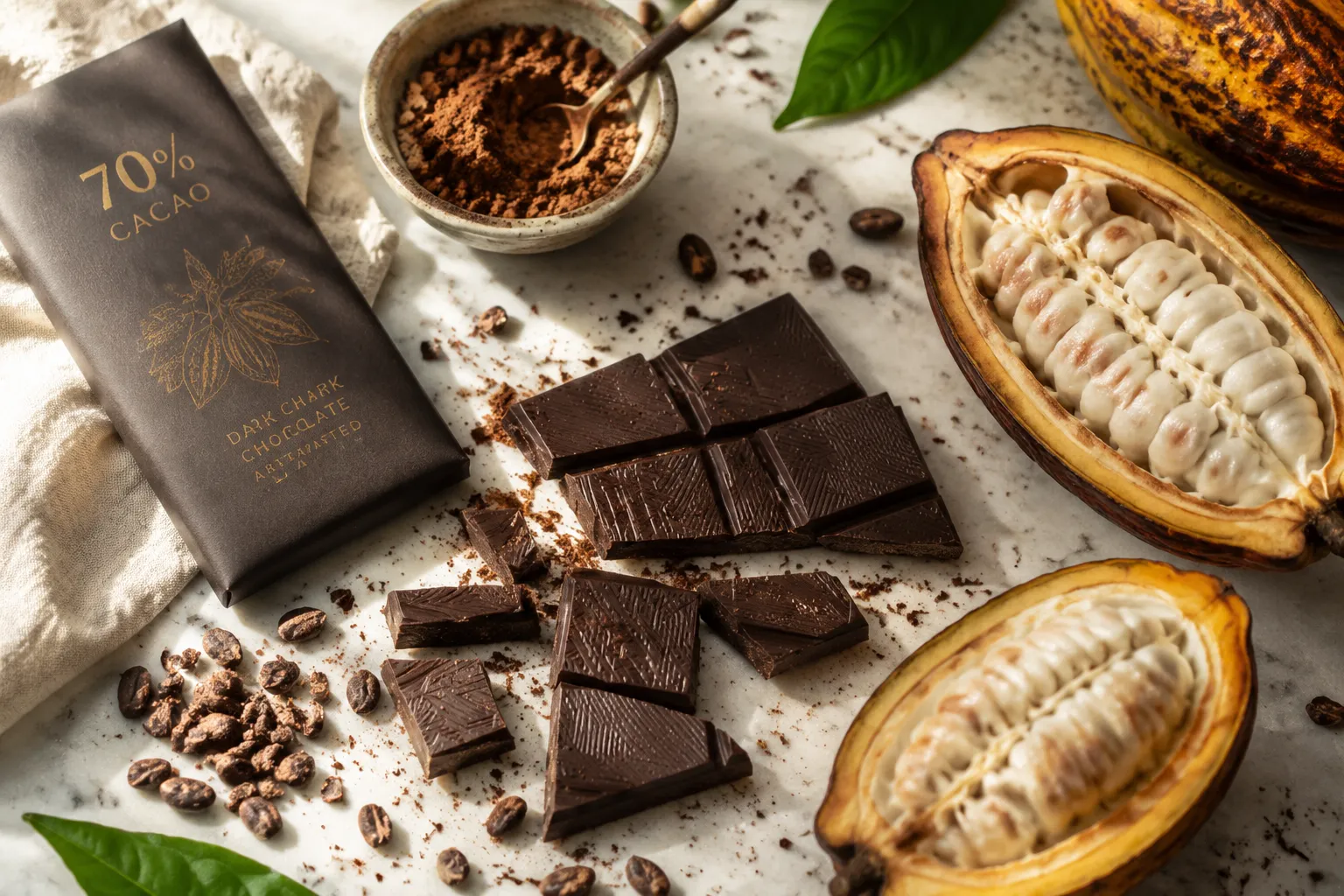
National Bittersweet Chocolate Day is an unofficial but widely Celebrated American food holiday observed every year on January 10. The day is dedicated specifically to bittersweet chocolate, a type of dark chocolate prized for its deep, complex flavor and relatively low sugar content. It sits on the national day calendar alongside dozens of other food observances that fill January, february, march, april, june, july, august, september, october, november, and december with reasons to eat well.
The holiday gives chocolate lovers, bakers, and food enthusiasts a reason to celebrate national bittersweet chocolate in all its forms: snacking on a chocolate bar, baking a rich cake, or simply learning about the food’s ancient roots. The observance is tracked by sites like National Today and promoted widely under the hashtag #BittersweetChocolateDay on Instagram and other platforms.
Who is it for? Anyone who enjoys chocolate, from casual snackers to serious baking enthusiasts. It is especially popular among people who prefer dark chocolate over milk chocolate because of its bold flavor and health benefits.
When Did National Bittersweet Chocolate Day Start? A Brief History
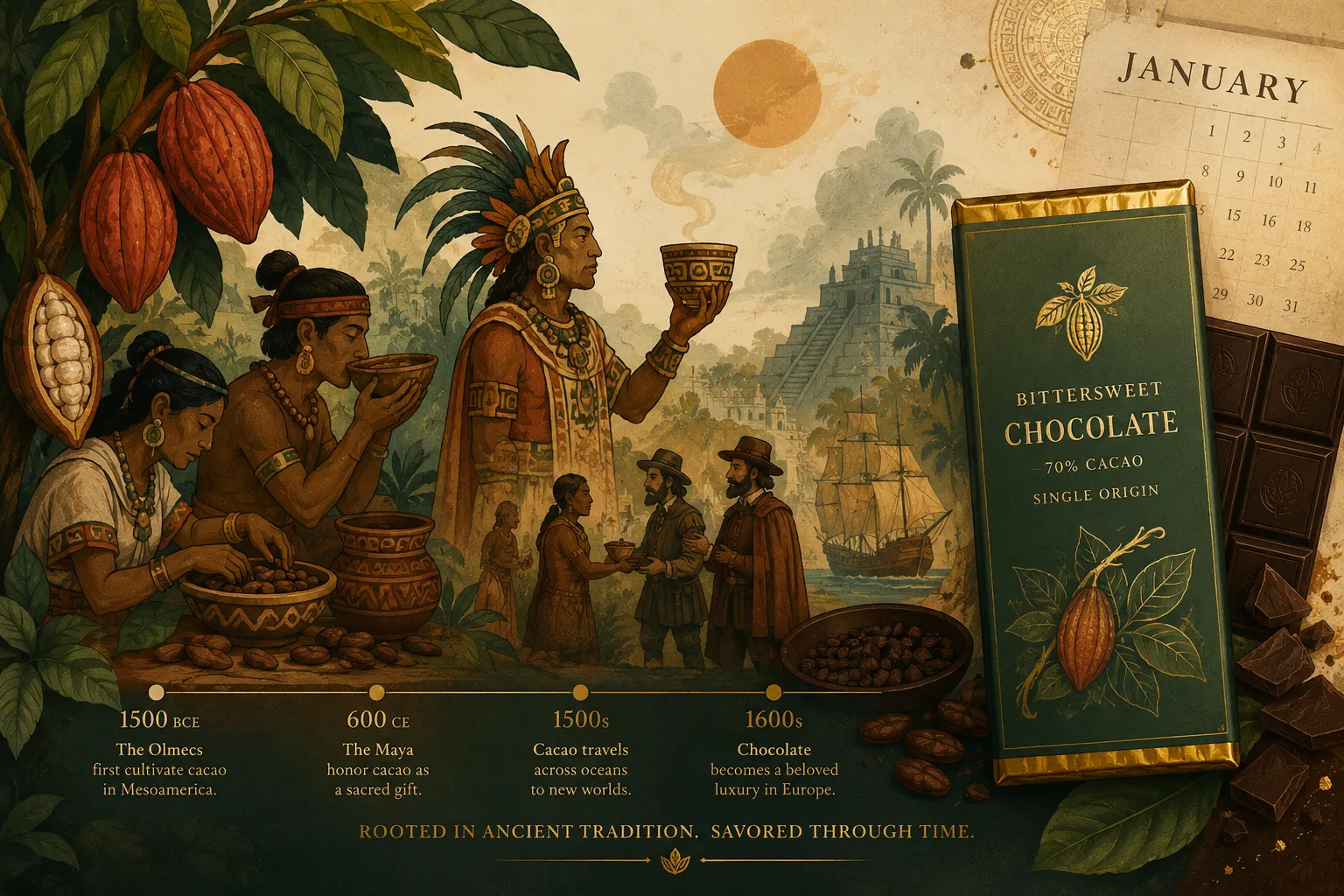
The precise origin of National Bittersweet Chocolate Day is not formally documented, which is common for many unofficial national food holidays. However, the history of chocolate itself stretches back thousands of years, rooted in Mexico and Central America where the cacao tree (Theobroma cacao) was first cultivated by ancient Mesoamerican civilizations including the Olmec, Maya, and Aztec peoples. The word “chocolate” derives from the Nahuatl word “xocolatl.”
Chocolate arrived in Europe in the 16th century and evolved from a bitter ceremonial drink into the sweetened confection people know today. Bittersweet chocolate as a distinct product category became formalized in modern food standards, with the U.S. Food and Drug Administration establishing that products labeled “bittersweet” or “semisweet” must contain at least 35% cacao liquor.
January 10th Celebrated History also includes other notable events: in 1776, Thomas Paine published “Common Sense”; in 1878, the U.S. Senate passed a bill for a Bland-Allison silver dollar; in 1947, the first issue of “Howdy Doody” aired; and in 1999, “The Sopranos” premiered on HBO. Famous people born on January 10 include physicist Katharine Burr Blodgett in 1898, jazz drummer Max Roach in 1924, and boxing champion George Foreman in 1949.
The national food holiday movement, which places a different food in the spotlight nearly every day of the year, gained significant momentum in the 2010s through social media and sites dedicated to the national day calendar. Today in 2026, January 10 is firmly established as the day to celebrate bittersweet chocolate.
Why Is January 10 Bittersweet Chocolate Day?
January 10 was designated as the annual date for this chocolate day national observance as part of the broader American tradition of assigning food holidays to specific calendar dates. No single founding organization has been officially credited, which is consistent with how many national food days are established, often through grassroots promotion, food industry advocacy, or calendar registries. Once a date gains traction on platforms like National Today and social media, it becomes self-reinforcing year after year.
The timing makes sense culturally: January is a month when people welcome comfort food after the holiday season, and chocolate, especially rich, dark bittersweet chocolate, fits that mood perfectly. The day also falls within a cluster of January national food days that give food lovers something to celebrate throughout the month.
How to Celebrate National Bittersweet Chocolate Day
Celebrating National Bittersweet Chocolate Day is straightforward: eat bittersweet chocolate, bake with it, share it, or learn about it. Here are the most popular ways people observe the holiday today.
Enjoy a Bittersweet Chocolate Bar
The simplest way to celebrate is to buy and eat a quality bittersweet chocolate bar. Look for bars with 65% to 75% cacao for a balanced experience, enough bitterness to be interesting, enough sweetness to be enjoyable. Pair it with almonds, dried fruit, or a glass of red wine for an elevated tasting experience. National Bittersweet Chocolate with Almonds Day is a related observance that highlights this classic pairing.
Bake Bittersweet Chocolate Chip Cookies
Baking is one of the most beloved ways to celebrate this chocolate day. Bittersweet chocolate chips or chopped chocolate bars produce cookies, brownies, and cake with a deeper, more complex flavor than standard milk chocolate chips. For a classic recipe, substitute bittersweet chocolate chips for semi-sweet in any standard chocolate chip cookies recipe, the result is a richer, less sweet cookie that showcases the chocolate’s natural flavor.
Bonus Bittersweet Chocolate Chip Cookies Recipe (simplified):
- 2 1/4 cups all-purpose flour
- 1 tsp baking soda
- 1 tsp salt
- 1 cup (2 sticks) unsalted butter, softened
- 3/4 cup granulated sugar
- 3/4 cup packed brown sugar
- 2 large eggs
- 2 tsp vanilla extract
- 2 cups bittersweet chocolate chips (60-70% cacao)
Cream butter and sugars, beat in eggs and vanilla, mix in dry ingredients, fold in chocolate chips, and bake at 375°F for 9-11 minutes. These cookies amp up the chocolate intensity compared to standard recipes.
Share on Social Media
Post a photo of your chocolate, baked goods, or cake on Instagram using #BittersweetChocolateDay. Tag food accounts and use related hashtags to connect with other people celebrating the day. In 2026, the hashtag continues to trend each January 10.
Learn About the Health Benefits
Read about the documented health benefits of dark chocolate and cacao. This is a great way to celebrate national bittersweet chocolate beyond just eating it. More on the health benefits appears in the dedicated section below.
For more food holiday celebrations throughout January, check out related observances like National Shortbread Day on January 6 and National Whipped Cream Day on January 5.

How Much Cacao Is in Bittersweet Chocolate? Percentage Explained
Bittersweet chocolate must contain a minimum of 35% cacao liquor under FDA standards, but in practice, most quality bittersweet chocolates sold today contain between 60% and 85% cacao. The percentage on a chocolate bar label refers to the total amount of cacao-derived ingredients, cacao liquor, cocoa butter, and sometimes cocoa powder, relative to the total weight of the bar.
Higher cacao percentages generally mean:
- Less sugar
- More intense, complex flavor
- More pronounced bitterness
- Higher concentration of cocoa flavanols
Common bittersweet chocolate percentages and their uses:
| Cacao % | Flavor Profile | Best Use |
|---|---|---|
| 60-65% | Mildly bitter, balanced | Cookies, cake, general baking |
| 66-72% | Distinctly dark, moderate sweetness | Ganache, brownies, bars |
| 73-85% | Intense, very low sugar | Tasting, pairing, advanced baking |
Bittersweet vs. Dark Chocolate vs. Semi-Sweet: What Is the Difference?
Bittersweet chocolate is a type of dark chocolate, but not all dark chocolate is labeled bittersweet. The FDA classifies both bittersweet and semi-sweet under the same “sweet chocolate” standard requiring at least 35% cacao, which means the terms are legally interchangeable in the United States. However, in practice and in baking, bittersweet chocolate typically has less sugar and a more intense cacao flavor than semi-sweet.
- Dark chocolate: A broad category covering any chocolate with significant cacao content and no milk solids. Includes bittersweet, semi-sweet, and extra-dark varieties.
- Bittersweet chocolate: Usually 60-85% cacao, low sugar, bold flavor. The star of National Bittersweet Chocolate Day.
- Semi-sweet chocolate: Usually 45-65% cacao, slightly sweeter. Common in standard chocolate chip cookies recipes.
- Milk chocolate: Contains milk solids, typically 10-40% cacao, much sweeter and creamier.
Choose bittersweet if you want a deeper chocolate flavor in baking or prefer less sugar in a snacking bar. Choose semi-sweet if the recipe calls for a milder chocolate flavor or you are baking for people who find dark chocolate too intense.
Health Benefits of Bittersweet Chocolate
Bittersweet chocolate offers several well-documented health benefits, primarily due to its high cacao content and the flavanols it contains. According to Harvard T.H. Chan School of Public Health, dark chocolate with high cacao content is associated with cardiovascular benefits including improved blood flow and reduced blood pressure. The American Heart Association notes that flavanol-rich cocoa products may support heart health as part of a balanced diet.
Key health benefits associated with bittersweet and dark chocolate:
- Antioxidants: Cacao is one of the most antioxidant-rich foods measured by ORAC value, according to research published in the Journal of Agricultural and Food Chemistry.
- Heart health: Cocoa flavanols have been linked to improved endothelial function and reduced LDL oxidation in multiple clinical studies reviewed by the European Food Safety Authority.
- Mood support: Chocolate stimulates the release of endorphins and contains small amounts of serotonin precursors, according to Cleveland Clinic.
- Mineral content: A 1-ounce serving of 70-85% dark chocolate provides approximately 15% of the daily value for magnesium and 19% for iron, per USDA FoodData Central.
Important note: These health benefits apply to chocolate with high cacao content and low sugar, not to milk chocolate or heavily sweetened confections. Moderation matters; a standard serving is about 1 ounce (28 grams).
Is Bittersweet Chocolate Good for Baking? Best Uses and Brands
Bittersweet chocolate is excellent for baking because its low sugar content and high cacao percentage give baked goods a more intense chocolate flavor without making them overly sweet. It works especially well in brownies, ganache, molten cake, truffles, and bittersweet chocolate chip cookies.
Top bittersweet chocolate brands worth trying in 2026:
- Valrhona (France), Guanaja 70% is a baking industry standard
- Scharffen Berger, 70% Bittersweet, a classic American craft chocolate
- Ghirardelli, 60% Bittersweet Baking Chips, widely available
- Callebaut, 70-30-38NV, a professional-grade Belgian option
- Guittard, 64% Semisweet/Bittersweet, excellent for cookies and bars
Where to buy bittersweet chocolate: Most grocery stores carry Ghirardelli bittersweet baking chips and bars. Specialty food stores, Williams-Sonoma, and Amazon stock Valrhona, Callebaut, and Guittard. For the widest selection of single-origin bars, visit a dedicated chocolate retailer or order directly from brand websites.
Baking tip: When a recipe calls for semi-sweet chocolate, you can substitute bittersweet chocolate using a 1:1 ratio and reduce added sugar by about 1 tablespoon per ounce to compensate for the lower sweetness.
For more baking tips and food holidays, explore the full January food holiday calendar on stillcooking.com.
What Foods Pair Well with Bittersweet Chocolate?
Bittersweet chocolate pairs well with foods and flavors that either complement or contrast its intensity. The key is balancing the chocolate’s bitterness and deep cacao flavor against sweetness, acidity, or richness.
Best food pairings for bittersweet chocolate:
- Almonds and nuts: The fat and mild sweetness of almonds balance the bitterness perfectly, hence the popularity of National Bittersweet Chocolate with Almonds Day.
- Dried fruits: Cherries, raspberries, and apricots add tartness that amp up the chocolate’s complexity.
- Sea salt: A pinch of flaky sea salt on a bittersweet chocolate bar or cookies heightens flavor perception dramatically.
- Red wine: Full-bodied reds like Cabernet Sauvignon or Zinfandel echo the tannins in high-cacao chocolate.
- Coffee and espresso: Shared flavor compounds make coffee and bittersweet chocolate a natural pairing in cake, tiramisu, and mocha recipes.
- Cheese: Aged cheeses like Manchego or Parmesan create a surprising but sophisticated contrast.
National Bittersweet Chocolate Day 2026 and Beyond: Key Dates
National Bittersweet Chocolate Day 2026 falls on Saturday, January 10, 2026, a weekend day, which makes it especially easy to celebrate with baking projects or a chocolate tasting at home. Looking ahead, the holiday will fall on Sunday, January 10, 2027 (january 2027).
Related chocolate and January food holidays to pin on your calendar:
- Jan 3: National Chocolate Covered Cherry Day
- Jan 5: National Whipped Cream Day
- Jan 6: National Shortbread Day
- Jan 10: National Bittersweet Chocolate Day
- Feb 1: National Dark Chocolate Day
- Jul 7 (july 2026): World Chocolate Day
The pattern of chocolate holidays runs across january february, february march april, march april june, june july august, july august september, august september october, september october november, and october november december, there is truly a chocolate day national observance for every season.
FAQ: National Bittersweet Chocolate Day
What is National Bittersweet Chocolate Day?
National Bittersweet Chocolate Day is an annual American food holiday celebrated on January 10. It honors bittersweet chocolate, a type of dark chocolate with at least 35% cacao and a bold, low-sugar flavor profile. People celebrate by eating bittersweet chocolate bars, baking with it, and sharing posts on Instagram using #BittersweetChocolateDay. The holiday appears on the national day calendar and is tracked by food observance sites like National Today.
What do people do on National Chocolate Day?
On National Chocolate Day (and related observances like National Bittersweet Chocolate Day), people eat chocolate in various forms, bake chocolate recipes such as brownies, cake, and chocolate chip cookies, visit chocolatiers or candy shops, and share photos on social media. Some retailers offer promotions or free samples. People also use the day to learn about chocolate’s history, cacao cultivation, and the health benefits of dark chocolate.
What is meant by bittersweet chocolate?
Bittersweet chocolate is a type of dark chocolate that contains a high percentage of cacao, typically 60% to 85%, and relatively little sugar, giving it a bold, slightly bitter flavor with complex notes. The FDA defines bittersweet and semi-sweet chocolate as products containing at least 35% cacao liquor. In baking, bittersweet chocolate produces a more intense chocolate flavor than milk or semi-sweet varieties, making it a favorite for brownies, ganache, and rich chocolate cake.
What can I get for free on National Chocolate Day?
On National Chocolate Day and related chocolate holidays, some chocolate brands, candy shops, and retailers offer free samples, promotional discounts, or buy-one-get-one deals. Checking the websites and social media accounts of brands like Ghirardelli, Godiva, and local chocolatiers on the day itself is the best way to find current offers. In 2026, following #BittersweetChocolateDay and #NationalChocolateDay on Instagram will surface real-time promotions as they are announced.
Conclusion
January 10 National Bittersweet Chocolate Day is a genuinely enjoyable food holiday that gives chocolate lovers a reason to celebrate one of the most complex and health-supportive forms of chocolate available. Whether the plan is to snap a square off a 72% bittersweet bar, bake a batch of bittersweet chocolate chip cookies, or simply post a photo with #BittersweetChocolateDay on Instagram, the day is easy to observe and deeply satisfying.
Actionable next steps for Jan 10, 2026:
- Buy a quality bittersweet chocolate bar (60-75% cacao) from a trusted brand like Ghirardelli, Valrhona, or Guittard.
- Bake one bittersweet chocolate recipe, cookies, brownies, or a simple molten cake amp up the celebration considerably.
- Share the experience on Instagram with #BittersweetChocolateDay and #NationalBittersweetChocolateDay.
- Read about the documented health benefits of cacao from a source like Harvard T.H. Chan School of Public Health.
- Pin this page and mark your calendar for January 10, 2027, so you are ready to celebrate national bittersweet chocolate again next year.
For more national food holidays throughout January and beyond, explore the full calendar at stillcooking.com.