
Last updated: November 4, 2026
Quick Answer
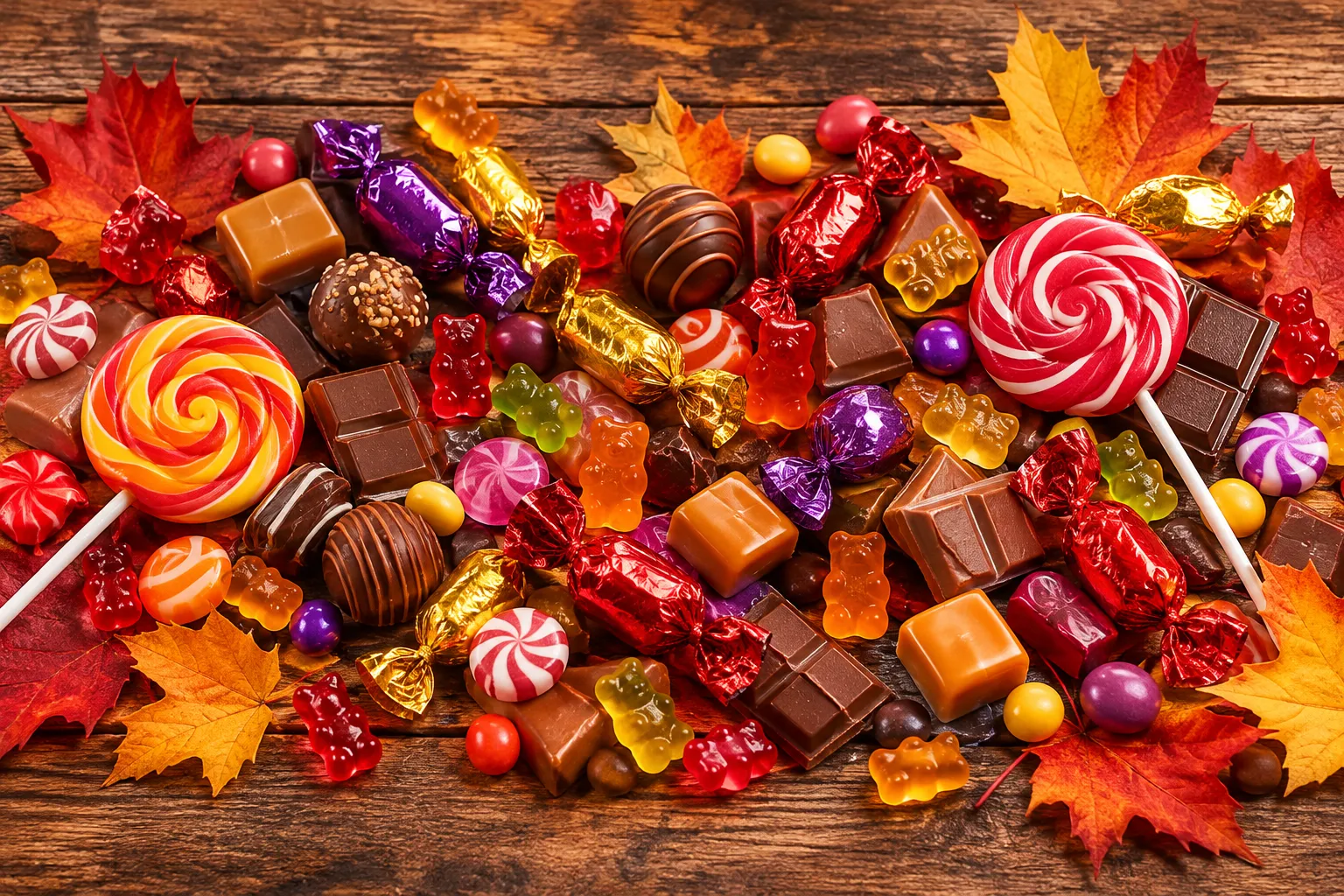
November 4 National Candy Day is an informal annual observance celebrated across the United States and Canada on November 4 each year. It encourages people to enjoy, share, and discover all types of candy, from chocolate bars and gummies to hard candies and licorice. The day is not a federal holiday but is widely recognized by food retailers, media outlets, and candy manufacturers as a fun seasonal celebration.
Key Takeaways
- November 4 National Candy Day falls every year on November 4, landing just four days after Halloween in 2026
- The observance is not a federally proclaimed holiday; it is an informally promoted food day recognized across North America
- The U.S. candy manufacturing industry is estimated at approximately $12.5 billion in market size in 2026, according to IBISWorld
- Hard candy alone reached about $2.1 billion in sales for the 52-week period ending June 2026, up 3.1% year-over-year, per Circana data
- Sugar and confectionery products manufacturing employed over 81,000 workers in the U.S. as of March 2026, per the Bureau of Labor Statistics
- Common celebrations include candy swaps, homemade candy making, office treat stations, and retail promotions
- People with nut, dairy, or gluten allergies should check labels carefully, as many popular candies contain common allergens
- November 4 sits within a broader autumn candy season that includes Halloween, making it a natural extension of seasonal sweet indulgence
What Is National Candy Day and Why November 4?
National Candy Day is an annual food observance dedicated to celebrating candy in all its forms, from milk chocolate bars and caramel chews to sour gummies and peppermint hard candies. It is observed every year on November 4, placing it squarely in the peak autumn candy season [1][2].
The date was not chosen by a government body or a single founding organization. Instead, it emerged organically through unofficial food holiday registries and media coverage. Its placement on November 4 makes practical sense: it falls just four days after Halloween, a period when candy is already front of mind for millions of households across North America [3][4].
Why this date works:
- Leftover Halloween candy is still plentiful in most homes
- Retail candy promotions carry over from October into early November
- Consumers are in a sweet-focused mindset heading into the holiday season
History of Why November 4 Became National Candy Day
The precise origin of November 4 National Candy Day is not attributed to a single person, law, or organization. Like many informal food holidays, it was established through repeated recognition by online holiday calendars, food media, and retail marketers rather than through any formal proclamation [2][5].
What is documented is the broader history of candy in America. Candy first arrived in the United States in the 18th century, introduced from France and Great Britain, and was initially a luxury reserved for the wealthy. Industrial manufacturing in the 19th and early 20th centuries made candy affordable and widely accessible, transforming it into a staple of American culture [6].
National Day Calendar, one of the most widely cited holiday registries, frames November 4 National Candy Day as a fun follow-up to Halloween, reinforcing its place in the autumn candy calendar rather than positioning it as a standalone civic event [6]. The day appears in both U.S. and Canadian holiday listings, confirming its informal but cross-border relevance [1][4].
Is National Candy Day Actually a Real Holiday or Just Marketing?
National Candy Day is real in the sense that it is consistently observed and widely covered, but it carries no legal status. It is not a federal holiday, a state proclamation, or a United Nations observance. Instead, it belongs to the growing category of unofficial food days driven by media, marketers, and consumer culture [3][5].
Major sources including Punchbowl, Days of Observance, Calendarena, and Calendarr all list it as an observance rather than an official holiday [1][3][4][5]. That said, retailers, candy brands, and food bloggers treat it as a genuine marketing moment, running promotions and creating content around November 4 each year.
Bottom line: If you are looking for a day off work, National Candy Day will not provide one. If you are looking for an excuse to buy discounted candy or host a sweet-themed event, it is as real as any food holiday gets.
Best Candy Deals and Where to Buy Cheap Candy on November 4
The best candy deals on November 4 National Candy Day typically come from retailers capitalizing on post-Halloween markdown cycles. Grocery chains, big-box stores, and online retailers often continue discounting seasonal candy well into the first week of November.
Where to look for deals:
- Grocery stores (Kroger, Publix, Safeway): Post-Halloween clearance often runs 50-75% off on bagged candy varieties through November 5-7
- Big-box retailers (Walmart, Target, Costco): Bulk candy bags see the steepest markdowns post-Halloween
- Drug store chains (CVS, Walgreens, Rite Aid): Known for aggressive candy clearance in early November
- Online retailers (Amazon, Candy.com): Good for specialty or hard-to-find candies year-round
- Warehouse clubs: Best value for party-size quantities
One caveat: Halloween candy sales showed a 6.7% decline in the month ending October 17, 2026, compared to the prior year, according to NielsenIQ data reported by NSJ Online [7]. Softer demand may mean even deeper discounts are available heading into National Candy Day this year.
Most Popular Candies People Buy on National Candy Day
The most popular candies on and around November 4 National Candy Day mirror the broader top sellers in the U.S. candy market, with seasonal Halloween varieties carrying over directly into early November [8][9].
Top candy categories by sales performance in 2026:
| Category | Approximate Annual Sales | Year-over-Year Change |
|---|---|---|
| Hard sugar candy | ~$2.1 billion | +3.1% |
| Chocolate candy (everyday) | Multi-billion range | Varies by brand |
| Non-chocolate candy | Multi-billion range | Modest growth |
Source: Circana data via Snack & Bakery [8] and ECRM [9]
Most recognized brands in hard candy (52-week period ending June 2026):
- Hershey: ~$273.3 million, up 8.6%
- Mars Wrigley: ~$219 million, up 26.1%
- Ferrara: ~$191.1 million, up 21.1%
Beyond hard candy, chocolate bars, peanut butter cups, gummy candies, and caramels consistently rank among the top purchases during the autumn sweet season [8][9].
How Do Most People Celebrate National Candy Day?
Most people celebrate November 4 National Candy Day by buying or sharing candy, often using leftover Halloween stock. Celebrations range from simple personal indulgences to organized events at schools and workplaces [2][3][4].
Common ways people celebrate:
- Eating or sharing leftover Halloween candy with family
- Visiting a candy shop or specialty confectionery
- Making homemade candy (fudge, caramel, chocolate bark)
- Organizing a candy swap with friends or coworkers
- Sharing candy-themed content on social media with relevant hashtags
- Gifting candy to neighbors or colleagues
Fun Ways to Celebrate National Candy Day at Work
Celebrating November 4 National Candy Day at the office is straightforward and low-cost. It works well as a morale-building activity that requires minimal planning.
Practical office celebration ideas:
- Candy bar station: Set up a table with labeled jars of different candies so coworkers can fill small bags
- Candy trivia quiz: Run a quick 10-question quiz about candy history and brands during a lunch break
- Best homemade candy contest: Invite staff to bring in one homemade sweet, with a simple vote for the favorite
- Candy gift exchange: Each participant brings one wrapped bag of their favorite candy and draws randomly
- Candy-themed desk decorating: Encourage teams to decorate with candy wrappers or themed colors (red, gold, brown)
These activities work for teams of any size and budget, since participants often supply the candy themselves.
Can You Do a Candy Exchange on National Candy Day?
A candy exchange is one of the most popular structured ways to mark November 4 National Candy Day, and it works in offices, classrooms, neighborhood groups, and family gatherings. The format is simple: each participant brings one pre-agreed quantity of a candy of their choice, and everyone swaps or draws randomly.
How to run a candy exchange:
- Set a participation limit and candy quantity (e.g., one bag per person, enough for 10 pieces each)
- Decide on a format: white elephant draw, one-for-one swap, or open table where everyone takes freely
- Optionally add a “candy passport” card where each person writes one fact about their candy
- Set an allergen disclosure rule so participants can opt out of items safely
Homemade Candy Recipes for National Candy Day
Homemade candy is one of the most rewarding ways to celebrate November 4 National Candy Day. Basic recipes require only a few pantry staples and no specialized equipment beyond a candy thermometer.
Four beginner-friendly homemade candy ideas:
- Chocolate bark: Melt dark or milk chocolate, spread on parchment, top with nuts, dried fruit, or crushed candy canes, and chill until firm. No thermometer needed.
- Classic fudge: Combine sugar, butter, and evaporated milk; cook to soft-ball stage (235-240°F); beat until thick; pour into a lined pan. For more fudge inspiration, see the 268 Fudge Cookbook.
- Caramel chews: Cook sugar, cream, butter, and corn syrup to firm-ball stage (245-250°F); pour into a pan, cool, and cut into squares.
- Peppermint hard candy: Boil sugar and corn syrup to hard-crack stage (300-310°F); add peppermint extract and food coloring; pour thin onto a silicone mat and break when cool.
For baking and confectionery tips that complement candy making, the cookie baking tips resource covers foundational techniques applicable to many candy recipes. If you want to explore a wide range of sweet and savory kitchen projects, the 928 Easy Cookbook offers accessible recipes for home cooks at any skill level.
Best Candy Gift Ideas for November 4
Candy gifts for National Candy Day range from inexpensive grab-and-go treats to curated artisan boxes. The right choice depends on the recipient’s preferences and any dietary restrictions.
Gift ideas by budget and occasion:
- Under $15: A mixed bag of classic candies (Reese’s, Skittles, Twizzlers, M&Ms) in a cellophane bag with a ribbon
- $15,$40: A curated artisan chocolate assortment from a local confectionery or specialty online retailer
- $40+: A build-your-own candy gift basket with gourmet chocolates, fudge, caramels, and a small bottle of hot cocoa
- For kids: A personalized candy bucket with their name and a selection of age-appropriate sweets
- For coworkers: Individual candy bars or single-serve packs left on desks
Always check for nut or dairy allergies before gifting, particularly with chocolate-based boxes.
Which Candies Should People with Allergies Avoid on Candy Day?
People with common food allergies need to read candy labels carefully on November 4 National Candy Day, as many popular sweets contain the top nine allergens recognized by the FDA: milk, eggs, fish, shellfish, tree nuts, peanuts, wheat, soybeans, and sesame.
Common allergen risks in popular candy categories:
- Peanuts: Reese’s, Butterfinger, peanut M&Ms, Pay Day
- Tree nuts: Many premium chocolates, Almond Joy, Ferrero Rocher
- Milk/dairy: Most milk chocolate bars, caramels, fudge, toffee
- Wheat/gluten: Some licorice (Twizzlers contain wheat flour), certain wafer candies
- Soy: Widely used as an emulsifier in chocolate; check labels on any chocolate product
- Sesame: Increasingly required to be declared on U.S. labels; found in some international candy varieties
Safer options for common restrictions:
- Gummy candies (Surf Sweets brand is allergen-free)
- Lollipops (Yummy Earth are free of top allergens)
- Hard candies made without dairy or nuts
- Dark chocolate brands that are certified dairy-free
Always look for “may contain” cross-contamination warnings, which matter as much as direct ingredient listings for people with severe allergies.
Kids-Friendly Candy Options for National Candy Day
Kid-friendly candy choices for November 4 National Candy Day prioritize lower choking risk, manageable sugar content, and allergen awareness. For younger children, soft and chewy candies are safer than hard candies, which present a choking hazard for children under four.
Age-appropriate picks:
- Ages 2-4: Soft fruit chews (cut into smaller pieces), yogurt-covered raisins
- Ages 5-8: Gummy bears, fruit snacks, small chocolate pieces, lollipops with supervision
- Ages 9+: Most standard candy is appropriate; introduce variety with novelty items like Pop Rocks or candy necklaces
Lower-sugar alternatives for health-conscious parents:
- Fruit leather (look for no added sugar varieties)
- Dark chocolate squares (small portions, 70%+ cocoa)
- Dried fruit coated in yogurt
Are There Other National Candy Days in the Year?
November 4 National Candy Day is the most widely recognized general candy observance, but several candy-specific food days appear throughout the calendar year. For example, National Chocolate Pudding Day falls on June 26, as covered in this guide to National Chocolate Pudding Day history and recipes. There are also days dedicated to individual candy types throughout the year.
Selected candy-related food days:
- National Caramel Day: April 5
- National Gummy Worm Day: July 15
- National Lollipop Day: July 20
- National Chocolate Day: October 28
- National Hard Candy Day: December 19
- National Candy Cane Day: December 26
Each of these observances follows the same informal, media-driven model as November 4 National Candy Day. For more food holiday coverage throughout the year, the food holidays in September tag offers a useful reference for the broader calendar of culinary celebrations.
The Candy Industry Behind National Candy Day
The commercial backdrop to November 4 National Candy Day is a substantial one. IBISWorld estimates the U.S. candy manufacturing industry at approximately $12.5 billion in market size in 2026, with roughly 1,715 businesses operating in the sector [8][9]. Revenue has grown at a compound annual rate of about 1.0% over the past five years, with a modest 0.3% increase projected for 2026.
Employment in the sector is significant: the U.S. Bureau of Labor Statistics reported that sugar and confectionery products manufacturing employed 81,324 workers as of March 2026, including over 40,000 in chocolate and confectionery manufacturing alone [10]. These figures underscore that candy is not a trivial consumer category. It supports tens of thousands of jobs and generates billions in economic activity annually [8][10].
Despite strong structural fundamentals, the industry faces short-term headwinds. Halloween candy sales fell 6.7% in the month ending October 17, 2026, with mid-September seeing an 11.7% decline, attributed to consumers shifting spending to other categories [7]. Marketers will likely lean harder on informal observances like National Candy Day to stimulate demand in a softer seasonal environment [7][9].
Conclusion
November 4 National Candy Day is a genuinely fun, low-barrier celebration with something for everyone, whether that means hunting for post-Halloween discounts, organizing a workplace candy swap, or trying a homemade fudge recipe for the first time. While it carries no official government status, its recognition across North America and its support from a multi-billion-dollar industry make it a firmly established part of the autumn food calendar.
Actionable next steps for November 4, 2026:
- Shop early: Check local grocery and drug store clearance sections by November 3 for the best post-Halloween deals
- Plan an exchange: Set up a simple candy swap format at work or in your neighborhood, 15 minutes of planning is all it takes
- Try one homemade recipe: Chocolate bark requires no special equipment and takes under 30 minutes
- Check labels: If gifting or hosting, confirm allergen status of every candy you serve
- Explore the candy calendar: Use November 4 as a starting point to discover other food observances throughout the year
Candy has been part of human celebration for centuries. One day a year dedicated to it is well earned.
FAQ
What date is National Candy Day? National Candy Day is observed every year on November 4. In 2026, it falls on a Wednesday.
Is National Candy Day a federal holiday? No. It is an informal, privately promoted observance with no legal status at the federal or state level. It is listed on unofficial holiday registries and food media sites.
Why is National Candy Day on November 4? The date places it four days after Halloween, making it a natural continuation of the autumn candy season when candy is already widely available and discounted.
Who started National Candy Day? No single founder or organization is officially credited. The observance grew through online holiday registries, food media, and retail marketing rather than through a formal proclamation.
How big is the U.S. candy industry? IBISWorld estimates the U.S. candy manufacturing industry at approximately $12.5 billion in market size in 2026, with about 1,715 businesses in the sector.
What are the most popular candies on National Candy Day? Chocolate bars, peanut butter cups, gummy candies, hard candies, and caramels are among the top sellers. Hard sugar candy alone reached approximately $2.1 billion in annual sales in 2026.
Are there candy deals specifically on November 4? Retailers do not always run November 4-specific promotions, but post-Halloween clearance sales at grocery stores, big-box retailers, and drug store chains commonly run through the first week of November, making early November one of the cheapest times to buy candy.
What candy is safe for people with peanut allergies? Allergen-free options include Yummy Earth lollipops, Surf Sweets gummies, and most plain fruit-flavored hard candies. Always verify labels for cross-contamination warnings.
Can kids celebrate National Candy Day? Yes. Soft gummies and fruit chews are appropriate for younger children, while older kids can enjoy a wider variety. Avoid hard candies for children under four due to choking risk.
Is National Candy Day celebrated outside the United States? It appears on Canadian holiday calendars and is informally observed across North America, though it has no official recognition in any country.
What homemade candy is easiest for beginners? Chocolate bark is the most accessible homemade candy: it requires only melted chocolate and toppings, no thermometer, and sets in under an hour.
Are there other national candy days besides November 4? Yes. Other candy-related food days include National Caramel Day (April 5), National Lollipop Day (July 20), National Chocolate Day (October 28), and National Hard Candy Day (December 19).
References
- National Candy Day. calendarr.com.
- National Candy Day. holidayscalendar.com.
- Candy Day. punchbowl.com.
- National Candy Day. daysofobservance.com.
- National Candy Day. calendarena.com.
- Oh How Sweet IT Is Wednesday Is National Candy Day. fox29.com.
- Halloween Candy Sales Sluggish Start. nsjonline.com.
- 116335 State of the Industry 2026 Hard Candy Has a Sweet Sales Year. snackandbakery.com.
- Circana State of the Candy Industry. ecrm.marketgate.com.
- Haul O Ween Sugar and Confectionery Products Manufacturing. bls.gov.