Last updated: September 10, 2026
Quick Answer
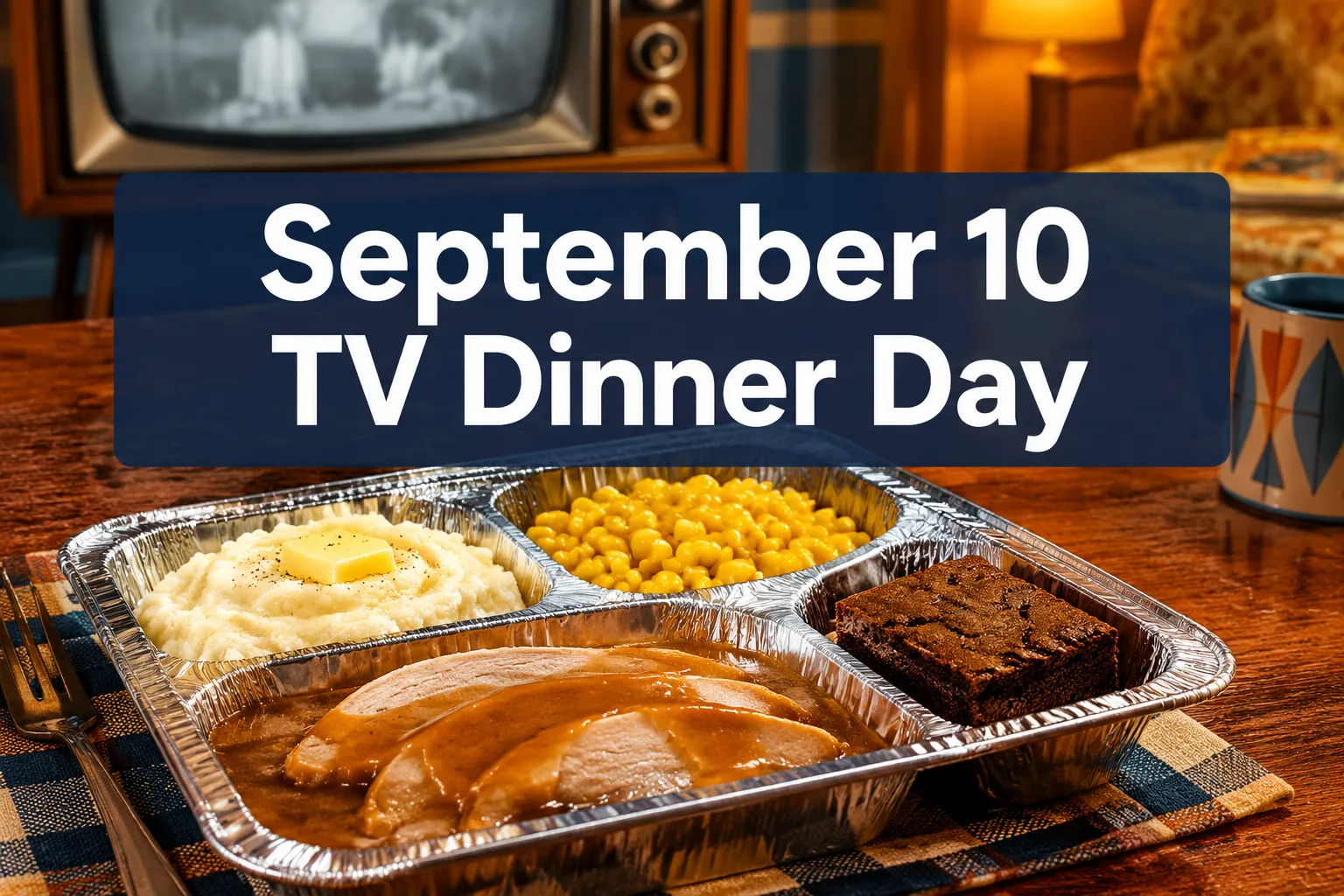
September 10 TV Dinner Day is an annual informal food holiday observed in the United States on September 10 each year. It celebrates the convenience, nostalgia, and cultural legacy of the prepackaged frozen meal, most famously launched by Swanson in 1953. The day has no federal recognition or documented founder, but it is widely acknowledged in food media, lifestyle publications, and social channels. [1][2]
Key Takeaways
- September 10 is recognized as TV Dinner Day (also called National TV Dinner Day) each year in the United States.
- The holiday is informal and non-federal, with no single founding organization or official proclamation on record.
- Swanson’s 1953 aluminum-tray frozen meal is widely credited as the product that launched the TV dinner category.
- The day is a chance to celebrate convenience food culture, whether by buying a classic frozen meal or making a homemade version.
- Modern frozen meals have expanded well beyond the original turkey-and-corn format, now including organic, plant-based, and globally inspired options.
- TV dinners remain popular in 2026, driven by busy schedules, single-person households, and improved product quality.
- Celebrations can be as simple as eating a frozen meal in front of the TV or as involved as hosting a retro-themed dinner party.
- Deals and discounts on frozen meals frequently appear around September 10 at major grocery retailers.
What Is TV Dinner Day?
TV Dinner Day is an annual observance that honors the frozen, prepackaged meal and its role in shaping modern food culture. The day is informal, meaning there is no government body or major institution that officially sanctions it, but it is consistently recognized across food holiday calendars, lifestyle websites, and social media communities. [1][4]
The term “TV dinner” originally referred to a complete meal packaged in a divided aluminum tray, designed to be heated and eaten while watching television. Over time, the phrase expanded to cover almost any frozen, single-serving meal sold in a box or tray.
Why it matters: TV dinners changed how Americans thought about cooking, convenience, and mealtime. Celebrating the day is as much about recognizing a cultural shift as it is about eating a frozen entrée.
When Is TV Dinner Day Celebrated?
TV Dinner Day falls on September 10 every year. In 2026, September 10 falls on a Thursday. [8][9] The date does not shift or rotate; it is fixed at September 10 regardless of the day of the week.
The holiday is sometimes listed as “National TV Dinner Day” on American food holiday calendars, though the “National” designation is informal rather than congressionally recognized. [1][10]
Quick reference:
| Year | Date | Day of Week |
|---|---|---|
| 2025 | September 10 | Wednesday |
| 2026 | September 10 | Thursday |
| 2027 | September 10 | Friday |
Why Is September 10 TV Dinner Day? The History Behind the Date
No single verified source explains why September 10 was chosen as the date for this observance. The holiday has no documented founder and no official origin story on record, which is common among informal American food holidays. [1][5] What is clear is that the date has been consistently observed and listed on food holiday calendars for several years, giving it a stable identity even without a formal backstory.
The choice of early September may have a loose cultural logic: fall is when television networks traditionally launched their new broadcast seasons, making it a fitting time to honor the meal that became synonymous with watching TV.
The History of TV Dinners
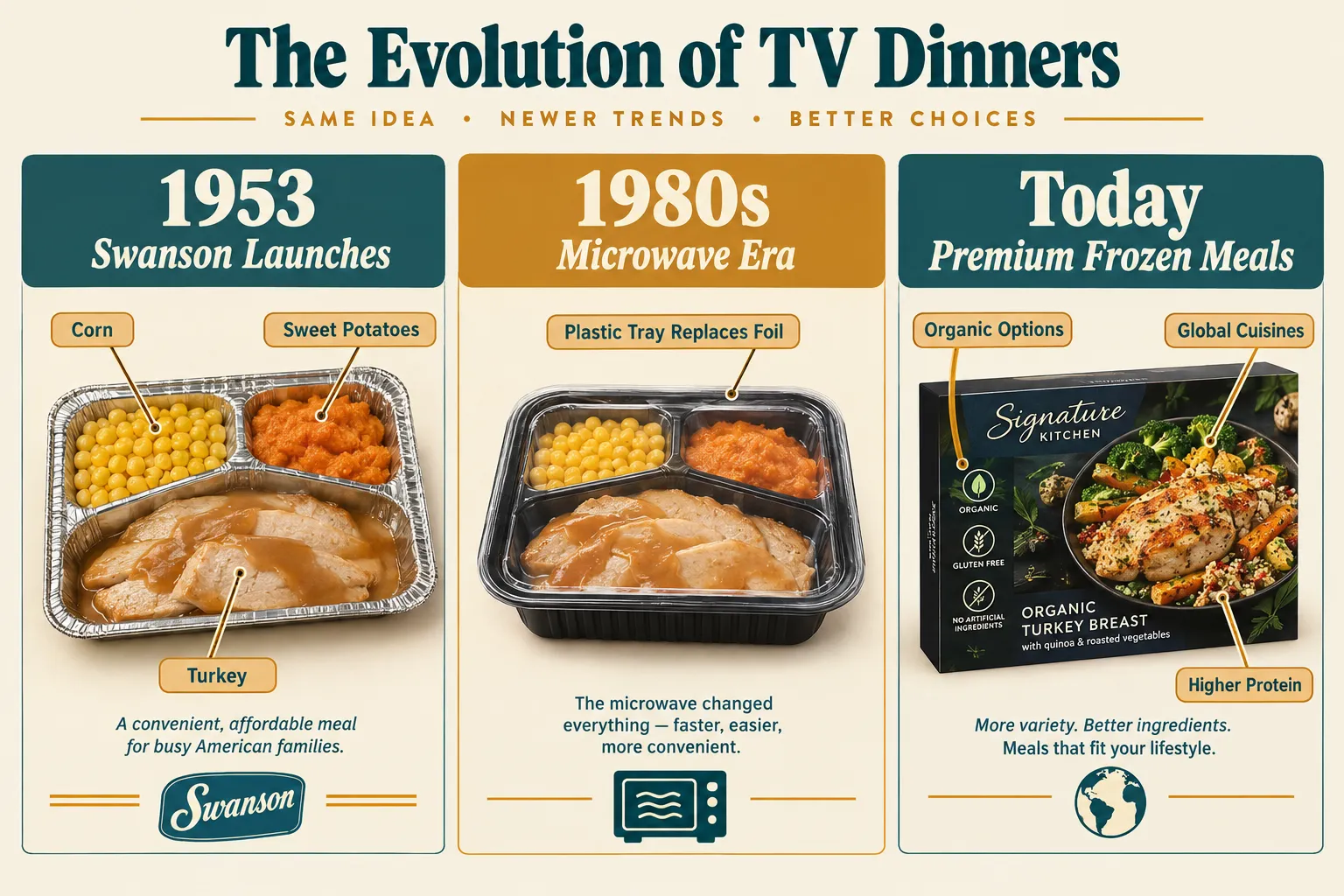
The TV dinner was born in 1953 when the Swanson company packaged a complete turkey meal into a divided aluminum tray modeled after airline food service trays. The product was designed to be heated in a conventional oven and eaten while watching television, a pastime that was rapidly becoming central to American home life. [1][5]
Key milestones in TV dinner history:
- 1953: Swanson introduces the first commercially marketed TV dinner in the United States, featuring turkey, cornbread dressing, gravy, sweet potatoes, and buttered peas.
- 1960s, 1970s: Competing brands enter the market; product variety expands to include chicken, beef, and seafood options.
- 1980s: The microwave oven becomes a household staple, prompting manufacturers to replace aluminum trays with microwave-safe plastic and cardboard packaging.
- 1990s, 2000s: Premium and health-focused brands emerge, offering lower-sodium, organic, and vegetarian options.
- 2010s, 2020s: Plant-based and globally inspired frozen meals become mainstream, with brands targeting specific dietary needs.
The category has come a long way from the original aluminum tray, but the core appeal, a complete, ready-to-heat meal, remains unchanged.
Do People Still Eat TV Dinners?
Yes, frozen meals remain a significant part of the American diet in 2026. Busy schedules, smaller household sizes, and improved product quality have kept demand strong. The frozen food category as a whole has seen sustained consumer interest, particularly following shifts in home eating habits over the past several years. [5][6]
Modern “TV dinners” bear little resemblance to the sodium-heavy, beige-toned trays of the 1950s. Today’s options include:
- Organic and non-GMO certified meals
- Plant-based and vegan entrées
- High-protein, calorie-controlled options
- International cuisines (Thai, Indian, Mediterranean, and more)
- Chef-developed premium lines sold at specialty retailers
Are TV Dinners Actually Bad for You?
TV dinners vary widely in nutritional quality, so a blanket answer does not apply. Some frozen meals are high in sodium, saturated fat, and refined carbohydrates. Others are well-balanced, portion-controlled, and made with whole ingredients.
What to watch for on the label:
- Sodium: Many classic frozen meals contain 700-1,200 mg of sodium per serving, which is a significant portion of the recommended daily limit of 2,300 mg.
- Protein: Higher-protein options (20g or more per serving) tend to be more satisfying and nutritionally useful.
- Ingredient list: Shorter lists with recognizable ingredients generally indicate less processing.
- Calories: Single-serve meals typically range from 250 to 600 calories, which can fit into most dietary patterns.
Decision rule: Choose a frozen meal with under 700 mg of sodium, at least 15g of protein, and a short ingredient list if you want the most nutritionally sound option. Avoid meals where the first three ingredients are refined starches or added sugars.
Best TV Dinners to Buy and Healthiest TV Dinner Brands
Several brands consistently earn positive marks from nutrition-focused reviewers. The best choice depends on dietary goals, but these categories represent the current market well:
- Best for low sodium: Amy’s Kitchen offers a range of meals with sodium levels under 600 mg, using organic ingredients.
- Best for high protein: Lean Cuisine Protein Kick and Healthy Choice Power Bowls both target 20g or more of protein per serving.
- Best plant-based: Tattooed Chef and Sweet Earth provide plant-based options with clean ingredient profiles.
- Best classic experience: Swanson and Banquet remain the go-to brands for the traditional TV dinner format, including the original turkey meal.
- Best premium option: Saffron Road and Trader Joe’s store-brand frozen meals offer higher-quality ingredients at a modest step up in price.
How Much Do TV Dinners Cost?
TV dinners are among the most affordable prepared meal options available. Prices in 2026 generally fall into three tiers:
- Budget brands (Banquet, Great Value): roughly $1.00,$2.50 per meal
- Mid-range brands (Lean Cuisine, Healthy Choice, Marie Callender’s): roughly $3.00,$6.00 per meal
- Premium brands (Amy’s, Saffron Road, Trader Joe’s specialty): roughly $5.00,$10.00 per meal
These are general market estimates based on typical grocery retail pricing; actual prices vary by region and retailer. Buying in bulk or using store loyalty apps can reduce costs further.
TV Dinner Day Deals and Discounts
Grocery retailers and frozen food brands frequently run promotions around September 10 TV Dinner Day. Common deal formats include:
- Buy-one-get-one offers on frozen meal brands
- Loyalty card discounts at major chains (Kroger, Safeway, Walmart, Target)
- Digital coupons through apps like Ibotta and Fetch Rewards
- Social media giveaways from brands like Lean Cuisine and Amy’s Kitchen
Tip: Check your grocery store’s weekly circular starting the week before September 10. Many retailers schedule frozen food promotions to align with the observance even if they don’t explicitly name the holiday.
TV Dinners vs. Home-Cooked Meals
TV dinners and home-cooked meals serve different needs, and the comparison is most useful when framed around specific circumstances rather than a simple “better or worse” judgment.
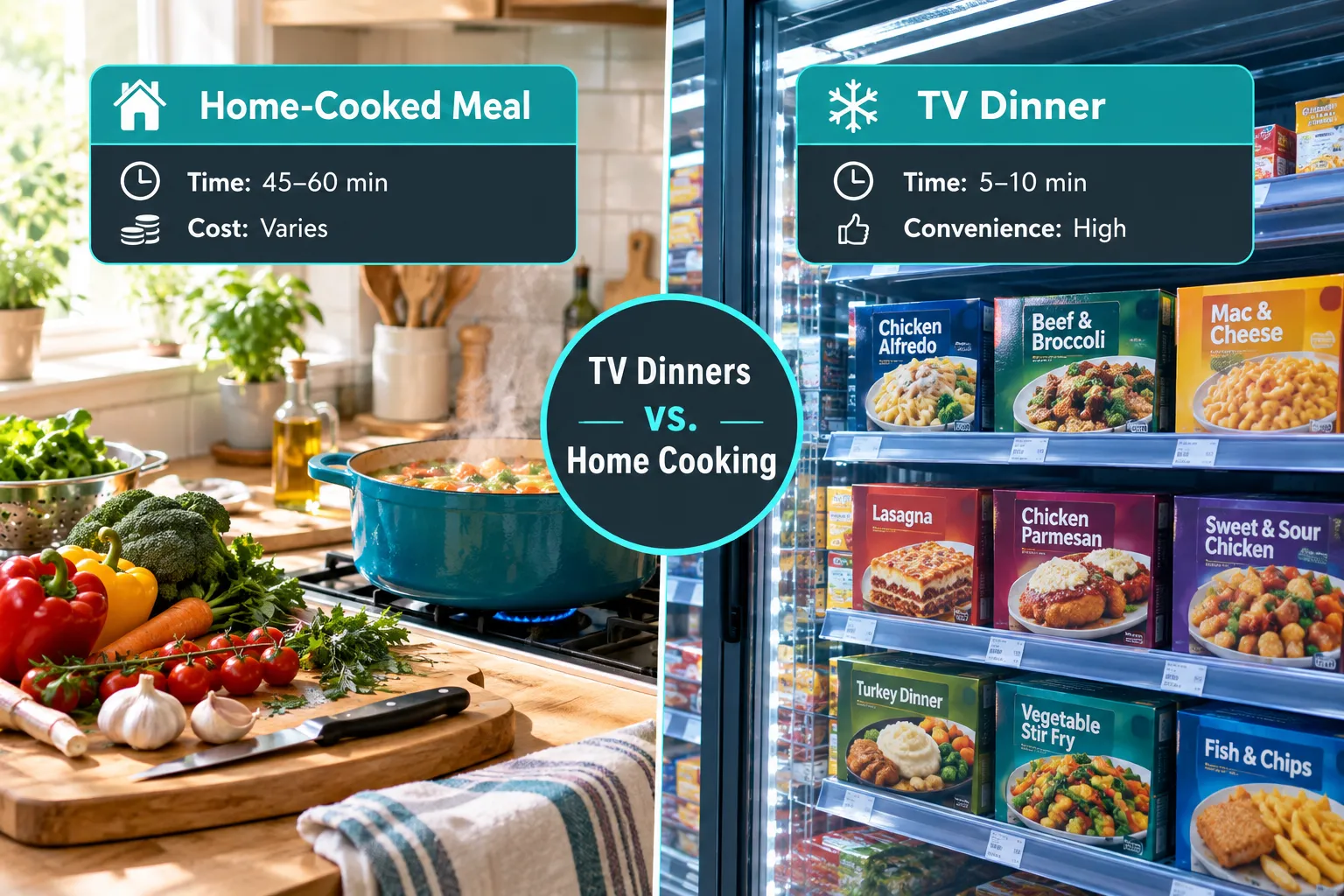
| Factor | TV Dinner | Home-Cooked Meal |
|---|---|---|
| Prep time | 5-10 minutes | 30-60+ minutes |
| Cost per serving | $1,$10 (fixed) | Varies widely |
| Nutritional control | Limited to label | Full control |
| Variety | Wide but fixed | Unlimited |
| Food waste | Minimal | Higher potential |
| Skill required | None | Moderate to high |
Choose a TV dinner if you have under 15 minutes, are cooking for one, or want a fixed-calorie portion without planning. Choose home cooking if you want full ingredient control, are feeding a family, or are working toward specific nutritional goals.
How to Make Homemade TV Dinners
Making homemade TV dinners is a practical meal-prep strategy that combines the convenience of frozen meals with full control over ingredients. The process takes about 90 minutes upfront but saves significant time throughout the week.
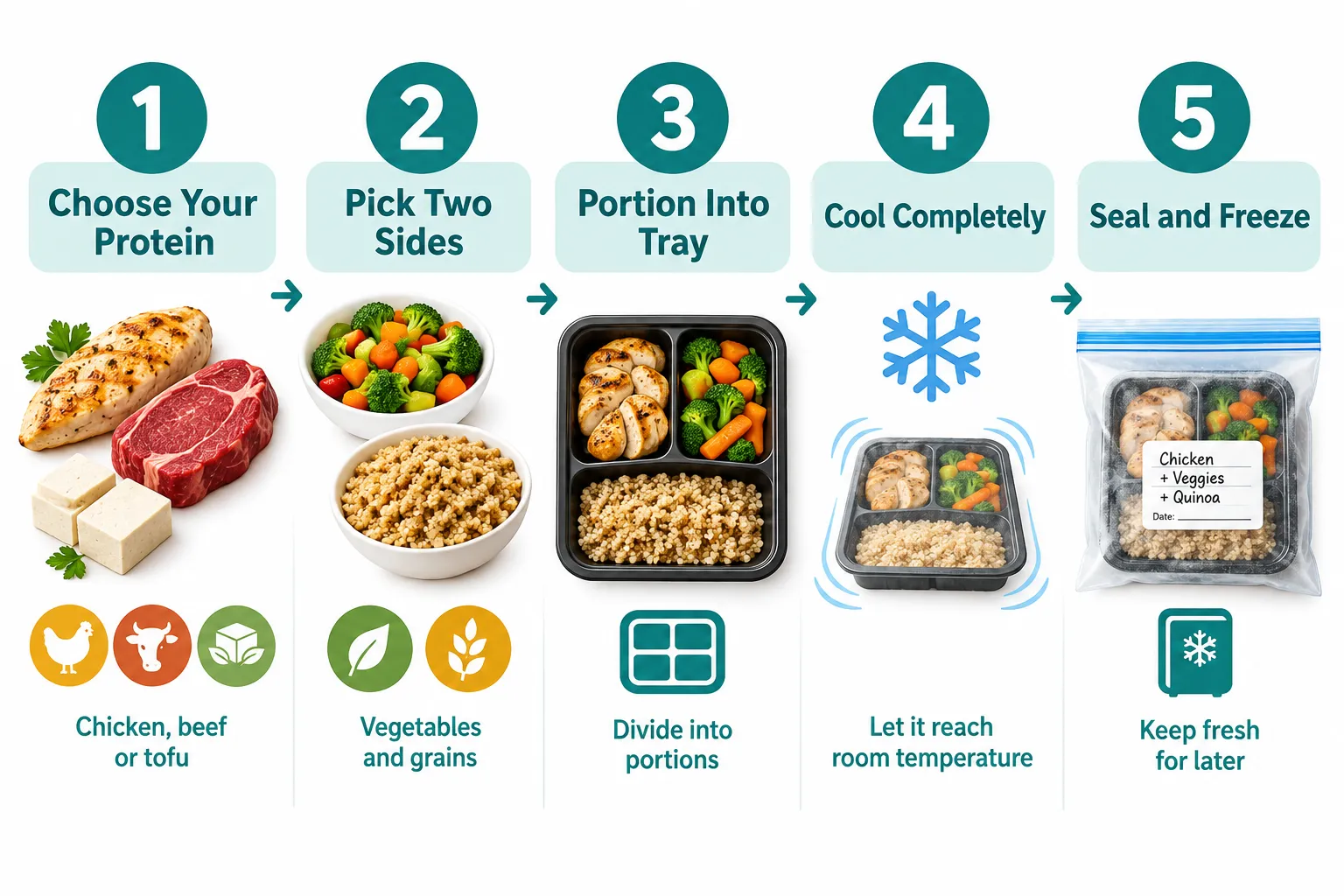
Step-by-step process:
- Choose a protein. Roast a chicken breast, bake salmon fillets, or cook a batch of ground turkey or lentils.
- Prepare two sides. Roasted vegetables and a grain (brown rice, quinoa, or mashed sweet potato) work well.
- Portion into divided containers. Use microwave-safe meal prep trays with separate compartments to keep foods from mixing.
- Cool completely before sealing. Placing warm food directly in the freezer degrades texture and promotes ice crystals.
- Label and freeze. Write the date and contents on each container. Most homemade frozen meals keep well for up to three months.
- Reheat correctly. Add a tablespoon of water over grains before microwaving to prevent dryness. Heat in 90-second intervals, stirring between rounds.
This approach also pairs well with other food holiday traditions. If you enjoy planning themed meals, exploring other food holidays throughout the year can keep mealtime interesting.
TV Dinner Day Events, Activities, and What to Eat
September 10 TV Dinner Day is best celebrated with low-key, enjoyable activities that lean into the day’s nostalgic and convivial spirit. There are no large-scale organized events tied to the holiday, but several personal and group activities make the day memorable.
Ways to celebrate:
- Classic viewing party: Buy a selection of frozen meals from different brands, heat them up, and watch a favorite TV show or movie with friends or family. Pair the meal with January 19 National Popcorn Day snack inspiration for a full movie-night spread.
- Retro theme night: Serve the original Swanson turkey meal on aluminum trays (available at party supply stores) and watch a black-and-white television program.
- Homemade TV dinner challenge: Each person in a household makes their own version of a homemade frozen meal and rates them.
- Brand taste test: Buy four or five different frozen meal brands and compare them side by side, rating each on taste, texture, and value.
- Social sharing: Post a photo of your TV dinner setup with the hashtag #TVDinnerDay.
For the best experience, pair your frozen meal with a fun dessert. A National Hot Fudge Sundae Day inspired treat makes a fitting finish to a retro dinner night.
What to eat: The most on-theme choice is a classic turkey TV dinner from Swanson, but any frozen meal qualifies. If you want to go premium, try an Amy’s Kitchen bowl or a Trader Joe’s specialty entrée. For a homemade twist, prep a batch of portioned meals earlier in the week and heat one up on the day itself. [2][7]
FAQ
What is the origin of September 10 TV Dinner Day? The exact origin is undocumented. No founder or founding organization has been formally identified for this observance. It appears consistently on American food holiday calendars and is recognized across lifestyle media, but it carries no official proclamation. [1][5]
Is TV Dinner Day a federal holiday? No. September 10 TV Dinner Day is an informal, non-federal observance. Banks, schools, and government offices do not close in recognition of it. [4]
Who invented the TV dinner? The Swanson company is widely credited with launching the first commercially marketed TV dinner in the United States in 1953. The product featured turkey with cornbread dressing, sweet potatoes, and peas in a divided aluminum tray. [1][5]
Are TV dinners the same as frozen meals? The terms are often used interchangeably today. Technically, “TV dinner” originally referred to a complete meal in a divided tray designed for eating in front of the television. The broader “frozen meal” category includes single-item products like burritos or pot pies that may not have multiple compartments.
How long do frozen TV dinners last in the freezer? Most commercially packaged frozen meals are safe to eat for 12 to 18 months past the printed date if kept at a consistent 0°F (minus 18°C). Quality (texture and flavor) typically peaks within the first 3 to 6 months.
Can TV dinners be part of a healthy diet? Yes, with careful label reading. Choosing options with moderate sodium (under 700 mg), adequate protein (15g or more), and minimal added sugars makes frozen meals a reasonable part of a balanced diet.
Do other countries celebrate TV Dinner Day? The observance is primarily American in origin and recognition. Some international food holiday tracking sites list it, including French-language and German-language platforms, but there is no equivalent national tradition in other countries. [6]
What are the best frozen meal brands in 2026? Amy’s Kitchen, Lean Cuisine, Healthy Choice, Trader Joe’s store brand, and Sweet Earth are consistently well-reviewed. Swanson and Banquet remain the classic choices for the traditional TV dinner experience.
Are there deals on TV dinners around September 10? Yes. Major grocery retailers and frozen food brands often run promotions around this date. Checking store apps, weekly circulars, and cashback platforms like Ibotta is the most reliable way to find discounts. [9]
What is a good homemade TV dinner recipe? A simple formula: one roasted protein (chicken, salmon, or tofu), one roasted vegetable (broccoli, carrots, or green beans), and one grain (brown rice or mashed sweet potato). Portion into divided meal prep containers, cool, and freeze.
How is September 10 TV Dinner Day different from other food holidays? Unlike holidays tied to a specific dish (such as the April 16 National Eggs Benedict Day or February 3 National Carrot Cake Day), TV Dinner Day celebrates an entire category of food and a cultural habit rather than a single recipe.
What should I watch while eating my TV dinner? Anything goes, but leaning into nostalgia works well. Classic sitcoms from the 1950s and 1960s, vintage variety shows, or a marathon of a favorite series all fit the spirit of the day.
Conclusion
September 10 TV Dinner Day is a small but genuinely fun observance that connects the convenience of modern frozen meals to a rich slice of American food history. From Swanson’s aluminum tray in 1953 to today’s organic, plant-based, and globally inspired options, the TV dinner has proven remarkably adaptable.
Actionable next steps for September 10, 2026:
- Pick up one classic frozen meal and one premium option from your grocery store before September 10 and do a side-by-side taste test.
- Check your store’s app or weekly circular for frozen food deals in the days leading up to September 10.
- If you want a healthier approach, batch-cook a homemade TV dinner this weekend using the six-step process above.
- Host a low-key retro viewing party and invite friends to bring their own favorite frozen meals.
- Explore other food holidays throughout the year to keep mealtime celebrations going beyond September.
Whether the goal is pure nostalgia, convenience, or a reason to sit down with friends in front of a good show, September 10 TV Dinner Day delivers a straightforward and enjoyable way to mark the occasion.
References
[1] National Tv Dinner Day – https://nationaltoday.com/national-tv-dinner-day/ [2] Tv Dinner Day – https://www.punchbowl.com/holidays/tv-dinner-day [4] National Tv Dinner Day – https://www.thedayof.net/food/national-tv-dinner-day/ [5] National Tv Dinner Day – https://web-holidays.com/blog/national-tv-dinner-day [6] National Tv Dinner Day – https://www.journee-mondiale.com/en/day/national-tv-dinner-day/ [7] National Tv Dinner Day In The United States – https://andtodayis.com/en/event/National-TV-Dinner-Day-in-the-United-States [8] Thursday – https://nationaltoday.com/thursday/ [9] Tv Dinner Day – https://www.punchbowl.com/holidays/2026/9/10/tv-dinner-day [10] Tv Dinner – https://whatnationaldayisit.com/day/tv-dinner/