
Last updated: July 4, 2026
Quick Answer
July 4 National Barbecued Spareribs Day is an unofficial American food holiday celebrated every year on July 4, the same day as Independence Day. It honors the tradition of slow-cooking pork spareribs over an open flame, a practice deeply embedded in American barbecue culture. The holiday gives home cooks and pitmasters alike a reason to fire up the grill and serve one of the most beloved cuts in American outdoor cooking.
Key Takeaways
- July 4 National Barbecued Spareribs Day falls on July 4 every year, aligning with Independence Day celebrations.
- Spareribs come from the belly side of the pig and are meatier and fattier than baby back ribs, making them ideal for low-and-slow barbecue.
- The USDA recommends cooking pork to an internal temperature of 145°F (63°C), but most pitmasters target 195-203°F for tender, fall-off-the-bone results.
- A full rack of spareribs typically takes 5 to 6 hours on a grill or smoker using the 3-2-1 method.
- You do not need to soak spareribs before grilling, but removing the membrane from the bone side is strongly recommended.
- Kansas City-style sauce (sweet and smoky) and Memphis-style dry rub are the two most popular flavor approaches for spareribs.
- Spareribs can be cooked in the oven at 275°F if a grill is not available, with comparable results when finished under a broiler.
- The origin of this food holiday is informal and undocumented, but it reflects a genuine American cultural tradition dating back centuries.
What Is National Barbecued Spareribs Day?
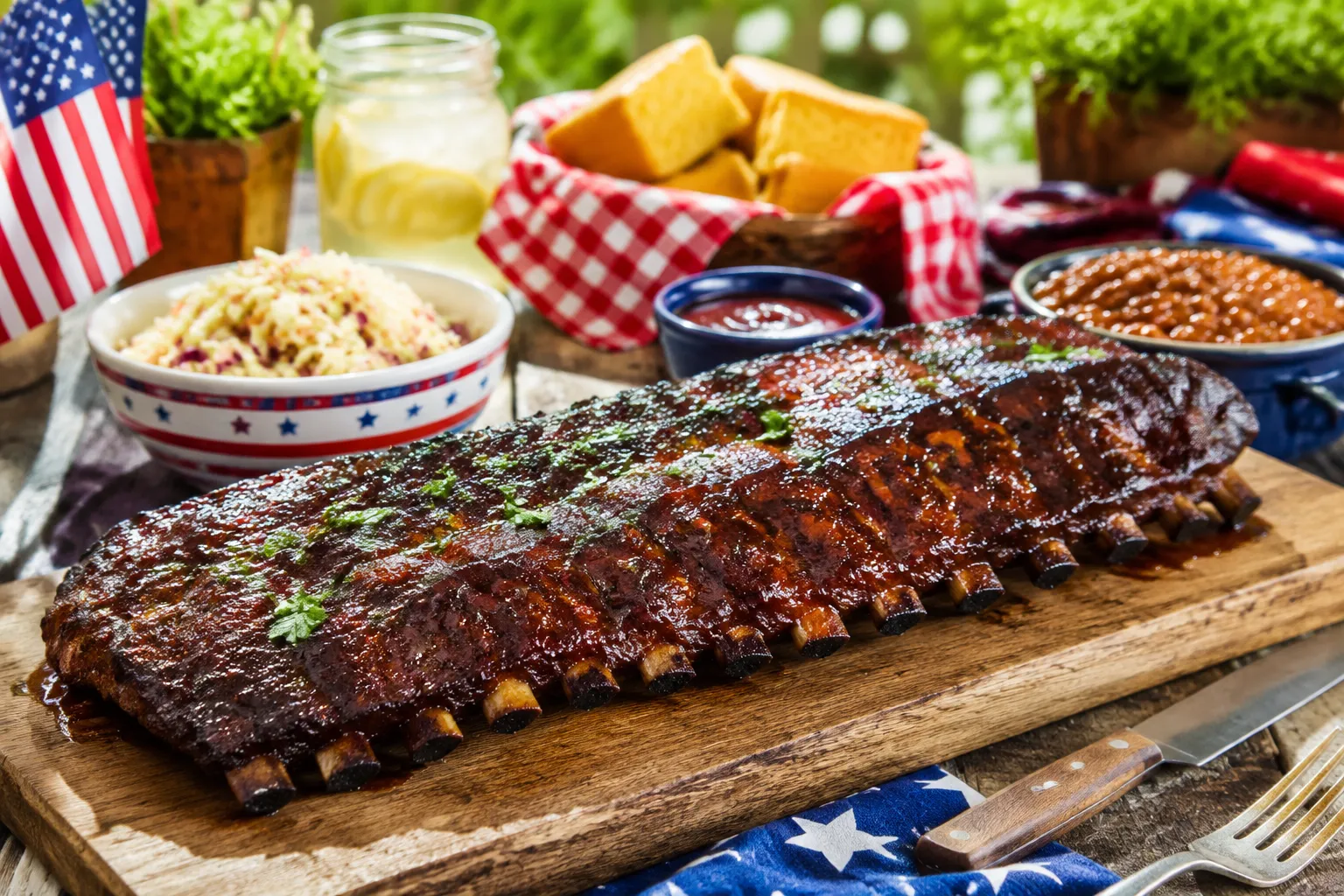
National Barbecued Spareribs Day is an informal American food holiday dedicated to celebrating pork spareribs cooked over fire or smoke. It is not a federally recognized observance, but it appears consistently on food holiday calendars and is widely shared across social media and cooking communities each year.
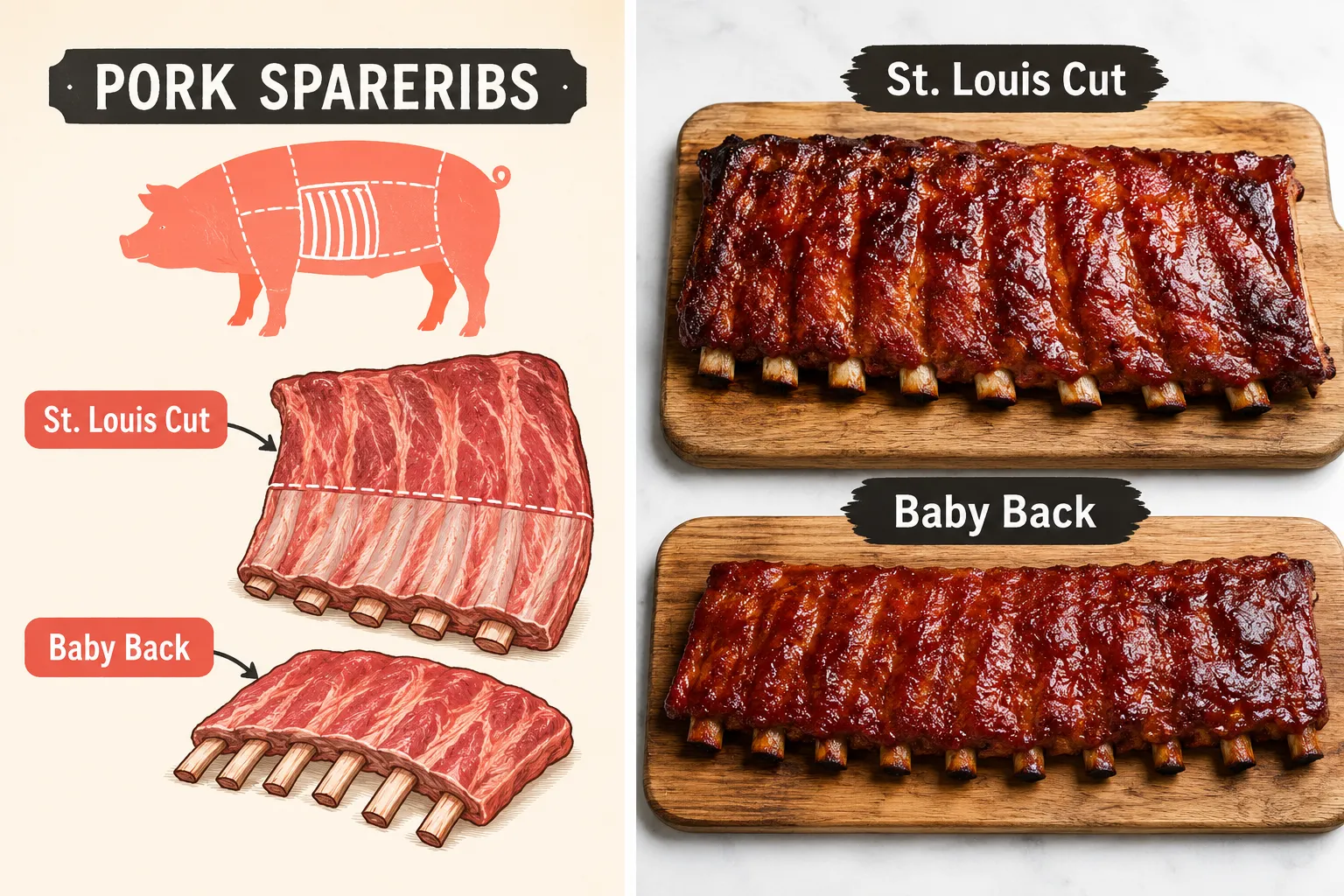
The holiday spotlights spareribs specifically, which are cut from the lower portion of the pig’s rib cage, near the belly. This cut is distinct from baby back ribs, which come from the upper back. Spareribs are larger, contain more connective tissue and fat, and reward long, slow cooking with deep flavor and tender texture.
When Is National Barbecued Spareribs Day Celebrated?
National Barbecued Spareribs Day is celebrated on July 4 every year. The date is fixed and does not change. In 2026, that means the holiday falls on Saturday, July 4, giving most Americans a full weekend to celebrate.
The July 4 date is not coincidental. It aligns with Independence Day, the single biggest outdoor grilling occasion in the United States. According to the Hearth, Patio and Barbecue Association, the Fourth of July consistently ranks as the top grilling holiday in the country, making it a natural fit for a ribs-focused food celebration.
If you enjoy food holidays throughout the summer, you may also want to check out May 16 National Barbecue Day as a warm-up event earlier in the season.
Where Did July 4 National Barbecued Spareribs Day Come From?
The exact origin of July 4 National Barbecued Spareribs Day is unknown. Like many American food holidays, it lacks a single documented founder or sponsoring organization. Food holiday calendars began proliferating in the early 2000s, and this observance likely emerged from that informal tradition rather than from any formal proclamation.
What is well-documented is the deeper history behind it. Barbecue in America dates back to Indigenous cooking techniques that European settlers encountered in the 16th and 17th centuries. Slow-cooking meat over hardwood coals became central to Southern American culture, and pork ribs became a staple of that tradition. By the 20th century, Fourth of July and backyard ribs had become nearly inseparable in American food culture, which is almost certainly why the holiday landed on July 4.
Spareribs vs. Baby Back Ribs: Which Is Better for July 4?
For July 4 barbecue, spareribs are the better choice when you want maximum flavor and are willing to invest time. Baby back ribs cook faster and are leaner, but spareribs deliver richer taste because of their higher fat and connective tissue content.
Here is a direct comparison:
| Feature | Spareribs | Baby Back Ribs |
|---|---|---|
| Cut location | Lower rib cage, near belly | Upper back, near spine |
| Size | Larger, heavier rack | Smaller, more curved |
| Fat content | Higher | Lower |
| Cook time | 5-6 hours | 3-4 hours |
| Flavor profile | Rich, deep, porky | Leaner, milder |
| Best method | Low-and-slow smoke/grill | Grill or oven |
| Price per rack | Generally lower | Generally higher |
Choose spareribs if: you have 5-6 hours, want the richest flavor, and are cooking for a crowd. Choose baby back ribs if: time is short or you prefer leaner meat.
Spareribs vs. Brisket for July 4 Barbecue
Both spareribs and brisket are excellent July 4 options, but they serve different situations. Spareribs are easier to manage for home cooks, cook faster than brisket, and are easier to serve in individual portions. Brisket requires 10-14 hours of smoking and demands more experience to execute well.
For a July 4 gathering where guests expect to eat at a set time, spareribs are the more reliable choice. Brisket rewards patience and skill but carries a higher risk of timing problems for less experienced cooks. If you are feeding a large group and want a showstopper centerpiece, brisket delivers, but spareribs are the safer, crowd-pleasing option for most households.
How to Grill Spareribs on July 4: The 3-2-1 Method
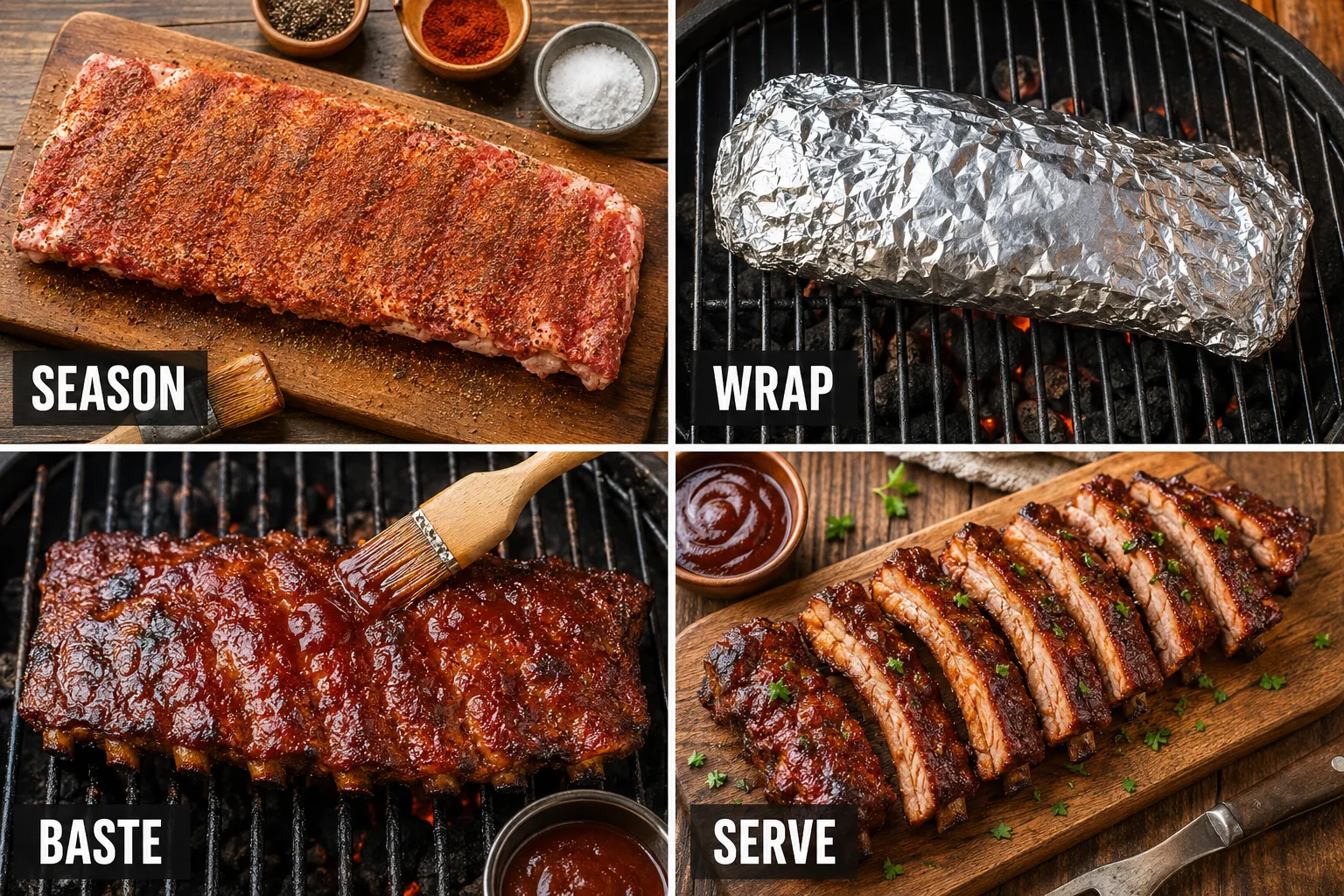
The 3-2-1 method is the most reliable approach for grilling spareribs on July 4. It breaks the cook into three phases: 3 hours unwrapped, 2 hours wrapped in foil, and 1 hour unwrapped with sauce. The result is tender, juicy ribs with a caramelized bark.
Step-by-step process:
- Prepare the ribs. Remove the thin membrane from the bone side by sliding a butter knife under it and peeling it off with a paper towel for grip. Trim any loose fat.
- Apply the dry rub. Coat both sides generously with your spice rub (see recipe below). Let the ribs rest at room temperature for 30-45 minutes before cooking.
- Set up indirect heat. On a charcoal grill, push coals to one side. On a gas grill, light only one side. Target a grill temperature of 225-250°F. Add wood chips (hickory, apple, or cherry) for smoke.
- Cook unwrapped for 3 hours. Place ribs bone-side down on the indirect side. Keep the lid closed as much as possible.
- Wrap in foil for 2 hours. Lay each rack on a double sheet of heavy-duty foil, add a splash of apple juice or butter, and seal tightly. Return to the grill.
- Unwrap and sauce for 1 hour. Remove from foil, apply barbecue sauce, and return to the grill unwrapped. This sets the glaze and builds the bark.
- Check doneness. The ribs are done when the meat pulls back from the bone ends by about 1/4 inch and the internal temperature reads 195-203°F.
Common mistake: Opening the grill too frequently. Every lid lift drops the temperature and adds 15-20 minutes to the cook. Resist the urge.
Best Spareribs Recipe for July 4
A solid July 4 sparerib recipe needs two components: a dry rub and a finishing sauce. These can be made ahead of time.
Classic July 4 Dry Rub (per rack):
- 2 tablespoons brown sugar
- 1 tablespoon smoked paprika
- 1 tablespoon kosher salt
- 1 teaspoon black pepper
- 1 teaspoon garlic powder
- 1 teaspoon onion powder
- 1/2 teaspoon cayenne pepper (adjust to taste)
- 1/2 teaspoon dry mustard
Mix all ingredients and apply liberally to both sides of the rack. For deeper flavor, apply the rub the night before and refrigerate uncovered.
Quick Kansas City-Style Sauce:
- 1 cup ketchup
- 1/4 cup apple cider vinegar
- 3 tablespoons brown sugar
- 2 tablespoons Worcestershire sauce
- 1 teaspoon smoked paprika
- 1/2 teaspoon garlic powder
- Salt and pepper to taste
Simmer all ingredients over medium-low heat for 15 minutes, stirring occasionally. Apply to ribs during the final hour of cooking.
For more grilling inspiration beyond ribs, the May 16 National Barbecue Day guide covers a wide range of techniques and recipes worth bookmarking. You might also explore a dedicated ribs cookbook for deeper technique.
What Sauce Goes Best With Barbecued Spareribs?
The best sauce for barbecued spareribs depends on regional preference, but Kansas City-style sweet-smoky sauce is the most universally popular pairing. Memphis-style cooks skip the sauce entirely and rely on a well-seasoned dry rub, while Carolina-style uses a vinegar-based sauce that cuts through the fat.
Quick guide by flavor preference:
- Sweet and smoky: Kansas City-style (tomato and molasses base)
- Tangy and vinegary: Eastern Carolina-style (apple cider vinegar base)
- Mustard-forward: South Carolina-style (yellow mustard base)
- No sauce: Memphis dry rub (spices only, no finishing sauce)
- Asian-inspired: Hoisin and ginger glaze for a non-traditional twist
For spareribs specifically, a thicker, sweeter sauce works well because it clings to the fattier meat and caramelizes nicely over the final hour of cooking.
How Long Does It Take to Barbecue Spareribs?
A full rack of spareribs takes approximately 5 to 6 hours using the 3-2-1 method at 225-250°F. Thicker racks may run closer to 6.5 hours. The cook time varies based on grill temperature consistency, rack thickness, and whether the ribs were cold from the refrigerator when they went on.
Key time benchmarks:
- 225°F grill: 5.5-6.5 hours total
- 250°F grill: 5-5.5 hours total
- 275°F (oven): 4-4.5 hours total
Never rush spareribs by cranking the heat. High heat tightens the muscle fibers before the connective tissue has time to break down, resulting in tough, chewy meat.
How to Tell When Spareribs Are Done Cooking
Spareribs are done when the internal temperature reaches 195-203°F, the meat has pulled back from the bone ends by roughly 1/4 inch, and the rack bends easily when picked up from one end with tongs. The bend test is a reliable visual check: a properly cooked rack will flex and crack slightly along the surface when lifted.
A meat thermometer is the most accurate tool. Insert it between two bones into the thickest part of the meat, avoiding contact with the bone itself. The USDA minimum safe temperature for pork is 145°F, but at that temperature spareribs will still be tough. The 195-203°F range is where collagen converts to gelatin and the texture becomes tender.
Do You Have to Soak Spareribs Before Grilling?
No, soaking spareribs before grilling is not necessary and offers no meaningful benefit. This is a common misconception. Soaking does not tenderize the meat, does not add flavor, and can actually slow the formation of the bark (the flavorful crust on the outside of the ribs).
What does make a difference before grilling:
- Remove the membrane on the bone side (this is the single most impactful prep step).
- Apply a dry rub and let it sit for at least 30 minutes, or overnight in the refrigerator.
- Bring ribs closer to room temperature before cooking (about 30-45 minutes on the counter) for more even cooking.
Can You Make Spareribs in the Oven Instead of the Grill?
Yes, spareribs can be made in the oven with excellent results. Set the oven to 275°F, season the ribs with a dry rub, wrap them tightly in foil, and bake for 3.5 to 4 hours. Then unwrap, brush with sauce, and finish under the broiler for 5-7 minutes to caramelize the glaze.
The oven method produces tender, juicy ribs but lacks the smoke flavor that a grill or smoker provides. To compensate, add 1/2 teaspoon of liquid smoke to the dry rub or sauce, or use a smoked paprika-heavy rub. The oven method is a practical option for apartment dwellers or anyone without outdoor grill access on July 4.
Common Mistakes When Cooking Spareribs on July 4
Even experienced cooks make these errors. Avoiding them is the difference between good ribs and great ribs.
- Skipping membrane removal: The membrane on the bone side does not break down during cooking and creates a chewy barrier that blocks seasoning penetration.
- Cooking at too high a temperature: Anything above 275°F risks drying out the meat before the connective tissue softens.
- Saucing too early: Adding sauce in the first few hours causes it to burn rather than caramelize. Apply sauce only in the final 45-60 minutes.
- Not resting the ribs: Cutting into ribs immediately after cooking causes the juices to run out. Rest for at least 10 minutes, loosely tented with foil.
- Using too much wood smoke: Over-smoking creates a bitter, acrid flavor. One or two chunks of hardwood is enough for a full cook.
- Buying pre-marinated ribs: Supermarket pre-marinated ribs often contain excess sodium and sugar that burn before the meat is done. Start with plain, untreated racks.
FAQ: July 4 National Barbecued Spareribs Day
What cut of pork are spareribs? Spareribs are cut from the lower rib cage of the pig, near the belly. They are larger and fattier than baby back ribs, which come from the upper back near the spine.
Is July 4 National Barbecued Spareribs Day an official holiday? No. It is an informal food holiday that appears on popular food holiday calendars. It is not recognized by any federal or state government.
How many ribs are in a full rack of spareribs? A full rack of spareribs typically contains 11 to 13 bones. A St. Louis-cut rack, which is trimmed to a more uniform rectangular shape, usually has 10 to 13 bones.
What is a St. Louis-cut sparerib? A St. Louis cut is a sparerib rack that has been trimmed to remove the sternum bone, cartilage, and rib tips, creating a more even, rectangular shape. It cooks more uniformly than an untrimmed rack and is easier to serve.
What wood chips work best for smoking spareribs? Hickory is the most traditional choice and delivers a bold, classic barbecue flavor. Apple and cherry wood produce a milder, slightly sweet smoke that complements pork well. Avoid mesquite for long cooks, as it can turn bitter.
Can spareribs be cooked the day before July 4? Yes. Fully cooked spareribs reheat well. Wrap them in foil and refrigerate overnight. Reheat at 275°F in the oven for 30-45 minutes, or on a covered grill over indirect heat, then add a fresh coat of sauce before serving.
What sides pair well with barbecued spareribs on July 4? Classic pairings include coleslaw, baked beans, cornbread, potato salad, and grilled corn. These sides complement the rich, fatty flavor of spareribs with acidity, sweetness, and starch.
How much should I buy per person? Plan for about 3/4 to 1 pound of spareribs per person as a main course. A full untrimmed rack typically weighs 2.5 to 3.5 pounds and feeds 2-3 adults.
Should I use a gas or charcoal grill for spareribs? Charcoal grills produce better smoke flavor and are preferred by most pitmasters. Gas grills work well too, especially when wood chips are added in a smoker box. The technique is the same either way.
Can I freeze leftover spareribs? Yes. Wrap cooked ribs tightly in plastic wrap and then in foil, or use a vacuum sealer. Freeze for up to 3 months. Thaw overnight in the refrigerator before reheating.
Conclusion
July 4 National Barbecued Spareribs Day is one of the most fitting food holidays on the calendar, landing on the day Americans are most likely to be standing next to a grill anyway. Spareribs reward patience and preparation, and the results are hard to match with any other cut.
Actionable next steps for 2026:
- Buy your rack early. Spareribs sell out at many grocery stores in the days before July 4. Purchase by July 2 to avoid shortages.
- Prep the night before. Apply your dry rub on July 3, wrap the rack in plastic, and refrigerate overnight for deeper flavor penetration.
- Start the grill by 10 a.m. If you plan to eat at 4 p.m. and are using the 3-2-1 method, you need a full 6 hours plus resting time.
- Remove the membrane. Do not skip this step.
- Use a meat thermometer. Target 195-203°F for genuinely tender ribs.
- Rest before cutting. Ten minutes under loose foil makes a noticeable difference in juiciness.
For more food holiday inspiration to round out your July 4 spread, explore National Apple Pie Day for a classic American dessert idea, or check out the National Barbecue Day guide for broader grilling techniques. If you want to go deeper on rib preparation and flavor variations, a dedicated ribs cookbook is worth having on hand year-round.
