
Last updated: March 28, 2026
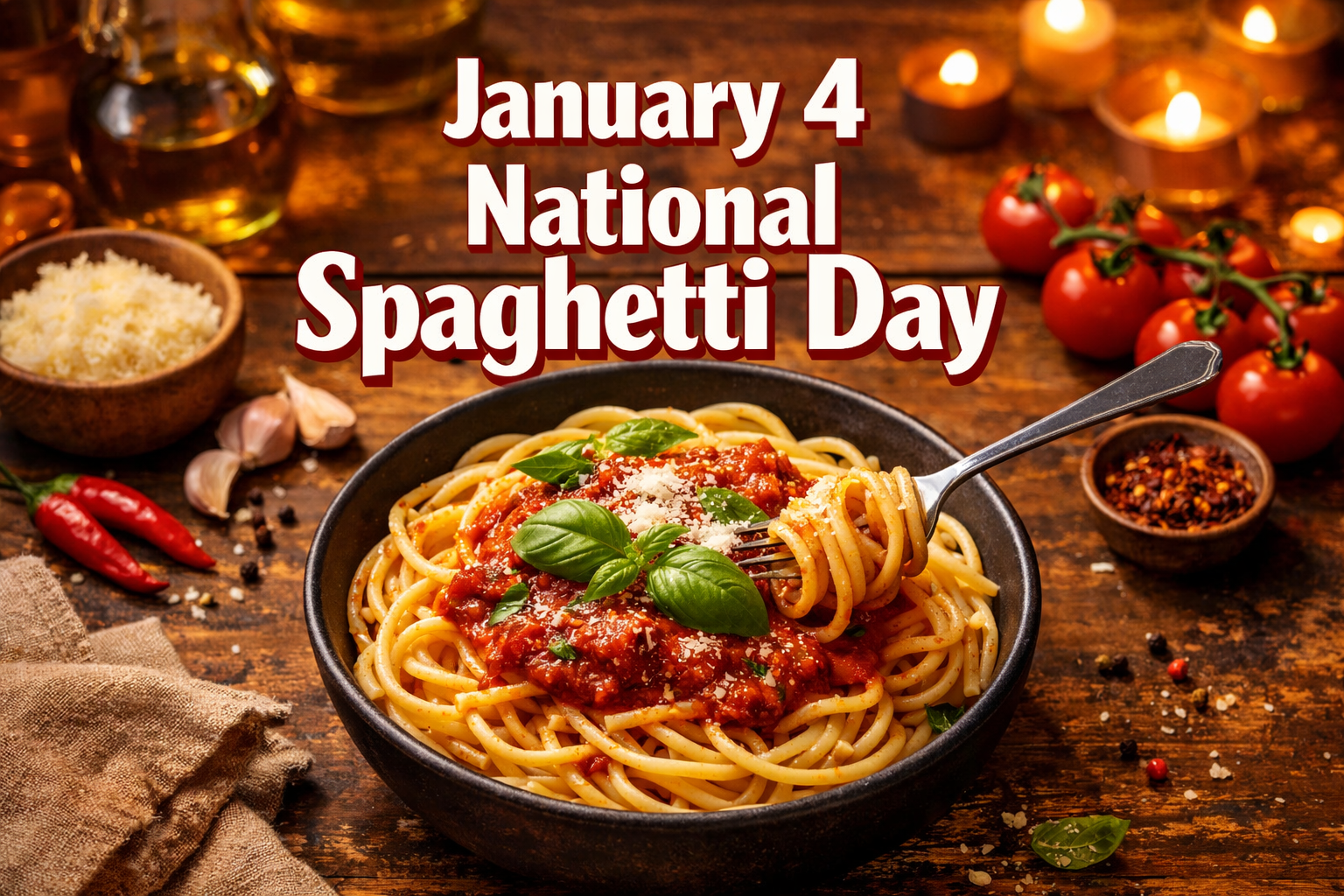
Quick Answer: January 4 National Spaghetti Day is an annual food holiday celebrated in the United States every January 4th. It honors one of the world’s most beloved pasta dishes and gives food lovers a reason to cook, share, and enjoy spaghetti in all its forms. No registration is required — anyone can participate by making or ordering spaghetti on that day.
Key Takeaways 🍝
- January 4 is recognized as National Spaghetti Day in the United States each year.
- The holiday has no single official governing body but is widely recognized by food organizations, restaurants, and media outlets.
- Spaghetti is one of the most consumed pasta types globally, making this a broadly relatable celebration.
- Common ways to celebrate include cooking classic recipes at home, dining out at Italian restaurants, or hosting pasta-themed gatherings.
- The day also highlights the rich history of pasta, which traces back centuries to Italian culinary tradition.
- Both traditional recipes (like spaghetti bolognese or carbonara) and modern twists (like spaghetti squash or gluten-free pasta) are fair game.
- Social media communities use hashtags like #NationalSpaghettiDay to share recipes and photos every January 4th.
- The holiday falls just after New Year’s, making it a comforting, crowd-pleasing way to kick off January.
What Is January 4 National Spaghetti Day?
January 4 National Spaghetti Day is an informal but widely observed American food holiday dedicated to celebrating spaghetti. It takes place every year on January 4th and encourages people to cook, eat, and share their favorite spaghetti dishes.
Food holidays like this one exist across the calendar year in the United States. They are typically grassroots in origin, popularized through food blogs, social media, and eventually picked up by restaurants and media. National Spaghetti Day fits this pattern — it has no single founding organization on record, but it has grown into a recognized annual event that draws attention from home cooks, chefs, and pasta brands alike.
Who is it for? Anyone who enjoys pasta. The holiday is especially popular with:
- Home cooks looking for a themed dinner idea in early January
- Italian restaurants running promotions
- Food bloggers and content creators sharing recipes
- Families wanting a fun, low-effort celebration after the holiday season
A Brief History of Spaghetti
Spaghetti’s origins are Italian, and the pasta itself has a long, well-documented history. The word “spaghetti” comes from the Italian word spago, meaning “string” or “twine,” which describes the pasta’s long, thin shape.
Pasta in Italy dates back at least to the 13th century, with written records referencing dried pasta in Sicily. Spaghetti as a specific form became popular in southern Italy, particularly in Naples, during the 17th and 18th centuries. By the 19th century, it had become a staple food across Italy.
Italian immigration to the United States in the late 19th and early 20th centuries brought spaghetti to American kitchens. By the mid-20th century, spaghetti with tomato-based meat sauce had become a mainstream American dinner. Today, pasta remains one of the most consumed foods worldwide.
“Spaghetti is a dish that crosses cultural boundaries — it started in Italy, was adopted by America, and is now cooked in kitchens on every continent.”
How to Celebrate January 4 National Spaghetti Day
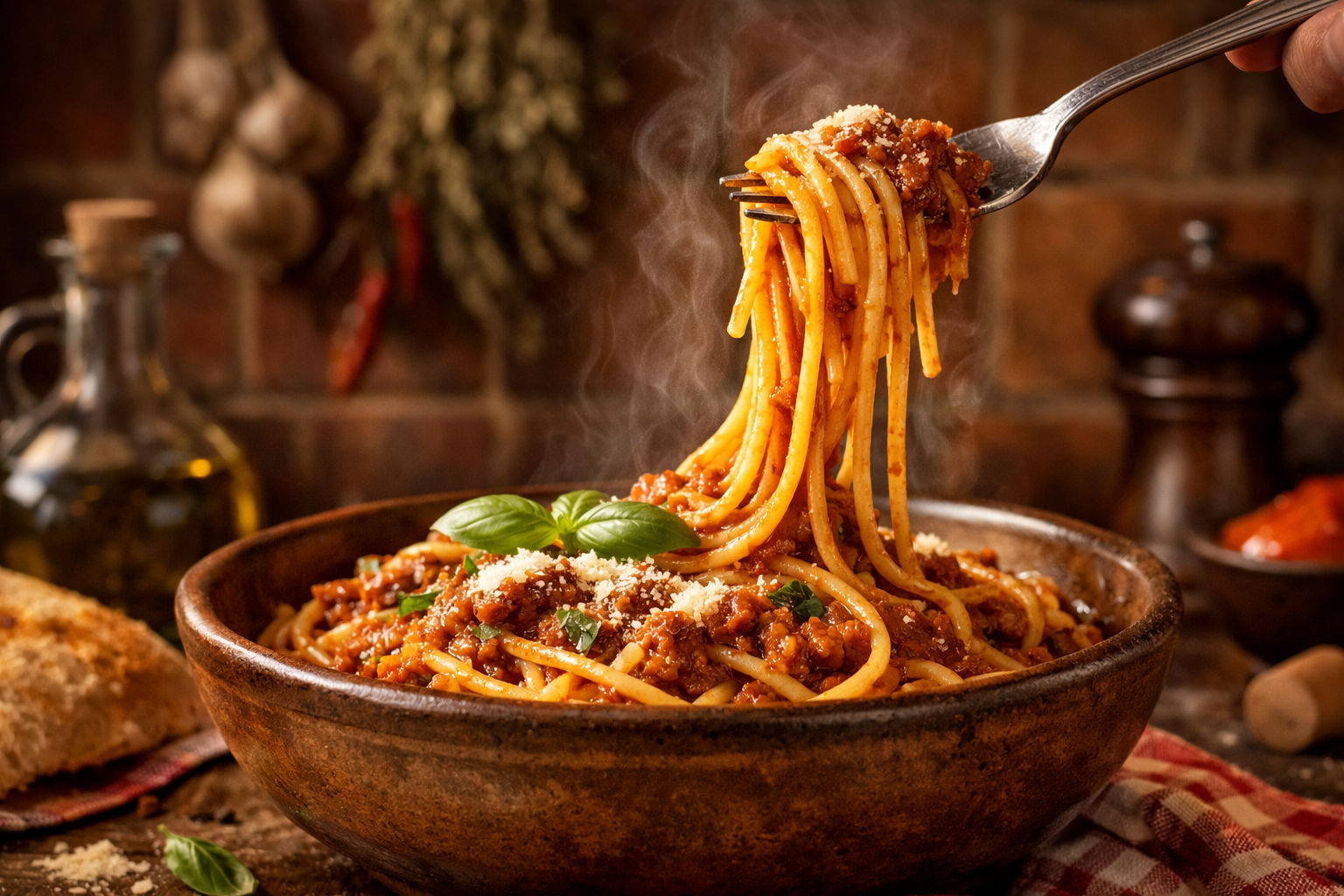
Celebrating January 4 National Spaghetti Day is straightforward. The goal is simply to enjoy spaghetti in a way that feels meaningful or fun for you.
At Home
- Pick a recipe — classic bolognese, cacio e pepe, carbonara, aglio e olio, or a family favorite.
- Source quality ingredients — fresh pasta, good-quality canned tomatoes, and real parmesan make a noticeable difference.
- Invite people — pasta is a social food; a small dinner party fits the spirit of the day.
- Share on social media — use #NationalSpaghettiDay to connect with others celebrating.
At a Restaurant
Many Italian restaurants and pasta-focused eateries run specials on January 4th. Check local listings or restaurant apps a few days before to find deals.
With Kids
Spaghetti is a kid-friendly meal that also makes for a fun cooking activity. Children can help stir sauce, measure ingredients, or learn to twirl pasta on a fork — a small but memorable kitchen experience.
Classic Spaghetti Recipes Worth Making
Not all spaghetti dishes are the same. Here’s a quick comparison of popular recipes to help choose the right one for any occasion:
| Recipe | Key Ingredients | Difficulty | Best For |
|---|---|---|---|
| Spaghetti Bolognese | Ground beef, tomatoes, onion, wine | Easy–Medium | Family dinners |
| Carbonara | Eggs, guanciale, pecorino, black pepper | Medium | Date nights, small groups |
| Aglio e Olio | Garlic, olive oil, chili flakes, parsley | Easy | Quick weeknight meals |
| Cacio e Pepe | Pecorino romano, black pepper | Medium | Minimalist cooking |
| Spaghetti alle Vongole | Clams, white wine, garlic, parsley | Medium | Seafood lovers |
| Marinara | Tomatoes, garlic, basil, olive oil | Easy | Beginners, vegetarians |
Choose bolognese if cooking for a crowd or feeding kids. Choose carbonara or cacio e pepe if looking for an authentic Roman experience with fewer ingredients. Choose aglio e olio if short on time — it comes together in under 20 minutes.
Common Mistakes to Avoid When Making Spaghetti
Even experienced cooks make these errors. Avoiding them leads to noticeably better results.
- Under-salting the pasta water — the water should taste like mild seawater. This is the primary seasoning for the pasta itself.
- Overcooking the pasta — aim for al dente (firm to the bite). Pasta continues cooking slightly after draining.
- Rinsing the pasta — rinsing removes the starch that helps sauce cling to the noodles.
- Adding oil to the cooking water — this also prevents sauce from adhering properly.
- Using pre-grated cheese from a shaker — freshly grated parmesan or pecorino melts more smoothly and tastes significantly better.
- Skipping pasta water in the sauce — a splash of starchy pasta water helps emulsify and bind the sauce to the noodles.
Spaghetti Nutrition: What to Know
Spaghetti is a carbohydrate-rich food that provides energy, but its overall nutritional profile depends heavily on portion size and sauce choice.
A standard 2-ounce (56g) dry serving of regular spaghetti contains approximately:
- 200 calories
- 7g protein
- 42g carbohydrates
- 1g fat
(Source: USDA FoodData Central — standard pasta nutritional values)
For those with dietary restrictions:
- Gluten-free options — rice pasta, chickpea pasta, or lentil pasta work as substitutes.
- Lower-carb alternatives — spaghetti squash or zucchini noodles (zoodles) mimic the format with fewer carbohydrates.
- Higher protein — chickpea or edamame-based spaghetti offers more protein per serving.
FAQ: January 4 National Spaghetti Day
Q: Is January 4 National Spaghetti Day an official U.S. holiday? A: No. It is an informal food holiday, not a federally recognized observance. It has no government backing but is widely acknowledged by food media, restaurants, and social communities.
Q: Who created National Spaghetti Day? A: There is no verified single founder on record. Like many food holidays, it grew organically through food culture and social media before becoming widely recognized.
Q: Do restaurants offer discounts on January 4th? A: Some do. Italian restaurants and pasta chains occasionally run promotions. It’s worth checking local restaurant websites or apps in the days leading up to January 4th.
Q: Can National Spaghetti Day be celebrated outside the U.S.? A: Absolutely. While it originated as an American food holiday, anyone anywhere can participate by cooking and enjoying spaghetti on January 4th.
Q: What’s the difference between spaghetti and other long pasta? A: Spaghetti is round in cross-section and medium-thin. Linguine is flatter, bucatini is hollow, and vermicelli is thinner. Each pairs best with different sauces — spaghetti works well with both oil-based and tomato-based sauces.
Q: Is there a National Pasta Day separate from National Spaghetti Day? A: Yes. National Pasta Day is observed on October 17th in the United States and covers all pasta types, while January 4 National Spaghetti Day focuses specifically on spaghetti.
Q: What hashtags should be used to join the celebration online? A: The most common hashtags are #NationalSpaghettiDay, #SpaghettiDay, and #January4. Food communities on Instagram, TikTok, and X (formerly Twitter) are active on this day.
Q: Is spaghetti healthy? A: In moderate portions with vegetable-rich or lean-protein sauces, spaghetti fits into a balanced diet. Whole wheat spaghetti adds fiber. Cream-heavy or high-sodium sauces increase calorie and sodium content significantly.
Conclusion
January 4 National Spaghetti Day is a simple, enjoyable food holiday that gives everyone a reason to get into the kitchen during the first week of the new year. Whether the goal is mastering a classic carbonara, introducing kids to homemade pasta sauce, or just ordering a comforting bowl from a local Italian restaurant, the day delivers on its premise: celebrate spaghetti.
Actionable next steps for 2026:
- Plan the menu now — pick one recipe from the comparison table above and gather ingredients before January 4th.
- Check for restaurant deals — search local Italian eateries a few days in advance.
- Share the experience — post a photo with #NationalSpaghettiDay to join the broader food community.
- Try something new — if the usual go-to is bolognese, use the day as an excuse to attempt cacio e pepe or spaghetti alle vongole.
- Explore dietary alternatives — if gluten-free or lower-carb options are needed, January 4th is a great day to test chickpea pasta or spaghetti squash.
Spaghetti has earned its place as a global comfort food. One day a year dedicated to it seems entirely reasonable.
References
- USDA FoodData Central. (2019). Pasta, cooked, enriched, without added salt. U.S. Department of Agriculture. https://fdc.nal.usda.gov/
- Serventi, S., & Sabban, F. (2002). Pasta: The Story of a Universal Food. Columbia University Press.
- National Pasta Association. (n.d.). Pasta facts and figures. https://ilovepasta.org/