

Last updated: March 28, 2026
Quick Answer: January 20 National Cheese Lover’s Day is an annual food holiday celebrated every January 20 in the United States. It’s a day dedicated to appreciating one of the world’s oldest and most beloved foods — cheese — in all its forms, from sharp aged cheddars to creamy bries. No registration or official body is required to participate; anyone can celebrate by eating, cooking with, or learning about cheese.
Key Takeaways 🧀
- January 20 is recognized annually as National Cheese Lover’s Day in the United States.
- The holiday has no single founding organization but is widely observed across food communities, restaurants, and retailers.
- Cheese is one of the oldest processed foods in human history, with origins dating back thousands of years.
- There are over 1,800 distinct cheese varieties worldwide, according to the Oxford Companion to Cheese (2016).
- Celebrating is simple: host a tasting, cook a cheese-forward recipe, visit a local cheesemonger, or share on social media with #NationalCheeseLovesDay.
- The day falls in January, making it a great midwinter reason to gather friends and family around a warm cheese board.
- Both artisan and everyday cheeses deserve recognition — this holiday is inclusive of all budgets and tastes.
- Pairing cheese with wine, beer, or charcuterie elevates any celebration from casual to memorable.
What Is January 20 National Cheese Lover’s Day?
January 20 National Cheese Lover’s Day is an informal but widely recognized American food holiday that celebrates cheese in every form. It falls on January 20 each year and gives enthusiasts — from casual snackers to dedicated fromage fans — a reason to explore, taste, and share their love of cheese.
The holiday doesn’t have a single governing body or official declaration behind it. Instead, it grew organically through food bloggers, culinary communities, and social media over the past two decades. That grassroots origin is part of its charm: anyone can participate, and no one needs a ticket or a membership.
Who it’s for: Anyone who enjoys cheese — which, by most accounts, is a lot of people. Whether someone prefers a simple slice of American cheese on a sandwich or a carefully aged Comté from France, January 20 is their day.
A Brief History of Cheese (and Why It Deserves a Holiday)
Cheese has earned its celebration. Archaeological evidence suggests humans have been making cheese for at least 7,500 years, with some of the earliest evidence found in ancient Egypt and the Middle East (Oxford Companion to Cheese, 2016). What started as a practical way to preserve milk evolved into a global culinary art form.
Key milestones in cheese history:
- Ancient origins: Early cheesemaking likely happened accidentally when milk stored in animal-stomach pouches curdled naturally due to rennet.
- Roman expansion: Romans spread cheesemaking techniques across Europe, laying the groundwork for regional varieties still made today.
- Medieval monasteries: European monks refined and documented cheesemaking, producing many classic styles still recognized today (Roquefort, Munster, and others).
- Industrial era: The 19th century brought factory production, making cheese widely affordable for the first time.
- Artisan revival: The late 20th and early 21st centuries saw a strong return to small-batch, handcrafted cheese production across North America and Europe.
Given this rich history, dedicating one day — January 20 National Cheese Lover’s Day — to honoring cheese feels entirely appropriate.
How to Celebrate January 20 National Cheese Lover’s Day
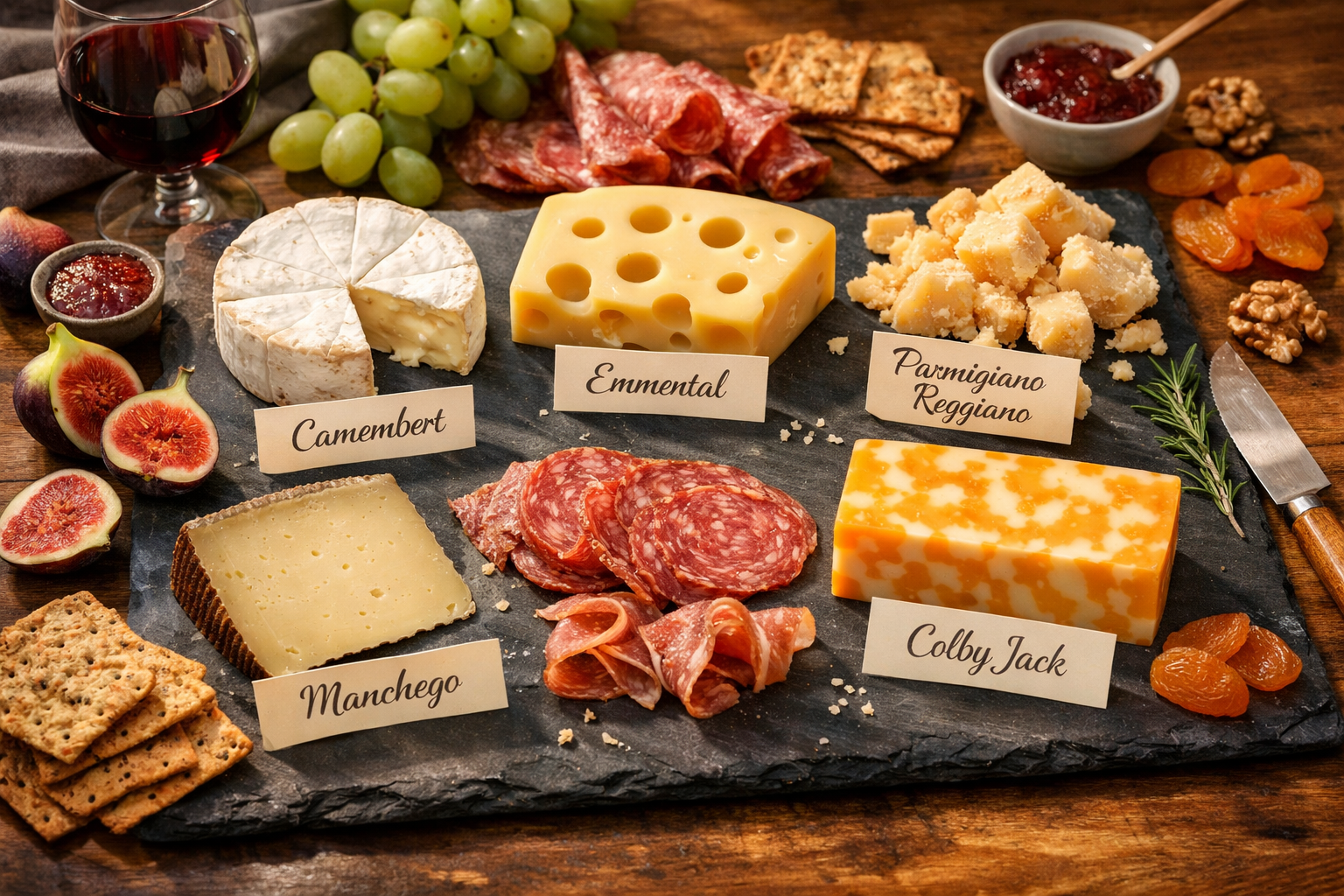
Celebrating this holiday doesn’t require a big budget or culinary expertise. The goal is simply to enjoy cheese more intentionally than usual.
Build a Cheese Board
A well-constructed cheese board is the centerpiece of most celebrations. A good board includes variety across texture and flavor:
| Cheese Type | Example | Flavor Profile |
|---|---|---|
| Fresh | Ricotta, Chèvre | Mild, creamy, tangy |
| Soft-ripened | Brie, Camembert | Buttery, earthy, mushroomy |
| Semi-hard | Gouda, Havarti | Smooth, nutty, mild |
| Hard/Aged | Cheddar, Parmesan | Sharp, crystalline, complex |
| Blue | Gorgonzola, Roquefort | Bold, salty, pungent |
Pro tip: Aim for at least three different textures on any board. Add honey, fresh fruit, nuts, and quality crackers to complement rather than overpower the cheese.
Try a New Variety
The best way to honor National Cheese Lover’s Day is to step outside a comfort zone. If cheddar is a weekly staple, try an aged Manchego or a funky Taleggio. Local specialty grocery stores and dedicated cheesemongers are ideal sources for guidance and samples.
Cook a Cheese-Forward Dish
Cheese isn’t just for boards. Some crowd-pleasing options:
- French onion soup with a gruyère crust
- Homemade mac and cheese using a blend of sharp cheddar and fontina
- Baked brie with honey and walnuts in puff pastry
- Cheese fondue with crusty bread and vegetables for dipping
Visit a Local Cheesemonger or Dairy Farm
Many specialty cheese shops and local dairies offer tastings or special promotions around January 20 National Cheese Lover’s Day. Calling ahead to ask about events is worth the effort.
Share on Social Media
Use #NationalCheeseLovesDay or #CheeseLovesDay to connect with other enthusiasts online. Food communities on Instagram and TikTok often feature creative boards, recipes, and pairing guides on this date.
Cheese Pairing Basics: Getting It Right
Pairing cheese with the right accompaniment transforms a good tasting into a great one. The general principle: match intensity with intensity.
- Mild cheeses (fresh mozzarella, ricotta) pair well with light white wines, sparkling water, or delicate fruits like melon.
- Medium cheeses (gouda, cheddar) work with medium-bodied reds, amber ales, or apple slices.
- Strong/aged cheeses (aged parmesan, aged gouda) hold up against bold reds, stouts, or dark honey.
- Blue cheeses pair classically with sweet wines like Sauternes or port, which balance the saltiness.
Common mistake: Serving cheese straight from the refrigerator. Cold temperatures mute flavor. Most cheeses taste best after sitting at room temperature for 30 to 60 minutes before serving.
Frequently Asked Questions
When is National Cheese Lover’s Day? National Cheese Lover’s Day is celebrated every year on January 20 in the United States.
Is January 20 National Cheese Lover’s Day an official U.S. holiday? No. It’s an informal food holiday with no government declaration. It’s observed by food enthusiasts, retailers, and restaurants rather than recognized as a public or federal holiday.
Who created National Cheese Lover’s Day? There is no single verified founder. The holiday grew organically through food culture and social media, similar to many other food observance days on the U.S. calendar.
Are there other cheese holidays throughout the year? Yes. For example, National Grilled Cheese Day is observed on April 12, and National Brie Day falls on March 27. January 20 is the broadest celebration covering all cheese types.
What hashtags should be used on social media? The most common tags are #NationalCheeseLovesDay, #CheeseLovesDay, and #NationalCheese. Checking these on Instagram or TikTok around January 20 will surface community content.
How many types of cheese exist? The Oxford Companion to Cheese (2016) documents over 1,800 distinct varieties worldwide, though estimates vary depending on how regional sub-types are counted.
Is cheese healthy? Cheese is a good source of protein, calcium, and fat-soluble vitamins. Nutritional value varies significantly by type. Moderation and variety are key, and anyone with specific dietary needs should consult a registered dietitian.
What is the most popular cheese in the United States? Mozzarella has ranked as the most consumed cheese in the U.S. for several years, largely driven by pizza consumption, according to USDA dairy data.
Can people who are lactose intolerant enjoy cheese? Many aged and hard cheeses (parmesan, aged cheddar, Swiss) contain very low levels of lactose and are often tolerated by people with lactose sensitivity. Lactose-free cheese products are also widely available.
What’s the best cheese for a beginner’s board? A reliable starter trio: a mild cheddar, a soft brie, and a creamy goat cheese. This covers a range of textures and flavors without overwhelming first-time tasters.
Conclusion: Make January 20 Count
January 20 National Cheese Lover’s Day is a simple but genuinely enjoyable reason to slow down and appreciate one of humanity’s most enduring foods. Whether the plan is a solo snack of quality aged cheddar, a dinner party cheese board, or an adventurous trip to a local cheesemonger, the day rewards curiosity and appetite in equal measure.
Actionable next steps for 2026:
- Mark the calendar now — January 20 comes quickly after the new year.
- Plan a board using the texture-variety table above as a guide.
- Visit a specialty cheese shop and ask the cheesemonger for one recommendation outside your usual choices.
- Try one new pairing — a cheese with honey, a specific wine, or a craft beer you haven’t combined before.
- Share the experience using #NationalCheeseLovesDay and inspire others to celebrate.
Cheese has been bringing people together for millennia. January 20 is just a good excuse to keep that tradition going. 🧀
References
- Donnelly, C. (Ed.). (2016). Oxford Companion to Cheese. Oxford University Press.
- U.S. Department of Agriculture, Economic Research Service. Dairy Data: Cheese Supply and Utilization. https://www.ers.usda.gov/data-products/dairy-data/
- National Dairy Council. Cheese Nutrition Facts. https://www.usdairy.com/dairy-products/cheese