
Last updated: April 3, 2026
Quick Answer: April 3 National Chocolate Mousse Day is an annual food observance celebrated every April 3 in the United States. It honors the classic French dessert known for its airy, velvety texture and rich chocolate flavor. The day is marked by making chocolate mousse at home, ordering it at restaurants, and sharing the experience with friends and family.
Key Takeaways
- April 3 is National Chocolate Mousse Day, celebrated annually across the United States.
- Chocolate mousse is a French dessert dating back to the 18th century; the phrase “mousse au chocolat” appeared in French culinary texts by the late 1700s.
- Classic mousse uses dark chocolate, eggs, heavy cream, and sugar, no flour, making it naturally gluten-free.
- Egg-free versions exist using aquafaba or whipped cream alone as the aerating agent.
- Chocolate mousse keeps well in the refrigerator for up to three days when covered tightly.
- Freezing mousse is possible but affects texture; it becomes denser after thawing.
- Common mistakes include overwhipping cream, using low-quality chocolate, and adding hot chocolate to cold eggs too quickly.
- Mousse differs from pudding in texture and method: mousse is aerated, pudding is starch-thickened.
- Top pairings include fresh berries, whipped cream, shortbread, and espresso.
What Is National Chocolate Mousse Day?
National Chocolate Mousse Day is an unofficial American food holiday celebrated on April 3 each year. It exists to honor chocolate mousse, a dessert made by folding whipped cream or beaten egg whites into melted chocolate to create a light, airy texture with an intense chocolate flavor.
The day gives home cooks, pastry chefs, and chocolate lovers a reason to make or order the dessert. Restaurants often feature mousse specials, and food bloggers frequently publish new recipe variations around this date. If you enjoy other chocolate-themed food holidays, the National Dark Chocolate Day on February 1 and National Chocolate Fondue Day on February 5 are worth marking on your calendar as well.
When Is Chocolate Mousse Day Celebrated and Where Did It Come From?
Chocolate mousse day is celebrated on April 3 every year. Like most American national food days, it has no single verified founder or official government proclamation. Food observances of this type typically originate from food industry marketing campaigns, culinary organizations, or enthusiastic food bloggers who register dates through informal food holiday registries.
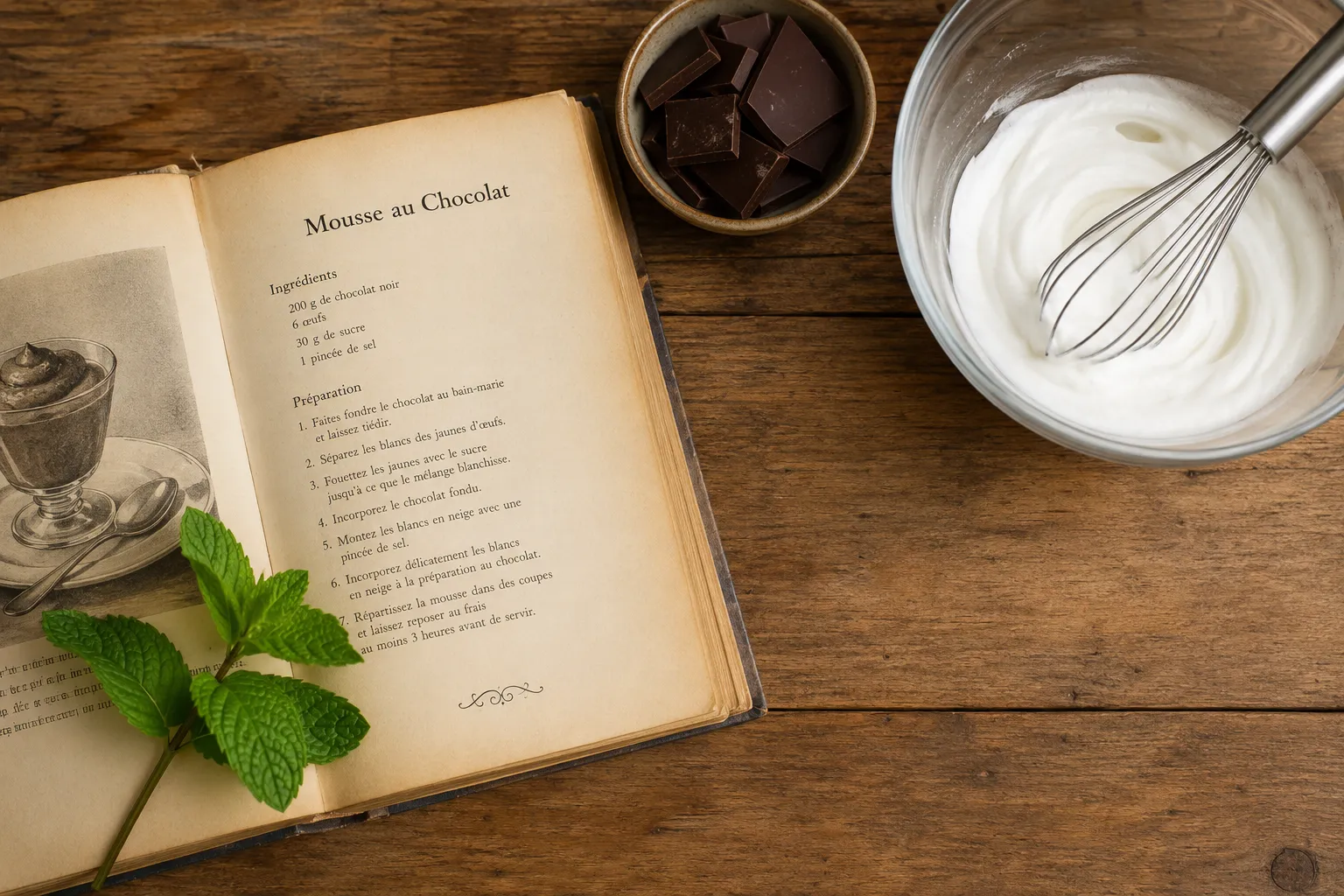
The dessert itself has a much longer and more documented history. Chocolate mousse traces its origins to France, where the term “mousse” simply means “foam” or “froth” in French. Culinary historians note that recipes resembling mousse appeared in French cooking literature in the late 18th century. The dessert became widely popular in the United States during the mid-20th century as French cuisine gained mainstream appeal.
For context on how other chocolate-themed observances developed, see the guide to National Chocolate Cake Day on January 27.
How Do You Make Chocolate Mousse From Scratch: Best Easy Recipe
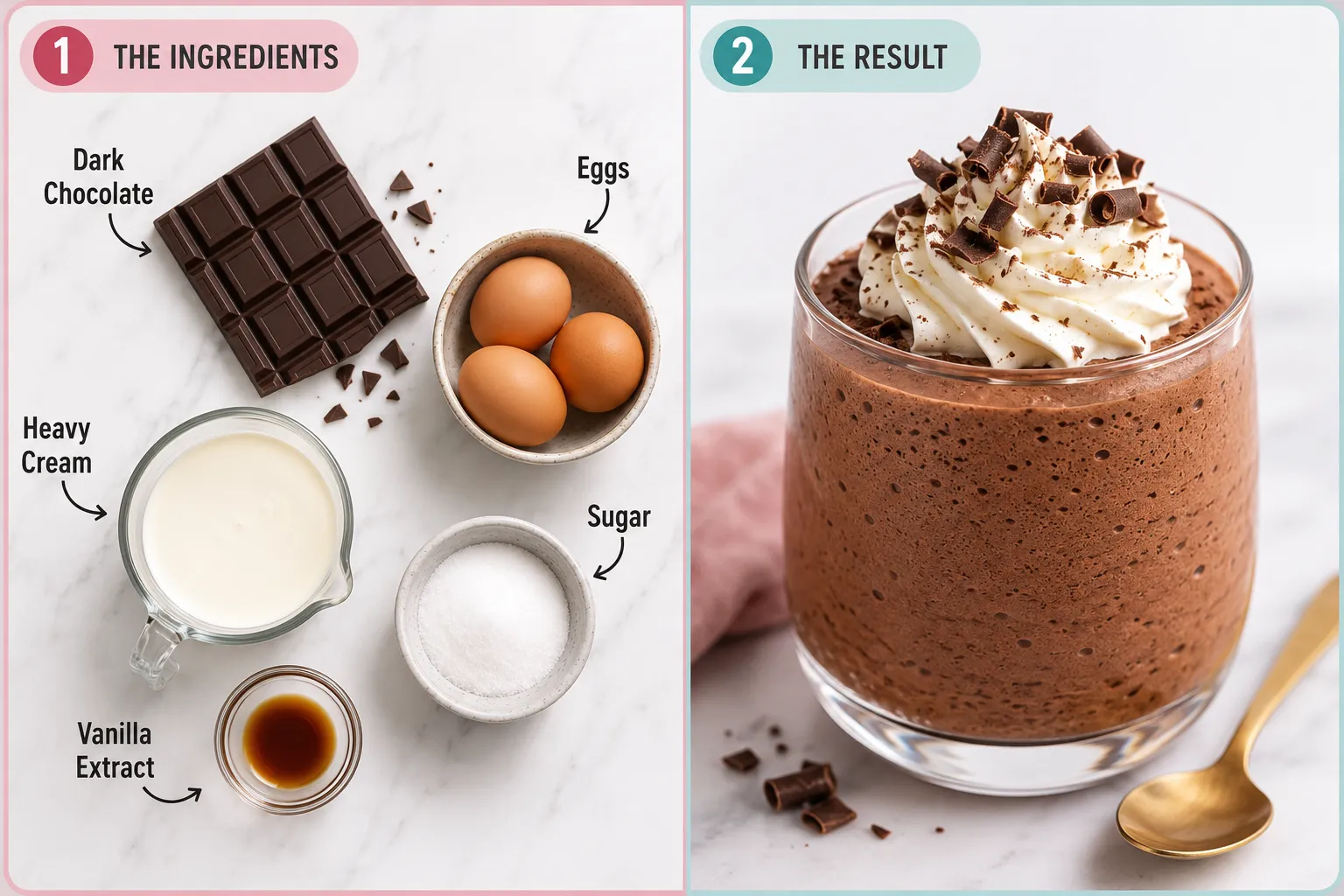
A classic chocolate mousse requires four main ingredients, dark chocolate, eggs, heavy cream, and sugar, and no baking. The process takes about 20 minutes of active work plus two hours of chilling time.
Classic Chocolate Mousse Recipe (serves 4)
Ingredients:
- 170 g (6 oz) good-quality dark chocolate (60-70% cacao), chopped
- 3 large eggs, separated
- 2 tablespoons granulated sugar
- 240 ml (1 cup) heavy whipping cream, cold
- Pinch of salt
- 1 teaspoon vanilla extract
Steps:
- Melt the chocolate. Place chopped chocolate in a heatproof bowl over a pot of barely simmering water. Stir until smooth, then remove from heat and let cool for 5 minutes.
- Whisk the yolks. Beat egg yolks with vanilla until pale and slightly thickened, about 2 minutes. Slowly fold the cooled chocolate into the yolks.
- Whip the cream. Using a cold bowl, whip heavy cream to soft peaks. Do not overwhip.
- Beat the egg whites. In a clean bowl, beat egg whites with a pinch of salt until foamy, then add sugar gradually and beat to stiff peaks.
- Fold together. Gently fold one-third of the egg whites into the chocolate mixture to lighten it, then fold in the remaining whites. Finally, fold in the whipped cream using slow, sweeping motions to preserve the air.
- Chill. Divide into serving glasses and refrigerate for at least 2 hours before serving.
Choose this recipe if you want a traditional French-style mousse with maximum richness. For a simpler version, skip the egg yolks and use only whipped cream folded into melted chocolate, the result is lighter but less complex in flavor.
Difference Between Mousse and Pudding
Mousse and pudding are both creamy chocolate desserts, but they differ fundamentally in texture and preparation method. Mousse is aerated, it gets its light, foamy texture from whipped cream or beaten egg whites folded in. Pudding is thickened with starch (usually cornstarch or flour) and set by cooking on the stovetop or baking.
| Feature | Chocolate Mousse | Chocolate Pudding |
|---|---|---|
| Texture | Light, airy, foamy | Dense, creamy, smooth |
| Thickening agent | Whipped air (cream/eggs) | Cornstarch or flour |
| Cooking required | Minimal (melt chocolate) | Yes (stovetop or baked) |
| Gluten-free | Yes (classic recipe) | Often no (starch-based) |
| Chill time | 2+ hours | 1-2 hours |
If you enjoy exploring other pudding-style desserts, the National Plum Pudding Day guide for February 12 covers a related classic.
Can You Make Mousse Without Eggs?
Yes, egg-free chocolate mousse is entirely possible and works well for people with egg allergies or dietary restrictions. The most reliable substitute is aquafaba, the liquid from a can of chickpeas, which whips into stiff peaks similar to egg whites and provides the same aeration.
Egg-free options:
- Aquafaba: Use 3 tablespoons per egg white. Whip to stiff peaks with a small amount of cream of tartar for stability.
- Whipped cream only: Skip eggs entirely and fold whipped cream directly into melted chocolate. The mousse will be denser but still delicious.
- Silken tofu: Blend smooth silken tofu with melted chocolate and a sweetener for a vegan, protein-rich alternative with a denser texture.
The aquafaba method most closely mimics the classic texture. The whipped-cream-only method is the fastest and most beginner-friendly.
Is Chocolate Mousse Gluten-Free?
Classic chocolate mousse made with dark chocolate, eggs, cream, and sugar contains no gluten-containing ingredients and is naturally gluten-free. This makes it one of the more accessible desserts for people with celiac disease or gluten sensitivity.
Watch for these exceptions:
- Some flavored or commercial chocolates contain malt or barley derivatives.
- Pre-made mousse mixes often include thickeners or stabilizers that may contain gluten.
- Cross-contamination is a risk in restaurant kitchens that also handle wheat-based desserts.
Always check the chocolate label if serving someone with celiac disease. Look for a certified gluten-free designation on the packaging.
Common Mistakes When Making Chocolate Mousse
Most mousse failures come down to three problems: overworked cream, temperature mismatches, and low-quality chocolate.
Mistakes to avoid:
- Overwhipping the cream. Cream whipped to stiff peaks (rather than soft peaks) creates a grainy, butter-like texture in the finished mousse. Stop when the cream holds gentle waves.
- Adding hot chocolate to cold eggs. Pouring very hot melted chocolate directly into egg yolks scrambles them. Let the chocolate cool for at least 5 minutes first.
- Deflating the egg whites. Folding too aggressively collapses the air bubbles that give mousse its lift. Use a large spatula and slow, circular motions.
- Using low-cacao chocolate. Milk chocolate or chocolate chips with stabilizers do not melt as smoothly and produce a less intense flavor. Use a bar with at least 60% cacao.
- Skipping the chill time. Mousse served immediately after mixing is loose and flat. Two hours minimum in the refrigerator allows it to set properly.
How Long Does Chocolate Mousse Last in the Fridge, and Can You Freeze It?
Chocolate mousse lasts up to three days in the refrigerator when stored in covered individual cups or a sealed container. After three days, the texture begins to weep liquid and the flavor deteriorates.
Freezing mousse is possible but not ideal. The mousse will firm up well in the freezer and can be stored for up to one month. However, after thawing in the refrigerator overnight, the texture becomes noticeably denser because the ice crystals that form during freezing break down the air structure. Frozen-then-thawed mousse is better described as a semifreddo-style dessert than a traditional mousse.
Storage rules at a glance:
- Refrigerator: up to 3 days, covered
- Freezer: up to 1 month; expect texture change after thawing
- Room temperature: do not leave mousse out for more than 2 hours (contains raw or lightly cooked eggs)
What Do You Serve With Chocolate Mousse: Best Toppings and Pairings
Chocolate mousse pairs well with tart, crunchy, or creamy accompaniments that contrast its rich, airy texture. The most popular pairings balance sweetness with acidity or add textural variety.
Best toppings:
- Fresh raspberries or strawberries (acidity cuts through richness)
- Lightly sweetened whipped cream
- Chocolate shavings or cocoa powder dusting
- Crushed toasted hazelnuts or almonds
- Flaky sea salt (enhances chocolate flavor)
- Candied orange zest
Best side pairings:
- Shortbread cookies or butter wafers for dipping
- A shot of espresso or strong coffee alongside
- A small glass of dessert wine such as a late-harvest Riesling or ruby port
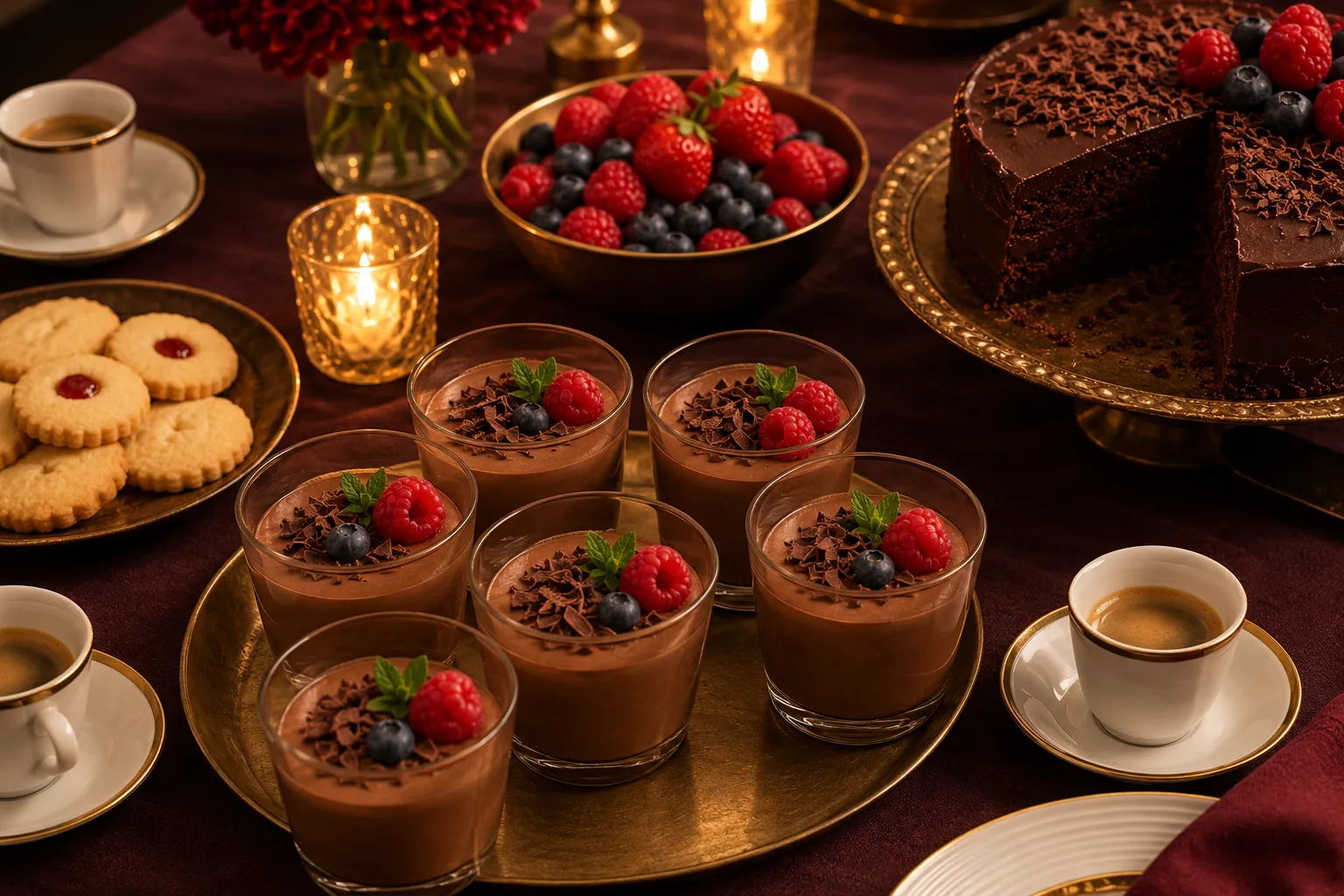
For a full dessert spread on April 3 National Chocolate Mousse Day, consider pairing mousse cups with a slice of chocolate cake or serving alongside a chocolate fondue station for a chocolate-themed celebration.
Chocolate Mousse vs. Chocolate Cake: Which Is Better for April 3?
Neither is objectively better, the right choice depends on the occasion, skill level, and preference for texture. Chocolate cake is denser, more filling, and easier to transport and serve to a crowd. Chocolate mousse is lighter, more elegant, and faster to prepare (no oven required), but it requires refrigeration and careful handling.
Choose chocolate mousse if:
- You want a no-bake dessert
- You are serving a smaller group (4-6 people)
- You prefer a lighter finish after a heavy meal
- You want an individually portioned, restaurant-style presentation
Choose chocolate cake if:
- You are feeding a large group
- You need a dessert that travels well
- You want something more substantial
On April 3 National Chocolate Mousse Day specifically, mousse is the obvious choice, but there is no rule against serving both. If you love celebrating chocolate in multiple forms, National Hot Chocolate Day on January 31 is another date worth noting.
FAQ: April 3 National Chocolate Mousse Day
Q: Is April 3 National Chocolate Mousse Day an official holiday? No. It is an unofficial food observance with no government or legislative backing. It is widely recognized in the food community and observed voluntarily.
Q: What type of chocolate works best for mousse? Dark chocolate with 60-70% cacao content gives the best flavor and melting properties. Avoid chocolate chips, which contain stabilizers that can affect texture.
Q: Can kids eat chocolate mousse made with raw eggs? Classic mousse uses raw egg whites and lightly cooked yolks, which carry a small salmonella risk. For children, pregnant individuals, or immunocompromised people, use a pasteurized egg product or an egg-free recipe.
Q: How do I fix mousse that is too runny? A runny mousse usually means the cream was underwhipped or the chocolate was too warm when folded in. Chill the mixture for 30 minutes and gently re-fold. If it does not set, it can be served as a chocolate sauce or poured into a frozen dessert mold.
Q: Can I make chocolate mousse the day before? Yes. Mousse made the day before and refrigerated overnight is often better than same-day mousse because it has more time to set and the flavors deepen.
Q: Is white chocolate mousse the same as chocolate mousse? White chocolate mousse uses the same technique but substitutes white chocolate for dark. The flavor is sweeter and less intense, and the texture may be slightly softer because white chocolate has a higher fat content.
Q: What is the calorie count for chocolate mousse? A standard serving (approximately 120 g) of classic chocolate mousse made with dark chocolate and heavy cream contains roughly 300-400 calories, depending on the recipe. This is an estimate based on typical ingredient quantities and will vary by recipe.
Q: How do restaurants make mousse so smooth? Professional kitchens often use a higher ratio of cream to chocolate, strain the base through a fine-mesh sieve, and chill the mousse in temperature-controlled conditions. Some add a small amount of butter to the melted chocolate for extra gloss and richness.
Q: Can I use cocoa powder instead of chocolate? Cocoa powder alone will not produce the same result. It lacks the cocoa butter needed for a smooth, glossy texture. If using cocoa powder, combine it with melted butter or coconut oil to approximate the fat content of solid chocolate.
Q: Is chocolate mousse the same as chocolate soufflé? No. A soufflé is baked and served immediately while hot. Mousse is chilled and served cold. Both use beaten egg whites for lift, but the final texture and serving temperature are completely different.
Conclusion: How to Celebrate April 3 National Chocolate Mousse Day in 2026
April 3 National Chocolate Mousse Day is one of the most accessible food holidays on the calendar. The dessert requires no oven, minimal equipment, and just a handful of quality ingredients. Here are the most practical ways to mark the day in 2026:
- Make it at home. Use the classic four-ingredient recipe above. Set aside 20 minutes of prep time and let the mousse chill overnight for the best results.
- Upgrade your chocolate. Buy a high-quality single-origin dark chocolate bar (60-70% cacao) rather than baking chips. The flavor difference is significant.
- Try a variation. Experiment with an egg-free aquafaba version, a vegan silken tofu mousse, or a white chocolate mousse with raspberry coulis.
- Share the experience. Portion mousse into individual glasses and share with friends, coworkers, or family. The individual-cup format makes it easy to serve and photograph.
- Pair it thoughtfully. Serve with fresh raspberries, flaky sea salt, and a small cup of espresso for a complete dessert experience.
Whether celebrating with a classic French recipe or a modern dairy-free twist, April 3 National Chocolate Mousse Day is a genuine reason to slow down and enjoy one of the world’s most elegant desserts.