Last updated: April 21, 2026
Quick Answer: April 21 National Chickpea Day is an annual food observance in the United States dedicated to celebrating the chickpea, one of the world’s oldest and most nutritious legumes. The day was created by organic snack brand HIPPEAS in 2019 and has been observed every April 21 since 2020. It’s a chance to cook with chickpeas, learn about their health benefits, and appreciate their role in global cuisine.
Key Takeaways
- April 21 is National Chickpea Day, observed annually in the United States.
- The holiday was founded by HIPPEAS, an organic chickpea snack company, in August 2019.
- Chickpeas are one of the earliest cultivated legumes, with origins dating back over 7,500 years in the Middle East.
- A single cup of cooked chickpeas provides roughly 15 grams of protein and 12 grams of fiber, according to USDA nutritional data.
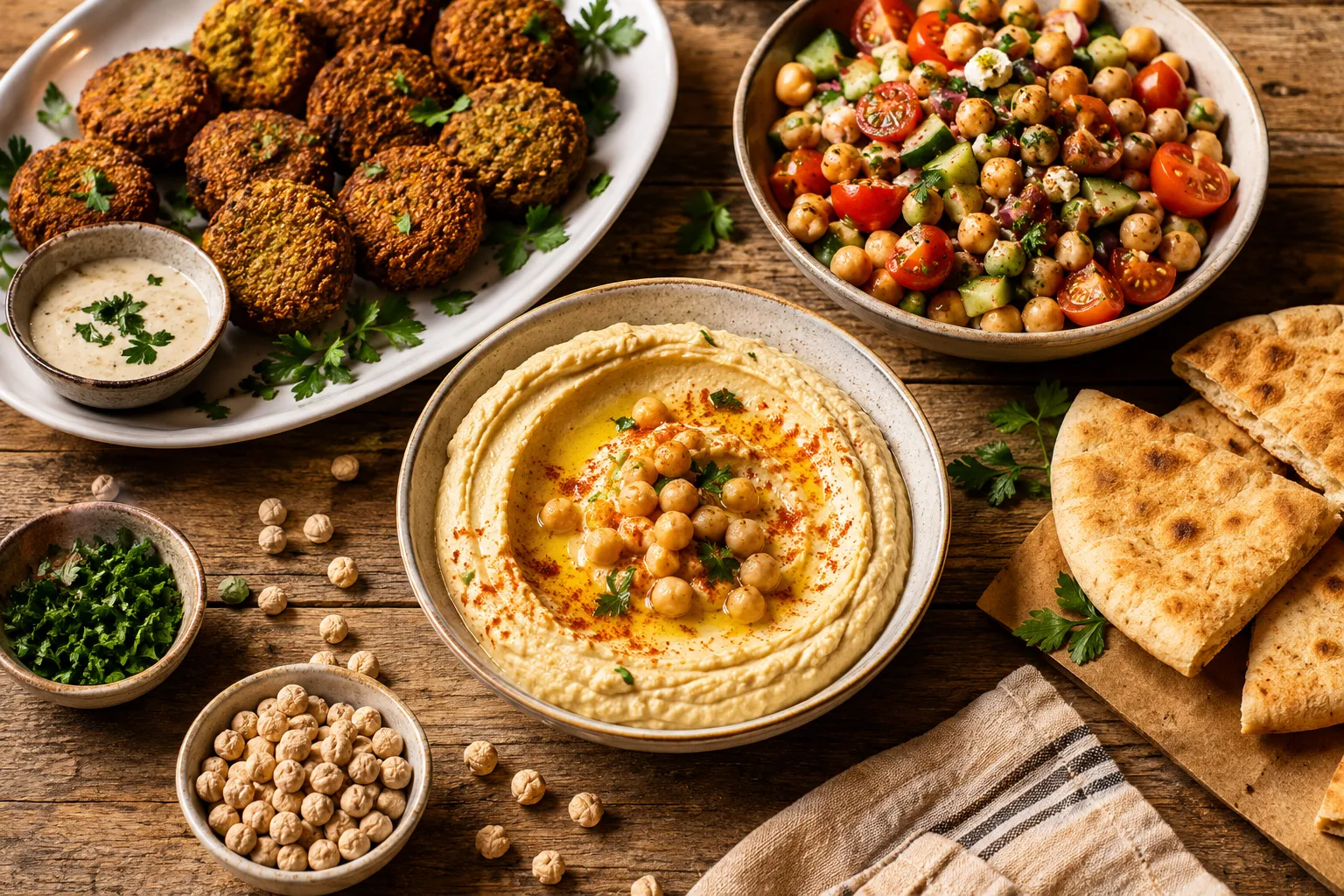
- Common ways to celebrate include making hummus, roasting chickpeas, cooking falafel, or trying a new chickpea-based recipe.
- Chickpeas are naturally gluten-free, making them a strong option for people with celiac disease or gluten sensitivity.
- People with legume allergies should exercise caution, as chickpea allergies, while uncommon, do exist.
- Chickpeas are also an environmentally friendly crop: they fix nitrogen in the soil, reducing the need for synthetic fertilizers.
What Is National Chickpea Day and Where Did It Come From
National Chickpea Day is a food holiday observed on April 21 each year, primarily in the United States, that celebrates the culinary versatility, nutritional value, and agricultural history of the chickpea (Cicer arietinum). The day encourages people to cook with chickpeas, share recipes, and learn more about this widely used legume. [1][8]
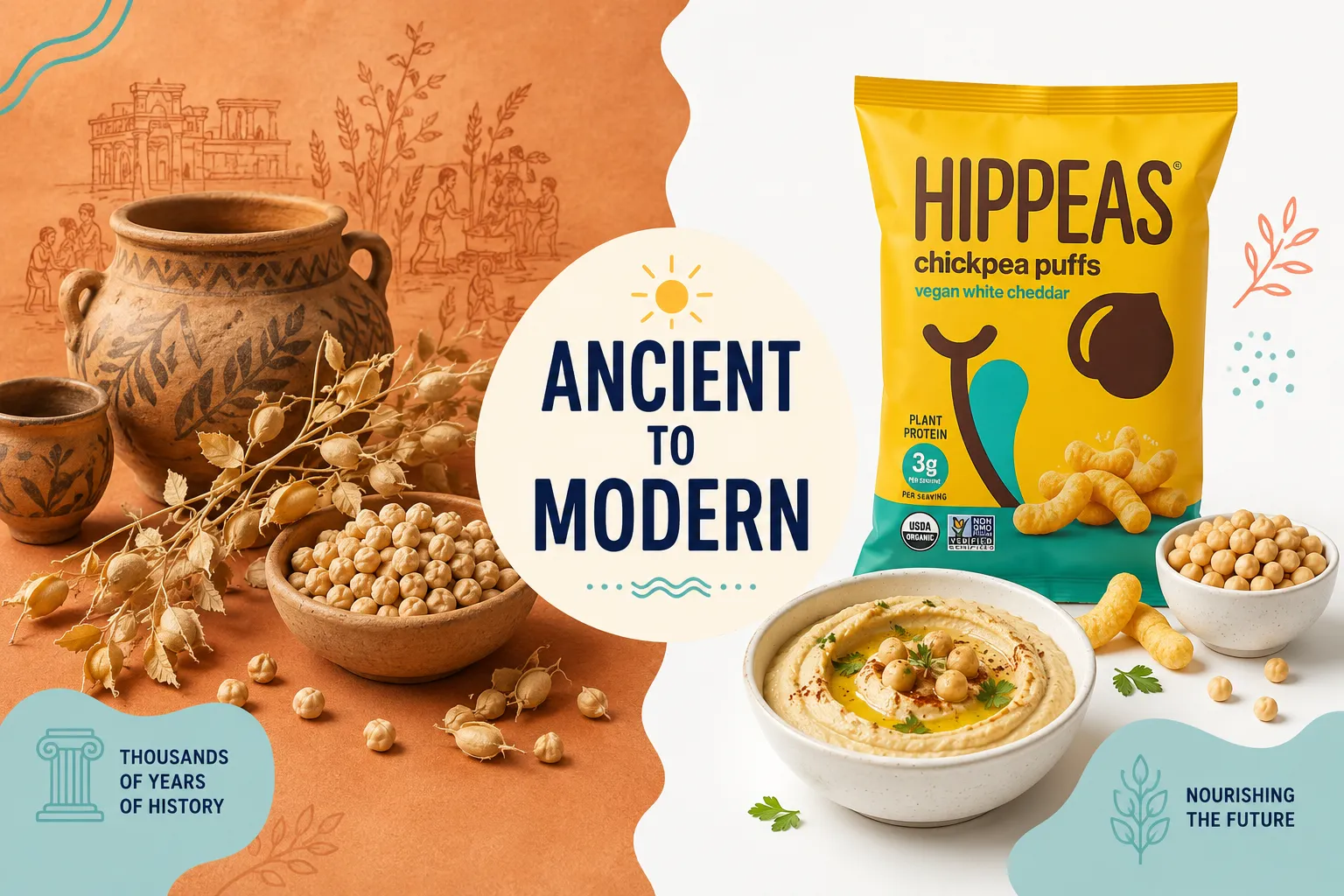
The holiday was created by HIPPEAS, a brand known for its organic chickpea-based puffs and snacks. According to the National Day Archives, HIPPEAS officially registered the observance in August 2019, and April 21 has served as the annual date since the first official celebration in 2020. [2][4]
Why HIPPEAS created it: The brand’s mission centers on plant-based eating and sustainable agriculture. By establishing a dedicated food holiday, HIPPEAS aimed to draw broader attention to chickpeas beyond their traditional uses in hummus and falafel, positioning them as a mainstream snack and protein source. [2][8]
The day is listed on major holiday calendars including National Today, Checkiday, Holiday Today, and List of National Days, which have helped it gain recognition among food enthusiasts and health-conscious consumers across the country. [1][3][4][8]
Fun Chickpea Day Facts and History Worth Knowing
Chickpeas have a longer history than most foods on any modern menu. Archaeological evidence places chickpea cultivation in the Middle East as far back as 7,500 years ago, making them one of the earliest crops grown by humans. [8]
A few facts that put the chickpea’s story in perspective:
- The word “chickpea” traces back to the Latin word cicer, which was also the root of the Roman statesman Cicero’s name, a nod to how deeply embedded chickpeas were in ancient Mediterranean culture.
- Chickpeas belong to the legume family and come in two main varieties: Desi (small, dark, and common in South Asia) and Kabuli (larger, lighter, and most common in Western markets).
- They are grown on every inhabited continent and rank among the top three most consumed legumes worldwide, alongside lentils and dry beans.
- The United States, India, Australia, and Turkey are among the world’s largest chickpea producers.
For food holiday enthusiasts who enjoy exploring the stories behind what they eat, April 21 National Chickpea Day fits naturally alongside other observances like National Peanut Butter Day on January 24, another celebration of a protein-packed pantry staple with deep culinary roots.
Chickpea Nutrition Facts and Health Benefits
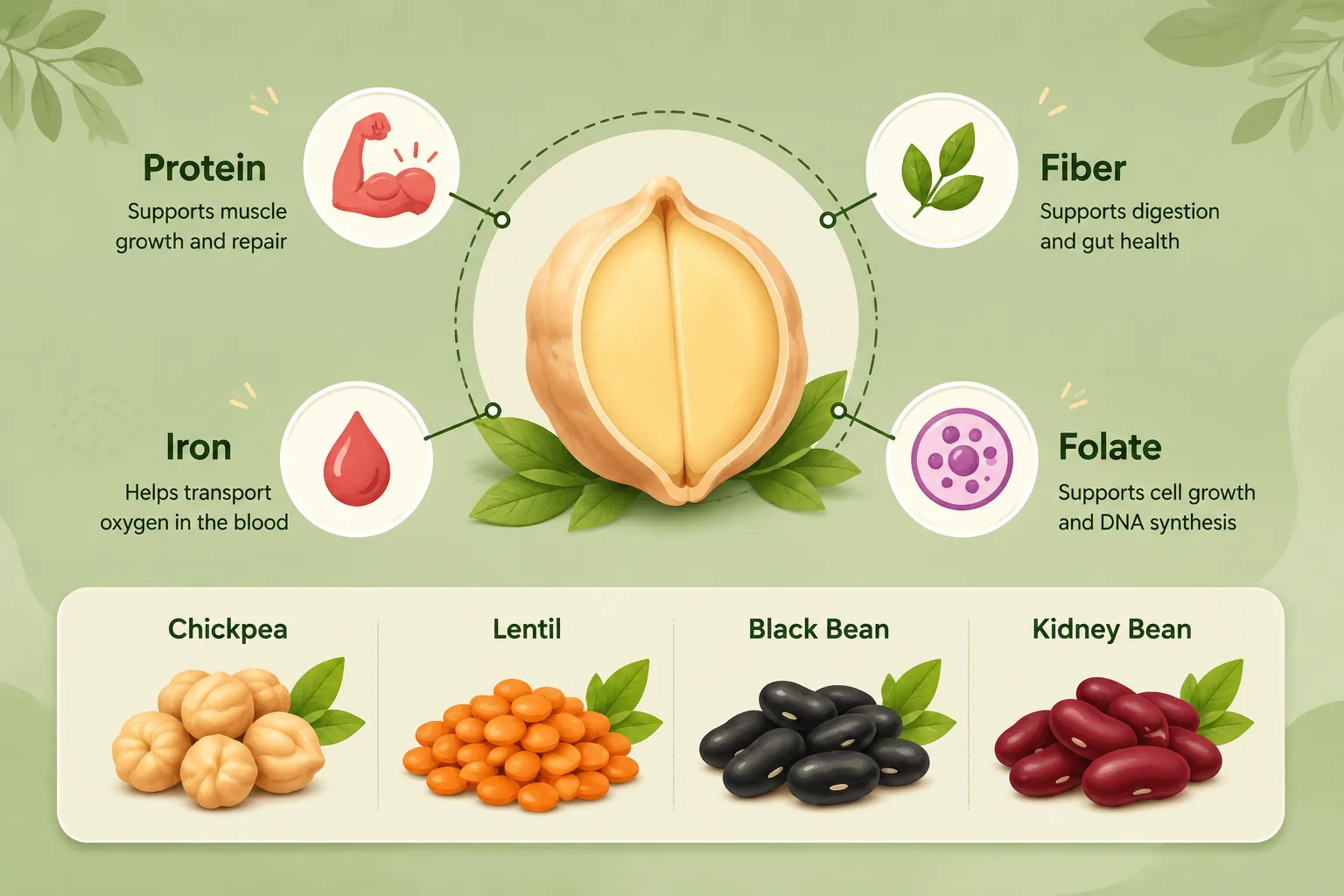
A cup of cooked chickpeas (roughly 164 grams) delivers approximately 15 grams of protein, 12 grams of dietary fiber, and significant amounts of folate, iron, phosphorus, and manganese, based on USDA nutritional data. That combination makes chickpeas one of the most nutrient-dense plant foods available. [8]
Key health benefits backed by nutritional science:
- Blood sugar management: The high fiber and protein content slows glucose absorption, which can help stabilize blood sugar levels after meals.
- Heart health: Soluble fiber in chickpeas has been associated with reduced LDL cholesterol levels in multiple dietary studies.
- Weight management: The protein-fiber combination promotes satiety, helping people feel full longer on fewer calories.
- Gut health: Chickpeas act as a prebiotic, feeding beneficial gut bacteria and supporting digestive health.
- Bone support: Chickpeas contain calcium, magnesium, and phosphorus, all important for maintaining bone density.
Chickpeas are also naturally gluten-free, which makes them a reliable protein source for people managing celiac disease or non-celiac gluten sensitivity. For more on gluten-free eating, see resources tagged under national gluten-free day at stillcooking.com.
How to Celebrate April 21 National Chickpea Day
The most direct way to celebrate April 21 National Chickpea Day is to cook or eat something made with chickpeas. The day is intentionally accessible, no special equipment or culinary training required. [5][7]
Practical ways to mark the day:
- Make homemade hummus. Blend canned chickpeas with tahini, lemon juice, garlic, and olive oil. It takes under 10 minutes and tastes noticeably better than most store-bought versions.
- Roast a batch of crispy chickpeas. Drain and dry canned chickpeas, toss with olive oil and your choice of spices (smoked paprika, cumin, garlic powder), and roast at 400°F for 25-30 minutes. [9]
- Try falafel from scratch. Use dried chickpeas (not canned) soaked overnight, blended with herbs and spices, then pan-fried or baked.
- Add chickpeas to a salad or grain bowl. A quick way to boost protein in any meal without changing the recipe significantly.
- Share on social media. Use the hashtag #NationalChickpeaDay to connect with others celebrating the day. [1][8]
- Visit a Middle Eastern or Mediterranean restaurant. Support local businesses that have long featured chickpeas as a menu cornerstone. [5][7]
If you enjoy exploring food holidays throughout the year, the 97 Vegetarian Cookbook at stillcooking.com offers a wide range of plant-based recipes that pair well with chickpea-focused cooking.
Best Chickpea Recipes to Make on Chickpea Day
The best chickpea recipes for National Chickpea Day balance simplicity with flavor. Classic hummus and roasted chickpeas are the most popular starting points, but chickpeas work well in soups, curries, pasta dishes, and even desserts.
Top recipes by skill level:
| Recipe | Skill Level | Time Required |
|---|---|---|
| Classic Hummus | Beginner | 10 minutes |
| Roasted Spiced Chickpeas | Beginner | 35 minutes |
| Chickpea Salad | Beginner | 15 minutes |
| Chickpea Curry (Chana Masala) | Intermediate | 40 minutes |
| Falafel (from dried chickpeas) | Intermediate | 1 hour + soak time |
| Chickpea Pasta with Pesto | Beginner | 20 minutes |
| Chocolate Chickpea Blondies | Intermediate | 45 minutes |
Quick example, 5-minute chickpea salad: Drain one can of chickpeas, rinse well, then combine with diced cucumber, halved cherry tomatoes, red onion, fresh parsley, olive oil, lemon juice, salt, and pepper. Serve immediately or refrigerate for up to two days.
The 147 Greek Cookbook at stillcooking.com is a strong resource for Mediterranean-style chickpea dishes that fit naturally into a National Chickpea Day menu.
Chickpea vs Other Legumes: How Do They Compare
Chickpeas hold their own against other popular legumes in both nutrition and culinary flexibility. Compared to lentils, black beans, and kidney beans, chickpeas offer a balanced profile that works across a wider range of cuisines and cooking methods. [8]
Nutritional comparison (per 1 cup cooked, approximate USDA values):
- Chickpeas: ~269 calories, 15g protein, 12g fiber, 4g fat
- Lentils: ~230 calories, 18g protein, 16g fiber, 0.8g fat
- Black beans: ~227 calories, 15g protein, 15g fiber, 0.9g fat
- Kidney beans: ~225 calories, 15g protein, 11g fiber, 0.9g fat
Choose chickpeas if: you want a legume that works equally well in dips, snacks, curries, salads, and baked goods, their mild flavor and firm texture make them the most versatile option.
Choose lentils if: you need faster cooking time (no soaking required) and higher fiber content per serving.
Choose black beans if: you’re cooking Latin American or Southwestern dishes where their earthy flavor is a better match.
For those interested in bean-based cooking beyond chickpeas, the beans cookbook collection at stillcooking.com covers a broad range of legume recipes.
Chickpea Cooking Tips, Tricks, and Common Mistakes
The biggest mistake most people make with chickpeas is using canned chickpeas when dried chickpeas would produce a better result, and vice versa. Knowing which form to use changes the outcome significantly.
When to use canned chickpeas:
- Hummus, salads, quick soups, grain bowls, and any recipe where cooking time is limited.
- Canned chickpeas are already cooked and just need rinsing.
When to use dried chickpeas:
- Falafel (canned chickpeas make falafel fall apart), slow-cooked stews, and dishes where texture matters most.
- Dried chickpeas must be soaked for 8-12 hours before cooking, then simmered for 1-2 hours.
Pro tips for better results:
- Dry them thoroughly before roasting. Moisture is the enemy of crispy roasted chickpeas. Pat canned chickpeas completely dry with paper towels and let them air-dry for 15 minutes before adding oil. [9]
- Don’t salt dried chickpeas until they’re fully cooked. Adding salt too early can toughen the skins.
- Save the aquafaba. The liquid in canned chickpeas (called aquafaba) works as an egg substitute in baking, three tablespoons equals one egg white.
- Add baking soda when boiling dried chickpeas. A small pinch helps soften the skins and reduces cooking time.
- Season generously. Chickpeas have a mild, slightly nutty flavor that absorbs spices well. Under-seasoning is the most common flavor mistake.
Chickpea Allergies and Who Should Avoid Them
Chickpea allergies are uncommon but real, and people with known legume allergies should approach chickpeas with caution. Chickpeas belong to the legume family, which also includes peanuts, lentils, peas, and soybeans, cross-reactivity between these foods is possible in some individuals.
Who should be cautious:
- People with diagnosed peanut or soy allergies, as cross-reactivity with chickpeas has been documented in clinical literature.
- Individuals with irritable bowel syndrome (IBS) may find chickpeas trigger symptoms due to their high FODMAP content. Rinsing canned chickpeas thoroughly and starting with small portions can help reduce digestive discomfort.
- People on blood-thinning medications should note that chickpeas are high in vitamin K, which can interact with certain anticoagulant drugs, a conversation with a healthcare provider is warranted.
If you suspect a chickpea allergy, consult an allergist before National Chickpea Day celebrations. For most people, chickpeas are a safe, well-tolerated food with a strong nutritional profile.
How to Grow Chickpeas at Home
Chickpeas can be grown at home in most temperate climates, making April 21 National Chickpea Day a natural time to start a garden plot. They are warm-season crops that prefer dry, sunny conditions and well-drained soil.
Basic growing guide:
- Choose the right time. Plant after the last frost date when soil temperatures reach at least 50°F. In most of the continental United States, this means planting between March and May.
- Select a sunny spot. Chickpeas need at least 6-8 hours of direct sunlight daily.
- Prepare the soil. Chickpeas prefer slightly alkaline, well-drained soil. Avoid heavy clay soils that retain water.
- Plant seeds 1-2 inches deep, spaced 6 inches apart in rows 18 inches apart.
- Water sparingly. Chickpeas are drought-tolerant. Overwatering is a more common mistake than underwatering.
- Harvest when pods are dry and rattle. This typically occurs 90-100 days after planting.
Bonus: Chickpea plants fix atmospheric nitrogen into the soil, improving soil quality for subsequent crops, a genuine benefit for home gardeners practicing crop rotation.
Where to Buy Quality Chickpeas
Quality chickpeas are widely available in most grocery stores, specialty food shops, and online retailers. The best option depends on how you plan to use them.
By form and where to find them:
- Canned chickpeas: Available in virtually every supermarket. Look for low-sodium or no-salt-added varieties for the most control over seasoning. Store brands are generally as good as premium brands for most recipes.
- Dried chickpeas: Found in the bulk bins of natural food stores, the international foods aisle of larger supermarkets, and online. Bob’s Red Mill and Palouse Brand are well-regarded options.
- Chickpea flour (besan/gram flour): Available at Indian grocery stores, health food stores, and online. Useful for baking, batters, and gluten-free cooking.
- Chickpea snacks (roasted, puffed): Widely available in health food stores and mainstream grocery chains. HIPPEAS, the brand behind National Chickpea Day, offers several flavors.
What to look for: Dried chickpeas should be uniform in size and color with no visible cracks or shriveling. Older dried chickpeas take significantly longer to cook and may never fully soften, buy from stores with high turnover.
Frequently Asked Questions About April 21 National Chickpea Day
When is National Chickpea Day celebrated? National Chickpea Day is celebrated annually on April 21 in the United States. [1][4]
Who created National Chickpea Day? HIPPEAS, an organic chickpea snack company, created and registered National Chickpea Day in August 2019. The first official observance was April 21, 2020. [2][4]
Why is April 21 specifically chosen for Chickpea Day? The specific date of April 21 was chosen by HIPPEAS when they registered the holiday. No publicly documented reason explains why April 21 was selected over other dates. [2][8]
Is National Chickpea Day a public holiday? No. National Chickpea Day is an informal food observance, not a federal or state public holiday. Businesses and schools do not close for it. [1][3]
Are chickpeas the same as garbanzo beans? Yes. Chickpeas and garbanzo beans are the same legume (Cicer arietinum). “Garbanzo” is the Spanish-derived term more commonly used in Latin American cooking, while “chickpea” is the standard English term.
Can you eat chickpeas raw? Dried chickpeas should never be eaten raw, they contain compounds that can cause digestive distress and must be soaked and cooked thoroughly. Canned chickpeas are already cooked and safe to eat directly from the can after rinsing.
How should leftover cooked chickpeas be stored? Cooked or canned chickpeas keep in an airtight container in the refrigerator for up to five days. They can also be frozen for up to three months.
Are chickpeas suitable for a vegan or vegetarian diet? Yes. Chickpeas are 100% plant-based and are a primary protein source in many vegan and vegetarian diets worldwide. For plant-based recipe ideas, the 97 Vegetarian Cookbook at stillcooking.com is a useful resource.
How many calories are in a serving of chickpeas? A half-cup serving of cooked chickpeas contains approximately 135 calories, along with 7-8 grams of protein and 6 grams of fiber, based on USDA nutritional data.
Can chickpeas be used in desserts? Yes. Pureed chickpeas work well in brownies, blondies, and cookie doughs as a flour or fat substitute. The flavor is mild enough that most people cannot detect chickpeas in finished baked goods.
Do chickpeas cause gas? Chickpeas contain oligosaccharides, a type of carbohydrate that some people find difficult to digest, which can cause gas. Rinsing canned chickpeas, starting with smaller portions, and gradually increasing intake can reduce this effect for most people.
Is National Chickpea Day celebrated outside the United States? The holiday is primarily a U.S. observance, though food enthusiasts in other countries do participate informally. [5][7]
Conclusion
April 21 National Chickpea Day is more than a novelty food holiday. It’s a well-timed reminder that one of the world’s oldest, most nutritious, and most versatile crops deserves a regular spot on the modern plate. Whether the goal is improving daily nutrition, exploring global cuisine, reducing meat consumption, or simply trying a new recipe, chickpeas offer a practical and affordable entry point.
Actionable next steps for 2026:
- Mark April 21 on your calendar and plan at least one chickpea-based meal.
- Stock your pantry now: buy a can of chickpeas and a bag of dried chickpeas so you’re ready to cook.
- Try one recipe outside your comfort zone, if you’ve only ever eaten hummus, attempt falafel or a chickpea curry.
- If you have a garden, consider planting chickpeas this spring and harvesting your own crop.
- Share what you make on social media using #NationalChickpeaDay to connect with the broader community celebrating the day.
For more food holiday inspiration throughout the year, explore the full range of national food day guides at stillcooking.com, including celebrations like National Peanut Brittle Day on January 26 and National Corn Chip Day on January 29, two more snack-focused observances with their own rich histories.
References
[1] National Chickpea Day – https://nationaltoday.com/national-chickpea-day/ [2] National Chickpea Day – https://www.nationaldayarchives.com/day/national-chickpea-day/ [3] National Chickpea Day – https://www.listofnationaldays.com/national-chickpea-day/ [4] National Chickpea Day – https://www.checkiday.com/3238a6d88b415acc3646670707f0b34a/national-chickpea-day [5] dayspedia – https://dayspedia.com/us/calendar/holiday/2668/ [7] anydayguide – https://anydayguide.com/calendar/5291 [8] National Chickpea Day – https://holidaytoday.org/national-chickpea-day/ [9] Tip Of The Day Roasted Chickpeas – https://blog.thenibble.com/2019/09/05/tip-of-the-day-roasted-chickpeas/
Leave a Reply