March 1 National Fruit Compote Day: History, Recipes, and Everything You Need to Know in 2026
- 0
- 14 Min Read
Last updated: July 26, 2026
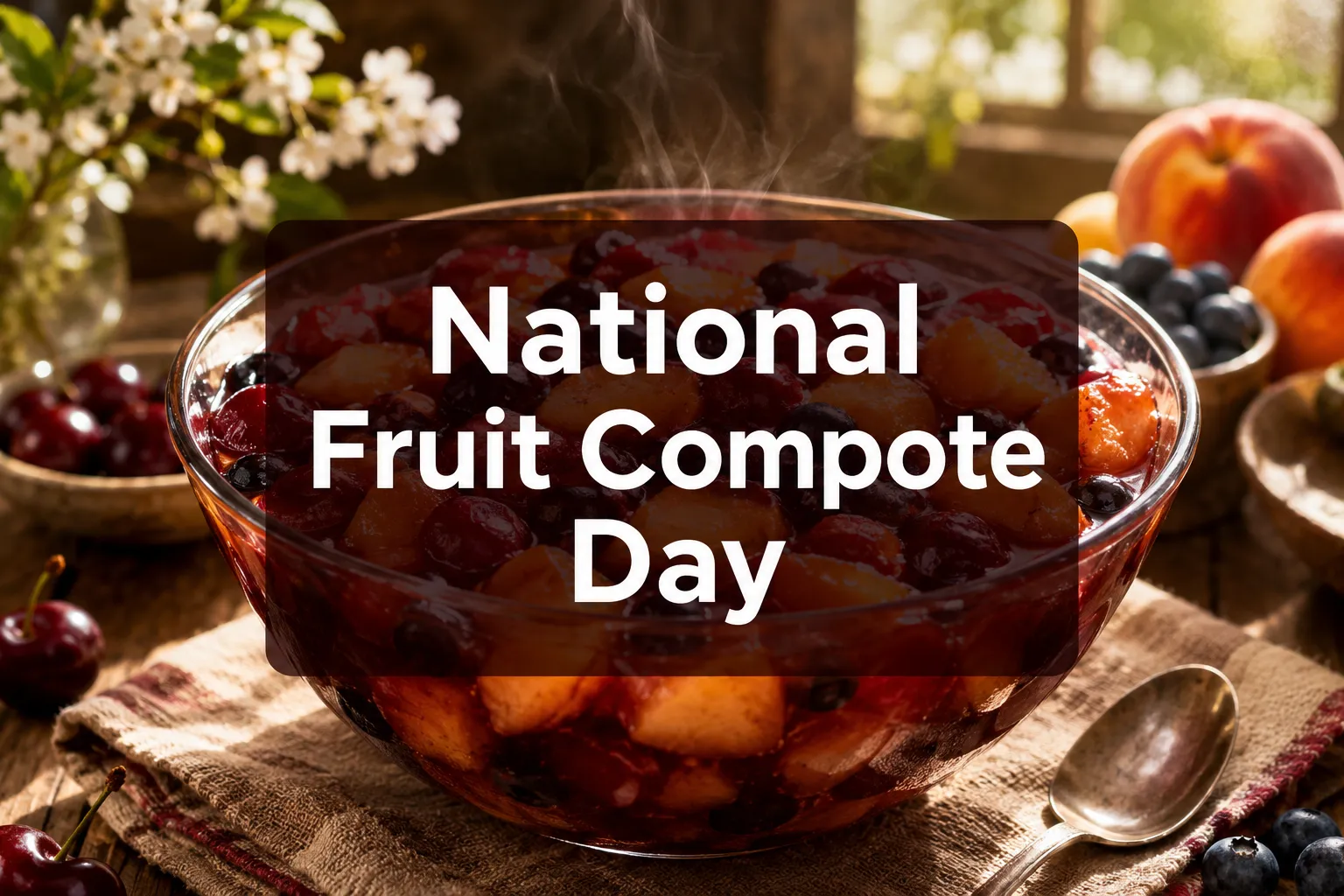
Quick Answer: March 1 National Fruit Compote Day is an annual U.S. food observance celebrated every year on March 1. It honors fruit compote, a simple, centuries-old dessert made by simmering fruit in a sugar syrup, and encourages home cooks to prepare and enjoy it. The day’s exact origin is unknown, but it appears consistently on food holiday calendars and is recognized by major holiday-tracking sites. [3][8]
Key Takeaways
- March 1 National Fruit Compote Day falls on Sunday, March 1, 2026, and repeats annually on March 1. [3]
- Fruit compote is made by simmering fresh, frozen, or dried fruit in water and sugar, no pectin required.
- The holiday’s origin is unclear, but the dish itself dates back centuries to European and Colonial American kitchens. [6]
- Compote differs from jam: it stays chunky and uses less sugar, making it a lighter option.
- Homemade compote keeps for up to two weeks in the refrigerator and freezes well for up to six months.
- No added sugar is needed, fruit’s natural sweetness, boosted by a splash of juice or honey, works fine.
- Compote pairs well with yogurt, pancakes, oatmeal, ice cream, cheese boards, and roasted meats.
- Babies over six months can eat unsweetened compote as a first fruit food, but always check with a pediatrician first.
- Store-bought compote exists but tends to contain more sugar and preservatives than homemade versions.
- Making compote takes about 15 minutes, it’s one of the easiest kitchen projects for beginners.
Why Is March 1 National Fruit Compote Day?
March 1 National Fruit Compote Day is observed annually on March 1, though no founding organization or official proclamation has been publicly identified. Like many U.S. food holidays, its exact origin is unknown. [3][8]
What’s clear is that the date appears consistently across food holiday calendars, from NationalToday and Checkiday to HungerRush’s official 2026 food day calendar. [3][8][10] The day is framed as a nod to an “old-world dessert” that highlights the natural sweetness of fruit, a nostalgic, traditional treat rather than a modern commercial promotion. [6]
Compote itself has existed for centuries. It was common in Colonial American kitchens and in European households long before that, where preserving fruit in syrup was both practical and pleasurable. March 1 likely serves as a timely reminder: late winter is exactly when a warm, fruit-forward dish feels most welcome, and it bridges the gap before fresh spring produce arrives.
Bottom line: The holiday is real in the sense that it is consistently recognized and listed, even if no single creator has stepped forward to claim it. [8]
Is National Fruit Compote Day Real or Made Up?
National Fruit Compote Day is a genuine, recurring observance, not a commercial invention or a social media hoax. It appears on multiple independent food-holiday databases, including Checkiday, NationalToday, WikiDates, and Dayspedia, all of which list it as an annual event on March 1. [3][4][8][2]
That said, it carries no government recognition and is not a public holiday. It belongs to the broad category of informal U.S. food observances, similar in status to National Pie Day or National Blueberry Pancake Day, that exist to celebrate specific foods and encourage people to cook or eat them. If you enjoy food culture and kitchen traditions, it’s worth observing. If you’re looking for a federally recognized holiday, this isn’t it.
What Is Fruit Compote and How Do You Make It?
Fruit compote is a cooked fruit preparation made by simmering whole or cut fruit in a light sugar syrup, often with added spices or citrus zest. Unlike jam or preserves, compote keeps the fruit in recognizable pieces and uses far less sugar, resulting in a fresher, looser texture.
Basic method:
- Combine fruit (fresh, frozen, or dried) with water or juice in a saucepan, roughly 2 cups of fruit to 2-3 tablespoons of liquid.
- Add sweetener if desired: 1-2 tablespoons of sugar, honey, or maple syrup per cup of fruit.
- Bring to a medium simmer over medium heat.
- Cook for 10-15 minutes, stirring occasionally, until the fruit softens and the liquid thickens slightly.
- Add spices (cinnamon, vanilla, cardamom) or a squeeze of lemon juice in the final two minutes.
- Remove from heat and cool before serving or storing.
No pectin, no canning equipment, and no special skills are needed. The whole process takes about 15 minutes.
Best Fruits to Use for Homemade Compote
Almost any fruit works in a compote, but some perform better than others. The best choices are fruits that soften quickly and release natural juices when heated.
Top choices:
- Berries (strawberries, blueberries, raspberries, blackberries), cook fast, produce vibrant color
- Stone fruits (peaches, plums, cherries, apricots), rich flavor, hold shape well
- Apples and pears, ideal for spiced autumn-style compotes
- Dried fruits (raisins, cranberries, apricots), intensely sweet, great for winter batches
- Citrus segments, add brightness; best used as an accent rather than the base
Choose X if: You want a quick weeknight compote, use frozen berries, they break down faster than fresh and require no prep. If you want a more elegant, chunky result for a dinner party, use fresh stone fruit and keep the cooking time shorter.
Fruit Compote vs. Jam: What’s the Difference?
Fruit compote and jam are both cooked fruit preparations, but they differ in texture, sugar content, and shelf life. Compote is looser, chunkier, and lower in sugar. Jam is smoother, spreadable, and shelf-stable because it uses enough sugar (and often pectin) to reach a gel-like set.
| Feature | Compote | Jam |
|---|---|---|
| Texture | Chunky, loose | Smooth, spreadable gel |
| Sugar level | Low to moderate | High (needed for preservation) |
| Pectin needed? | No | Usually yes |
| Shelf life (fridge) | 1-2 weeks | Several months (opened jar) |
| Best use | Topping, sauce, dessert filling | Spreading on bread or toast |
Does fruit compote need pectin? No. Compote relies on the fruit’s natural structure and a brief simmer to thicken slightly. Pectin is a gelling agent used in jam-making to create a firm set, it’s unnecessary for compote, which is meant to stay loose and saucy.
Store-Bought vs. Homemade Fruit Compote
Homemade compote is almost always preferable to store-bought in terms of flavor, sugar control, and ingredient quality. Store-bought versions often contain added sugars, artificial flavors, and preservatives to extend shelf life.
Choose homemade if: You want to control sweetness, use seasonal fruit, or avoid additives. The 15-minute prep time makes it practical even on busy days.
Choose store-bought if: You need a last-minute topping and have no fresh or frozen fruit on hand. Look for products with short ingredient lists, ideally just fruit, water, and a small amount of natural sweetener.
Common mistake: Treating store-bought “fruit compote” and store-bought “jam” as interchangeable. Many commercial products labeled “compote” still contain high sugar levels. Always check the nutrition label.
How Long Does Fruit Compote Last in the Fridge?
Homemade fruit compote keeps for up to two weeks in the refrigerator when stored in a clean, airtight glass jar or container. The high natural acid content in most fruits helps slow spoilage.
Storage tips:
- Let the compote cool completely before sealing and refrigerating.
- Use a glass jar rather than plastic, it doesn’t absorb odors or stains.
- If you see mold, off smells, or significant liquid separation after two weeks, discard it.
Can you freeze fruit compote? Yes. Fruit compote freezes well for up to six months. Freeze in small portions (ice cube trays work well for single servings) so you can thaw only what you need. Thaw overnight in the refrigerator or gently reheat from frozen on the stovetop over low heat.
Easy Fruit Compote Recipe for Beginners
This basic recipe works for March 1 National Fruit Compote Day or any day you want a fast, versatile fruit topping.
Ingredients (makes about 1.5 cups):
- 2 cups mixed berries (fresh or frozen)
- 2 tablespoons water or orange juice
- 1-2 tablespoons honey or sugar (optional)
- 1/2 teaspoon vanilla extract
- Pinch of cinnamon
Steps:
- Combine berries, liquid, and sweetener in a small saucepan over medium heat.
- Stir gently and bring to a low simmer (about 3-4 minutes).
- Reduce heat to medium-low and cook for another 8-10 minutes, stirring occasionally, until the mixture thickens slightly and the fruit breaks down partially.
- Stir in vanilla and cinnamon in the final minute.
- Remove from heat. Serve warm or cool completely and refrigerate.
Total time: About 15 minutes. No special equipment required.
What Do You Eat Fruit Compote With?
Fruit compote is one of the most versatile kitchen preparations, it works as a topping, a filling, a sauce, and even a condiment.
Sweet pairings:
- Greek yogurt or plain yogurt (a classic breakfast combination)
- Oatmeal or porridge
- Pancakes, waffles, or French toast, see our guide to National Blueberry Pancake Day for more fruit-forward breakfast ideas
- Vanilla ice cream or frozen yogurt
- Cheesecake, pound cake, or angel food cake
- Crepes and croissants
Savory pairings:
- Roasted pork or duck (stone fruit compotes work especially well)
- Aged cheeses on a cheese board
- Brie or camembert as an appetizer topping
Edge case: A spiced apple or cherry compote makes an excellent filling for pies and tarts, a natural connection to National Pie Day traditions.
Fruit Compote Without Added Sugar
A no-sugar compote is entirely achievable and often just as satisfying as a sweetened version. Ripe fruit contains enough natural sugar to produce a flavorful result on its own.
How to do it:
- Use naturally sweet fruit: ripe bananas mashed in, Medjool dates blended in, or very ripe stone fruit.
- Replace water with 100% fruit juice (apple, orange, or grape juice adds sweetness without refined sugar).
- Add a small amount of pure maple syrup or honey if you want a touch of sweetness without refined sugar.
- A pinch of cinnamon or vanilla extract amplifies perceived sweetness without adding calories.
Who it’s for: People managing blood sugar, those following low-sugar diets, or anyone who prefers to taste the fruit rather than the sweetener.
Fruit Compote for Babies and Toddlers
Unsweetened fruit compote can be a suitable first food for babies over six months, but always consult a pediatrician before introducing new foods. Compote made from single fruits, such as apple, pear, or peach, is easy to digest and naturally soft.
Guidelines for infant-safe compote:
- Use no added sugar, honey (honey is unsafe for babies under 12 months), or salt.
- Cook fruit until very soft and mash or blend to an age-appropriate texture.
- Introduce one fruit at a time and wait 3-4 days before adding another to watch for reactions.
- Avoid citrus fruits for very young infants, as the acidity can irritate sensitive stomachs.
For toddlers over 12 months, a lightly sweetened compote with honey is fine. It pairs well with plain yogurt or oatmeal for a nutrient-dense snack.
Common Mistakes When Making Compote
Even a simple recipe has a few pitfalls. Here are the most common errors and how to avoid them.
- Cooking on too high a heat: High heat scorches the sugar and breaks the fruit down too aggressively. Medium to medium-low is the right range.
- Adding too much liquid: Compote should be thick and saucy, not watery. Start with 2-3 tablespoons of liquid and add more only if needed.
- Over-sweetening: Taste the fruit before adding any sugar. Ripe summer berries often need none at all.
- Skipping the acid: A squeeze of lemon juice at the end brightens the flavor significantly and helps the compote hold its color.
- Sealing while hot: Putting hot compote directly into a sealed jar traps steam and can cause spoilage faster. Always cool it first.
Celebrating March 1 National Fruit Compote Day in 2026
March 1, 2026 falls on a Sunday, an ideal day to make a slow, relaxed breakfast featuring homemade compote. [3][2] Here are practical ways to mark the occasion:
- Make a batch of mixed berry compote and serve it over yogurt or pancakes at brunch.
- Try a savory version with stone fruit and serve it alongside roasted pork for dinner.
- Share a jar with a neighbor or bring one to work on Monday as a conversation starter.
- Post your creation with the hashtag #NationalFruitCompoteDay to join the broader food-holiday community.
- Pair it with other late-winter food celebrations, if you enjoyed National Dark Chocolate Day in February, a dark chocolate compote sauce is a natural next step.
For more food holiday inspiration throughout the year, explore the full range of national food holidays tracked on the calendar.
FAQ
What day is National Fruit Compote Day? National Fruit Compote Day is observed every year on March 1. In 2026, it falls on a Sunday. [3][8]
Who created National Fruit Compote Day? The creator of National Fruit Compote Day is unknown. No founding organization or individual has been publicly identified. The holiday appears consistently on food-day calendars without a documented origin. [3]
Is fruit compote the same as fruit sauce? They are similar but not identical. Fruit sauce is typically fully smooth and pourable. Compote retains visible fruit pieces and has a slightly thicker, more textured consistency.
Can you make compote in a slow cooker? Yes. Combine fruit, liquid, and sweetener in a slow cooker on low for 2-3 hours. The result is slightly softer than stovetop compote but equally flavorful.
Is fruit compote healthy? Homemade compote made with minimal added sugar is a relatively healthy option. It retains fiber and vitamins from whole fruit. Store-bought versions can be high in added sugar, so reading labels matters.
Can compote be used as a pie filling? Yes, with one adjustment: thicken it slightly with a teaspoon of cornstarch mixed into cold water before adding to the fruit during cooking. This prevents a soggy crust.
What is the difference between compote and coulis? Coulis is a fully blended, strained fruit puree, smooth and thin. Compote is cooked but chunky. Both are fruit-based sauces, but the texture is completely different.
How do you thicken fruit compote? If your compote is too thin, mix 1 teaspoon of cornstarch with 1 tablespoon of cold water and stir it into the simmering compote. Cook for another 2 minutes and it will thicken noticeably.
Can you use canned fruit for compote? Yes, but drain the syrup first and reduce or eliminate any added sugar in the recipe, since canned fruit is already sweetened. The cook time will also be shorter since the fruit is pre-softened.
Is compote gluten-free? A basic fruit compote made from fruit, water, and sugar contains no gluten. Always check any flavoring additives if you are cooking for someone with celiac disease.
Conclusion
March 1 National Fruit Compote Day is a small but genuinely worthwhile food observance, one that points toward a preparation that is fast, flexible, and far more useful than its old-fashioned reputation suggests. Whether the goal is a quick weeknight yogurt topping, a sugar-free baby food, or an elegant dinner-party sauce, compote delivers with minimal effort and maximum flavor.
Actionable next steps for 2026:
- Mark March 1 on your calendar now and plan a simple brunch around a homemade compote.
- Try the beginner recipe above with whatever fruit you already have, frozen berries work perfectly.
- Make a double batch: eat half this week and freeze the rest in small portions for future use.
- Experiment with a savory version using stone fruit alongside roasted meat to see a different side of this versatile preparation.
- Explore related food holidays, from National Plum Pudding Day to National Carrot Cake Day, to build a year-round habit of celebrating food with intention.
References
[1] dayspedia – https://dayspedia.com/us/calendar/holiday/3651/?lang=ru [2] dayspedia – https://dayspedia.com/us/calendar/holiday/3651/ [3] National Fruit Compote Day – https://nationaltoday.com/national-fruit-compote-day/ [4] National Fruit Compote Day 648 – https://www.wikidates.org/holiday/national-fruit-compote-day_648.html [6] 2026 03 01 – https://everynationalday.com/event/2026-03-01/ [7] Fruit Holidays – https://nationaltoday.com/fruit-holidays/ [8] National Fruit Compote Day – https://www.checkiday.com/5167b89c378bbd7c7a636c4b4e2b6a92/national-fruit-compote-day [9] National Fruit Compote Day – https://www.thereisadayforthat.com/holidays/usa/national-fruit-compote-day [10] National Food Day Calendar 2026 A Day For Every Food – https://www.hungerrush.com/blog/national-food-day-calendar-2026-a-day-for-every-food/