Last updated: April 19, 2026
Quick Answer: April 19 National Rice Ball Day is an annual American food holiday celebrated every April 19 that honors the rice ball, particularly the Japanese onigiri. It is not a federal public holiday, but it is widely recognized on food and holiday calendars across the United States as a fun culinary observance. In 2026, it falls on Sunday, April 19.
Key Takeaways
- April 19 National Rice Ball Day is observed every year on April 19 in the United States.
- The day centers on Japanese onigiri (also called omusubi), triangular or round rice balls often filled and wrapped in nori seaweed.
- It is a cultural food holiday, not an official government observance or public holiday.
- Rice balls are naturally gluten-free, portable, and highly customizable with dozens of filling options.
- A basic homemade rice ball requires only short-grain Japanese rice, water, salt, and optional nori and fillings.
- A single plain onigiri contains roughly 100 to 180 calories, depending on size and filling.
- The holiday fits into a broader American tradition of food observances, similar to National Tempura Day and other Asian-cuisine celebrations.
- Common beginner mistakes include using the wrong rice variety and skipping the salting step.
What Is National Rice Ball Day?
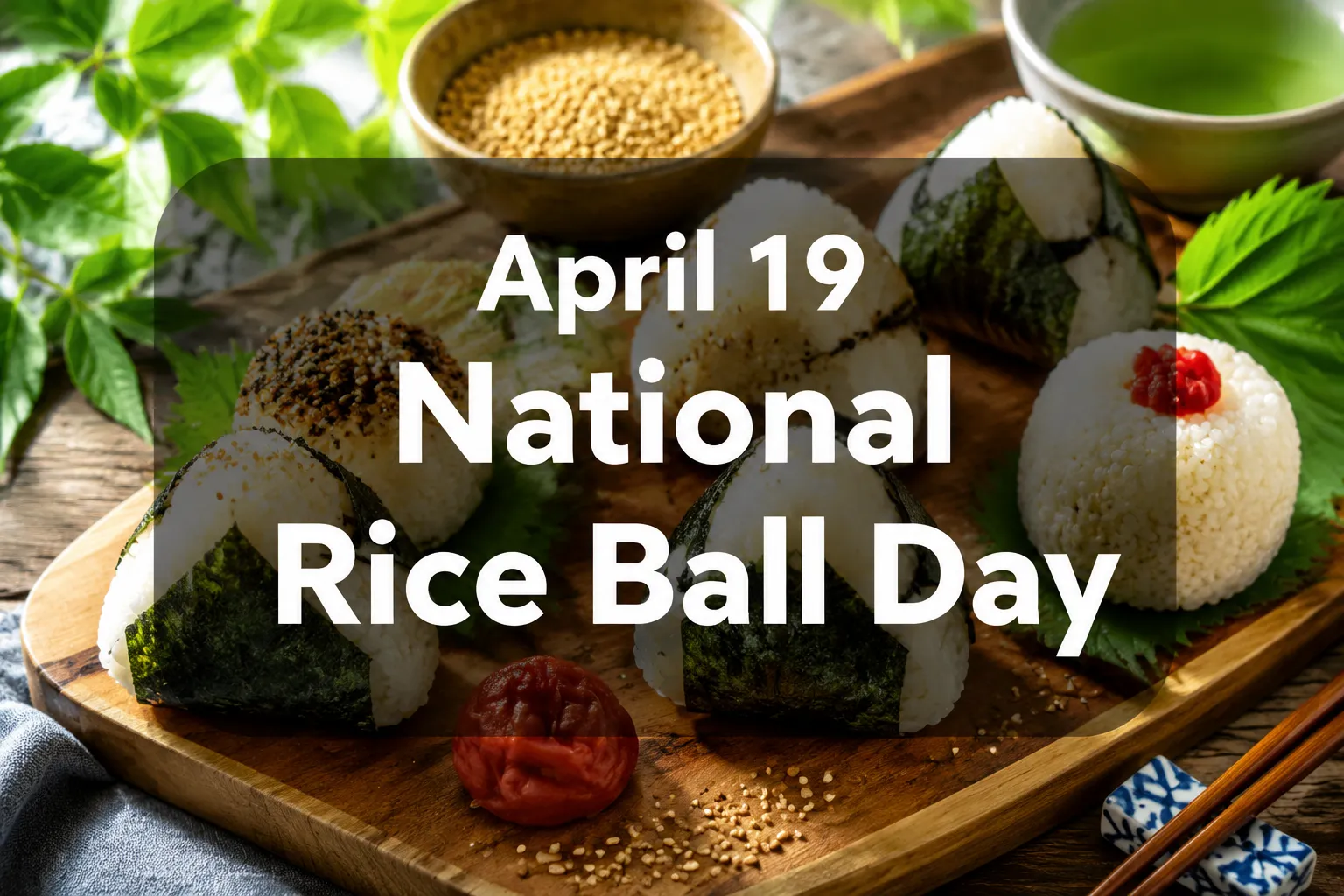
National Rice Ball Day is an American food holiday dedicated to celebrating rice balls in all their forms, with a strong focus on Japanese onigiri. Observed each year on April 19, the day encourages people to make, eat, and share rice balls at home, at school, or at restaurants. [1][4]
The holiday is listed consistently across major food and holiday calendar sites as an annual observance in the United States. [3][5] It is framed as a “delicious observance” and a way to honor Japanese culinary tradition, though it is not affiliated with any Japanese government body or official institution. [4][12]
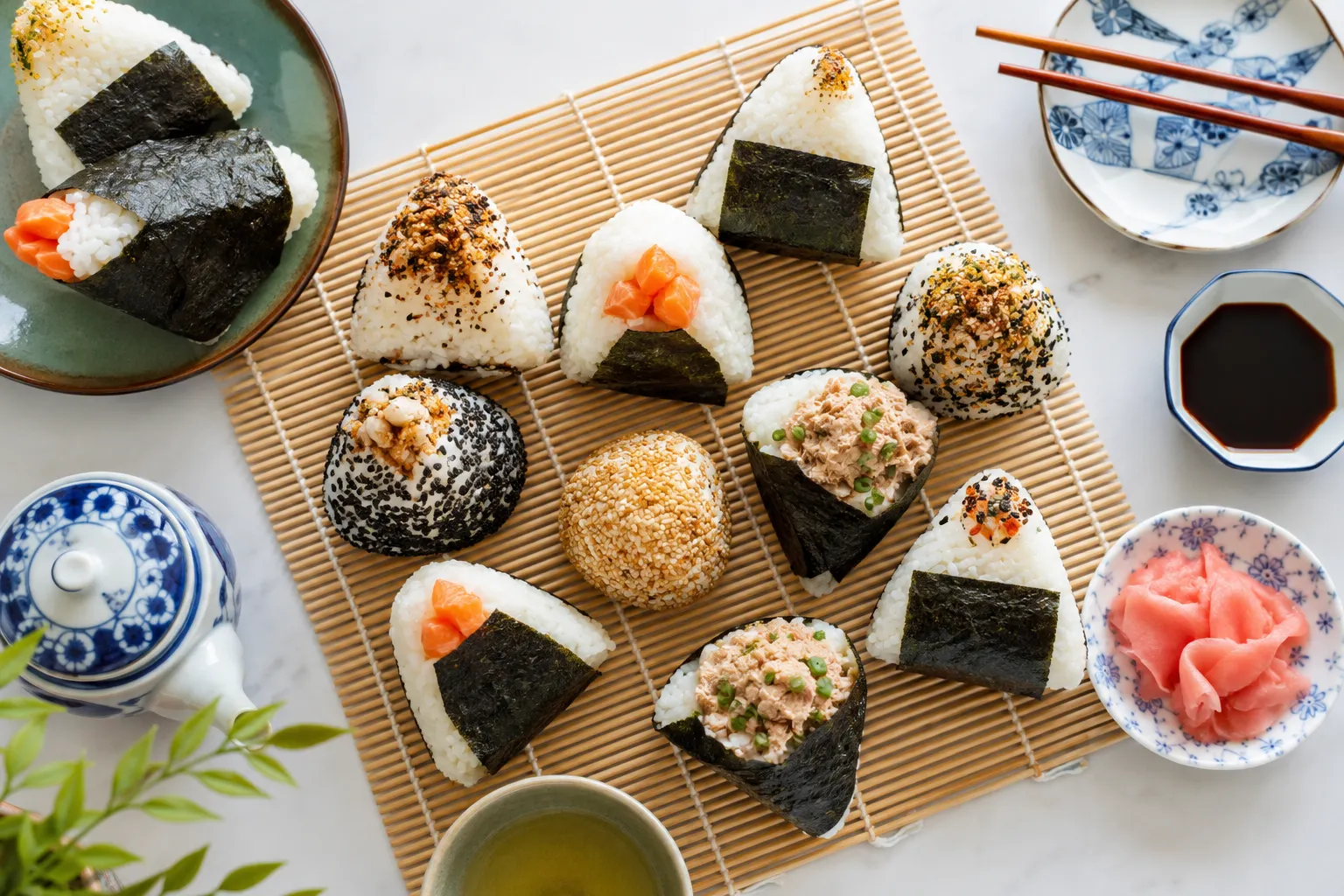
Onigiri (pronounced oh-nee-GEE-ree) is the Japanese word for rice ball. The dish is a staple of Japanese cuisine: cooked short-grain rice is shaped by hand into a triangle, cylinder, or ball, often with a savory filling at the center and a strip of nori (dried seaweed) wrapped around the outside. The dish is sold in virtually every convenience store in Japan and has grown in global popularity over the past decade.
When Did National Rice Ball Day Start?
The exact founding date and originator of National Rice Ball Day are not documented in publicly available records. No single organization has been formally credited with establishing the holiday, which is common for many American food observances. [5][8]
What is clear is that the holiday has been recognized on food and holiday calendars for several years and is scheduled through at least 2030. [1][3][7] Its growing profile aligns with the broader rise of Japanese food culture in the United States, including the mainstream popularity of sushi, ramen, and bento-style meals.
Why Is April 19 National Rice Ball Day Celebrated on This Date?
April 19 is the fixed annual date for National Rice Ball Day, though no verified historical record explains why this specific date was chosen. [5][9] This is consistent with many unofficial food holidays in the United States, where dates are often selected by food bloggers, culinary organizations, or enthusiast communities without a formal public record.
The date does not correspond to any known Japanese rice festival or agricultural calendar event. It falls in mid-spring in the Northern Hemisphere, which makes it a practical time for outdoor picnics and bento lunches, both of which are natural settings for rice balls. [8]
Is National Rice Ball Day a Real Holiday?
Yes, National Rice Ball Day is a real observance, but it is not a public holiday with legal status. It does not result in school closures, government office closures, or paid time off. [4][5]
The holiday sits in the same category as hundreds of other American food observances, such as National Southern Food Day or National Fish Taco Day. These are cultural celebrations that gain traction through social media, food media, and community participation rather than legislation.
“National Rice Ball Day is recognized as a food holiday in the United States, not an official public holiday.” [4]
What Are the Different Types of Rice Balls?
Rice balls vary significantly by region, culture, and preparation style. Japanese onigiri is the most common reference point for April 19 National Rice Ball Day, but the broader category includes several distinct varieties.
Japanese Onigiri Styles:
- Triangular (sankaku): The most common shape, easy to hold and wrap in nori.
- Round (maru): Softer shape, often used for children’s bento boxes.
- Cylinder (tawara): Barrel-shaped, common in older Japanese traditions.
- Yaki onigiri: Grilled rice balls brushed with soy sauce, giving a crispy exterior.
Other Regional Rice Balls:
- Arancini (Italy): Breaded and deep-fried rice balls, typically filled with meat ragu or cheese.
- Onigirazu: A flat, sandwich-style rice ball wrapped in nori, popular as a modern variation.
- Spam musubi (Hawaii): A rectangular rice block topped with Spam and wrapped in nori, a fusion of Japanese and Hawaiian food culture.
The filling options are extensive. Common Japanese fillings include pickled plum (umeboshi), tuna with mayonnaise, salmon, seasoned kombu seaweed, and cod roe (mentaiko). Modern variations include avocado, cream cheese, teriyaki chicken, and even curry.
What’s the Difference Between Rice Balls and Sushi?
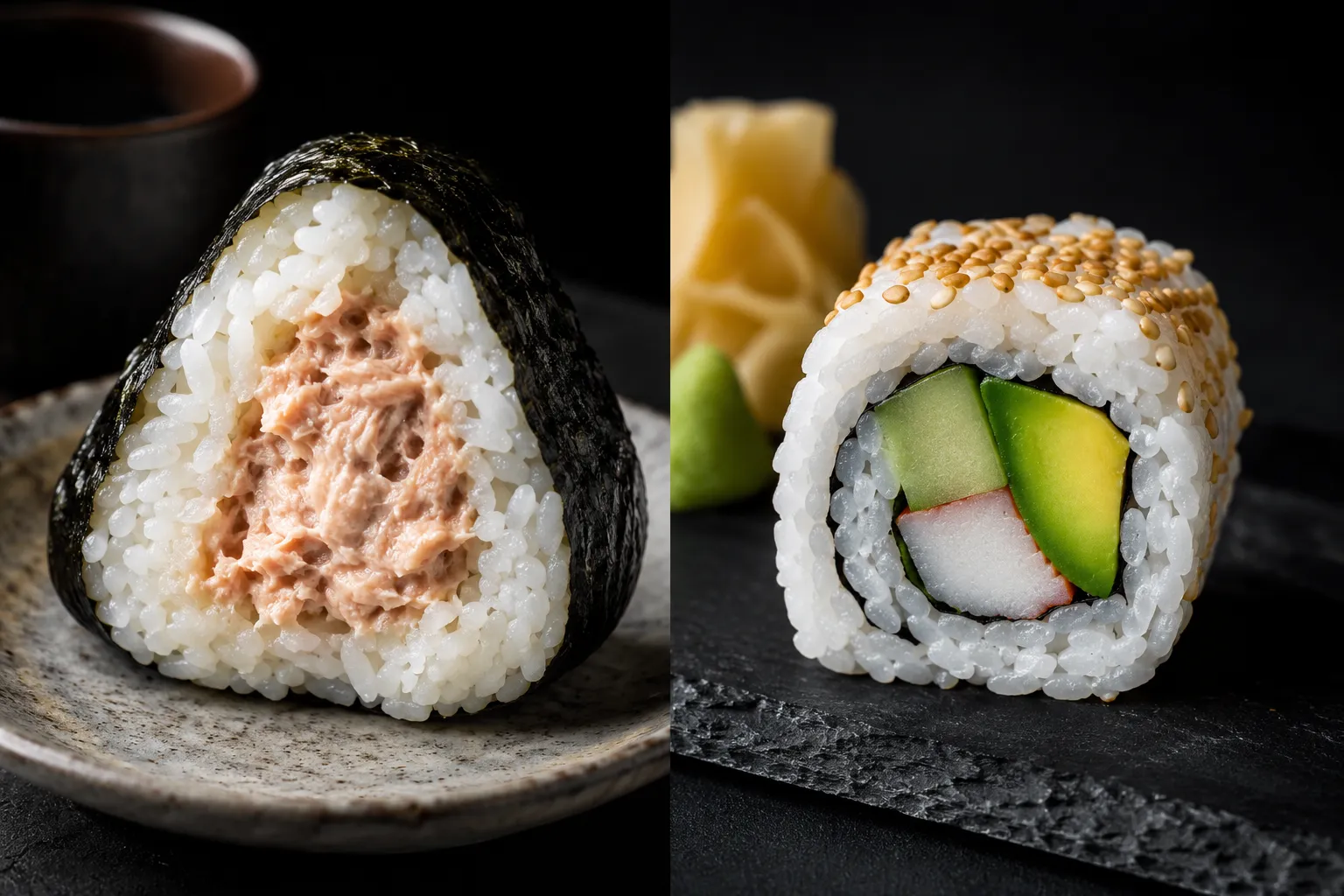
Rice balls (onigiri) and sushi are both made with rice, but they are distinct dishes with different ingredients, preparation methods, and cultural contexts. Sushi uses vinegared rice, while onigiri uses plain salted rice.
| Feature | Onigiri (Rice Ball) | Sushi |
|---|---|---|
| Rice seasoning | Salt only | Rice vinegar, sugar, salt |
| Shape | Triangle, round, cylinder | Roll, nigiri, hand roll |
| Nori use | Optional outer wrap | Used in rolls |
| Fillings | Savory, often cooked | Raw or cooked fish, vegetables |
| Serving context | Portable snack, bento | Restaurant, formal meal |
| Temperature | Room temperature | Chilled or room temperature |
Onigiri is everyday comfort food in Japan, designed to be portable and eaten on the go. Sushi, particularly nigiri and omakase styles, carries a more formal or restaurant-oriented connotation in both Japan and the United States. The two dishes share rice as a base ingredient but are not interchangeable.
Best Rice Ball Recipes to Make at Home for April 19 National Rice Ball Day
Making rice balls at home for April 19 National Rice Ball Day requires only a few basic ingredients and about 30 minutes. The most important factor is using the right rice.
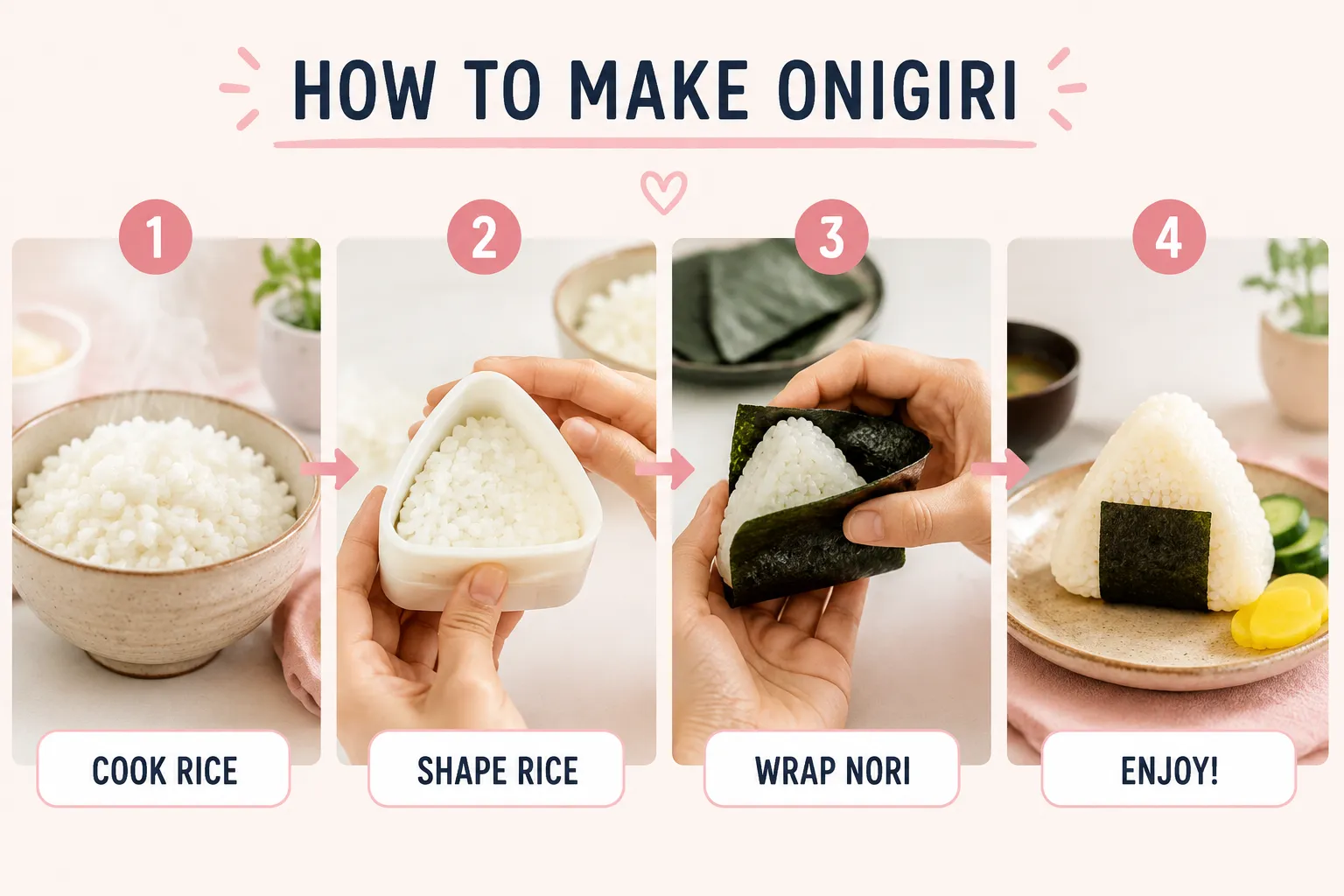
Basic Onigiri Recipe (makes 4 rice balls):
- Cook the rice: Use 2 cups of Japanese short-grain or sushi rice. Rinse until water runs clear, then cook according to package directions. Let it cool slightly, it should be warm but not steaming hot.
- Prepare a bowl of salted water: Mix 1 cup of water with 1 teaspoon of salt. Wet your hands in this mixture before shaping each ball to prevent sticking and to season the exterior.
- Add the filling: Press a small indent into a handful of rice (about 1/2 cup), place 1 teaspoon of filling in the center, and fold the rice over it.
- Shape the ball: Cup your hands into a triangle shape and press firmly but gently. Rotate the rice ball and press again. Repeat until the shape holds.
- Wrap in nori: Cut a sheet of nori into a strip and wrap it around the base of the triangle.
Beginner-Friendly Filling Ideas:
- Tuna mixed with Japanese mayonnaise (Kewpie brand recommended)
- Pickled plum (umeboshi), available at most Asian grocery stores
- Cooked salmon flakes with a pinch of salt
- Seasoned canned tuna with soy sauce
For those interested in exploring broader Asian-inspired cooking, the Spicy Cookbook collection includes recipes that pair well with onigiri-style meals.
Common Mistakes When Making Rice Balls
Most beginner problems with rice balls come down to rice selection and technique. Using the wrong rice is the single most common error.
Mistakes to avoid:
- Using long-grain or jasmine rice: These varieties do not have enough starch to hold together. Always use Japanese short-grain or medium-grain rice.
- Skipping the hand-salting step: Plain unseasoned hands cause the rice to stick and the exterior to taste flat.
- Overpacking the filling: Too much filling prevents the rice from binding around it. One teaspoon is enough.
- Shaping cold rice: Rice that has fully cooled becomes hard and crumbly. Shape while still warm.
- Pressing too hard: Compressing the rice too firmly creates a dense, gummy texture. Firm but gentle pressure is the goal.
- Wrapping nori too early: If nori is wrapped before serving, it becomes soggy. Wrap just before eating for the best texture.
What Fillings Go in Rice Balls?
Rice ball fillings range from traditional Japanese ingredients to modern fusion options. The filling should be moist enough to add flavor but not so wet that it makes the rice fall apart.
Traditional Japanese fillings:
- Umeboshi (pickled plum), salty, tart, and a natural preservative
- Sake (cooked salmon), mild and flaky
- Tuna mayo (tuna with Kewpie mayonnaise), the most popular convenience store flavor in Japan
- Mentaiko (spicy pollock roe), bold and savory
- Kombu (seasoned kelp), umami-rich, vegetarian
Modern and fusion fillings:
- Avocado and cream cheese
- Teriyaki chicken
- Edamame and sesame
- Pulled pork with hoisin sauce (see the Pork Cookbook for inspiration)
- Spicy tuna with sriracha
Vegetarian and vegan options are plentiful, making rice balls accessible for a wide range of dietary preferences. The Vegan Cookbook offers plant-based filling ideas that work well in onigiri format.
How Many Calories in a Rice Ball?
A standard onigiri contains approximately 100 to 180 calories, depending on size and filling. This estimate is based on a rice ball made with roughly 100 grams (about 1/2 cup) of cooked short-grain rice.
Approximate calorie ranges by filling type:
- Plain salted rice ball: 100 to 120 calories
- Tuna mayo filling: 150 to 180 calories
- Umeboshi filling: 110 to 130 calories
- Salmon filling: 130 to 160 calories
- Grilled (yaki) onigiri with soy sauce: 120 to 150 calories
These figures are estimates based on standard portion sizes and common nutritional data for Japanese rice and typical fillings. Actual calories vary by brand, rice quantity, and filling amount. Rice balls are naturally low in fat (unless a mayo-based filling is used) and provide a solid source of carbohydrates for energy.
Where to Buy Rice Balls Near Me
Rice balls are increasingly available outside of Japanese restaurants. The best places to find them in 2026 include:
- Japanese grocery stores: Stores like Mitsuwa, H Mart, or Nijiya Market carry fresh onigiri, often in the same style as Japanese convenience stores.
- Asian supermarkets: Many large Asian grocery chains stock pre-made onigiri in refrigerated sections.
- Japanese convenience store chains: 7-Eleven locations in Hawaii and some West Coast cities carry onigiri in the Japanese convenience store style.
- Specialty food halls and food courts: Many urban food halls now include Japanese food stalls that sell onigiri.
- Online retailers: Shelf-stable onigiri kits and onigiri molds are available on Amazon and specialty food sites.
If fresh onigiri is not available locally, making them at home is straightforward and rewarding, especially for April 19 National Rice Ball Day celebrations.
How to Celebrate April 19 National Rice Ball Day
Celebrating April 19 National Rice Ball Day does not require elaborate planning. The holiday is designed to be accessible and enjoyable for anyone, regardless of cooking experience.
Practical ways to celebrate:
- Make onigiri at home: Use the basic recipe above. Invite family or friends to shape their own rice balls with different fillings.
- Host a rice ball bar: Set out bowls of cooked rice, multiple fillings, nori strips, and sesame seeds. Let guests build their own.
- Order from a Japanese restaurant: Support a local Japanese restaurant by ordering onigiri or a bento box that includes them.
- Share on social media: Post photos with the hashtag #NationalRiceBallDay to join the broader conversation.
- Teach kids: Onigiri-making is a hands-on activity that children enjoy. The shaping process is simple enough for ages 6 and up with adult supervision.
- Pair with complementary dishes: Miso soup, edamame, and Japanese pickles all pair naturally with rice balls.
Food holidays like this one are part of a rich American tradition of culinary celebration. For more ideas on how food observances work, browse the full national food holidays collection.
Rice Ball Day vs. Other Food Holidays
April 19 National Rice Ball Day sits within a packed calendar of American food observances. Compared to higher-profile food holidays, it occupies a niche but growing space.
- National Rice Ball Day vs. National Sushi Day (June 18): Both celebrate Japanese food culture, but sushi day focuses on vinegared rice and raw fish, while rice ball day centers on portable, filled onigiri.
- National Rice Ball Day vs. National Chocolate Cake Day: National Chocolate Cake Day draws broader mainstream attention due to chocolate’s universal appeal. Rice Ball Day is more niche but growing with the rise of Japanese food culture.
- National Rice Ball Day vs. National Popcorn Day: National Popcorn Day benefits from a much wider consumer base. Rice Ball Day appeals to food enthusiasts, Japanese cuisine fans, and health-conscious snackers.
What distinguishes rice ball day from many other food holidays is its cross-cultural dimension. It introduces many Americans to a dish that is everyday and ordinary in Japan but still relatively novel in mainstream American food culture.
FAQ: April 19 National Rice Ball Day
Q: What day is National Rice Ball Day? National Rice Ball Day is observed every year on April 19. In 2026, it falls on a Sunday.
Q: Is National Rice Ball Day an official holiday? No. It is an informal food observance recognized on holiday calendars in the United States, not a federal or state public holiday. [4][5]
Q: What is the Japanese name for a rice ball? The Japanese word is onigiri (also called omusubi). Both terms refer to the same dish.
Q: Can I make rice balls the night before? Yes, but they are best eaten fresh. If making ahead, wrap them tightly in plastic wrap and refrigerate. Add the nori just before eating to keep it crisp.
Q: What rice is best for making onigiri? Japanese short-grain rice (also sold as sushi rice) is the best choice. It has the right starch content to hold its shape. Long-grain rice will not work.
Q: Are rice balls healthy? Plain rice balls are a relatively balanced snack: low in fat, moderate in calories (roughly 100 to 180 per ball), and free of gluten. Filling choice affects the nutritional profile significantly.
Q: Can rice balls be made vegan? Yes. Fillings like umeboshi, seasoned kombu, edamame, and avocado are all vegan-friendly.
Q: How long do homemade rice balls last? Homemade onigiri are best eaten within 4 to 6 hours at room temperature or within 24 hours if refrigerated. They should not be frozen without adjusting the recipe.
Q: Where did onigiri originate? Onigiri has roots in Japan dating back over a thousand years. Early forms of compressed rice balls were found at archaeological sites in Japan, and the dish has been a staple of Japanese cuisine for centuries.
Q: Do rice balls always have nori? No. Nori is optional. Many onigiri are served without it, particularly yaki onigiri (grilled) and some modern styles.
Conclusion
April 19 National Rice Ball Day is a straightforward, enjoyable food holiday that gives anyone an excuse to explore one of Japan’s most beloved everyday foods. Whether the goal is a quick homemade batch of tuna mayo onigiri, a family rice ball shaping session, or simply ordering from a local Japanese restaurant, the day is easy to participate in at any skill level.
Actionable next steps for 2026:
- Pick up a bag of Japanese short-grain rice before April 19.
- Choose two or three fillings, including at least one traditional option like umeboshi or salmon.
- Use an onigiri mold (available for under $10 online) if hand-shaping feels intimidating.
- Share your rice balls on social media with #NationalRiceBallDay to connect with others celebrating the day.
- Explore more national food days throughout the year to keep the culinary calendar interesting.
Rice balls are proof that the simplest ingredients, handled with care, produce something genuinely satisfying. April 19 is the perfect day to find that out firsthand.
References
[1] Rice Ball Day – https://nationaltoday.com/rice-ball-day/ [3] Rice Ball Day – https://www.listofnationaldays.com/rice-ball-day/ [4] dayspedia – https://dayspedia.com/us/calendar/holiday/2652/ [5] Rice Ball Day – https://www.calendarr.com/united-states/rice-ball-day/ [7] Rice Ball Day 1242 – https://www.wikidates.org/holiday/rice-ball-day_1242.html [8] anydayguide – https://anydayguide.com/calendar/4479 [9] Rice Ball Day – https://iheartdays.com/rice-ball-day/
Leave a Reply