Last updated: January 22, 2026
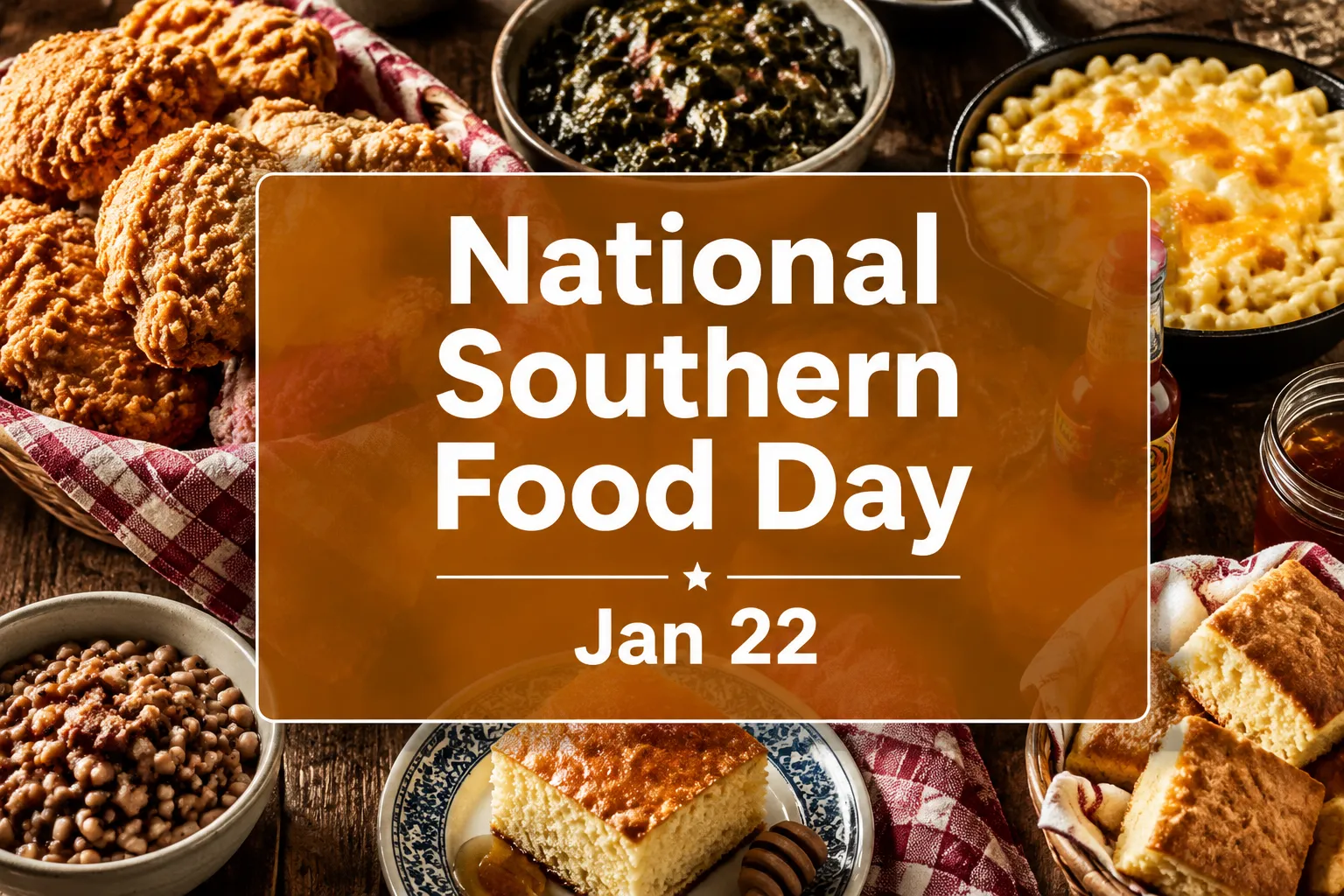
Quick Answer: January 22 National Southern Food Day is observed annually on January 22nd each year to honor the rich culinary traditions of the American South. The day encourages food lovers to cook, share, and enjoy classic southern dishes like fried chicken, cornbread, collard greens, and black-eyed peas. It is an unofficial national food holiday celebrated widely across the country.
Key Takeaways
National Southern Food Day is observed annually on January 22nd every year.
The day celebrates the deep history and culture of southern cuisine across the United States.
Classic dishes associated with the day include fried chicken, cornbread, mac and cheese, collard greens, and sweet potato pie.
The holiday is unofficial but widely recognized on national day calendars and food blogs.
January 22nd also coincides with other observances, including Answer Your Cat’s Questions Day and Celebration of Life Day.
Hashtags #NationalSouthernFoodDay and #SouthernFoodDay help fans share recipes and meals on social media.
Southern food draws from African, Native American, and European cooking traditions dating back centuries.
January is a rich month for national food days, making it one of the most food-celebrated months of the year.
What Is National Southern Food Day?
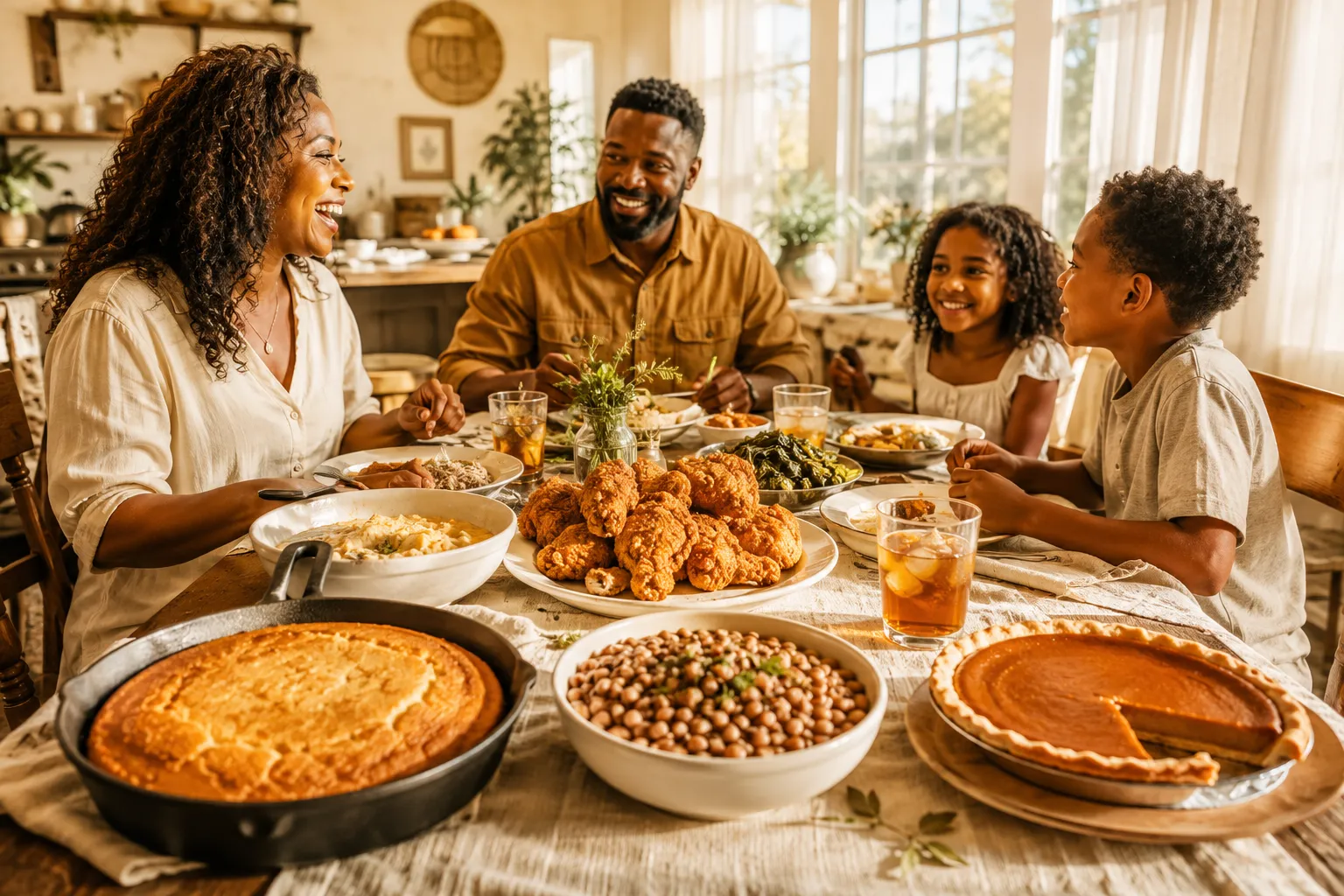
National Southern Food Day is an annual food holiday dedicated to celebrating the cuisine of the American South. It honors dishes rooted in centuries of history, blending African, Native American, and European cooking influences into a distinctive, beloved style of cooking.
The day gives food lovers across the country a reason to cook southern comfort food, visit southern restaurants, and share recipes with family and friends. Southern cuisine is not just food, it represents a way of life, a sense of community, and a living piece of American cultural heritage.
What counts as southern food?
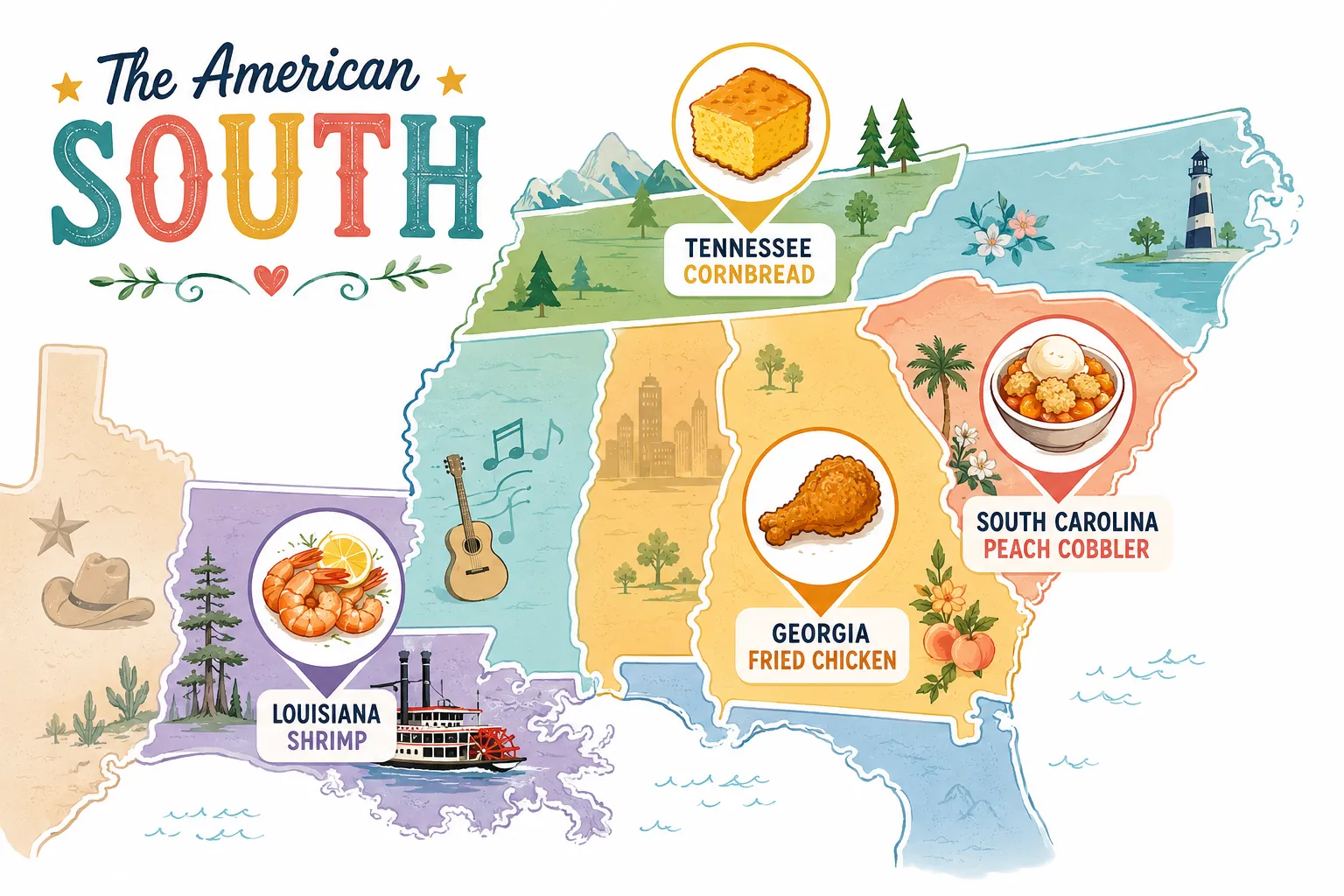
Southern food broadly includes dishes from states like Georgia, Louisiana, Tennessee, Mississippi, Alabama, and the Carolinas. Core categories include:
Fried foods: Fried chicken, fried catfish, fried okra
Slow-cooked dishes: Collard greens, black-eyed peas, pinto beans
Breads and sides: Cornbread, buttermilk biscuits, hush puppies
Comfort mains: Mac and cheese, shrimp and grits, chicken and dumplings
Desserts: Peach cobbler, banana pudding, sweet potato pie, chocolate pecan pie
Southern comfort food and traditional southern cuisine overlap but are not identical. Comfort food leans toward rich, heavy dishes designed to soothe, while traditional southern cuisine encompasses a broader range of techniques, including lighter preparations like boiled peanuts, fresh succotash, and seafood dishes common along the Gulf Coast.
When Is National Southern Food Day Celebrated?
National Southern Food Day is observed annually on January 22nd. This date falls in the third week of January, making it a mid-month highlight among the many national food holidays that fill the month.
Here are the upcoming dates for quick reference:
YearDay of the WeekDate2024MondayJanuary 22nd, 20242025WednesdayJanuary 22nd, 20252026ThursdayJanuary 22nd, 20262027FridayJanuary 22nd, 20272028SundayJanuary 22nd, 2028
January 22nd, 2026 falls on a Thursday, making it a great mid-week day to plan a southern food dinner or visit a local restaurant. Whether it lands on a Sunday or a weekday, the day is worth marking on any food lover’s calendar.
January is already a busy month for food observances. For example, National Cream Puff Day on January 2 and National Milk Day on January 11 both draw attention earlier in the month, building momentum toward the 22nd.
Where Did National Southern Food Day Come From?
The precise origin of National Southern Food Day is not formally documented by a single government body or founding organization, which is common for many unofficial national food holidays.
The holiday grew organically through food blogs, national day calendar sites, and social media communities passionate about southern cuisine. Resources like Quaker Valley Foods and food culture writers such as Tanorria’s Table have contributed to daily updates and ongoing coverage of southern food traditions, helping the day gain wider recognition each year.
Is National Southern Food Day an official holiday?
No. National Southern Food Day is not a federally recognized or officially proclaimed holiday. It is an informal food observance, similar to hundreds of other national food days observed annually across the country. That said, its cultural significance is genuine, southern food represents one of the most historically rich and widely loved cuisines in the United States.
How to Observe National Southern Food Day
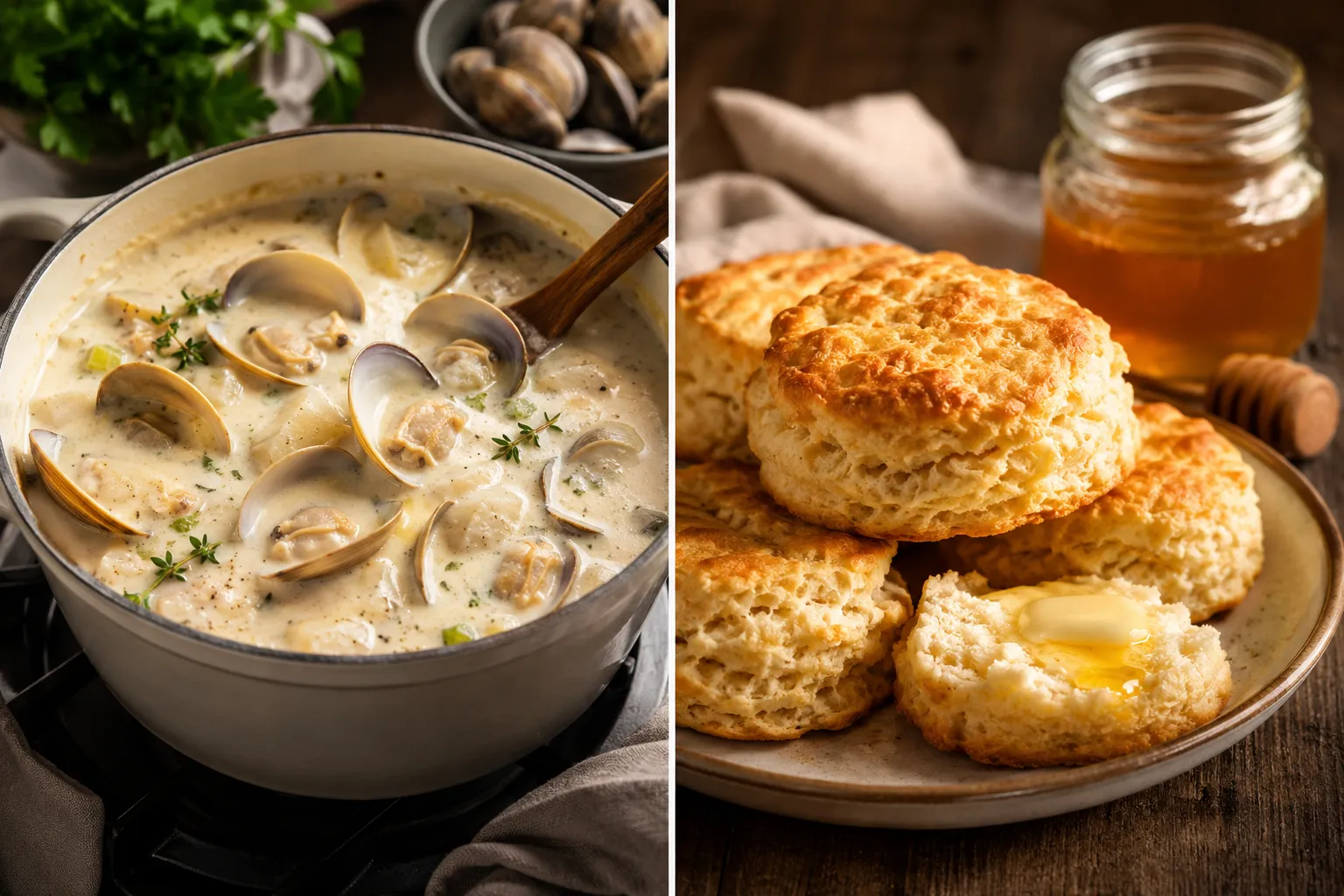
Observing National Southern Food Day is straightforward: cook, eat, and share southern food. The day is flexible enough for home cooks, restaurant diners, and community organizers alike.
Ways to celebrate:
Cook a southern meal at home. Pick two or three classic dishes and build a full southern spread. Fried chicken with cornbread and collard greens is a reliable starting point.
Visit a southern restaurant. Many restaurants run specials on national food days. Contact your local southern or soul food spot to ask about any January 22nd features.
Host a southern food day party. Invite friends and assign each person a different dish. A potluck format works well for covering the full range of southern cuisine.
Share on social media. Use hashtags #NationalSouthernFoodDay and #SouthernFoodDay to connect with other food lovers and share recipes or photos.
Explore southern food recipes online. Food blogs and cooking sites publish dedicated recipes for the day, from hot buttered biscuits to almond buttercrunch candy popular in southern confection traditions.
Common mistakes to avoid:
Limiting the menu to just one dish. Southern food is about abundance and variety.
Skipping the sides. In southern cooking, sides like mac and cheese and collard greens are just as important as the main.
Overcooking greens too quickly. Traditional southern collard greens are slow-cooked, often for hours, to develop their depth of flavor.
Best Southern Food Recipes for National Southern Food Day
The best recipes for January 22 National Southern Food Day are the ones that highlight the core techniques of southern cooking: frying, slow-braising, and baking in cast iron. Here are standout dishes worth making for the occasion.
Top dishes to try:
Classic fried chicken, Buttermilk-brined, seasoned with black pepper and paprika, fried until golden.
Skillet cornbread, Baked in a hot cast iron pan with bacon drippings for a crisp crust.
Slow-cooked collard greens, Simmered with smoked ham hock for hours.
Shrimp and grits, A South Carolina coastal staple now beloved nationwide.
Almond buttercrunch, A southern candy classic made with toasted almond and toffee, related to the buttercrunch day traditions celebrated by candy lovers.
Chocolate pecan pie, A southern dessert that combines chocolate with the region’s beloved pecan crop.
Hot water cornbread, Simple fried cornbread patties made with just a few ingredients.
For more cooking inspiration throughout January, see the full list of January national days and food holiday celebrations for the month.
Southern Food Day vs. Other January Food Holidays
January is one of the most active months for national food observances, and National Southern Food Day sits among a diverse lineup. Understanding how it compares to other food days helps food enthusiasts plan their month.
Other notable January food holidays include:
January 2: National Cream Puff Day, French-inspired pastry celebration
January 6: National Shortbread Day, Scottish baking tradition
January 8: National English Toffee Day, Celebrates buttercrunch-style confections including almond toffee
January 12: National French Onion Soup Day, European comfort food
January 22: National Southern Food Day, American regional cuisine celebration
January 23: National Hot Chocolate Day, a sweet follow-up the day after
National food days in February 2026 continue the trend, with holidays like National Irish Coffee Day and National Hot Buttered Rum Day appearing on the calendar. National hot tea day also falls in January, on January 12th, making the month a full celebration of both food and drink.
What sets National Southern Food Day apart from most other food holidays is its scope. Rather than celebrating a single dish, it honors an entire regional cuisine with deep historical and cultural roots.
Also on January 22nd: Other Observances
January 22nd carries more than one observance. Beyond the national southern food day celebration, the date is also recognized for several other holidays.
Other days observed on January 22nd:
Answer Your Cat’s Questions Day, A lighthearted observance for pet owners
Celebration of Life Day, A day to reflect on gratitude and living fully
Come in From the Cold Day, Encourages warmth, comfort, and indoor gathering
National Hot Tea Day (observed mid-January), Celebrates tea culture globally
National Irish Coffee Day, Honors the classic hot coffee and whiskey drink
National Hot Buttered Rum Day, A warm winter beverage holiday
The overlap of Come in From the Cold Day with National Southern Food Day is fitting, few things warm a cold January day better than a hot plate of southern cooking.
Tags, Hashtags, and Daily Updates for National Southern Food Day
Connecting with others on National Southern Food Day is easy through social media and national day calendar platforms. The primary hashtags used to celebrate the day are #NationalSouthernFoodDay and #SouthernFoodDay.
How to use them:
Post a photo of your southern food dish with the hashtag on January 22nd.
Search the hashtag to find recipes, restaurant recommendations, and community posts.
Follow national day calendar accounts and food blogs for daily updates and features throughout January.
Sites that track national food holidays publish daily feeds and blog posts covering each observance, often including recipes, history, and amp-formatted content for mobile readers. If something seems wrong or missing from a national day listing, most sites include a contact form to submit corrections or additions.
For a full view of national food holidays throughout the year, dedicated food holiday tracking resources offer daily updates and observation notifications so no food day goes unnoticed.
FAQ
What national food day is Jan 22?
January 22nd is National Southern Food Day, observed annually on January 22nd each year. The day celebrates the cuisine of the American South, including dishes like fried chicken, cornbread, collard greens, and sweet potato pie. It is an unofficial food holiday recognized on national day calendars and food blogs across the country.
What is Southern Food Heritage day?
Southern Food Heritage Day is another name sometimes used to describe the cultural observance of southern cuisine on January 22nd. It emphasizes the historical and cultural roots of southern cooking, which draws from African, Native American, and European culinary traditions. The day highlights how southern food is a living part of American food heritage and regional identity.
What food is associated with January?
January is associated with hearty comfort foods suited to cold weather, including soups, stews, and slow-cooked dishes. Southern foods like black-eyed peas and collard greens are especially tied to January because of the New Year’s tradition of eating them for good luck. January also features national food days for cream puffs, shortbread, hot tea, and clam chowder, among many others.
What food day is on January 23?
January 23rd is National Hot Chocolate Day in the United States, celebrating the beloved warm chocolate drink. It falls the day after National Southern Food Day, making the last week of January a particularly food-rich stretch of the month. Some calendars also note January 23rd as National Pie Day, though dates can vary by source.
Conclusion
Happy National Southern Food Day to every food lover who takes time on January 22nd to honor one of America’s most beloved regional cuisines. Whether the plan is to fry up a batch of hot chicken, slow-cook a pot of greens, or bake a skillet of cornbread, the day is a genuine opportunity to connect with southern food traditions that have shaped American cooking for centuries.
Actionable next steps for January 22, 2026:
Pick two or three southern food recipes and gather ingredients ahead of time.
Contact a local southern restaurant to ask about any National Southern Food Day specials.
Share a dish photo on social media using #NationalSouthernFoodDay to join the national conversation.
Explore the full lineup of national food days throughout January and beyond to keep the cooking inspiration going all month.
Southern food is about more than eating, it is about gathering, sharing, and carrying forward a culinary tradition that belongs to everyone. January 22nd is the perfect day to celebrate that.