
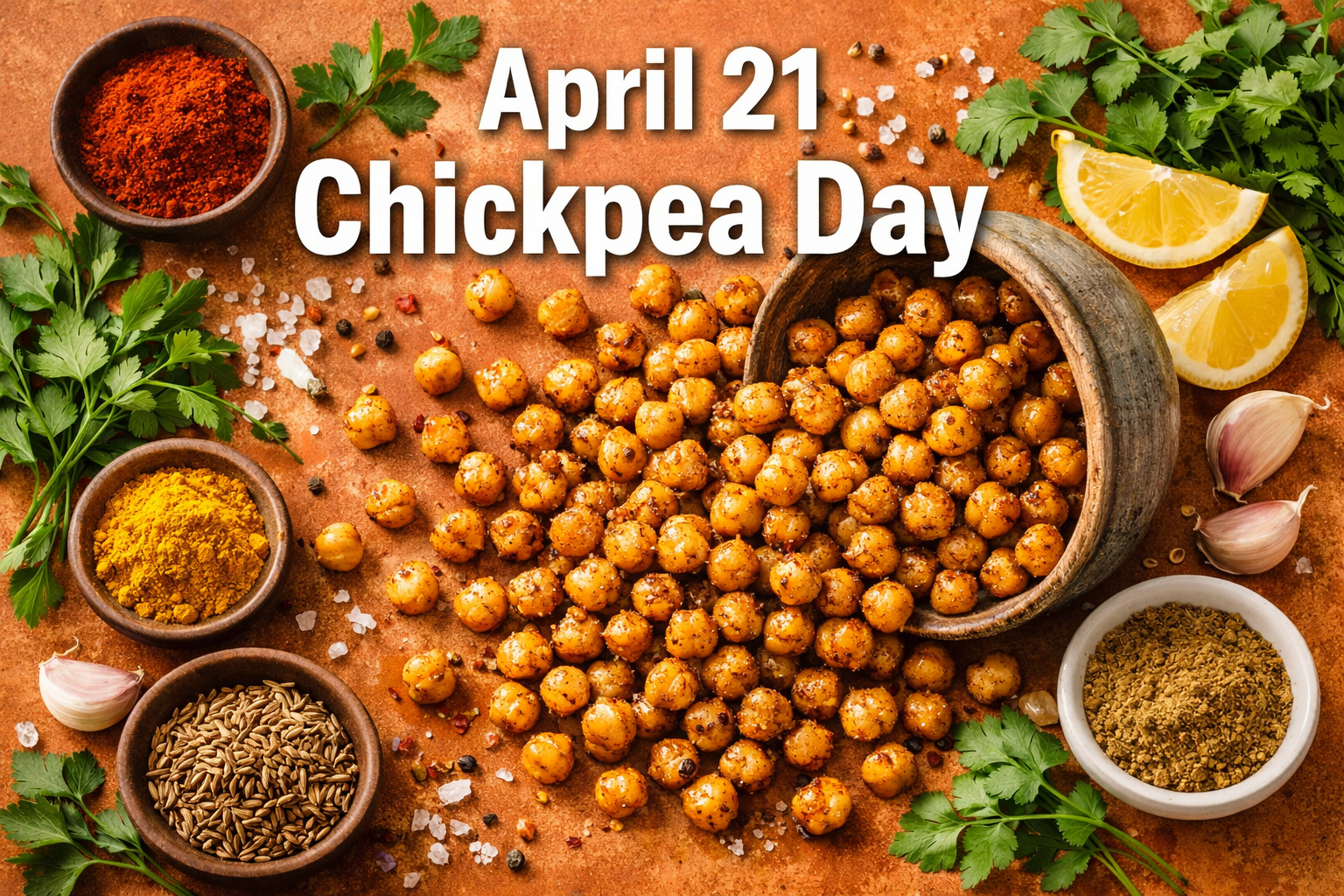
Quick Answer: April 21 Chickpea Day is an annual food observance dedicated to celebrating one of the world’s oldest and most nutritious legumes. Observed every April 21, the day encourages people to cook with, eat, and share chickpea-based dishes. It’s a great opportunity to explore the health benefits, culinary versatility, and global cultural history of this remarkable ingredient.
Key Takeaways
- 🌱 April 21 Chickpea Day falls annually on April 21 and celebrates the chickpea (also called garbanzo bean).
- Chickpeas are one of the earliest cultivated legumes, with archaeological evidence dating back roughly 7,500 years in the Middle East.
- They are an excellent source of plant-based protein, dietary fiber, and essential minerals including iron and folate.
- Chickpeas appear in cuisines across the Middle East, South Asia, the Mediterranean, and Latin America.
- The day is observed by home cooks, food bloggers, restaurants, and nutrition advocates worldwide.
- Celebrating is simple: cook a chickpea dish, share a recipe, or learn about the legume’s cultural significance.
- Chickpeas are budget-friendly, shelf-stable, and work in dozens of recipes from hummus to curries to salads.
- Both canned and dried chickpeas are suitable for celebrating — each has practical advantages.
What Is April 21 Chickpea Day?
April 21 Chickpea Day is an informal but widely recognized food holiday that puts the humble chickpea at the center of the table. The day serves as both a culinary celebration and a nutritional awareness moment, reminding people that plant-based eating can be flavorful, affordable, and deeply rooted in food traditions across the globe.
Unlike formally legislated food days, Chickpea Day grew organically through food communities, social media sharing, and the broader rise of interest in plant-based diets. By 2026, it has become a fixture on food holiday calendars alongside other beloved observances.
The History Behind April 21 Chickpea Day
Chickpeas have a longer history than almost any other cultivated food. Archaeological evidence from sites in Turkey suggests chickpeas were being farmed as far back as 7,500 years ago, making them one of humanity’s earliest agricultural crops (Zohary, Hopf & Weiss, Domestication of Plants in the Old World, 2012).
From the ancient Middle East, chickpeas spread across the Mediterranean, into South Asia, and eventually to the Americas through trade routes and colonization. Ancient Romans ground roasted chickpeas as a coffee substitute. Indian cuisine built entire culinary traditions around chana (the Hindi word for chickpea). Spanish colonizers introduced the legume to Latin America, where it became a staple in stews and soups.
The formal designation of April 21 as Chickpea Day is attributed to food advocacy communities and legume promotion organizations that wanted a dedicated moment to spotlight this underappreciated ingredient. The date aligns with spring in the Northern Hemisphere, a season associated with fresh starts and renewed interest in healthy eating.
Why April 21 specifically? No single founding body has been officially credited, but the date has gained consistent traction in food calendars, nutrition blogs, and culinary communities over the past decade.
Why Chickpeas Deserve Their Own Day: Nutrition Facts
Chickpeas earn their celebration on nutritional merit alone. A standard half-cup (82g) serving of cooked chickpeas provides approximately:
| Nutrient | Amount per ½ cup (cooked) |
|---|---|
| Calories | ~135 kcal |
| Protein | ~7g |
| Dietary Fiber | ~6g |
| Iron | |
| Folate | |
| Carbohydrates | ~22g |
| Fat | ~2g |
Source: USDA FoodData Central, 2023
Key nutritional highlights:
- High fiber content supports digestive health and helps maintain steady blood sugar levels.
- Plant-based protein makes chickpeas a valuable meat alternative for vegetarians and vegans.
- Low glycemic index means they digest slowly, promoting longer-lasting satiety.
- Rich in folate, which is especially important during pregnancy for fetal development.
- Good source of manganese, a mineral that supports bone health and metabolism.
Research published in the Journal of Nutrition (2016) found that regular legume consumption, including chickpeas, was associated with improved cardiovascular health markers and reduced LDL cholesterol levels.
For those exploring plant-forward eating, the Chickpea Cookbook 101 is a practical starting point with recipes organized by skill level and occasion.
How to Celebrate April 21 Chickpea Day
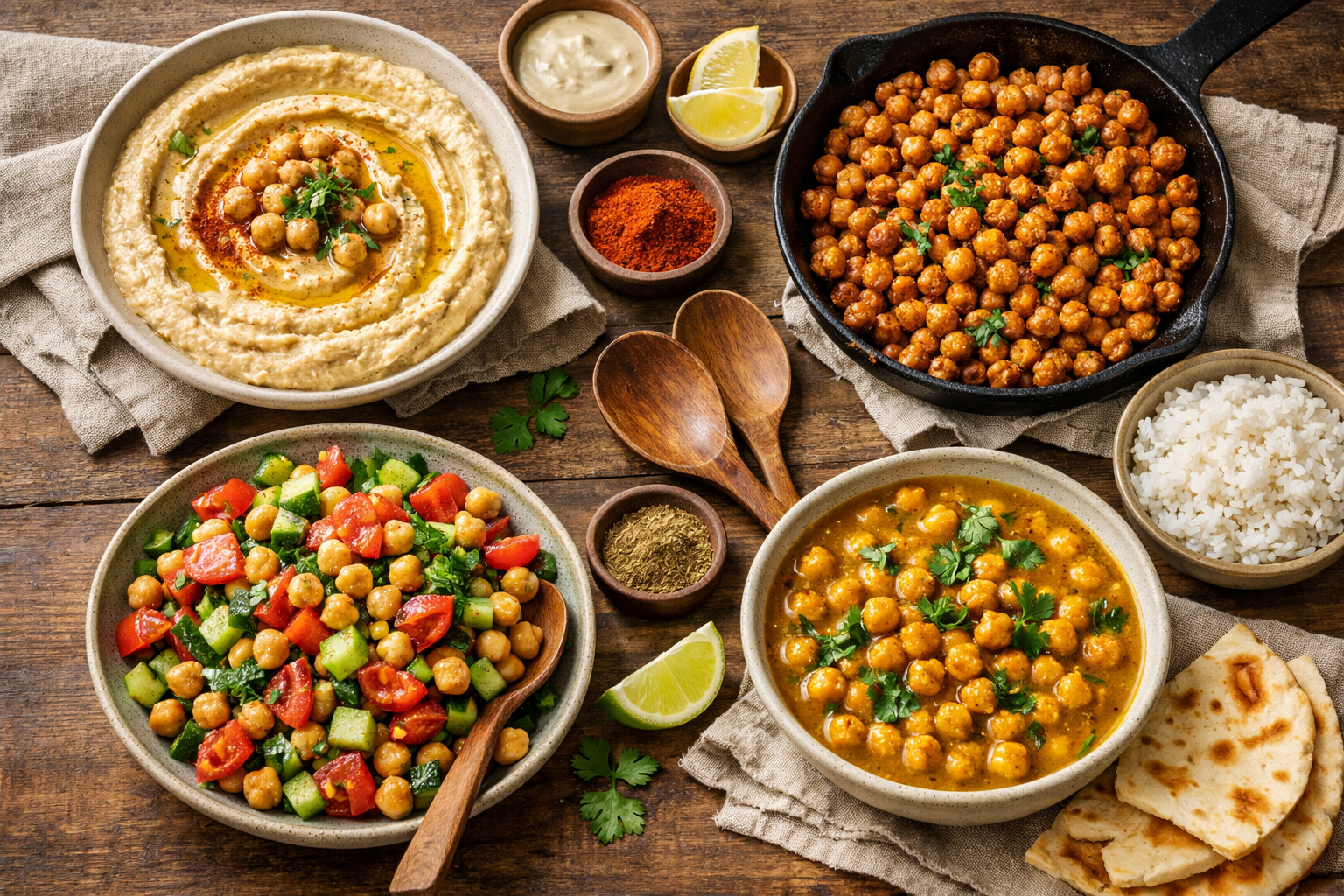
Celebrating April 21 Chickpea Day doesn’t require a culinary degree or special equipment. The goal is simply to engage with this ingredient in a meaningful way.
5 Practical Ways to Celebrate
Cook a chickpea dish from scratch. Start with something accessible like roasted chickpeas (toss with olive oil, cumin, and smoked paprika, then bake at 400°F for 25–30 minutes) or a simple chickpea salad with lemon and herbs.
Make homemade hummus. Blend cooked chickpeas with tahini, lemon juice, garlic, and olive oil. It takes under 10 minutes and tastes far better than most store-bought versions.
Try a recipe from another culture. Explore Indian chana masala, Moroccan chickpea tagine, Spanish cocido, or Italian pasta e ceci. Each dish tells a different cultural story.
Share on social media. Post your chickpea creation with the hashtag #ChickpeaDay or #April21ChickpeaDay to join the broader community conversation.
Teach someone about chickpeas. Share a fun fact, a recipe, or a nutrition tip with a friend or family member who might not cook with legumes regularly.
Choose canned chickpeas if: you want a quick, no-prep option. Rinse them well to reduce sodium by up to 40%.
Choose dried chickpeas if: you want better texture for dishes like hummus or stews and don’t mind soaking overnight. They’re also significantly cheaper per serving.
If you enjoy exploring food holidays throughout the month, April is packed with them — from Sourdough Bread Day on April 1 to Banana Day on April 17 and Eggs Benedict Day on April 16.
Chickpeas Around the World: A Cultural Snapshot
One reason April 21 Chickpea Day resonates globally is that chickpeas appear in virtually every major food culture. This isn’t a niche ingredient — it’s a universal one.
| Region | Dish | Key Flavors |
|---|---|---|
| Middle East | Hummus, falafel | Tahini, lemon, garlic |
| India | Chana masala, dal | Cumin, coriander, garam masala |
| Mediterranean | Pasta e ceci, chickpea soup | Rosemary, tomato, olive oil |
| North Africa | Chickpea tagine | Harissa, preserved lemon, ras el hanout |
| Latin America | Cocido, chickpea stew | Chorizo, paprika, tomato |
| United States | Roasted chickpeas, grain bowls | Smoked paprika, ranch, buffalo sauce |
This global reach makes chickpeas one of the most culturally significant legumes on earth. Celebrating the day is, in a sense, celebrating a shared human food heritage.
For those who love exploring legume-based cooking more broadly, the Beans Cookbook covers a wide range of legume recipes beyond just chickpeas. And if you’re looking for salad applications, the Salad Cookbook includes several chickpea-forward options that work well for meal prep.
Chickpeas vs. Other Legumes: How Do They Compare?
Chickpeas are nutritionally strong, but how do they stack up against other popular legumes?
| Legume | Protein (½ cup cooked) | Fiber (½ cup cooked) | Best Known Use |
|---|---|---|---|
| Chickpeas | ~7g | ~6g | Hummus, curries, salads |
| Black beans | ~8g | ~7.5g | Mexican cuisine, soups |
| Lentils | ~9g | ~8g | Soups, dal, salads |
| Kidney beans | ~7.5g | ~5.5g | Chili, stews |
| Edamame | ~9g | ~4g | Snacking, Asian dishes |
Source: USDA FoodData Central, 2023
Chickpeas hold their own in protein and fiber content while offering a milder, nuttier flavor that makes them more versatile across sweet and savory applications. Aquafaba (the liquid from canned chickpeas) is also a popular egg-white substitute in vegan baking — a use case no other legume can claim as effectively.
Common Mistakes When Cooking Chickpeas
Even experienced cooks make avoidable errors with chickpeas. Here are the most frequent ones:
- Not soaking dried chickpeas long enough. Aim for at least 8 hours (overnight is ideal). Under-soaked chickpeas cook unevenly and can remain gritty.
- Skipping the skin removal for hummus. Removing the thin skins from cooked chickpeas before blending produces noticeably smoother, creamier hummus.
- Over-salting canned chickpeas. Canned varieties already contain sodium. Taste before adding salt to any dish.
- Roasting at too low a temperature. Chickpeas need at least 400°F (200°C) to get genuinely crispy. Lower temperatures produce chewy, not crunchy, results.
- Adding acid too early in soups or stews. Tomatoes and lemon juice can toughen chickpea skins if added at the start of cooking. Add acidic ingredients in the final 15–20 minutes.
FAQ: April 21 Chickpea Day
Q: When is Chickpea Day celebrated? Chickpea Day is celebrated annually on April 21.
Q: Who created April 21 Chickpea Day? No single organization has been officially credited with founding the day. It grew organically through food communities and legume advocacy groups over the past decade.
Q: Are chickpeas and garbanzo beans the same thing? Yes. Chickpea and garbanzo bean are two names for the same legume (Cicer arietinum). “Chickpea” is more common in British and Australian English; “garbanzo” is widely used in Spanish-speaking countries and the United States.
Q: Are chickpeas suitable for people with gluten intolerance? Yes. Chickpeas are naturally gluten-free. However, always check labels on processed chickpea products (like canned or packaged varieties) for potential cross-contamination warnings.
Q: Can chickpeas be eaten raw? Raw dried chickpeas are not safe to eat and are difficult to digest. They must be soaked and cooked thoroughly. Canned chickpeas are pre-cooked and safe to eat directly from the can after rinsing.
Q: What is aquafaba and why does it matter? Aquafaba is the starchy liquid from canned chickpeas. It whips into stiff peaks like egg whites, making it a popular vegan substitute in meringues, mousses, and baked goods.
Q: How long do cooked chickpeas last in the refrigerator? Cooked chickpeas stored in an airtight container will keep in the refrigerator for up to 5 days. They also freeze well for up to 3 months.
Q: Are chickpeas good for weight management? Research suggests that the high fiber and protein content of chickpeas promotes satiety, which may support weight management as part of a balanced diet. A 2016 review in the American Journal of Clinical Nutrition noted that legume consumption was associated with greater feelings of fullness compared to non-legume control meals.
Q: What’s the best way to celebrate April 21 Chickpea Day if I’m new to cooking? Start with roasted chickpeas. Drain and rinse a can of chickpeas, pat dry, toss with olive oil and your favorite spices, and roast at 400°F for 25–30 minutes. It’s nearly impossible to get wrong.
Q: Can I celebrate Chickpea Day if I follow a vegan or vegetarian diet? Chickpea Day is particularly well-suited for plant-based eaters, as chickpeas are 100% plant-derived and serve as a key protein source in vegan and vegetarian diets. The Vegan Cookbook has numerous chickpea-forward recipes worth exploring.
Conclusion: Make April 21 Count
April 21 Chickpea Day is more than a quirky food holiday. It’s a practical nudge to eat better, cook more intentionally, and connect with a food tradition that spans thousands of years and dozens of cultures. Chickpeas are affordable, nutritious, shelf-stable, and endlessly adaptable — qualities that few other ingredients can match.
Actionable next steps for April 21, 2026:
- Pick one chickpea recipe you’ve never tried before and cook it on the day.
- Share your dish on social media with #ChickpeaDay to connect with the global food community.
- Stock your pantry with both canned and dried chickpeas so you’re ready to cook year-round.
- Explore the Chickpea Cookbook 101 for recipe ideas organized by meal type and occasion.
- Use the day as a springboard to incorporate legumes more broadly into weekly meals — your gut health and grocery budget will both benefit.
Whether the plan is a quick weeknight hummus or an ambitious Moroccan tagine, April 21 Chickpea Day is the perfect excuse to let this ancient, extraordinary legume take the spotlight it deserves.
References
- Zohary, D., Hopf, M., & Weiss, E. (2012). Domestication of Plants in the Old World (4th ed.). Oxford University Press.
- USDA FoodData Central. (2023). Chickpeas, mature seeds, cooked, boiled, without salt. U.S. Department of Agriculture. https://fdc.nal.usda.gov/
- Mudryj, A. N., Yu, N., & Aukema, H. M. (2014). Nutritional and health benefits of pulses. Applied Physiology, Nutrition, and Metabolism, 39(11), 1197–1204.
- Rebello, C. J., Greenway, F. L., & Finley, J. W. (2014). A review of the nutritional value of legumes and their effects on obesity and its related co-morbidities. Obesity Reviews, 15(5), 392–407.
- Li, S. S., et al. (2014). Dietary pulses, satiety and food intake: A systematic review and meta-analysis of acute feeding trials. Obesity, 22(8), 1773–1780.