

Quick Answer: April 16 Eggs Benedict Day is an annual food holiday celebrated on April 16 that honors one of the most iconic brunch dishes in American cuisine — poached eggs and Canadian bacon on an English muffin, topped with hollandaise sauce. The day encourages home cooks and restaurant-goers alike to make, order, or experiment with Eggs Benedict in all its variations.
Key Takeaways 🍳
- April 16 Eggs Benedict Day falls every year on April 16 and is widely observed across the United States and beyond.
- The dish’s exact origin is debated, but most food historians trace it to New York City in the late 19th century.
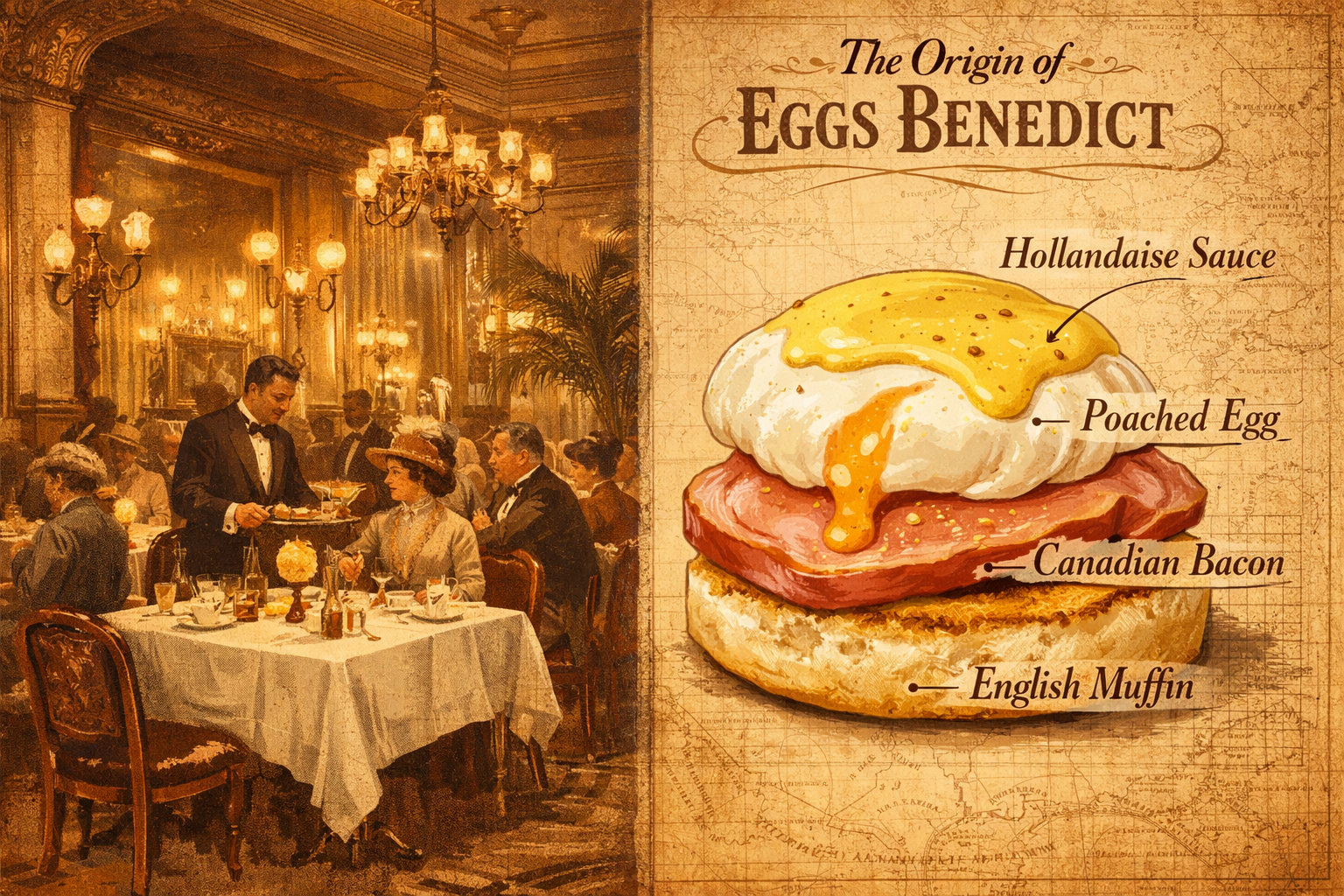
- Classic Eggs Benedict has four core components: English muffin, Canadian bacon (or ham), poached egg, and hollandaise sauce.
- Dozens of popular variations exist, from Eggs Royale (smoked salmon) to vegetarian and spicy regional twists.
- Hollandaise sauce is the trickiest element for home cooks — temperature control is the single biggest factor in success.
- The holiday is a great opportunity for restaurants to run brunch specials and for home cooks to practice poaching eggs.
- April is a busy month for food holidays — see related celebrations like April 4 Cordon Bleu Day and April 3 Chocolate Mousse Day.
What Is April 16 Eggs Benedict Day?
April 16 Eggs Benedict Day is an unofficial but widely recognized food holiday dedicated to celebrating Eggs Benedict — a dish that has become synonymous with upscale brunch culture. On this day, food lovers across the country make the dish at home, visit their favorite brunch spots, or try a new variation they’ve never had before.
The holiday has no single founding organization behind it, which is common for food days of this type. What it does have is genuine cultural traction: brunch menus feature it as a special, food bloggers dedicate posts to it, and home cooks use it as a reason to finally tackle hollandaise sauce.
Where Did Eggs Benedict Come From?
The origin of Eggs Benedict is genuinely disputed, and at least two competing stories have solid historical backing.
Story 1: Lemuel Benedict at the Waldorf Hotel (circa 1894) The most widely cited account comes from a 1942 The New Yorker interview with retired Wall Street broker Lemuel Benedict, who claimed he walked into the Waldorf Hotel one morning in 1894 and ordered buttered toast, poached eggs, crispy bacon, and a hooker of hollandaise to cure a hangover. Oscar Tschirky, the maître d’hôtel, was reportedly so impressed he put a version of it on the menu — substituting English muffins for toast and Canadian bacon for crispy bacon.
Story 2: Commodore E.C. Benedict A second account, published in the New York Times in 1998 (based on a letter from the 1890s), credits Commodore E.C. Benedict and a recipe passed down through his family.
The bottom line: Both stories place the dish in New York City in the 1890s. Regardless of which account is accurate, Eggs Benedict became a staple of American fine dining and brunch culture throughout the 20th century.
What Are the Classic Components of Eggs Benedict?
A traditional Eggs Benedict has exactly four layers, and each one matters.
| Component | Classic Version | Common Substitutes |
|---|---|---|
| Base | English muffin (toasted) | Brioche, croissant, biscuit |
| Protein | Canadian bacon or ham | Smoked salmon, bacon, prosciutto |
| Egg | Poached egg | Soft-boiled (less traditional) |
| Sauce | Hollandaise | Béarnaise, avocado cream |
The hollandaise sauce is where most home cooks struggle. It’s an emulsion sauce made from egg yolks, butter, and lemon juice — and it breaks easily if the heat is too high or the butter is added too fast. The target temperature for the egg yolk base is between 140°F and 160°F (60°C–71°C). Use a double boiler and whisk constantly.
Common mistake: Adding cold butter directly to the yolks. Always use warm, clarified, or melted butter added slowly in a thin stream.
What Are the Most Popular Eggs Benedict Variations?
Eggs Benedict has inspired dozens of regional and creative variations. Here are the most popular ones worth trying on April 16 Eggs Benedict Day:
- 🐟 Eggs Royale — Smoked salmon replaces Canadian bacon. Popular in the UK and coastal U.S. cities.
- 🥬 Eggs Florentine — Wilted spinach replaces the meat, making it vegetarian-friendly.
- 🦀 Crab Benedict — Lump crab meat or a crab cake takes the center spot. A coastal favorite.
- 🌶️ Eggs Diablo — Chorizo or spicy sausage with a chipotle hollandaise.
- 🥑 California Benedict — Avocado, turkey bacon, and sometimes a lighter lemon aioli instead of hollandaise.
- 🍄 Mushroom Benedict — Portobello mushroom cap as the base, great for a fully plant-based version.
Choose the classic version if you’re new to the dish or cooking it for guests who may have traditional tastes. Choose a variation if you’re celebrating solo or with adventurous eaters who want something memorable.
How Do You Make Eggs Benedict at Home?
Making Eggs Benedict at home is completely achievable, even for intermediate cooks. The key is working in the right order so nothing gets cold.
Step-by-Step Process
- Make the hollandaise first and keep it warm in a bowl over hot (not boiling) water, whisking occasionally.
- Cook the Canadian bacon in a skillet over medium heat, about 2 minutes per side. Set aside and keep warm.
- Toast the English muffins until golden. Butter lightly.
- Poach the eggs: Bring a wide saucepan of water to a gentle simmer. Add a splash of white vinegar. Create a gentle swirl, crack each egg into a small cup first, then slide it into the water. Cook 3–4 minutes for a runny yolk.
- Assemble: Muffin → bacon → egg → hollandaise → garnish (paprika, chives, or black pepper).
Timing tip: If making multiple portions, poach eggs in batches and hold them in warm water until ready to plate. This is standard restaurant practice.
For more egg-focused cooking inspiration, the Eggs Cookbook at stillcooking.com is a solid reference for technique and recipes.

How Do Restaurants Celebrate April 16 Eggs Benedict Day?
Many brunch-focused restaurants treat April 16 Eggs Benedict Day as a low-key marketing opportunity, and it’s worth knowing what to look for.
Common restaurant promotions include:
- Limited-time Benedict variations not normally on the menu
- Prix-fixe brunch menus featuring Benedict as the centerpiece
- Social media contests asking customers to share their Benedict photos
- Discounted brunch specials for the day only
For diners: Call ahead or check social media before visiting. Not every restaurant advertises these specials in advance, but many will honor the day if asked. Brunch spots in major cities — New York, Chicago, Los Angeles, New Orleans — tend to go bigger with promotions.
April is a great month for food holidays in general. If you enjoy themed food celebrations, check out April 1 Sourdough Bread Day and April 5 Deep Dish Pizza Day for more ways to celebrate throughout the month.
What Are the Nutritional Basics of Eggs Benedict?
A standard serving of classic Eggs Benedict (two eggs, two English muffin halves, two slices of Canadian bacon, and hollandaise) contains roughly:
- Calories: 500–700 kcal (estimate; varies by portion size and hollandaise richness)
- Protein: 25–30g
- Fat: 35–50g (primarily from hollandaise and egg yolks)
- Carbohydrates: 25–35g
Note: These are estimates based on standard recipe compositions. Exact values depend on the specific recipe, butter quantity in the hollandaise, and muffin size. For precise nutritional data, use a recipe calculator with your specific ingredients.
Lighter swaps to reduce calories:
- Use a blender hollandaise with less butter
- Swap Canadian bacon for smoked salmon (lower in saturated fat)
- Use a whole-grain English muffin for added fiber
Why Is Eggs Benedict Such an Enduring Brunch Classic?
Eggs Benedict has stayed on menus for well over a century for a few concrete reasons.
It hits multiple flavor profiles at once: The richness of hollandaise, the saltiness of the meat, the acid from lemon juice in the sauce, and the soft texture of a perfectly poached egg create a genuinely satisfying combination.
It signals occasion. Ordering or making Eggs Benedict feels like a treat. It’s not a weekday scrambled-egg breakfast — it’s a Sunday brunch dish, a birthday morning dish, a hotel breakfast dish. That emotional association keeps it culturally relevant.
It’s endlessly adaptable. As shown in the variations section above, the basic formula works with almost any protein, sauce, or base. Chefs can put their signature on it without losing the core identity of the dish.
The same logic applies to other classic dishes that have stood the test of time, like Lobster Newburg — rich, technique-driven, and tied to a specific dining occasion.
FAQ: April 16 Eggs Benedict Day
Q: Is April 16 Eggs Benedict Day an official U.S. holiday? A: No. It’s an unofficial food holiday with no government or legislative backing. It’s observed through cultural tradition, restaurant promotions, and social media.
Q: Who invented Eggs Benedict? A: The most cited account credits Lemuel Benedict, a Wall Street broker who reportedly ordered the dish at the Waldorf Hotel in New York City around 1894. A competing story credits Commodore E.C. Benedict.
Q: What’s the difference between Eggs Benedict and Eggs Florentine? A: Eggs Florentine replaces the Canadian bacon with wilted spinach, making it a vegetarian option. Everything else — the poached egg, English muffin, and hollandaise — stays the same.
Q: Can hollandaise sauce be made ahead of time? A: Hollandaise is best made fresh and served immediately. It can be held warm for up to an hour over a double boiler with occasional whisking, but it doesn’t store or reheat well once cooled.
Q: What’s the easiest way to poach eggs for a crowd? A: Poach eggs slightly underdone, then transfer to a bowl of cold water. When ready to serve, reheat in simmering water for 30–60 seconds. This is the standard restaurant method for serving multiple portions.
Q: Is Eggs Benedict gluten-free? A: The classic version is not gluten-free because of the English muffin. Substituting a gluten-free muffin or a portobello mushroom cap makes it accessible for people avoiding gluten.
Q: What wine or drink pairs well with Eggs Benedict? A: A classic Mimosa (champagne and orange juice) or a Bloody Mary are the traditional brunch pairings. For non-alcoholic options, fresh-squeezed orange juice or a sparkling water with citrus works well.
Q: How is April 16 Eggs Benedict Day different from National Brunch Day? A: National Brunch Day (observed in late April or early May, depending on the source) celebrates the broader brunch occasion. April 16 Eggs Benedict Day is specifically about one dish.
Conclusion: How to Make the Most of April 16 Eggs Benedict Day in 2026
April 16 Eggs Benedict Day is more than a novelty food holiday — it’s a practical reason to sharpen a classic cooking skill, try a new variation, or simply enjoy one of the most satisfying brunch dishes ever created.
Actionable next steps for 2026:
- Home cooks: Practice hollandaise sauce at least once before April 16. The technique is the barrier, not the ingredients.
- Restaurant-goers: Check local brunch menus in the week leading up to April 16 for special promotions or limited Benedict variations.
- Food explorers: Use the day to try a variation you’ve never had — Eggs Royale with smoked salmon is an excellent starting point if you’ve only ever had the classic.
- Social media participants: Share your Benedict creation with the hashtag #EggsBenedictDay to join the broader community celebrating the dish.
For more egg-cooking techniques and recipe ideas, explore the Eggs Cookbook and browse the full list of cookbooks at stillcooking.com. And if you’re building out a full April food holiday calendar, don’t miss April 2 Peanut Butter and Jelly Day and April 7 Coffee Cake Day for more themed celebrations throughout the month.
References
- Sheraton, Mimi. “Who Really Invented Eggs Benedict?” The New York Times, 1998.
- “Eggs Benedict.” The New Yorker, interview with Lemuel Benedict, 1942.
- McGee, Harold. On Food and Cooking: The Science and Lore of the Kitchen. Scribner, 2004.