

Quick Answer
April 8 Empanada Day is an annual food holiday celebrated in the United States that honors one of the world’s most beloved stuffed pastries. On this day, food lovers bake, fry, or simply enjoy empanadas in all their regional varieties, from savory beef and cheese to sweet fruit-filled versions. The holiday is a great excuse to explore the rich culinary history behind this portable, crowd-pleasing dish.
Key Takeaways 🥟
- April 8 is recognized as National Empanada Day in the United States.
- Empanadas have roots in Galicia, Spain, with the word derived from the Spanish verb empanar (to coat in bread).
- The dish spread globally through Spanish colonization, becoming a staple in Latin America, the Philippines, and beyond.
- Both baked and fried versions are traditional, depending on the region.
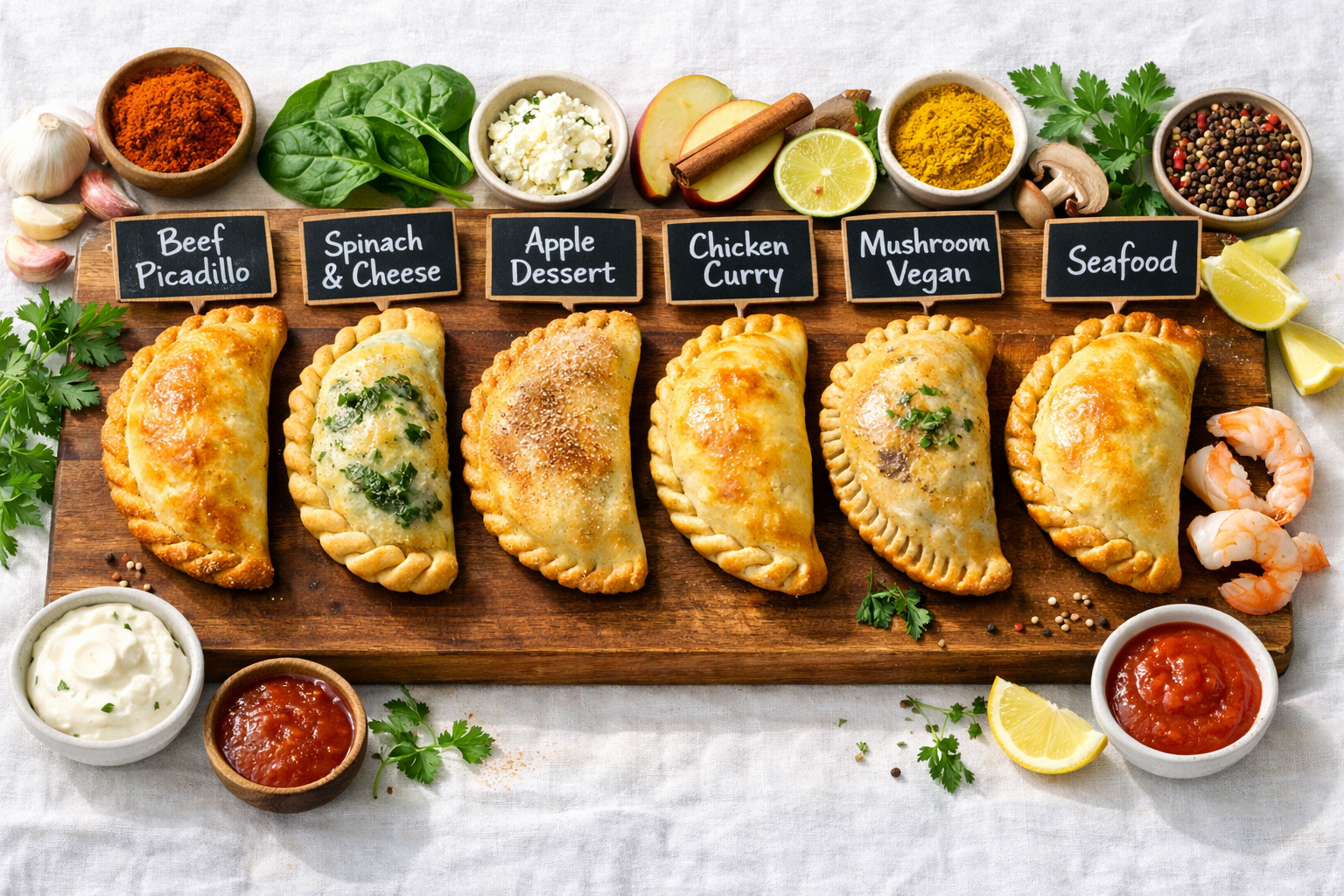
- Common fillings include beef picadillo, chicken, cheese, spinach, and sweet fruit.
- Empanadas are naturally adaptable for vegan, gluten-free, and low-carb diets.
- Celebrating is simple: make them at home, visit a local Latin restaurant, or host an empanada tasting party.
- The holiday connects food culture with history, travel, and family traditions.
What Is April 8 Empanada Day?
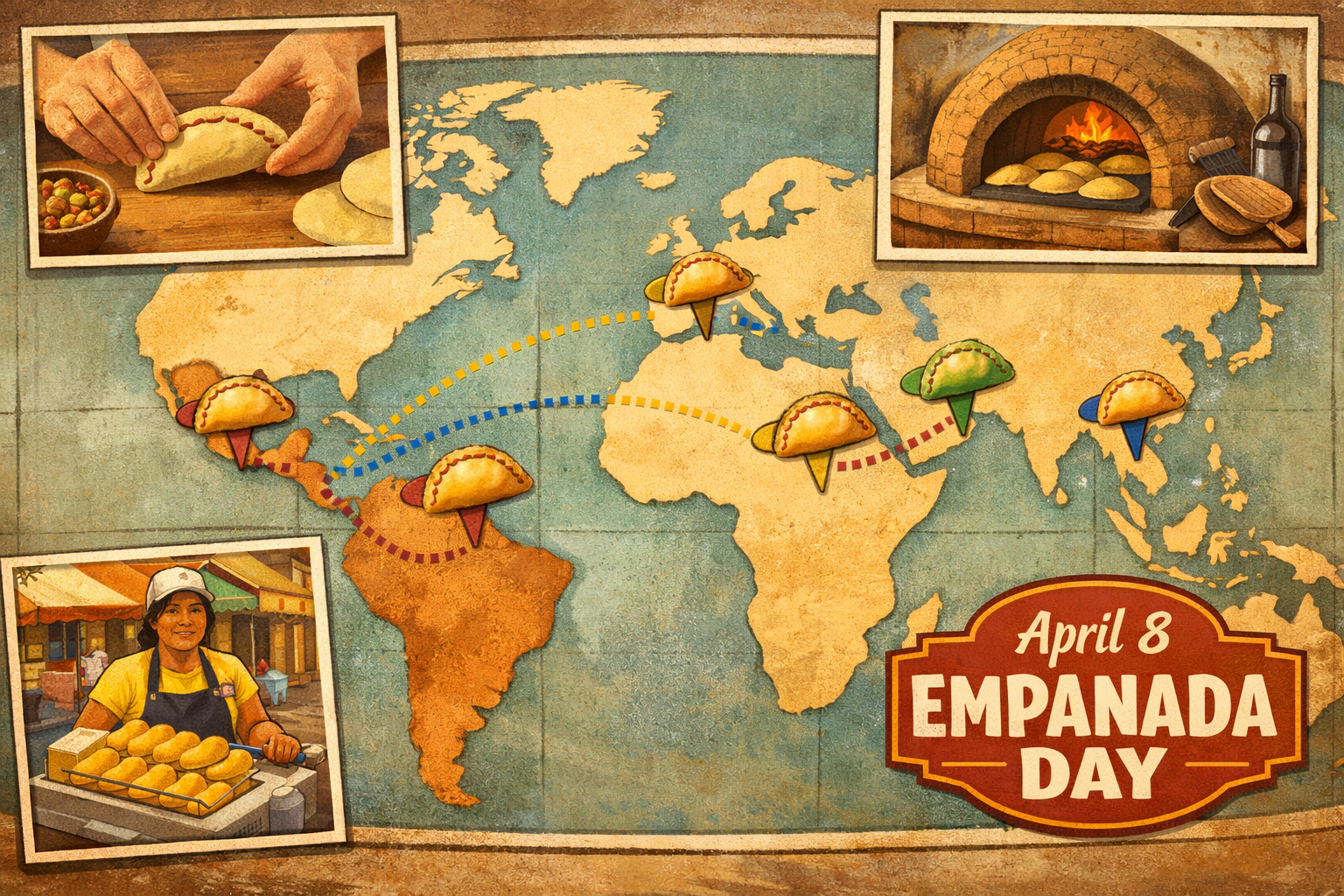
April 8 Empanada Day is a U.S. food holiday dedicated to celebrating the empanada, a stuffed dough pastry that has been a cornerstone of Latin American and Spanish cuisine for centuries. It falls on April 8 each year and is observed informally by home cooks, restaurants, and food bloggers across the country.
The holiday has no single founding organization on record, which is common for many food observance days in the United States. What matters more is what it represents: a shared appreciation for a dish that crosses borders, cultures, and generations.
“An empanada is not just a snack. It’s a cultural passport wrapped in dough.”
Whether someone grew up eating empanadas de pipián in Mexico or beef patties in Jamaica (a close cousin), April 8 gives everyone a reason to gather around a plate of these golden pastries.
Where Did Empanadas Come From?
Empanadas trace their origins to Galicia, in northwestern Spain, where early versions were large, bread-like pies filled with fish or meat. The word empanada comes from the Spanish empanar, meaning “to bread” or “to coat in dough.” Historical references to empanada-style dishes appear in a Catalan cookbook from 1520, making this one of the oldest documented stuffed pastry traditions in Western cooking (according to food historians referencing the Llibre del Coch, 1520).
Spanish colonizers brought the recipe to the Americas in the 16th century. From there, each region adapted it using local ingredients:
| Region | Traditional Filling | Cooking Method |
|---|---|---|
| Argentina | Beef, hard-boiled egg, olive | Baked or fried |
| Colombia | Beef, potato, rice | Fried |
| Chile | Beef (pino), raisins, olives | Baked |
| Mexico | Chicken, cheese, or sweet potato | Fried or baked |
| Philippines | Chicken, potato, raisins | Fried |
| Spain (Galicia) | Tuna or sardines | Baked (large pie) |
This global spread is exactly why April 8 Empanada Day resonates with so many people across different backgrounds.
How Are Empanadas Made?
At their core, empanadas are made from three elements: dough, filling, and a sealing method. The details vary widely by tradition.
The Dough
Most empanada doughs fall into two categories:
- Lard or shortening-based dough (flakier, used for baked versions)
- Oil-based or masa dough (denser, common for fried versions in Mexico and Colombia)
The Filling
Fillings are almost limitless. The most popular savory options include:
- Beef picadillo (ground beef with tomato, onion, and spices)
- Chicken and cheese
- Spinach and ricotta
- Black beans and corn (popular vegan option)
For sweet versions, common choices are apple, guava and cream cheese, or dulce de leche. If you enjoy exploring fruit-based dessert pastries, check out this apple cookbook for filling inspiration.
The Crimp
The folded, crimped edge (called repulgue in Argentina) is both functional and decorative. It seals the filling inside and, in some families, signals what’s inside based on the pattern used.
What Makes Empanadas Different From Other Stuffed Pastries?
Empanadas are often compared to other stuffed dough dishes, but several features set them apart.
Compared to dumplings and gnocchi: Empanadas use a wheat-based dough that is rolled thin, while dumplings and gnocchi use softer, wetter doughs. The cooking method also differs — empanadas are baked or fried, not boiled.
Compared to pies: A traditional pie is baked in a dish. An empanada is self-contained and hand-held, making it more portable.
Compared to calzones or deep-dish pizza: Deep-dish pizza and calzones use leavened dough. Empanadas use unleavened or minimally leavened dough, giving them a denser, crispier shell.
The hand-held, single-serving format is one reason empanadas became so popular as street food and travel food throughout history.
How to Celebrate April 8 Empanada Day
April 8 Empanada Day is best celebrated by making, eating, or sharing empanadas. Here are practical ways to mark the occasion in 2026:
At Home
- Choose a regional style — Pick Argentina, Colombia, or Philippines as your theme and research authentic recipes.
- Make a batch with family or friends — Empanada-making is a hands-on activity that works well as a group project.
- Try one baked and one fried — Compare textures and decide which you prefer.
- Experiment with a vegan or gluten-free version — Black bean and corn filling in a gluten-free dough is a crowd-pleaser.
At a Restaurant
- Look for local Latin American, Spanish, or Filipino restaurants offering empanadas.
- Many restaurants run specials or promotions on food holidays like this one.
Online and Social
- Share photos of homemade empanadas using the hashtag #EmpanaDay or #April8EmpanaDay.
- Post a recipe video or a regional comparison to engage food communities.
Pair With Other April Food Days
April is packed with food holidays. The days leading up to April 8 include April 7 Coffee Cake Day, April 6 Caramel Popcorn Day, and April 5 Deep Dish Pizza Day. Hosting a week-long food celebration leading up to April 8 is a fun way to build anticipation.
Are There Vegan or Dietary-Friendly Empanada Options?
Yes, empanadas are one of the most adaptable pastries in global cuisine. The dough and filling can both be modified to suit most dietary needs.
Vegan empanadas: Replace lard with vegetable shortening or coconut oil in the dough. Use fillings like black beans, roasted peppers, mushrooms, or potato and pea curry. A mushroom cookbook offers excellent filling ideas.
Gluten-free empanadas: Use masa harina (corn flour) dough, which is naturally gluten-free and traditional in Mexican cuisine.
Lower-fat options: Baking instead of frying reduces fat significantly without sacrificing flavor.
Choose baked if: you want a lighter result or are cooking for a large group (easier to batch-cook in an oven). Choose fried if: you want the crispiest shell and most traditional street-food experience.
Common Mistakes When Making Empanadas
Even experienced cooks run into these issues:
- Overfilling: Too much filling causes the edges to split during cooking. Use about 2 tablespoons of filling per empanada.
- Skipping the egg wash: For baked empanadas, brushing with egg wash gives that golden-brown finish.
- Not chilling the dough: Warm dough is harder to work with and tears easily. Rest it in the refrigerator for at least 30 minutes.
- Wet fillings: Excess moisture causes soggy dough. Cook fillings down until most liquid has evaporated before assembling.
- Uneven thickness: Roll dough to a consistent 3–4mm thickness so it cooks evenly.
FAQ: April 8 Empanada Day
Q: When is National Empanada Day? National Empanada Day in the United States is observed on April 8 each year.
Q: Who created April 8 Empanada Day? No single organization is officially credited with founding the holiday. Like many U.S. food observance days, it grew organically through food communities and social media.
Q: Are empanadas the same as pasties or pierogi? No. Pasties (from Cornwall, England) use a shortcrust pastry and are typically baked. Pierogi (from Poland) are boiled dumplings. Empanadas use their own distinct dough and can be baked or fried.
Q: What country makes the best empanadas? This is subjective. Argentina’s baked beef empanadas and Colombia’s fried corn-dough versions are among the most internationally recognized, but every country with an empanada tradition claims its own as the best.
Q: Can empanadas be made ahead of time? Yes. Assembled, uncooked empanadas freeze well for up to three months. Bake or fry directly from frozen, adding a few extra minutes to cooking time.
Q: What dipping sauces go with empanadas? Popular options include chimichurri, salsa criolla, aji sauce, sour cream, or a simple tomato salsa. A good sauce cookbook can expand your pairing options considerably.
Q: Are empanadas healthy? It depends on the filling and cooking method. Baked empanadas with vegetable or lean protein fillings are a reasonably balanced meal. Fried versions with rich fillings are more indulgent.
Q: Can kids help make empanadas? Absolutely. Filling and crimping the edges is a great task for children. Check out kids’ fun recipes for age-appropriate cooking activities.
Q: What is the difference between an empanada and a turnover? A turnover is a general term for any folded pastry. An empanada is a specific cultural tradition with distinct dough recipes, regional fillings, and cooking methods tied to Spanish and Latin American heritage.
Conclusion: Make April 8 Count 🥟
April 8 Empanada Day is more than a quirky food holiday. It’s a genuine opportunity to connect with one of the world’s most traveled and beloved dishes. Whether someone makes a batch from scratch, orders from a local Latin restaurant, or simply learns about the regional differences between Argentine and Filipino versions, the day has real value.
Actionable next steps for 2026:
- Pick one regional style and commit to making it authentically this April 8.
- Invite someone to cook with you — empanada-making is a social activity.
- Try a new filling you’ve never used before, whether that’s mushroom, guava, or curry.
- Share your results online with the hashtag #April8EmpanaDay to connect with other food enthusiasts.
- Explore the week’s other food holidays — from April 4 Cordon Bleu Day to April 3 Chocolate Mousse Day — and make early April a full culinary celebration.
The empanada has survived centuries, crossed oceans, and fed millions. One day a year to honor it is the least anyone can do.
References
- Llibre del Coch (Catalan cookbook), attributed to Ruperto de Nola, 1520 — historical reference to early empanada-style preparations.
- Oxford Companion to Food, Alan Davidson, Oxford University Press, 1999 — entry on empanadas and stuffed pastry history.
- Food Timeline (foodtimeline.org) — historical context for stuffed pastry traditions across cultures.