
Last updated: March 28, 2026
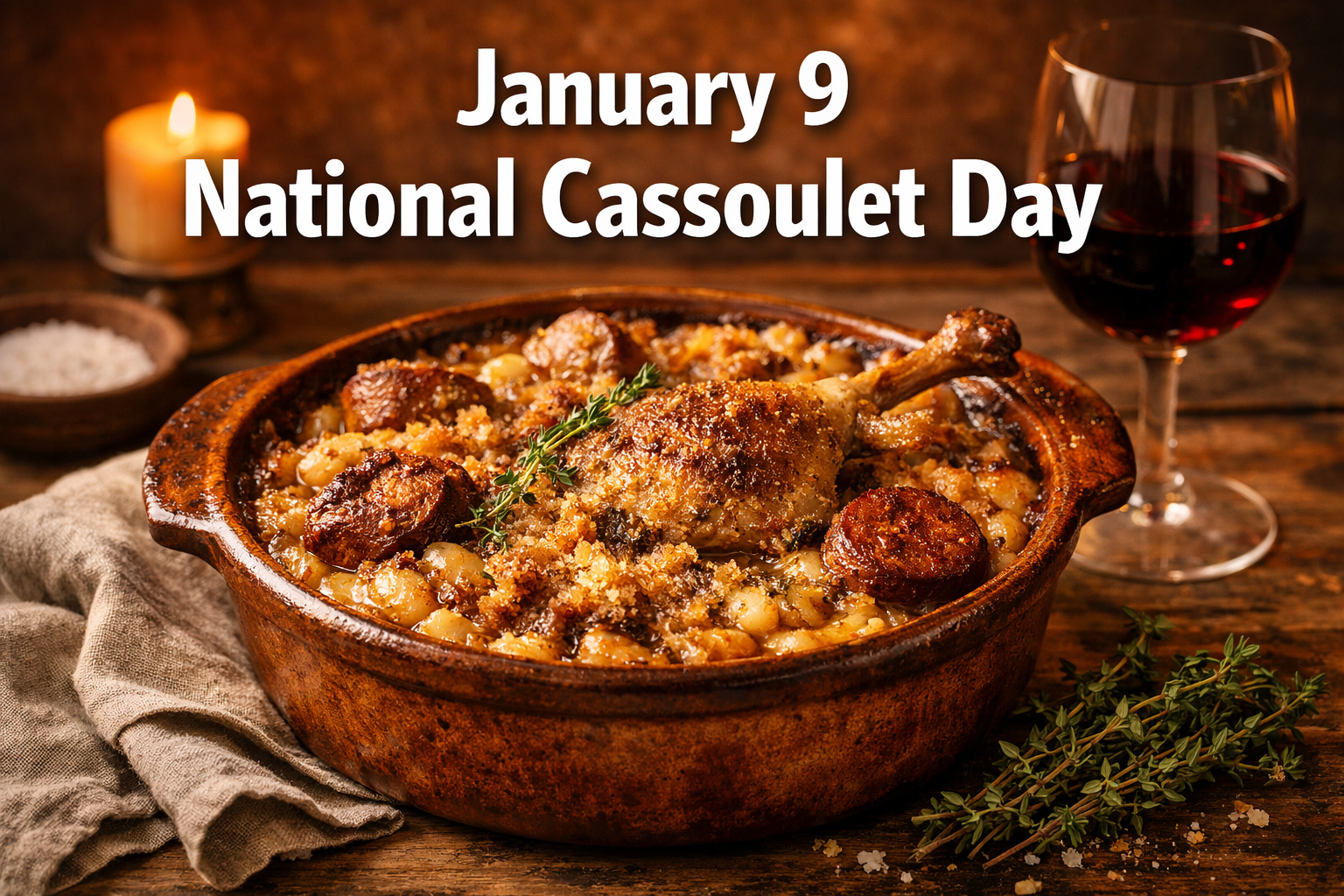
Quick Answer: January 9 National Cassoulet Day is an annual food holiday celebrated in the United States on January 9th, dedicated to cassoulet — a slow-cooked French casserole made with white beans, sausage, and meat (typically duck confit or pork). It’s a perfect midwinter celebration for home cooks and French cuisine enthusiasts who want an excuse to make one of France’s most beloved comfort dishes.
Key Takeaways
- 📅 Date: January 9 every year — National Cassoulet Day
- 🍲 What it celebrates: Cassoulet, a slow-cooked French bean and meat casserole originating in the Languedoc region of southern France
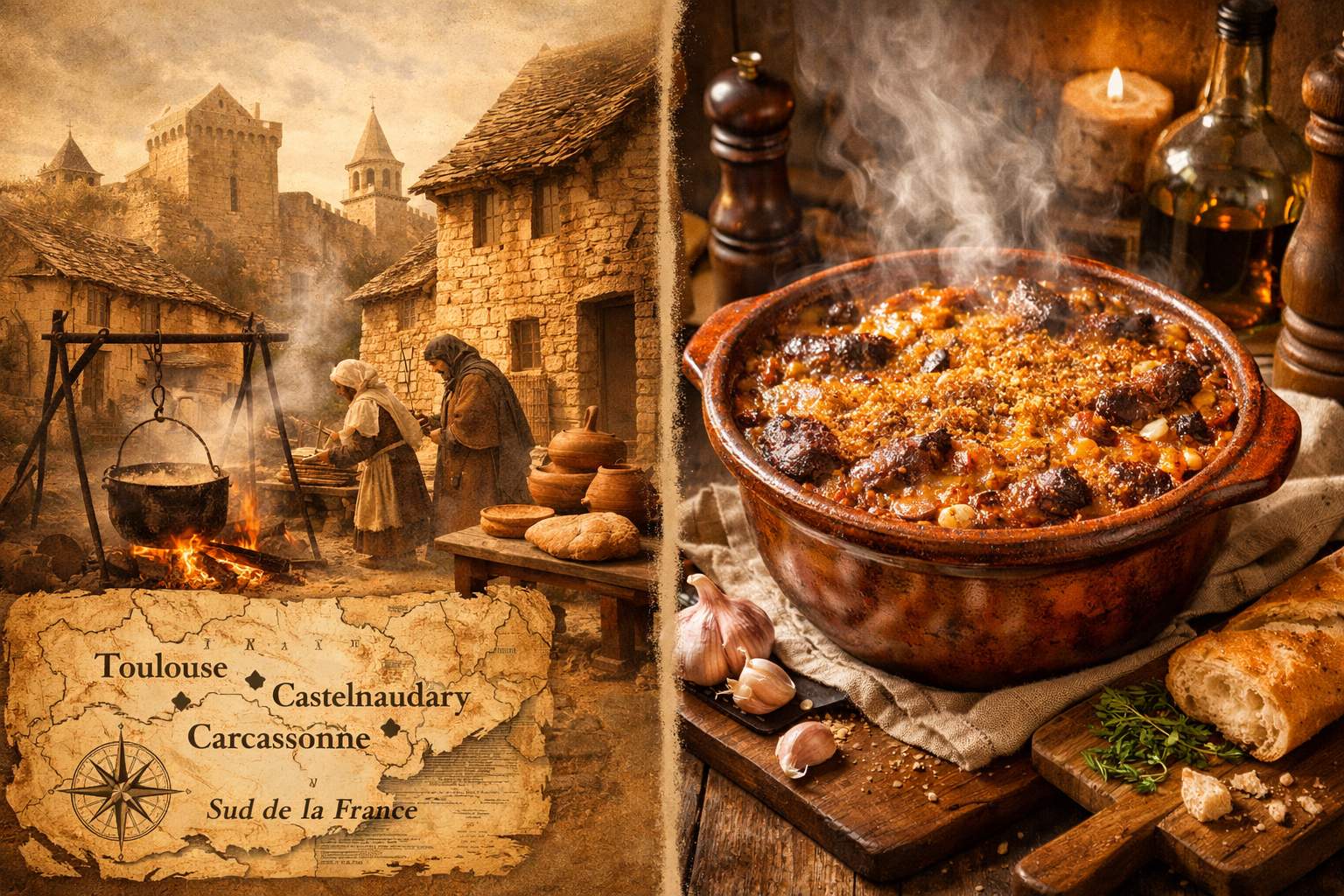
- 🇫🇷 Origin of the dish: Cassoulet traces back to 14th-century France, with three cities — Castelnaudary, Carcassonne, and Toulouse — each claiming the “authentic” version
- 🫘 Core ingredients: Dried white beans (typically Tarbais or Great Northern), duck confit, Toulouse sausage, pork belly or lamb, and a breadcrumb crust
- ⏱️ Time commitment: Traditional cassoulet takes 2–3 days to prepare; simplified versions can be done in 3–4 hours
- 🏠 Who it’s for: Home cooks, French food lovers, and anyone looking for a hearty winter meal project
- 🍷 Best pairing: A robust red wine from southern France, such as a Corbières or Minervois
- 🎉 How to celebrate: Cook cassoulet at home, visit a French restaurant, or host a cassoulet dinner party
- 📖 Skill level: Intermediate — the dish rewards patience more than technical skill
What Is January 9 National Cassoulet Day?
January 9 National Cassoulet Day is an unofficial but widely observed American food holiday that falls on January 9th each year. The day encourages people to cook, eat, and share cassoulet — a rich, slow-cooked French casserole that has been a cornerstone of southern French cuisine for centuries.
The holiday fits naturally into early January. After the excess of the winter holidays, cassoulet offers something different: a slow, intentional cooking project that fills the house with warmth and aroma on a cold winter day. It’s the kind of dish that rewards patience.
What Is Cassoulet and Where Does It Come From?
Cassoulet is a slow-cooked French casserole built around dried white beans and various cuts of meat, baked in a traditional ceramic vessel called a cassole — the dish takes its name from this pot. The result is a thick, deeply savory stew with a golden, crispy breadcrumb crust on top.
The Origins of Cassoulet
The dish originates from the Languedoc region of southern France, and its history stretches back to at least the 14th century. A popular legend ties cassoulet’s creation to the Hundred Years’ War: during the siege of Castelnaudary, townspeople reportedly gathered all available food — beans, pork, and sausage — into one pot to feed soldiers defending the city.
Three cities in Languedoc each claim ownership of the “true” cassoulet:
| City | Signature Ingredient | Regional Identity |
|---|---|---|
| Castelnaudary | Pork confit, pork rind, sausage | Considered the “original” cassoulet |
| Carcassonne | Lamb or partridge (in season) | More rustic, game-influenced |
| Toulouse | Toulouse sausage, duck confit | Most widely known internationally |
The Toulouse version — featuring duck confit and Toulouse sausage — is the one most commonly found in French restaurants outside France and the version most home cooks attempt on January 9 National Cassoulet Day.
“Cassoulet is not a recipe. It is a way of life.” — A common sentiment among French chefs in the Languedoc, reflecting the dish’s cultural weight.
What Are the Core Ingredients in Cassoulet?
A proper cassoulet uses a short list of ingredients, but quality matters enormously. Every component contributes to the final depth of flavor.
Essential ingredients:
- White beans — Tarbais beans are traditional; Great Northern or cannellini beans work well as substitutes
- Duck confit — Duck legs slow-cooked in their own fat; available pre-made at specialty stores
- Toulouse sausage — A coarse-ground pork sausage seasoned with wine and garlic; fresh Italian sausage is a reasonable substitute
- Pork belly or pork rind — Adds richness and body to the broth
- Aromatics — Onion, carrot, celery, garlic, bouquet garni (thyme, bay leaf, parsley)
- Tomato — A small amount; purists debate this, but most modern recipes include it
- Breadcrumbs — Coarse, fresh breadcrumbs form the signature crust
Choose duck confit if you want the most authentic flavor and have access to a specialty grocery store. Choose chicken thighs if you’re making a simplified weeknight version and can’t source duck.
How Do You Celebrate January 9 National Cassoulet Day?
The most direct way to celebrate January 9 National Cassoulet Day is to cook cassoulet. But there are several approaches depending on available time and skill level.
Option 1: Traditional Cassoulet (2–3 Days)
This is the full project. Day one involves soaking beans and preparing confit. Day two builds the stew base. Day three assembles and bakes the cassoulet, breaking and re-forming the crust multiple times.
Basic process:
- Soak dried white beans overnight in cold water
- Simmer beans with pork rind, aromatics, and garlic until just tender (not fully cooked)
- Brown sausages and any additional meat separately
- Layer beans and meat in a cassole or Dutch oven, cover with bean cooking liquid
- Top with breadcrumbs and bake at 325°F (160°C) for 2–3 hours, breaking the crust 2–3 times as it forms
- Rest before serving
Option 2: Simplified Same-Day Cassoulet (3–4 Hours)
Use canned white beans, store-bought duck confit, and a Dutch oven. This cuts prep time significantly while still delivering excellent results. Most food writers agree the flavor gap between a careful same-day version and a three-day version is smaller than the effort gap.
Option 3: Restaurant Celebration
Many French bistros and brasseries feature cassoulet on their winter menus. In 2026, calling ahead to confirm availability is worth doing — cassoulet is often a limited daily special.
Common mistake: Skipping the breadcrumb crust or only forming it once. The crust is pushed down into the stew and reformed 2–3 times during baking. This step creates layers of flavor and is not optional in a traditional preparation.
What Makes Cassoulet Different from Other Bean Casseroles?
Cassoulet stands apart from other bean dishes because of three specific qualities: the type of fat used, the slow baking method, and the crust technique.
Most bean casseroles are stovetop dishes. Cassoulet is baked, which concentrates flavors and creates the textural contrast between the creamy interior beans and the crunchy, golden crust. Duck fat (from the confit) permeates the beans during cooking, giving them a richness that olive oil or butter cannot replicate.
Cassoulet vs. similar dishes:
- Boston Baked Beans — Sweeter, uses molasses and salt pork, no crust, American origin
- Fabada Asturiana (Spain) — Similar bean-and-meat concept but uses morcilla (blood sausage) and chorizo, no baked crust
- Pasta e Fagioli (Italy) — Soup-like consistency, pasta instead of breadcrumb crust, lighter overall
Tips for Getting Cassoulet Right
Even experienced cooks make avoidable mistakes with cassoulet. Here are the most common issues and how to fix them.
- Beans that fall apart: Don’t fully cook the beans before baking. They should be just barely tender going into the oven — they’ll continue cooking during the long bake.
- Dry cassoulet: The stew should be just barely covered with liquid before it goes in the oven. Add warm water or stock if it looks dry after the first hour.
- Pale crust: Make sure the oven is at least 325°F and position the cassole in the upper third of the oven. If the crust isn’t browning, raise the temperature to 375°F for the final 20 minutes.
- Bland flavor: Season aggressively at every stage — the beans, the cooking liquid, and the final dish. Cassoulet needs salt.
Frequently Asked Questions About January 9 National Cassoulet Day
What day is National Cassoulet Day? National Cassoulet Day is observed on January 9th each year in the United States.
Who created National Cassoulet Day? The exact origin of the holiday is unclear — it appears to have emerged through food bloggers and culinary calendar sites in the early 2000s. There is no single founding organization on record.
Is cassoulet difficult to make? Cassoulet is intermediate in difficulty. The steps are straightforward, but the dish requires patience and time. A simplified version using canned beans and pre-made duck confit is manageable for most home cooks.
Can cassoulet be made vegetarian? Yes, though it’s a significant departure from the original. Smoked paprika, mushrooms, and a good vegetable stock can create a satisfying plant-based version using the same bean-and-breadcrumb-crust structure.
How long does cassoulet keep? Cassoulet keeps well in the refrigerator for up to 4 days and actually improves after a day or two as flavors meld. It also freezes well for up to 3 months.
What wine pairs best with cassoulet? Red wines from southern France work best — Corbières, Minervois, or a Cahors. A Côtes du Rhône is also an excellent and widely available option.
Where can I find Tarbais beans? Specialty grocery stores, French food importers, and online retailers carry Tarbais beans. Great Northern beans or cannellini beans are acceptable substitutes.
Can I make cassoulet in a slow cooker? A slow cooker can handle the bean-and-meat portion, but it won’t produce the signature baked crust. Finish the dish under the broiler for 5–10 minutes to approximate the crust texture.
Is duck confit necessary? Duck confit is traditional and strongly recommended for flavor. Chicken thighs braised in olive oil are the most practical substitute if duck confit is unavailable.
Conclusion
January 9 National Cassoulet Day is a genuinely worthwhile food holiday — not just a calendar curiosity. It lands at the right moment in the year, when cold weather and post-holiday slowdown make a long cooking project feel like a reward rather than a chore.
Actionable next steps for 2026:
- Plan ahead: Source duck confit and Tarbais beans before January 9 — specialty items may need to be ordered online
- Choose your approach: Decide between the traditional multi-day method or a streamlined same-day version based on available time
- Invite people: Cassoulet is a communal dish — it serves 6–8 people and is best shared
- Explore the region: Use the holiday as a starting point to explore Languedoc wines and other southern French dishes like brandade or bouillabaisse
Whether cooking from scratch or visiting a French bistro, celebrating January 9 National Cassoulet Day is a straightforward way to connect with one of France’s great culinary traditions — one bowl at a time. 🍲
References
- Davidson, Alan. The Oxford Companion to Food. Oxford University Press, 1999.
- Child, Julia, Louisette Bertholle, and Simone Beck. Mastering the Art of French Cooking. Alfred A. Knopf, 1961.
- Wolfert, Paula. The Cooking of South-West France. Wiley, 2005.
- National Day Calendar. “National Cassoulet Day – January 9.” nationaldaycalendar.com.