Last updated: May 30, 2026
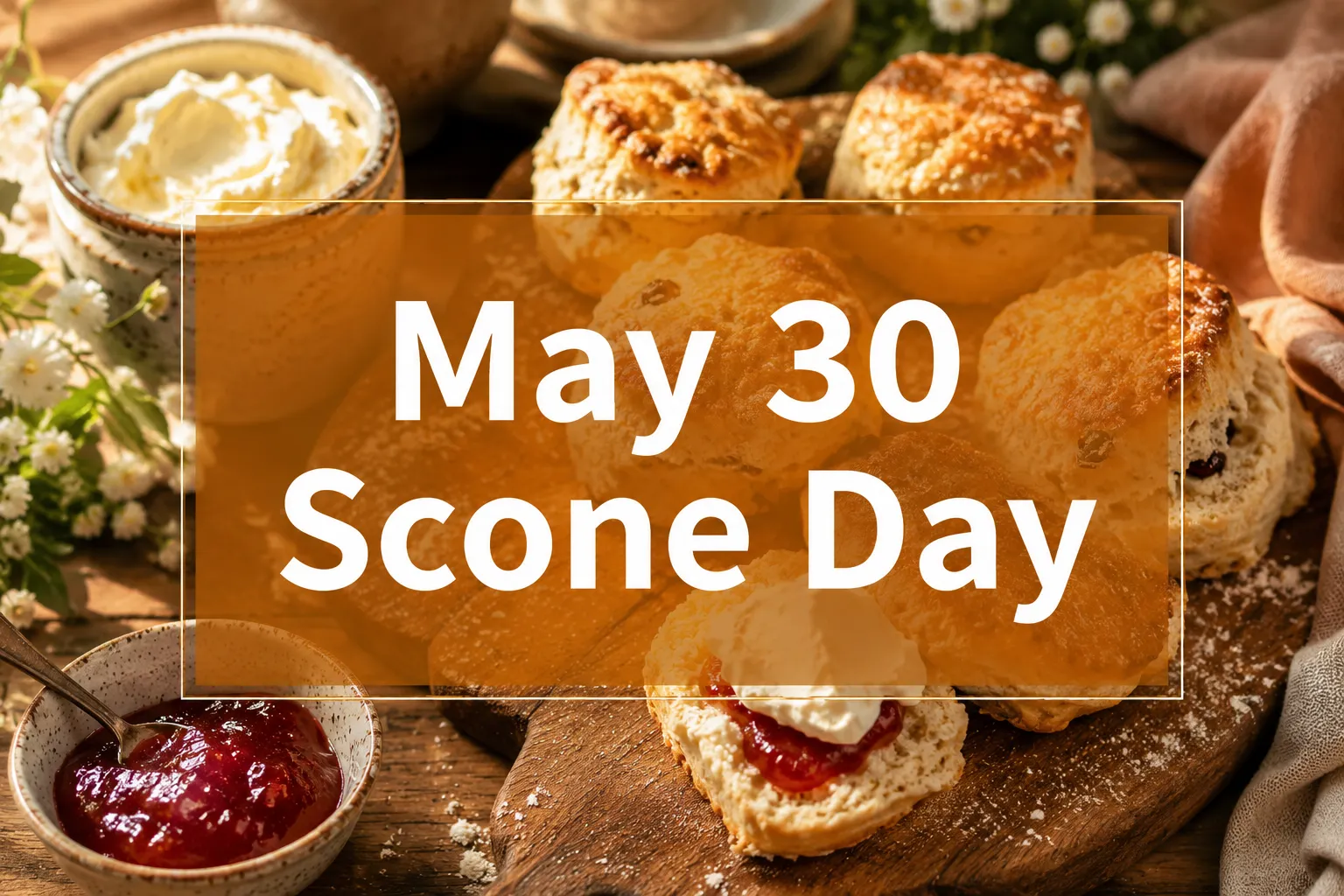
Quick Answer: May 30 Scone Day (also called National Scone Day) is an annual food observance celebrated every May 30 that honors the classic British and Irish baked pastry. It is an unofficial holiday recognized across multiple food-holiday calendars and celebrated by home bakers, tea rooms, and bakeries worldwide. The day encourages people to bake, buy, or share scones and to explore the rich cream tea traditions tied to this beloved treat. [2][4]
Key Takeaways
- May 30 is recognized annually as National Scone Day on multiple food-holiday calendars. [2][4]
- The day celebrates the scone’s deep roots in British and Irish baking culture, particularly its role in cream tea service.
- Scones differ from American biscuits in texture, fat content, and typical serving style.
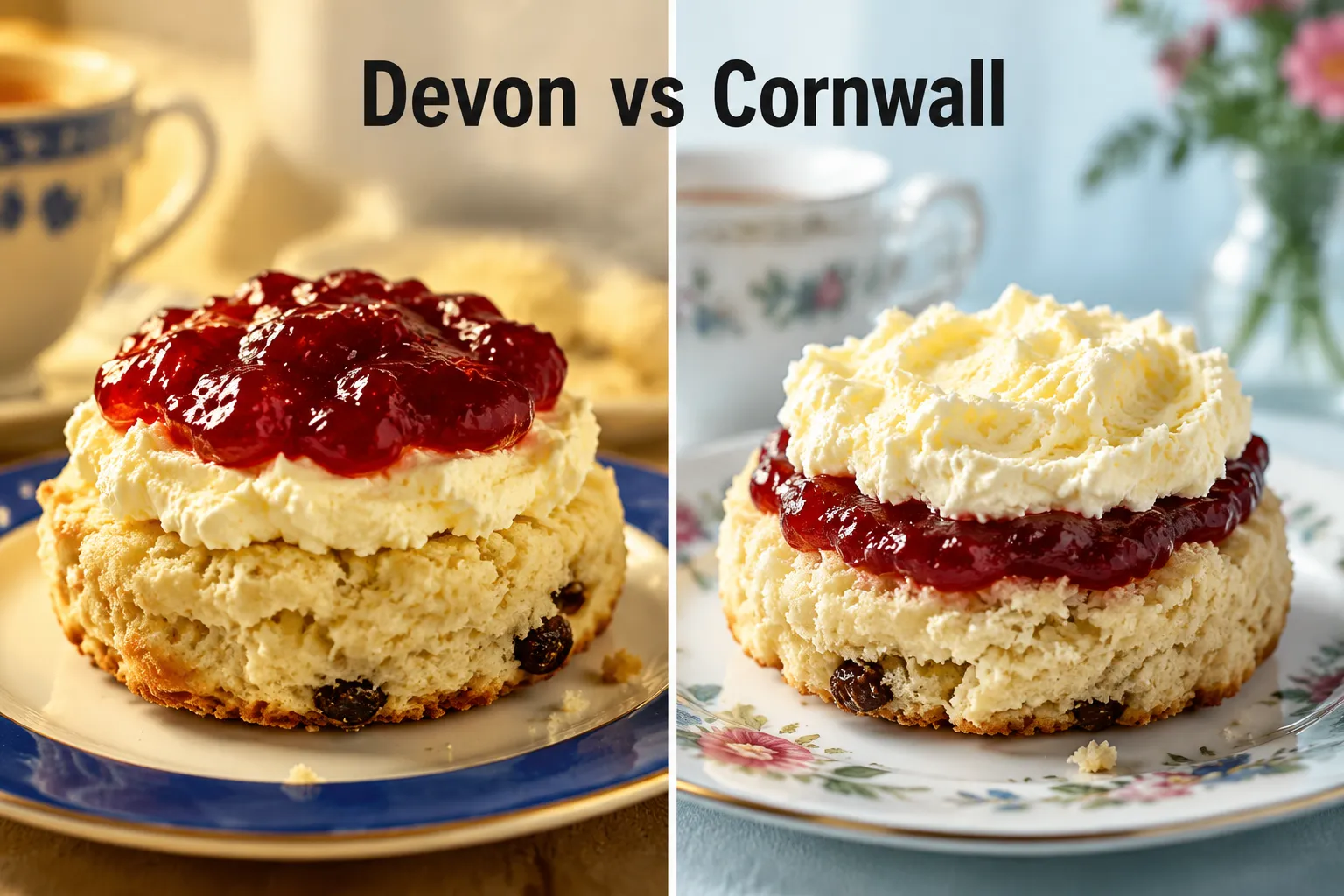
- The “jam first vs. cream first” debate is a genuine regional tradition in England, dividing Cornwall and Devon.
- You can make scones ahead of time and freeze them unbaked for up to three months.
- Scone Day events are held at bakeries, tea rooms, and community spaces; some countries hold dedicated scone festivals. [3]
- There is no single official founder of May 30 Scone Day; it emerged organically through food-holiday tracking websites and social media.
- Scones pair well with clotted cream, jam, lemon curd, honey, or savory toppings like cheese and chives.
What Is May 30 Scone Day?
May 30 Scone Day is an annual informal food holiday dedicated to celebrating the scone, a lightly sweetened quick bread baked from flour, butter, and a leavening agent. Multiple food-holiday calendars confirm it falls on May 30 every year. [2][4]
The day is observed as a fun, community-driven occasion rather than a government-recognized public holiday. It sits alongside other beloved food observances, much like National Sourdough Bread Day on April 1 or National Cinnamon Crescent Day on April 10, as part of a broader calendar of food-focused celebrations that give people a reason to bake and gather.
What counts as a scone? A scone is typically:
- Made with flour, butter, sugar, a leavening agent (baking powder or baking soda), and a liquid (milk, cream, or buttermilk)
- Baked at high heat until golden with a slightly crisp exterior and soft, fluffy interior
- Served plain, with dried fruit (raisins, currants), or with cheese and herbs for savory versions
What Is the History Behind May 30 Scone Day?
The scone itself has a much longer history than the holiday. Scones are believed to have originated in Scotland in the early 16th century, with the word likely derived from the Dutch “schoonbrot” (fine white bread) or the Gaelic “sgonn.” They became central to British afternoon tea culture in the 19th century, when Anna, the 7th Duchess of Bedford, is widely credited with popularizing the afternoon tea ritual around 1840.
May 30 as a specific date for National Scone Day appears to have emerged through informal food-holiday tracking websites and social media communities during the 2000s and 2010s. [5] There is no single founding organization or legislative act behind it. Instead, the date consolidated across multiple holiday calendars until it became the widely accepted annual observance it is today. [2][4]
Australia also has its own National Scone Day, which is observed on a different date and is particularly associated with the Country Women’s Association (CWA), a group famous for its classic scone recipes. [9][10]
Is May 30 Scone Day Real or Made Up?
May 30 Scone Day is a real, recurring observance listed on multiple credible food-holiday calendars, though it is not a government-recognized or legally designated holiday. [2][4]
This places it in the same category as hundreds of other national food days, unofficial but widely observed. Bakeries promote deals, food bloggers publish recipes, and tea rooms run themed events on May 30 each year. [1][5] The fact that it recurs consistently on the same date every year and appears across independent calendar sources confirms it is a genuine, if informal, celebration.
“National Scone Day is celebrated annually on May 30 to honor the iconic British and Irish pastry that has become integral to British tea culture.” [2]
Who Started May 30 Scone Day?
No single person or organization has been identified as the official founder of May 30 Scone Day. The holiday appears to have grown organically through food-holiday aggregator websites, social media hashtags, and baking communities over the past two decades.
This is common for many national food days. Unlike National Jelly Bean Day on April 22, which has some traceable promotional history, Scone Day’s origins are diffuse. What matters practically is that the date is now consistent and widely recognized. [2][4][5]
How Do You Celebrate Scone Day on May 30?
Celebrating May 30 Scone Day is straightforward: bake, buy, or share scones, and ideally enjoy them with a proper cup of tea.
Practical ways to celebrate:
- Bake from scratch using a classic recipe (see the recipe section below)
- Visit a local tea room or bakery and order a cream tea
- Host a cream tea gathering at home with friends or family
- Try a new flavor, lemon and poppy seed, cheddar and chive, or blueberry scones all work well
- Share on social media using hashtags like #NationalSconeDay or #SconDay
- Pair with a new tea, Earl Grey, Darjeeling, and English Breakfast are traditional choices
For more baking inspiration around food holidays, see the National Muffin Day guide and the National Blueberry Popover Day recipes for related quick-bread ideas.
Best Scone Recipes for May 30
A good basic scone recipe requires only a handful of pantry staples and about 30 minutes from start to finish.
Classic British Scone (makes 8):
| Ingredient | Amount |
|---|---|
| Self-raising flour | 350g (or plain flour + 2 tsp baking powder) |
| Butter (cold, cubed) | 85g |
| Caster sugar | 3 tbsp |
| Milk or buttermilk | 175ml |
| Egg (for glaze) | 1, beaten |
| Salt | Pinch |
Steps:
- Preheat oven to 220°C (425°F / Gas Mark 7).
- Rub cold butter into flour and salt until the mixture resembles breadcrumbs.
- Stir in sugar, then add milk gradually until a soft dough forms. Do not overwork the dough.
- Pat out to 2.5cm thickness on a floured surface and cut with a round cutter.
- Brush tops with beaten egg.
- Bake for 10-12 minutes until golden.
Popular flavor variations:
- Fruit scones: Add 75g of dried currants or raisins
- Cheese scones: Replace sugar with 100g grated sharp cheddar and add a pinch of mustard powder
- Lemon scones: Add zest of one lemon and a tablespoon of lemon curd to the dough
Can You Make Scones Ahead for Scone Day?
Yes, scones can be prepared ahead in two ways, making May 30 celebrations easier to plan.
- Unbaked dough: Cut scones and freeze them on a tray, then transfer to a freezer bag. Bake from frozen at 220°C for 15-18 minutes. They keep for up to three months.
- Baked scones: Cool completely, wrap tightly, and freeze for up to one month. Reheat at 180°C for 8-10 minutes.
Common mistake: Baking scones the day before and leaving them at room temperature. Scones stale quickly and are always best eaten on the day they are baked, ideally within a few hours of coming out of the oven.
Best Scone Toppings: Jam or Cream First?
The question of whether to apply jam or clotted cream first is one of England’s most spirited culinary debates, and it is especially relevant on May 30 Scone Day.
- Cornish method: Jam first, then clotted cream on top.
- Devon method: Clotted cream first (spread like butter), then jam on top.
Both are considered authentic. The debate has no definitive winner, though Cornwall and Devon each defend their method fiercely. Beyond the regional argument, other popular toppings include:
- Lemon curd (a lighter alternative to jam)
- Honey (pairs especially well with plain or lavender scones)
- Butter (simple and traditional for savory scones)
- Cream cheese (works well with fruit scones)
Scones vs. Biscuits: What Is the Difference?
Scones and American biscuits are related but distinct. Both are quick breads made with flour and fat, but they differ in several key ways.
| Feature | British Scone | American Biscuit |
|---|---|---|
| Sweetness | Mildly sweet | Generally unsweetened |
| Fat used | Butter (rubbed in) | Butter or lard (cut in or layered) |
| Texture | Slightly denser, cakey | Flakier, more layered |
| Typical serving | With jam and clotted cream | With gravy, butter, or honey |
| Egg content | Often includes egg | Rarely includes egg |
The key practical difference: if you want a flaky, pull-apart layer, make a biscuit. If you want a denser, slightly sweet bread that holds up to thick toppings, make a scone.
Where Can I Buy Scones on May 30?
Scones are available at most bakeries, tea rooms, coffee shops, and grocery store bakery sections. On May 30 Scone Day specifically, many tea rooms and independent bakeries run promotions or themed menus. [1][5]
Where to look:
- Independent tea rooms and cafes often run cream tea specials on May 30
- Grocery store bakery sections carry plain and fruit scones year-round
- Farmers markets frequently feature artisan bakers with fresh-baked scones
- Hotel afternoon tea services typically include scones as a centerpiece
How much do scones cost? Prices vary by location and format. A single scone at a bakery or cafe typically costs between $2 and $5 USD (or £1.50 to £3.50 in the UK). A full afternoon cream tea service at a hotel or dedicated tea room can range from $25 to $60 per person, depending on the establishment and inclusions.
Scone Day Events Near Me: What to Expect
Scone Day events range from informal home gatherings to organized community festivals. The most notable dedicated scone event is Scone Fest at the Arva Flour Mill in Ontario, Canada, where bakers have prepared hundreds of dozens of scones for attendees. [3]
Types of events to look for on May 30:
- Tea room and cafe promotions (discounts, special cream tea menus)
- Baking classes at culinary schools or community centers
- Charity bake sales using scones as the featured item
- Social media baking challenges with dedicated hashtags
To find events near you in 2026, search local event listings, check tea room social media accounts in late May, or look for announcements from baking groups and food bloggers. [6]
Cream Tea Traditions on Scone Day
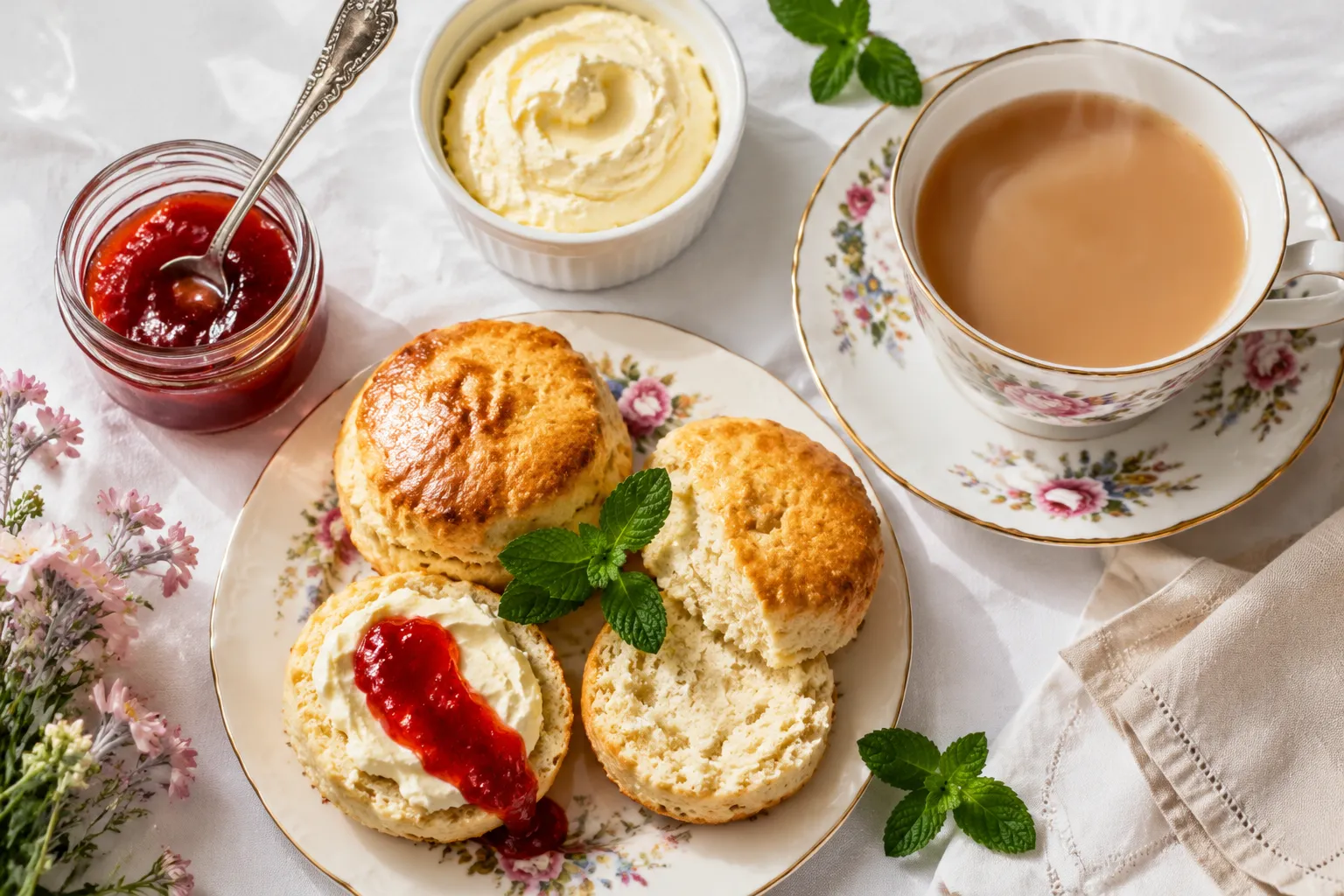
Cream tea is the traditional British service that pairs scones with clotted cream, jam, and tea. It is the centerpiece of May 30 Scone Day celebrations for many people. [2][5]
A proper cream tea includes:
- Fresh-baked scones (plain or fruit)
- Clotted cream (thick, rich cream with a high fat content, distinct from whipped cream)
- Strawberry jam (the most traditional choice, though other jams are used)
- A pot of tea (typically black tea: English Breakfast, Assam, or Earl Grey)
Cream tea differs from a full afternoon tea, which also includes finger sandwiches, pastries, and cakes. For Scone Day, the focus stays on the scone itself.
For those interested in other baked goods with similar cultural roots, the National French Bread Day guide and the National Croissant Day overview offer related reading on bread and pastry traditions.
FAQ: May 30 Scone Day
Q: Is May 30 Scone Day celebrated internationally? Yes. While it has strong roots in British and Irish baking culture, May 30 Scone Day is observed by bakers and tea enthusiasts in the United States, Canada, Australia, and other countries. Australia also has a separate National Scone Day on a different date. [9]
Q: What is the difference between clotted cream and whipped cream? Clotted cream is made by slowly heating full-fat cow’s milk until a thick layer of cream rises to the top. It has a fat content of around 55-65% and a rich, spreadable texture. Whipped cream is lighter, airier, and not a traditional substitute for cream tea service.
Q: Can scones be made gluten-free? Yes. A 1:1 gluten-free flour blend works reasonably well in most scone recipes. The texture will be slightly more crumbly, but the result is still enjoyable. Adding an extra egg can help bind the dough.
Q: How do you pronounce “scone”? Both “SKOHN” (rhymes with “stone”) and “SKON” (rhymes with “gone”) are used in different parts of the UK. Neither is universally correct; regional preference determines which is used.
Q: Are scones the same as tea cakes? No. Tea cakes are a different British baked good, typically a lightly sweetened yeast-leavened bun with dried fruit, usually toasted and served with butter. Scones are a quick bread made without yeast.
Q: What tea pairs best with scones on May 30? English Breakfast tea is the most traditional pairing. Darjeeling is a lighter option that complements fruit scones well. Earl Grey’s bergamot flavor pairs nicely with lemon or plain scones.
Q: Can children participate in May 30 Scone Day? Absolutely. Scone-making is one of the most beginner-friendly baking projects, with simple steps and a short bake time. It is a popular activity for families and school groups.
Q: What is the shelf life of a homemade scone? Freshly baked scones are best eaten on the day they are made. They can be stored in an airtight container for up to two days, but the texture declines noticeably after the first day.
Conclusion
May 30 Scone Day is a simple but genuinely enjoyable food holiday that connects people to centuries of British baking tradition. Whether you bake a batch from scratch, visit a local tea room, or simply enjoy a scone with a good cup of tea, the day offers a low-effort, high-reward way to celebrate.
Actionable next steps for 2026:
- Mark May 30 on your calendar and plan whether you will bake at home or visit a local bakery.
- Gather ingredients in advance, flour, cold butter, and clotted cream (if available locally) are the essentials.
- Choose your topping style, decide whether you are Team Devon (cream first) or Team Cornwall (jam first) before your guests arrive.
- Share the experience by inviting friends or family for a simple cream tea, or post your results with #NationalSconeDay.
- Explore related food holidays throughout the year, such as National Muffin Day and National Chocolate Soufflé Day, to keep the baking momentum going.
The scone has endured for centuries because it is genuinely good, versatile, quick to make, and deeply satisfying. May 30 is the perfect excuse to bake a batch.
References
[1] National Scone Day – https://blue-kitchen.com/2025/05/21/national-scone-day/ [2] anydayguide – https://anydayguide.com/calendar/6367 [3] Scone Fest Returns To Arva Flour Mill And Bakers Have Prepped 300 Dozen Treats 9 – https://www.cbc.ca/news/canada/london/scone-fest-returns-to-arva-flour-mill-and-bakers-have-prepped-300-dozen-treats-9.7215268 [4] eventguide – https://eventguide.com/d/107875.htm [5] A Date For Your Diary National Scone Day May 30th 2023 – https://thevillagekitchen.uk/2023/05/26/a-date-for-your-diary-national-scone-day-may-30th-2023/ [6] National Scone Day Australia 456355145 – https://discover.events.com/au/act/parkes/e/amp/leisure/national-scone-day-australia-456355145 [9] Celebrate National Scone Day – https://www.amazinggrazeflowers.com.au/blogs/blog/celebrate-national-scone-day [10] Cwa Scones For National Scone Day – https://www.raspberricupcakes.com/2009/05/cwa-scones-for-national-scone-day.html