
Quick Answer
Certain plant-based foods contain natural compounds — including antioxidants, phytochemicals, and anti-inflammatory agents — that research links to reduced cancer risk. While no single food can prevent or cure cancer, regularly eating superfoods that fight cancer as part of a balanced diet may lower the likelihood of developing certain types. The strongest evidence points to cruciferous vegetables, berries, garlic, turmeric, and green tea.
Key Takeaways
- 🥦 Cruciferous vegetables like broccoli contain sulforaphane, a compound studied for its ability to slow cancer cell growth.
- 🫐 Berries are packed with anthocyanins and ellagic acid, antioxidants that may help protect DNA from damage.
- 🧄 Garlic contains allicin and organosulfur compounds linked to lower rates of stomach and colorectal cancer in population studies.
- 🌿 Turmeric (specifically curcumin) has shown anti-inflammatory and anti-tumor properties in laboratory research.
- 🍵 Green tea polyphenols, especially EGCG, have been associated with reduced risk of certain cancers in observational studies.
- 🍅 Tomatoes provide lycopene, which research associates with lower prostate cancer risk.
- No superfood works in isolation — dietary patterns matter more than any single ingredient.
- Cooking methods affect nutrient availability; some compounds are more bioavailable raw, others when cooked.
- These foods support overall health and are safe for most people as part of a varied diet.
- Always consult an oncologist before making major dietary changes during cancer treatment.
What Makes a Food a “Cancer-Fighting Superfood”?
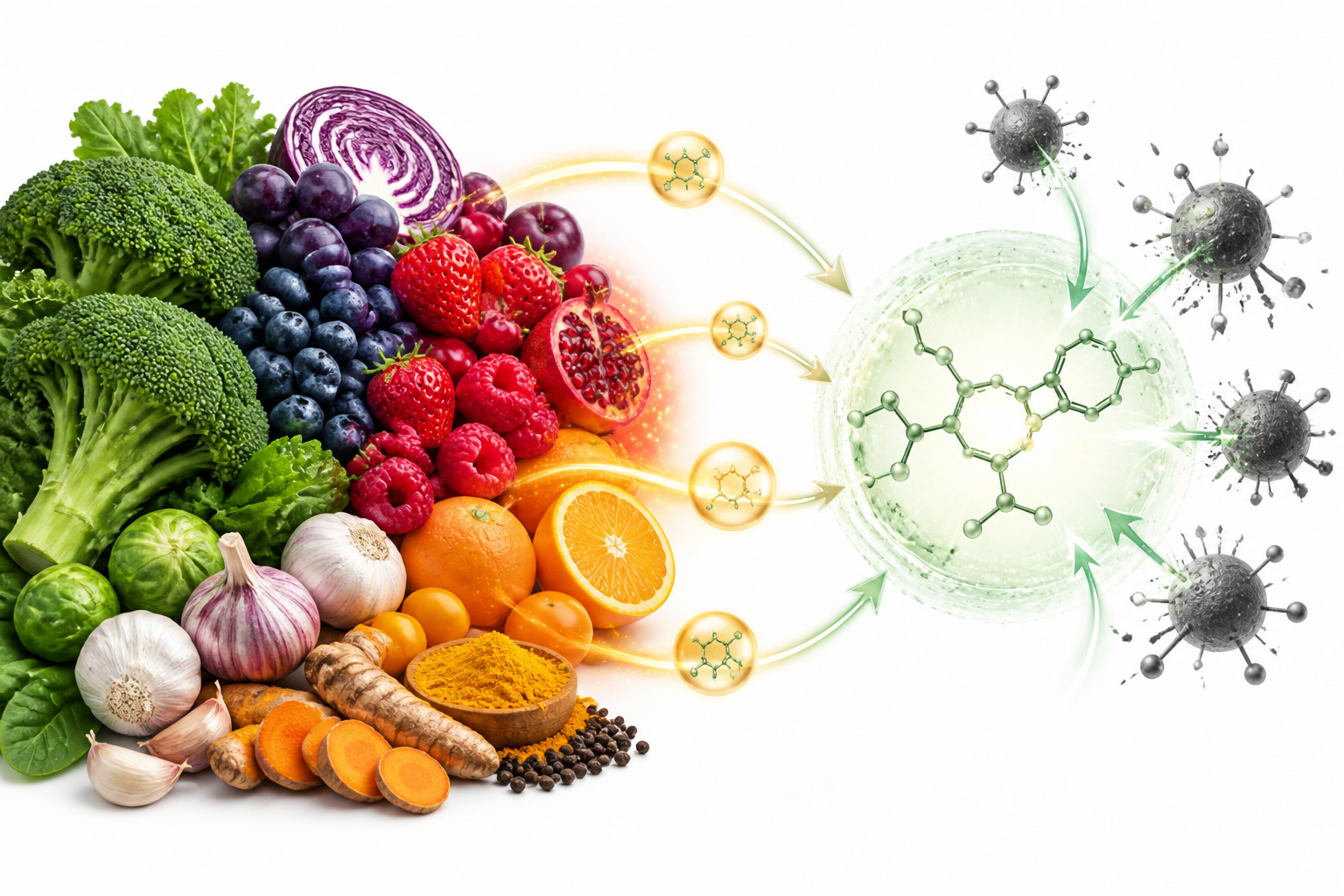
A cancer-fighting superfood is any whole food that contains high concentrations of compounds shown to interfere with cancer cell development, reduce inflammation, or protect DNA from oxidative damage. These compounds include antioxidants, phytochemicals, fiber, and specific vitamins and minerals.
The term “superfood” is not a medical classification — it’s a shorthand for nutrient-dense foods with documented health benefits. What earns a food this label in the cancer-prevention context is a combination of:
- High antioxidant content — neutralizes free radicals that can damage DNA
- Anti-inflammatory compounds — chronic inflammation is a known driver of cancer development
- Phytochemicals — plant-specific molecules like sulforaphane, lycopene, and curcumin that interact with cancer pathways
- Fiber — supports gut health and reduces colorectal cancer risk
“Diet accounts for an estimated 30–35% of cancer cases, making it one of the most modifiable risk factors.” — World Cancer Research Fund International, 2018
Common mistake: Assuming “superfood” means miracle cure. These foods reduce risk and support treatment — they don’t replace medical care.
Which Superfoods That Fight Cancer Have the Strongest Evidence?
The most evidence-backed cancer-fighting superfoods are cruciferous vegetables, berries, garlic, turmeric, tomatoes, and green tea. Each has a distinct mechanism and a body of research — though most studies are observational or lab-based, not large-scale clinical trials in humans.
🥦 Cruciferous Vegetables (Broccoli, Cauliflower, Kale, Brussels Sprouts)
Cruciferous vegetables contain glucosinolates, which break down into compounds like sulforaphane and indole-3-carbinol when chewed or chopped. These compounds have been shown in laboratory studies to slow the growth of cancer cells and support the body’s detoxification enzymes.
A 2018 meta-analysis published in Molecular Nutrition & Food Research found that higher cruciferous vegetable intake was associated with reduced risk of colorectal cancer. Broccoli sprouts contain particularly high concentrations of sulforaphane.
Choose broccoli if: You want a versatile, widely available option. Lightly steam it — boiling reduces sulforaphane content significantly.
🫐 Berries (Blueberries, Strawberries, Raspberries, Blackberries)
Berries are among the richest sources of anthocyanins and ellagic acid, both of which have shown the ability to slow tumor growth and trigger apoptosis (programmed cancer cell death) in cell studies. The blueberry cookbook collection at stillcooking.com is a great resource if you want creative ways to add more berries to your daily meals.
Blueberries also rank among the highest-antioxidant foods measured by ORAC (Oxygen Radical Absorbance Capacity) scores. Raspberries and strawberries provide ellagic acid, which animal studies suggest may inhibit carcinogen-induced cancer.
🧄 Garlic
Garlic’s active compound, allicin, forms when garlic is crushed or chopped. Organosulfur compounds in garlic have been studied for their ability to block the formation of nitrosamines, carcinogens linked to stomach and colorectal cancers.
The World Health Organization’s IARC has classified garlic consumption as “probably protective” against stomach cancer based on epidemiological evidence. Let crushed garlic sit for 10 minutes before cooking — this maximizes allicin formation.
🌿 Turmeric
Curcumin, the active compound in turmeric, has been studied extensively for anti-inflammatory and anti-tumor properties. It appears to interfere with several molecular pathways involved in cancer cell growth and spread.
One important caveat: curcumin has poor bioavailability on its own. Pairing turmeric with black pepper (which contains piperine) increases curcumin absorption by up to 2,000%, according to a study published in Planta Medica (Shoba et al., 1998). If you enjoy spicy, warming foods, the International Hot & Spicy Food Day guide has ideas for working turmeric and pepper into flavorful dishes.
How Do Superfoods That Fight Cancer Work at a Cellular Level?
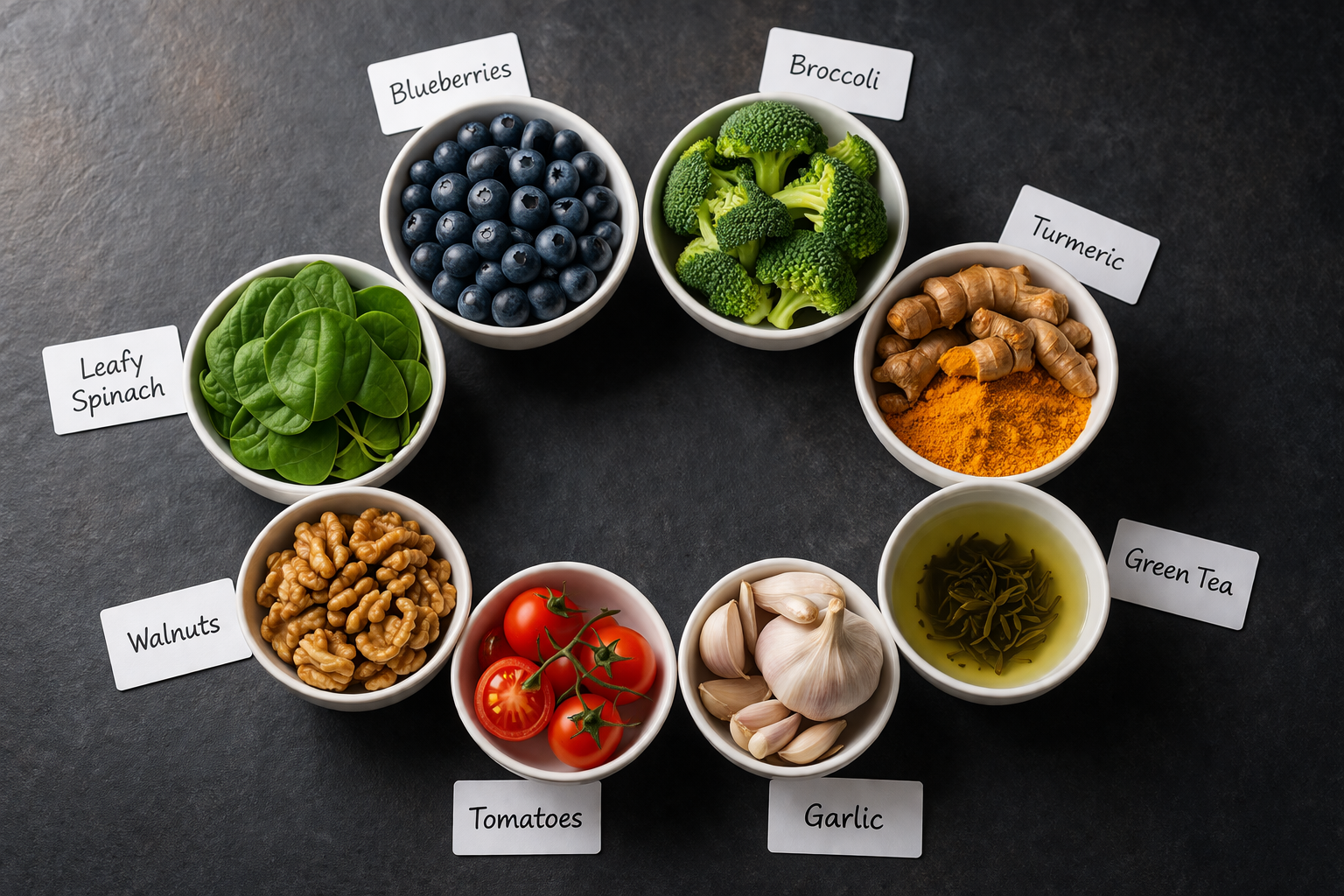
Cancer-fighting foods work through several overlapping mechanisms, not a single pathway. Understanding these mechanisms helps explain why dietary variety matters more than loading up on one food.
| Mechanism | How It Helps | Key Foods |
|---|---|---|
| Antioxidant activity | Neutralizes DNA-damaging free radicals | Berries, green tea, spinach |
| Anti-inflammation | Reduces chronic inflammation that promotes tumor growth | Turmeric, garlic, olive oil |
| Apoptosis induction | Triggers programmed death of abnormal cells | Broccoli, berries, green tea |
| Angiogenesis inhibition | Slows blood vessel growth that feeds tumors | Green tea (EGCG), garlic |
| Hormone regulation | Modulates estrogen metabolism (relevant to breast cancer) | Cruciferous vegetables, flaxseed |
| Gut microbiome support | Fiber feeds beneficial bacteria that regulate immune response | Legumes, whole grains, vegetables |
Edge case: Some compounds that are beneficial in food form may be harmful in high-dose supplement form. Curcumin supplements at very high doses, for example, have shown liver toxicity in rare cases. Food-first is the safer approach.
What Are the Best Superfoods for Specific Cancer Types?
Different cancers have different risk factors, and some foods show stronger associations with specific cancer types. This is a general guide — individual risk depends on genetics, lifestyle, and other factors.
- Colorectal cancer: Cruciferous vegetables, garlic, legumes, whole grains (fiber is particularly well-supported here)
- Breast cancer: Flaxseed (lignans), cruciferous vegetables, soy (in moderate, whole-food amounts)
- Prostate cancer: Tomatoes (lycopene), green tea, pomegranate
- Stomach cancer: Garlic, green tea, allium vegetables (onions, leeks)
- Lung cancer: Carotenoid-rich foods like carrots, sweet potatoes, and leafy greens
Note: High-dose beta-carotene supplements were associated with increased lung cancer risk in smokers in the CARET trial (Omenn et al., 1996). Whole foods are not the same as isolated supplements.
For those interested in plant-forward cooking, the vegetarian cookbook collection offers hundreds of recipes built around exactly these ingredients.
How Should You Eat Superfoods That Fight Cancer Daily?
The most effective approach is building a dietary pattern — not a checklist. The goal is consistent, varied intake of cancer-protective foods across the week, not perfection at every meal.
A practical daily framework:
- Fill half your plate with vegetables and fruit at every meal — prioritize color variety.
- Include at least one cruciferous vegetable per day (broccoli, kale, cabbage, arugula).
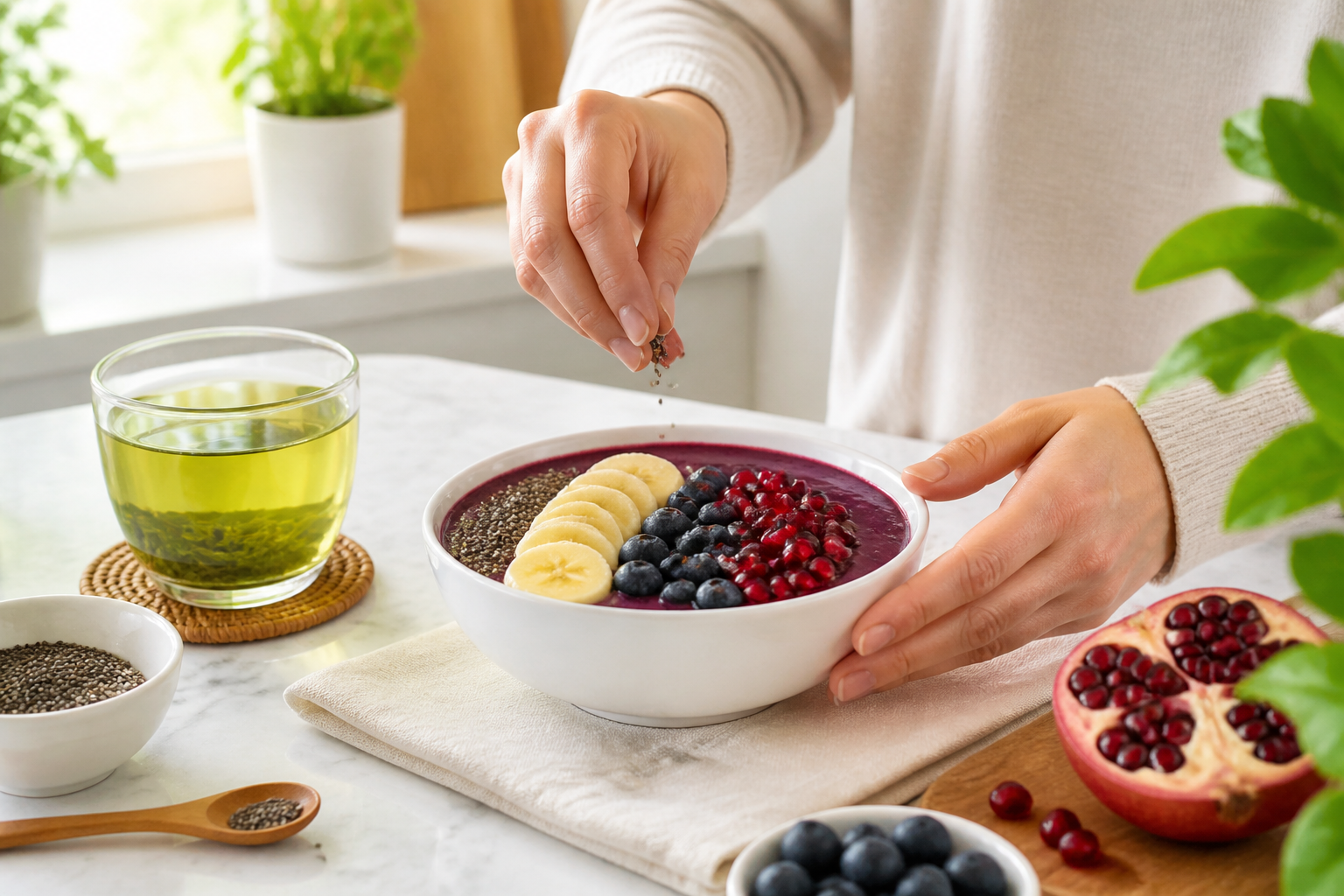
- Add berries to breakfast — smoothies, oatmeal, or yogurt work well.
- Use garlic and turmeric as cooking staples rather than occasional additions.
- Drink green tea in place of some coffee servings — 2 to 3 cups daily is the range studied in most research. If you enjoy coffee too, the National Gourmet Coffee Day guide is worth a read, as coffee itself contains antioxidants with emerging cancer-protective associations.
- Eat tomatoes cooked — heat increases lycopene bioavailability significantly.
- Snack on walnuts or seeds — omega-3 fatty acids support anti-inflammatory pathways.
For those who love hearty, vegetable-rich cooking, homemade soups are one of the easiest ways to pack multiple cancer-fighting vegetables into a single meal. The soup cookbook collection has dozens of recipes that work perfectly for this purpose.
What Foods Should You Limit or Avoid?
Eating superfoods that fight cancer works best when paired with reducing foods that may promote cancer risk. The evidence here is also strong.
Limit or avoid:
- Processed meats (bacon, hot dogs, deli meats) — classified as Group 1 carcinogens by IARC (2015)
- Red meat in excess — IARC classifies it as “probably carcinogenic” (Group 2A)
- Alcohol — linked to at least 7 types of cancer, including breast, liver, and colorectal
- Ultra-processed foods — associated with higher overall cancer incidence in large cohort studies
- Excess added sugar — promotes obesity, a known cancer risk factor
Common mistake: Focusing only on adding superfoods while ignoring processed meat and alcohol intake. The subtraction matters as much as the addition.
FAQ: Superfoods and Cancer Prevention
Q: Can eating superfoods cure cancer? No. Superfoods that fight cancer may reduce risk and support overall health, but they cannot treat or cure an existing cancer diagnosis. Always follow your oncologist’s treatment plan.
Q: How quickly do dietary changes affect cancer risk? Cancer risk is cumulative and develops over years. Dietary improvements reduce risk over the long term — there’s no short-term measurable effect. Start now and stay consistent.
Q: Is organic produce more effective for cancer prevention? The evidence is mixed. Organic produce has lower pesticide residues, but no study has conclusively shown it reduces cancer risk more than conventionally grown produce. Eating more vegetables — organic or not — is the priority.
Q: Are green smoothies a good way to get cancer-fighting foods? Yes, as long as they’re vegetable-forward rather than fruit-heavy. Blending preserves most nutrients and is a practical way to consume leafy greens, berries, and seeds daily.
Q: Does cooking destroy cancer-fighting compounds? It depends on the food. Sulforaphane in broccoli is reduced by boiling but preserved by light steaming. Lycopene in tomatoes increases with cooking. Garlic benefits from a 10-minute rest after chopping before heat is applied.
Q: Can people undergoing chemotherapy eat these superfoods? Generally yes, but some foods interact with specific treatments. For example, grapefruit interferes with certain chemotherapy drugs. Always check with your oncologist before making significant dietary changes during treatment.
Q: Is there a single best superfood for cancer prevention? No single food stands above all others. The research consistently favors dietary patterns — like the Mediterranean diet — over individual superfoods.
Q: How much turmeric should someone eat daily? Most research uses curcumin doses of 500–2,000 mg daily in supplement form, but food-based intake (roughly 1–3 teaspoons of turmeric powder) is safe and beneficial when combined with black pepper.
Conclusion: Actionable Next Steps
The science is clear enough to act on: a diet rich in superfoods that fight cancer — cruciferous vegetables, berries, garlic, turmeric, green tea, and tomatoes — is one of the most practical, evidence-backed steps anyone can take to reduce cancer risk.
Start here:
- Add one cruciferous vegetable to dinner tonight.
- Swap one snack this week for a handful of mixed berries.
- Make garlic and turmeric kitchen staples, not occasional additions.
- Replace one daily beverage with green tea.
- Cut back on processed meats — the evidence against them is as strong as the evidence for plant foods.
No single meal will change your risk profile, but a consistent dietary pattern built around these foods — sustained over months and years — gives the body real tools to reduce cancer risk. Pair these changes with regular medical screenings, physical activity, and limiting alcohol for the strongest overall effect.
References
- World Cancer Research Fund International. (2018). Diet, Nutrition, Physical Activity and Cancer: A Global Perspective. wcrf.org
- Shoba, G., et al. (1998). Influence of piperine on the pharmacokinetics of curcumin. Planta Medica, 64(4), 353–356.
- Omenn, G.S., et al. (1996). Effects of a combination of beta carotene and vitamin A on lung cancer and cardiovascular disease. New England Journal of Medicine, 334(18), 1150–1155.
- International Agency for Research on Cancer (IARC). (2015). IARC Monographs Volume 114: Red Meat and Processed Meat. WHO.
- Fahey, J.W., et al. (1997). Broccoli sprouts: An exceptionally rich source of inducers of enzymes that protect against chemical carcinogens. PNAS, 94(19), 10367–10372.
- Zhang, X., et al. (2018). Cruciferous vegetable consumption and colorectal cancer risk. Molecular Nutrition & Food Research, 62(6).