
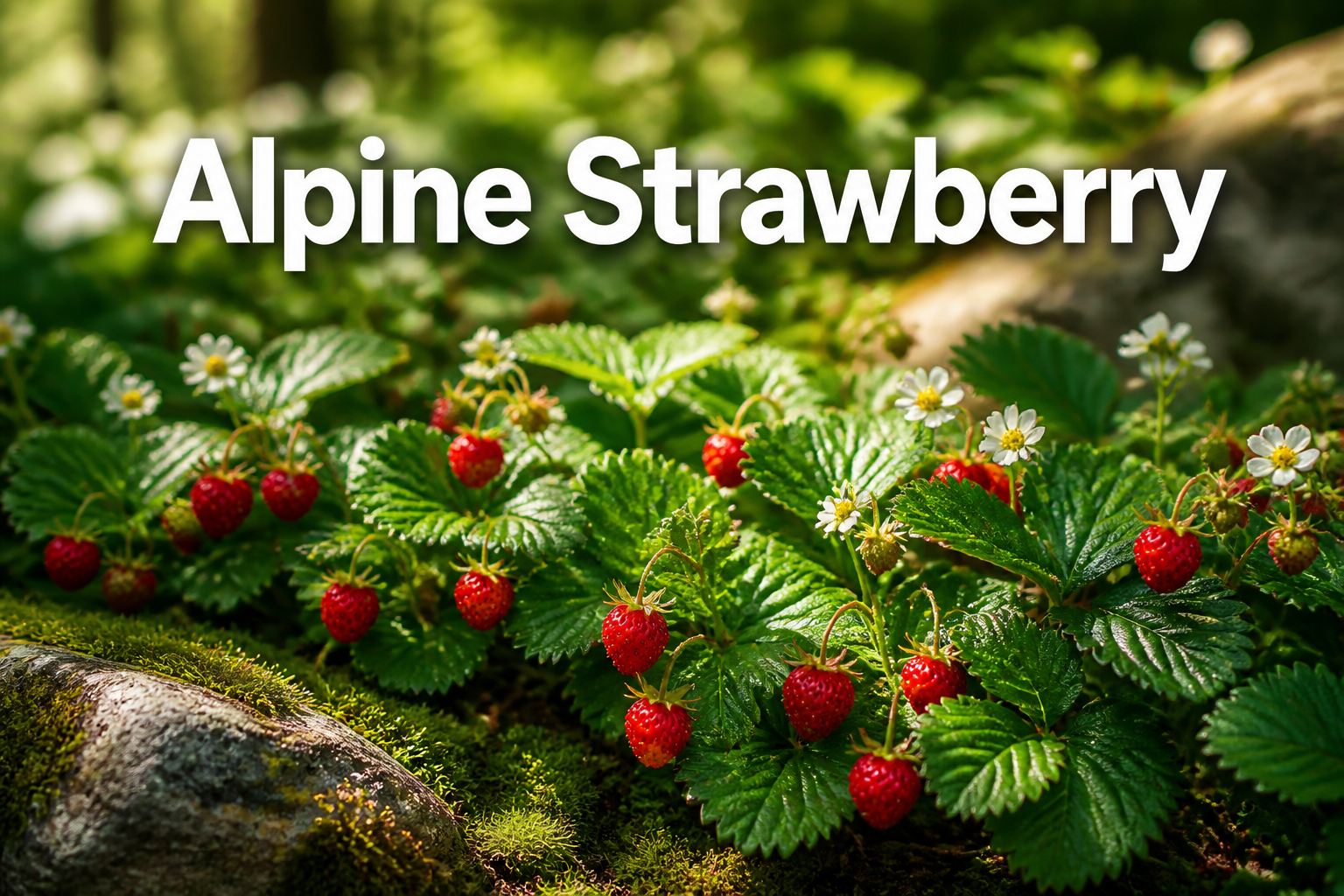
Quick Answer: The alpine strawberry (Fragaria vesca) is a compact, perennial fruit plant that produces small but intensely flavored berries from May through August. Unlike commercial strawberries, it thrives in partial shade, requires minimal care, and has been named one of 2026’s top trending bedding plants for its dual role as an edible ground cover and ornamental border plant.
Key Takeaways
- 🍓 Botanical name: Fragaria vesca, family Rosaceae; hardy in USDA zones 5–9
- 🌿 Size: Compact plants grow 3–9 inches tall; berries are roughly fingernail-sized
- ☀️ Light needs: Full sun to partial shade, making them unusually versatile
- 🌱 No runners: Propagation is done by crown division in early spring, not by runners like standard strawberries
- 🧪 Soil pH: 5.5–7.0, well-draining and fertile
- 📅 Harvest window: May through August; pick before berries darken or turn mushy
- 🏡 Landscape use: Excellent as edging, ground cover, or raised bed filler
- 📜 Ancient lineage: Discovered roughly 300 years ago; never bred for size, so flavor remains exceptional
- 🔧 Maintenance: Very low; regular harvesting is the primary task
- 🌍 Trending: Named a breakout “it” bedding plant for 2026 by gardening experts
What Exactly Is an Alpine Strawberry?
The alpine strawberry is a perennial fruiting plant native to Europe and parts of Asia, botanically classified as Fragaria vesca within the Rosaceae family. It produces small, intensely sweet berries that taste far more complex than their size suggests.
Unlike the large, often watery commercial strawberries found in grocery stores, alpine strawberries have never been selectively bred for size or shelf life. That means the flavor has stayed remarkably concentrated over centuries [3]. The plants are low-growing, reaching just 3–9 inches in height, and they spread in neat clumps rather than sending out the long runners that standard strawberry varieties are known for [3].
Choose alpine strawberries if:
- You want an edible plant that also looks attractive in a border or path
- Your garden has partial shade where most fruiting plants struggle
- You prefer low-maintenance growing with a long harvest season
Why Are Alpine Strawberries Trending in 2026?
Alpine strawberries have been named one of 2026’s breakout “it” bedding plants, a surprising shift that reflects a broader gardening trend toward plants that are both ornamental and productive [1].
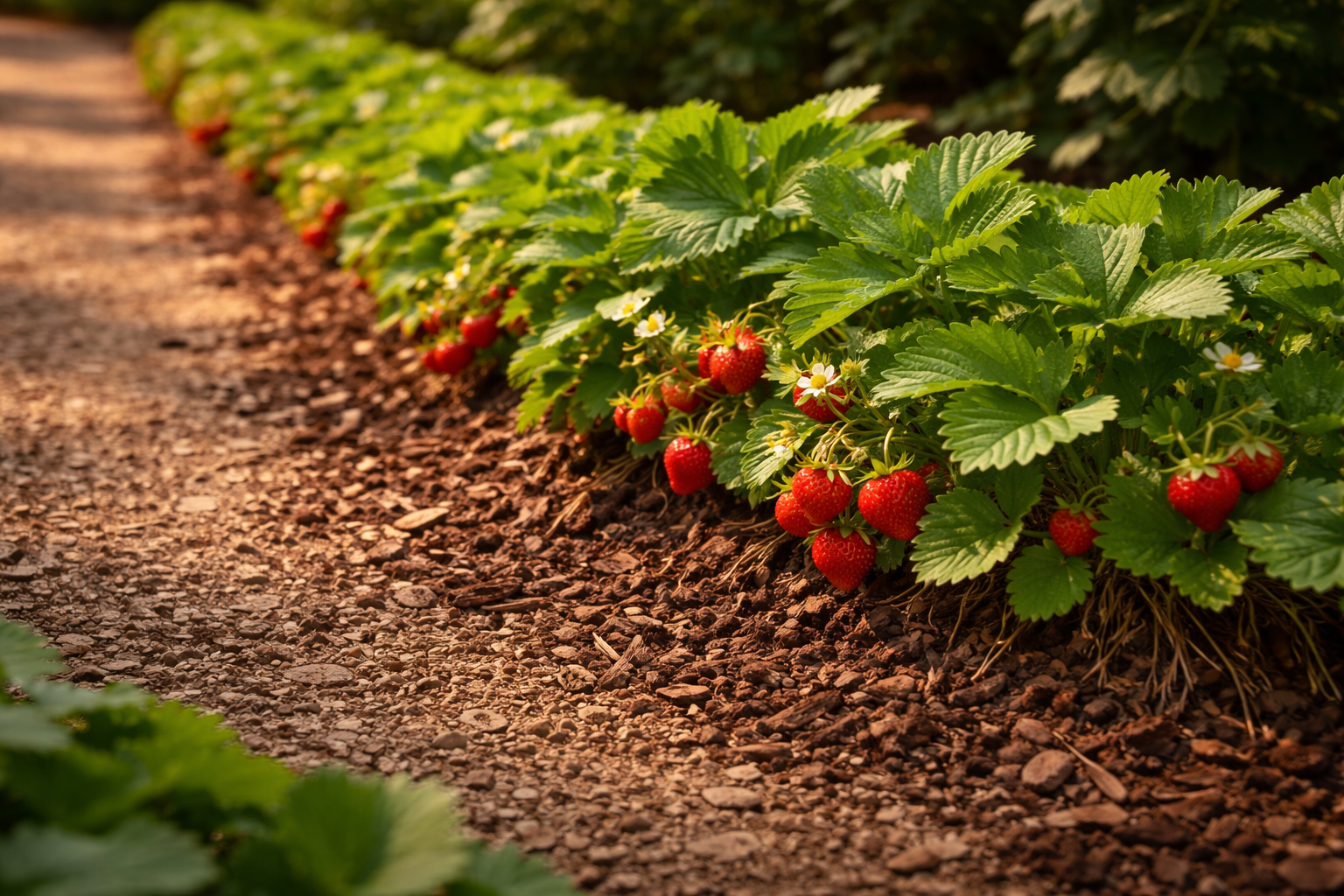
Gardeners are increasingly looking for plants that pull double duty. Alpine strawberries fit that demand perfectly: they work as ground cover in shady spots, as crisp edging along borders and paths, and as attractive fillers in raised beds [1]. Their small white flowers, tidy clumping habit, and persistent red berries give them genuine visual appeal across a long growing season.
The trend also connects to a renewed interest in heirloom and heritage varieties. Because alpine strawberries have remained largely unchanged for 300 years, they carry a sense of authenticity that newer hybrid fruits simply cannot offer [3].
How Do You Grow Alpine Strawberries Successfully?
Growing alpine strawberries successfully comes down to three factors: proper soil preparation, correct planting depth, and consistent harvesting. Get these right and the plants largely take care of themselves.
Soil and Site Preparation
Alpine strawberries need well-draining, fertile soil with a pH between 5.5 and 7.0 [3]. Despite their delicate appearance, they are relatively heavy feeders, so amending the bed with compost before planting pays dividends throughout the season.
Site selection checklist:
- Full sun to partial shade (partial shade is fine, unlike most fruiting plants)
- Good drainage — standing water causes root rot
- Shelter from strong winds, which can dry out the shallow root system
Planting and Spacing
Space transplants 8 to 10 inches apart, center to center [2]. The most critical detail at planting: keep the crown (the point where leaves meet roots) at or just above the soil surface. Burying the crown invites rot; planting too high causes the roots to dry out.
Apply a 1–2 inch layer of organic mulch — shredded leaves, straw, or compost all work well — around each plant to retain moisture and insulate the shallow roots [2].
Watering and Feeding
Water regularly but avoid waterlogging. During dry spells, deep watering once or twice a week is more effective than frequent shallow watering. A balanced, slow-release fertilizer applied in early spring supports steady growth without pushing excessive leaf production at the expense of fruit.
Common mistake: Over-fertilizing with high-nitrogen feeds produces lush foliage but fewer berries. Balance is key.
How Do Alpine Strawberries Differ from Regular Strawberries?
The most practical difference is that alpine strawberries do not produce runners [3]. Standard strawberry varieties spread aggressively via long horizontal stems, which can take over a bed quickly. Alpine strawberries grow in contained clumps, making them far easier to manage in a formal garden design.
| Feature | Alpine Strawberry | Standard Strawberry |
|---|---|---|
| Berry size | Fingernail-sized | Large (1–2 inches) |
| Flavor intensity | Very high | Moderate (varies by variety) |
| Runner production | None | Yes, prolific |
| Shade tolerance | Partial shade OK | Prefers full sun |
| Harvest season | May–August (continuous) | Concentrated flush |
| Maintenance level | Very low | Moderate |
| Propagation method | Crown division | Runners or seed |
The continuous harvest is another key advantage. While standard strawberries tend to produce a heavy crop over a few weeks, alpine varieties produce steadily from May through August [3]. That means a steady supply for fresh eating rather than a single overwhelming glut.
When and How Should You Harvest Alpine Strawberries?
Harvest alpine strawberries when the berries are fully red and ripe, but before they begin to darken or turn mushy [3]. Overripe berries attract pests and can introduce fungal disease to the plant.
Because the berries are small, harvesting takes patience. Check plants every two to three days during peak season. Gently pinch the stem just above the berry rather than pulling the fruit directly, which can damage the plant.
Harvesting tips:
- Harvest in the morning when berries are cool and firm
- Use small scissors if fingers bruise the fruit
- Never leave overripe berries on the plant
- Regular picking actually encourages more fruit production
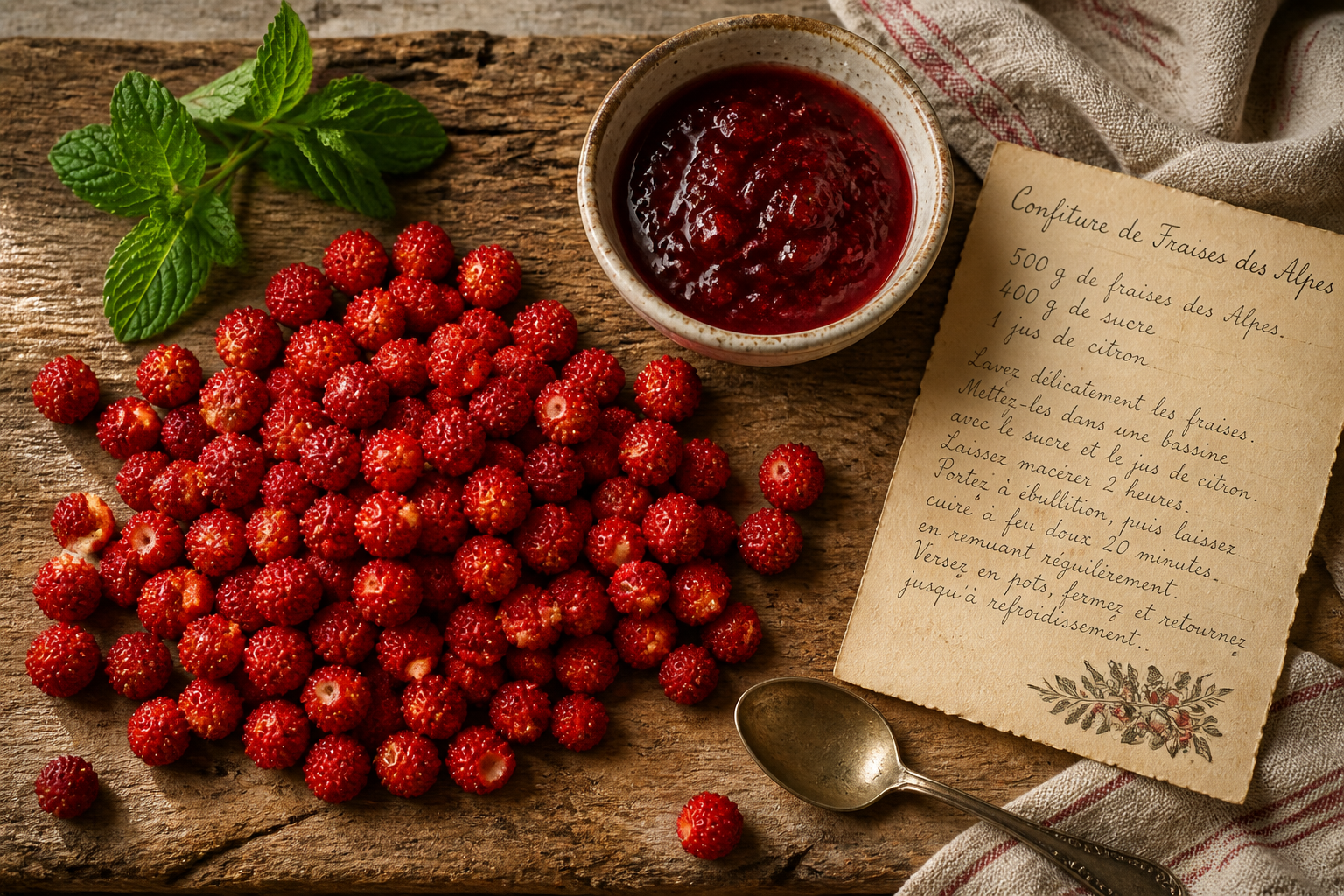
The berries are best eaten fresh. They do not store well for more than a day or two at room temperature, though refrigerating them in a single layer extends their life slightly. For longer preservation, they make excellent jams — check out these lip-smacking jam recipes for inspiration. They also pair beautifully in fruit compotes; the Fruit Compote Day guide has some creative ideas worth exploring.
How Do You Propagate Alpine Strawberries?
Since alpine strawberries produce no runners, propagation happens through crown division in early spring [3]. This is simpler than it sounds.
Step-by-step crown division:
- Wait until new growth appears in early spring
- Carefully dig up a mature clump (2–3 years old works best)
- Gently pull or cut the crown into sections, ensuring each piece has both roots and foliage
- Replant divisions at the correct depth (crown at soil level) immediately
- Water thoroughly and keep moist for the first two weeks
Alpine strawberries can also be grown from seed. Non-hybrid (open-pollinated) varieties allow seed-saving, which is a cost-effective way to expand a planting over time [2]. Heirloom options include Japanese Hokowase Early Bearing and Mara des Bois Everbearing, both of which are widely available from specialty seed suppliers [2].
What Are the Best Uses for Alpine Strawberries in the Kitchen?
Alpine strawberries shine brightest when used fresh, where their concentrated flavor is fully apparent. Their small size and intense sweetness make them ideal for dishes where standard strawberries would feel too large or too bland.
Best culinary applications:
- Fresh over yogurt, oatmeal, or cereal
- Folded into cream or mascarpone for a simple dessert
- Layered in tarts and pastries where visual impact matters
- Blended into smoothies or strawberry ice cream — see National Strawberry Ice Cream Day for recipe ideas
- Preserved as jam or compote for year-round use
- Paired with blueberries in baked goods like blueberry popovers
Their flavor profile is often described as more aromatic and complex than commercial strawberries — closer to a wild berry than a supermarket fruit. That quality makes them worth seeking out even if the harvest is modest.
Are Alpine Strawberries Prone to Pests or Disease?
Alpine strawberries are generally resilient, but they are not completely trouble-free. Their main vulnerabilities are fungal diseases caused by poor air circulation and overripe fruit left on the plant.
Common issues and solutions:
| Problem | Cause | Fix |
|---|---|---|
| Gray mold (botrytis) | Overripe fruit, humid conditions | Harvest frequently; improve air flow |
| Root rot | Waterlogged soil | Improve drainage; reduce watering |
| Slugs | Moist mulch near berries | Use copper tape or diatomaceous earth |
| Birds | Ripe fruit is attractive | Use netting during peak harvest |
The best disease prevention is also the primary maintenance task: regular harvesting [2]. Keeping the plant free of overripe or damaged fruit removes the conditions that fungal spores need to take hold.
Frequently Asked Questions About Alpine Strawberries
Q: Are alpine strawberries perennial or annual? Alpine strawberries are perennial plants in USDA zones 5–9. They go dormant in winter and return the following spring [3].
Q: How long does it take alpine strawberries to fruit from seed? Expect to wait about 4–6 months from seed sowing to first fruit, depending on variety and growing conditions. Starting seeds indoors 8–10 weeks before the last frost gives them a head start.
Q: Can alpine strawberries grow in containers? Yes. A pot at least 8 inches deep with good drainage works well. Container plants may need more frequent watering and feeding than in-ground plants.
Q: Do alpine strawberries need to be replaced every few years? Productivity tends to decline after 3–4 years. Dividing the crowns in early spring refreshes the planting and maintains strong fruit production [3].
Q: Are alpine strawberries safe for children and pets? Yes. The fruit and foliage are non-toxic to humans, dogs, and cats.
Q: What is the difference between white and red alpine strawberries? White-fruited varieties (such as ‘White Soul’) produce pale yellow-white berries with a pineapple-like flavor. They are also less attractive to birds, since birds associate red color with ripeness.
Q: Can alpine strawberries handle frost? Established plants tolerate frost well and are hardy to zone 5 (roughly -20°F / -29°C). A light mulch layer over winter provides extra protection in colder zones.
Q: Do alpine strawberries need a pollinator? No. Alpine strawberries are self-fertile and do not require a second plant or specific pollinators to produce fruit.
Conclusion: Should You Grow Alpine Strawberries?
For most home gardeners, the answer is yes — especially if space is limited, shade is a challenge, or low-maintenance growing is a priority. Alpine strawberries deliver exceptional flavor from a compact footprint, work beautifully as edging or ground cover, and require little more than regular harvesting to stay productive [1][2][3].
Actionable next steps:
- Test your soil pH before planting — aim for 5.5–7.0 and amend with compost if needed
- Choose a variety suited to your goals: Mara des Bois for continuous harvest, Japanese Hokowase for early production, or a white-fruited type to deter birds
- Start from transplants for fruit in the first season, or from seed if you want to save seeds long-term
- Mulch at planting with 1–2 inches of organic material to protect shallow roots
- Harvest every 2–3 days during the season to prevent disease and encourage continued fruiting
- Divide crowns every 3–4 years to keep plants vigorous
Whether the goal is a productive kitchen garden, an attractive border, or both, alpine strawberries are one of the most rewarding small-scale fruit plants available in 2026.
References
[1] New It Bedding Plant 2026 – https://www.gardeningknowhow.com/ornamental/flowers/new-it-bedding-plant-2026 [2] Growing Alpine Strawberries The Ultimate Guide To The Sweet Petite Fruit – https://riseandbakewithjulie.com/growing-alpine-strawberries-the-ultimate-guide-to-the-sweet-petite-fruit/ [3] Alpine Strawberries – https://www.epicgardening.com/alpine-strawberries/